
Stop Trusting Meta & Google: The Truth About Ad Tracking
Why do ad platforms like Meta and Google claim credit for sales they didn't actually generate? Scott Desgrossilliers explains why relying on ad platform data is like letting the "fox watch the henhouse" and how it leads businesses to burn cash on ineffective campaigns. In this interview, Scott breaks down how conversion tracking actually works, the difference between first-click and last-click attribution, and why you need a middle-of-funnel strategy (email lists). He also shares his take on buying a business vs. starting from scratch, the #1 trait to hire for (grit), hiring mistakes to avoid, and how to lower CAC by 40% with better data signals.
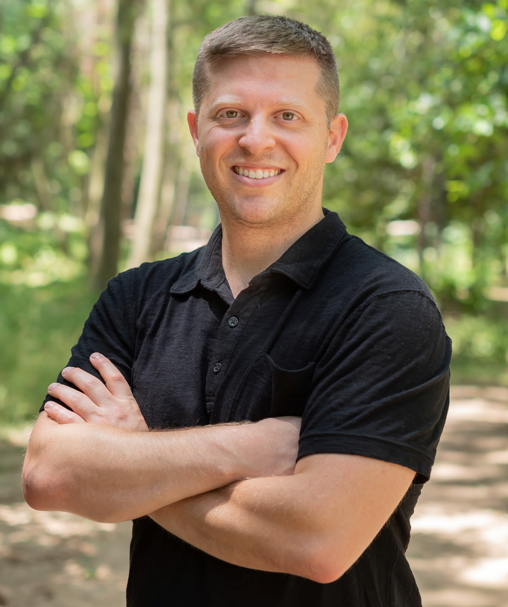

Guest
Scott Desgrossilliers
CEO, Wicked Reports
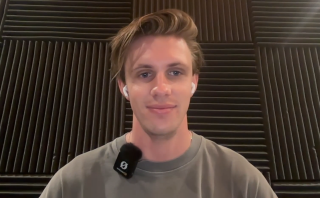
Scott Desgrossilliers is the CEO of Wicked Reports, an attribution platform. He explains why ad platforms like Meta and Google claim credit for sales they did not actually generate, arguing that relying on ad platform data is like letting the "fox watch the henhouse" and leads businesses to burn cash on ineffective campaigns.
Chapters


Just raised, acquired, or launched?
Guaranteed CNBC, Bloomberg, and MSN.com coverage from one 30-minute interview,
timed to your milestone while it's still news.
Raises, acquisitions, product launches, and major hires create a narrow window where third-party press stops being optional. We turn that moment into a month of content.
Distribution through a channel with 2M+ real views
Full Transcript
Sean Weisbrot: A lot of companies run ads and try to scale in order to continue the growth engine for their business, but oftentimes find for a multitude of reasons that I'd like to cover with you today. For some reason, it just stops becoming profitable and sometimes they lose money and go out of business because they don't pivot to fix the problem. What is the largest one of those problems that you see consistently?
Scott Desgrossilliers: The biggest problem I see is that you're relying on the fox to watch the henhouse, which is the ad platforms, to tell you how good you're doing because in spite, uh, they certainly want you to do well, so you'll spend more money. But they're not designed to measure based on an unbiased point of view. They're like a horse with blinders on. So as a easy example, let's just say you're advertising on Meta and Google, and then you have email. Well, when your email converts a sale, both Meta and Google do their best to claim credit for that as well. And so if you are, you know, let's say you're using like Klaviyo as an email system and you, you log in and check your email sales and you check your Google sales and check your meta sales, you may find, uh, that you're reporting three times the sales you're actually getting. And so. That's the number one reason I see is that because the measurement isn't aligned with the business outcome, which is more revenue, it's more, Hey, can we claim credit for the sale? As helpful as those channels can be, they also can steer you wrong, and when you're in the situation you described, that's likely a culprit number one.
Sean Weisbrot: Hey, business leaders and marketers. What if your brand could be featured right here? This ad spot could be yours. This channel is watched by a dedicated audience of ambitious founders, executives, and professionals who are actively looking for tools and services to help their business grow. If you wanna put your brand in front of this highly dedicated audience, that's difficult to reach. I'm currently looking for a few strategic partners for the channel. To learn more about sponsorship opportunities, click the link in the description. Let's go together. How is it they're allowed to do this?
Scott Desgrossilliers: Well, how it, how conversion tracking works is you put a pixel on your page for when you have a sale, and then you also, now most advertisers are sending their sales up to both Meta and Google and TikTok and Snap and Pin and everything else via conversion APIs. So they're getting a read-in of your sales. Then they're looking to see, has anyone ever interacted, interacted being the keyword with an ad on that site from that platform? And it could be as simple as a view on a page you go to all the time that you know you're blind to the ads, but the ads like over in the corner. Such as to me, you know, I'm a avid fantasy football and fantasy hockey player. I go to those sites to check my teens. Well, there's ads all over the place. I don't see them. I'm just looking at my, you know, stats. And so, however, if I buy from any of those things, uh, they're going to claim credit based on their, that's just how they do it. So how do you
Sean Weisbrot: protect yourself from this?
Scott Desgrossilliers: Well, you need an unbiased point of view. I mean, uh, which is my bias point of view as someone who is software that does unbiased point. But you need a measurement platform you can trust and, and that trust comes because when there's a sale reported from an ad platform, you can see the click journey. You can see it tied to an actual order ID of yours. And so, you know that that order ID isn't being counted in multiple places. It's being, uh, mathematically correct, so to speak. But also, um, not only that, it's, it's, uh, there's different views and ways you can measure. There's one that's gonna view based on your bank account, which is the most important, but then there's other techniques for measurement based on what you're trying to scale, what type of ad you're running. You measure, you should measure it a certain way. A customer journey can take a long time. It could take 30 to 90 days, and the ad platforms and an email is looking at the last step of that journey, which is helpful. You do need to convert people, but they only heard about your brand from other marketing, and you need to know that point. Otherwise, you're not gonna find more of them.
Sean Weisbrot: So how can you get better at understanding that whole journey and being able to follow it correctly? Well,
Scott Desgrossilliers: for starters, if you're running ads, you, you wanna set a goal. I mean, you wanna set a goal of your ad campaign, and I know all of 'em are like, well, I wanna sell stuff, but you wanna first have one meaning, um, I want to attract cold traffic or new prospects, new eyeballs to my business. So that would be one separate campaign you'd run. Then you'd measure that one differently. You measure that one based on does it bring in new clicks or first clicks is what we use in measurement that later become high value customers. So that can take time. So you gotta have the first clicks tracked, but then you hold onto them or you might not know who they are often at first. And so we hold onto them for a while and then as, as, as sales come in, we then go back to this attribution time machine, if you will, and try to reverse engineer, like, do we know this person? Uh, okay, oh, now we know more about them. Can we go back in time and figure out how they interacted earlier? And then attribute revenue to that point. So there's a lag because, you know, they're, they're getting used to your brand, particularly anyone that's not a household name, you know, you gotta earn their trust usually. And so we stitch that together so that you can see the first touches that lead to revenue. And then you'd separately have a, a last touch campaign where, okay, now that they're warmed up on my brand, now I'm gonna say, Hey, come by, come by, come by. Or, you know, ideally more strategic than that. That being the intention.
Sean Weisbrot: This is a struggle, not just for e-commerce, because it's something that I bang my head against the wall for over every day for the podcast because I run ads inside YouTube to get more exposure for my channel. And I do native boosting. So like I'll tell, uh, YouTube, you know, spend x amount of money targeting this kind of person to watch the video. And they'll go out and they'll put this on the home feed for the people that are more likely to watch it. And you can do conversions, uh, tracking, conversion tracking maybe is not the right word, but you, you can set it. The goal being, do you want them to be people who are more likely to subscribe or people who are more likely to watch? Or you know what have you, there's not many options on the YouTube side, but I was able to attract several hundred thousand subscribers because of the ads. But 99% of them don't come back and do anything. Mm-hmm. And. It's like, well, you've brought me basically people that are willing to subscribe, like they've joined a newsletter for an e-commerce brand. You could consider it a similar thing. Yep. They've converted, but I don't have their email. I don't have their name. I have no idea who any of these people are. I just know that, that the average person is in such and such a country of such and such a gender, of such and such an age range. Yeah. And yeah. It's only through daily community posts that I do a single question with two or three responses and a poll. So I do a daily poll on my YouTube that I get dozens to hundreds of responses where I get to actually learn from them who they are. I still don't have their names or their emails or anything like that, but I can toss all of the responses into Gemini and, and get a psychographic measurement of who these people are on average, based on the responses they've given me over months and months of questions. Like I have probably a hundred or 150 questions. I've, I've gotten answers, you know, thousands of responses. So this is like the best I can do, you know. And I've, I've spent like over $10,000 on ads to grow the podcast, but I feel like YouTube's not helped me at all. Well,
Scott Desgrossilliers: that's your top of the funnel campaign, so now you need a middle of the funnel campaign to try to get them to join your email list. I don't have an email list.
Sean Weisbrot: Yeah, well, that's step two then. But the, the way that I measure it is they're not coming back and watching other videos, or rather, there's a core group of people watching the videos, but it's not hundreds of thousands or tens of thousands of them.
Scott Desgrossilliers: So is your, but is your end goal is, is watched, uh, to increase your watch count or is it to gain revenue from them
Sean Weisbrot: eventually? So I get people coming to me wanting to do sponsorships, but then they look at the numbers and they're like, well, you know, you've got hundreds of thousands of subscribers, but like, you're not getting tens of thousands of views. I don't want, I don't wanna sponsor you. So because of the, the top number, they, they're interested and then they see the data. They're like. Yeah, I don't know. So I would like to have these people actually watch the content over and over again and become fans because then there's value from that. And of the kind of people that they are, which is e-commerce and SaaS, there's a lot of money to be made providing services for them.
Scott Desgrossilliers: So you, I, I feel the need for a couple of middle funnel campaigns, one being to harvest an email list, potentially. You don't have to do that, but that's one option. Because then at least you're controlling the, you own the relationship once you get them. And that'd be a different type of ad you, so you'd run an ad against your subscribers, getting them, and then it would be a click-based ad where you try to get 'em to click over and opt in to your, like landing page for your, you know, email capture. Secondarily, you could do a, to boost some of your posts to your subscribers to try to get them. 'cause if they're not coming back you, if you can segment the ones that haven't come back. If not, just do it to all of them paid. Do a paid boost of your posts. I've had some success with that. I'm not trying to grow subscribers, but I've boosted other people's interviews of mine. Then drives more demos of our, of our content, of our, of our product. Doesn't work every time, or that's all we would do, but it works occasionally. Um, so yeah, it's that next step in the relationship. So you've got the first part where you've got 'em to subscribe, but that's just the part of the start of the journey. You know, you gotta work in the middle. 'cause that's a lot. I mean, you got a lot of subscribers, so you just gotta work on the, the, the next piece. So if you sketch out. Your ideal customer journey of how you'd want it to go, then you gotta think of what type of conversion you've gotta get and create a campaign specifically around that type of conversion. 'cause the content will be different. The message and the hook, and then the call to action, obviously. So I, I wouldn't rely on YouTube magic algorithm to, to get you there. 'cause it hasn't, you know, which is fair that it, I mean, unfortunate, but. Probably
Sean Weisbrot: common. I feel like YouTube. YouTube doesn't want you to have a newsletter. They don't want you to have your people outside. They want you to keep them all on there. But like, what they don't realize is if I did have a newsletter, I would be sending my people back to YouTube to watch more of my content. Yeah. So like if YouTube had a newsletter system, like YouTube should probably buy beehive. Mm-hmm. I'm calling it now. YouTube should buy beehive.com. They're a a famous newsletter company. That has really great features and I tried to build a newsletter previously and I gave it up after a few months. But I feel like if they had a newsletter system with emails and you actually knew who your subscribers were, what their their names were and their email addresses and you could build a newsletter, then YouTube could do something better than this subscribed stuff. 'cause there are people on there, they'll subscribe to a hundred channels and then not never watch any of them like, 'cause I don't know about you, but. I see a tremendous number of people are really bad at organizing things in their life, and so like my mom is 120,000 unread emails.
Scott Desgrossilliers: I see a lot of people. It's one or the other. I'm zero inbox. Me too. Right now I have 12 and I'm frustrated with that. Yeah. And it's, 'cause I had, I was just running late with kids sports last night and I was just like, I'm just gonna have to figure it out Friday afternoon. But it's usually binary, right? You're either on top and organized or you're a debacle.
Sean Weisbrot: Yeah. My wife isn't organized and it bugs me and she's like, leave it alone. It's my stuff. And I'm like, I know, but like. Uh,
Scott Desgrossilliers: you know, that's not gonna change. Yeah. My wife has 20,000 plus unread. I, I can't even, you just reminded me of I got a flashback. I just try to block it. Nothing I can do about it. It's not gonna get fixed. Just go let it go. But I mean, so there's gonna be a lot more people that subscribe. It's puzzling to, to people like us. Like why would you subscribe if you're not gonna follow the content? Makes no sense to me. I brutally cut channels. I'm not interested anymore. Which is rare. I unsubscribe from everything too. If I'm not liking it, I'll, I'll like, am I gonna, why, why get an email? I don't want, it's puzzling. So, yeah, so you have to really, that's just a, so the subscriber count, you need to get to the view count or you gotta harvest 'em. One or the other would be my opinion. Those are the next two points. Be like what journey you want them to take. 'cause then if they watch the second email that, let's just say they subscribe new subscriber, then you boost, uh, some video so that they'll. Watch the second one or the third one, whatever it is. I don't know if YouTube's gonna tell you. Uh, okay. How well did it, did they watch anything for free after the paid one? Because that'd be what you'd wanna know.
Sean Weisbrot: So it, there is some measure of data there. It will say like, the average number of people who have come back to watch versus unique use. So you can see unique versus, uh, repeat visitors. Okay. There's some of that, but you know, it's, it's not just, not, not good data, not good enough. So
Scott Desgrossilliers: you could boost the second one or, or, or some video to the, to the subscribers and then recommend the next one that you want them to watch and see that fall off to see if that strategy works enough to get them engaged more. That'd be one way. Harvesting an email list would be the best way, but yeah, getting people to click and opt in is not. Cheap. You know, it won't be cheap. It won't be like 50 cent leads, you know? It's unlikely.
Sean Weisbrot: No, I know. Well, I've also been thinking about it because I am helping startups to raise money now, and if any of them are an unknown company, that's really interesting. They could be a company worth helping, and if I don't know who they are, I can't surface that information, so I can't help them. So there's potential lead flow loss, uh, you know, people that are watching the podcast that are interested in raising money for their company, but there's no interaction between myself and them. Um, if investors are watching the podcast, but don't reach out, you know, most, mostly the podcast brings me guests. That are people I wanna work with. And so because of that, I've generally ignored the audience for those things. But for an audience of that size, I imagine I'm missing out on opportunities as well.
Scott Desgrossilliers: Yeah. So you, you'd run different call to action campaigns and see which ones are, but the conversion can't be something you don't own. Because you're not gonna be able, you know, if it's just like, oh, they watched this ad on how, how I can fundraise for your startup, but you still don't know who they are, there's not much you can do with that. Right? You need the call to action to be off YouTube to really measure, I mean, 'cause it only takes, probably, you don't need many conversions from that campaign to pan out and be very lucrative for you and the, the prospect, right? Yeah. I mean, if enough people want raising, uh, then everybody wins on that one.
Sean Weisbrot: I, I've been thinking about acquiring a company. My wife's not happy about the idea. Uh, she doesn't hear, uh, I've, I've been thinking about possibly acquiring a company. I found something that's a B2B SaaS that's relevant to what I'm doing right now, that that higher level service of fundraising, whether it's debt or equity, could be plugged into the platform. The podcast could feed it and it could feed the podcast. So I feel like there's a lot of synergy between what I'm doing and what they're doing. But, um, they want like a few million, they want like four or $5 million, and I don't know if I'm there mentally. So, uh, that's one of the reasons why I've been thinking about this is like that. Clearly the podcast is not as professional as it it should be in order to make an acquisition like that. Makes sense.
Scott Desgrossilliers: Mm-hmm.
Sean Weisbrot: So that's what I've been thinking about.
Scott Desgrossilliers: Yeah. That, that's a, that's a, yeah, because then also you take on a B2B SaaS as someone who's, this is my third venture. It's all encompassing. So you're gonna need a good support staff. 'cause like for the podcast that the time you put in now will be stretched thin. You suddenly got
Sean Weisbrot: acquisition to Anna, the company has like 20 or 30 employees right now. From what I understand. I don't have all the details, but, um, but there's a team. It's a
Scott Desgrossilliers: low price for that many people. May, may be other reasons.
Sean Weisbrot: They, they might be, uh, uh, remote probably, uh, Philippines. Okay. Yeah, I, I don't have the details, but it, it seems interesting. I just have to have to click the upgrade button, spend like 800 bucks to, on, uh, on the platform to get access to unlock the listings. But the top line information looks interesting. Yeah, I, uh, trust me, it's, I, I, I never thought I would be operating another business like that again. But I also see there's potential value in acquiring a business that has a significant amount of revenue because you've got a lot of cash available to invest in growing it. The person seems to be, they wanna start another company, so they're looking to leave. And so I, I see potential to just plug in partners that could, uh, passively increase the, uh, revenue. I mean, obviously I don't know what other opportunities there are, but, uh, I've never required a company, but it's an interesting thing to think about, especially if, if it's gonna require ads. So I would have to beef up my information. 'cause maybe they've got ads and maybe those ads are not scaling. I don't know.
Scott Desgrossilliers: We looked at a couple acquisitions and uh, it's adding revenue in people, but it's also adding challenges of course. And I was like, which is why there's an opportunity. But ultimately I just wasn't, uh, I wasn't ready to pull the trigger on 'em. 'cause that was, uh, we've had a couple of, a couple options. It just wasn't. It's a more mental, getting yourself mentally prepared for the cha. Adding in the challenges, the assimilation of the comp of the one company with the other on top of fixing their challenges and making it a cohesive platform combined. Just decided I wasn't ready to, I just didn't think it was the right move for us.
Sean Weisbrot: I think it's easier to buy a business. Like this for me, because I don't have an existing business that it integrates with. Mm-hmm. Because the podcast is the podcast, it's not an operational business with the team providing like a number of services. You know, it's, it's, it's a very, it's very different. It podcast is just a podcast the way it is. So, uh, I would basically be buying a job. Or if, if there's a, because the founder wants to leave is what it looks like. So I don't know if the founder has somebody in place 'cause the revenue, it's like a million a year. But I don't know if they have gotten to a point where they've hired someone operationally that could run it for them. So I would at least have to come in and run it and figure out some issues and then hire someone. So
Scott Desgrossilliers: yeah, you are usually just starting to think of a COO, a little over a million. Yeah, so this, the founder is usually also the COO at that at that point, and that's why things get challenging is scaling from there, is the, I mean, it's hard. One, zero to one and then one to five.
Sean Weisbrot: Right. Luckily for me, I have a really good friend who, uh, I've worked with before who has experience as a COO with me, so I could. Probably plug him into it. But he's got his own business now. He has, he has an agency now, so I would probably outsource the COO to his agency. They would do like fractional. At least in the beginning to say, Hey, these are the problems and we can fix them. Then I would probably just go, go, go do it. Because it's not my specialty. My specialty is opportunity. Like what? What are we doing right? What are we doing wrong? What can we improve upon? Like just from the details, you know, reading a blurb about them. I was like, oh yeah, it doesn't look like these guys have a debt financing option for the companies. Are on the platform and they probably would benefit from it because it's, there's partial financial services. It, it's, um, yeah, so I, 'cause it's up my alley, so I'm like, yeah, there's, there's things here that are not plugged in that I think could easily add another 10 to 20% revenue without having to do anything. And it would be automated. So like, there's, there's these little things. Again, I don't know what all the opportunities are, but I could see a few things here and there that could potentially do well. So like, that's what I, I'm good at and that's what I can focus on. But, um, I don't wanna run it full-time if I don't have to. Uh, we'll see. We'll see. It'll be the thing I look at over the next like month. But again, I, I can't do it without my wife's, uh. Support because if she does, she doesn't want me to do it, then it will be hard to do.
Scott Desgrossilliers: Oh. 'cause it'll be all encompassing, so, you know. Yeah. It'll take you over your life for a bit. So you want the wife on board?
Sean Weisbrot: She is awesome at convincing me that I can do anything that I put my mind to. Like she's, she's incredibly supportive. But also I can come to her and say what I'm thinking about and what I'm working on, and she'll give me good advice. So if, if she looks at it and goes. With her gut. I don't think this is a good idea, or I don't think you're the right person to do this. Then I have to take that very strongly because she knows me very well. But if she's like, yeah, I think you, I, I think, I think the number, just the acquisition that does the value that they want, I think that an alone would just scare her.
Scott Desgrossilliers: Um, but well, if you only like opportunities and not fixing the problems, it certainly has problems. Not that it's a bad investment, but yeah, anything at that stage is gonna have. Things that have to get fixed. And if that you don't like doing that, you've gotta have that locked in. Who's gonna deal with those? Like rock solid.
Sean Weisbrot: If someone can handle the problems, then I can, I can find the opportunities. That's easy for me. I, you know, if I have to deal with the fixing the problems, I can, I can, but. It's not exactly what I like. I, I'm a generalist in a way that I am good at finding the problem. Like I could say, here's problems, right? I could see, I, I can, I can mentally do a SWOT analysis, right? I can go, okay, these are the problems, these are the opportunities. I could do that. But to actually go and implement those and create change in the team to make that happen, like I'm, I'm not as good as that. I, I'm not as good at that.
Scott Desgrossilliers: So that makes this a risky acquisition. I mean, it's good that you know that about yourself. A lot of people wouldn't. They'd just be excited by the opportunity, get it, and then be like, oh man, this is a painful job I just paid for.
Sean Weisbrot: Yeah. Well also it's the, it's the number I think because, you know, if the person's not willing to do seller financing, I'm not willing to, to like give them straight cash. It's just too much. Um, so yeah, it's, it's also about that because I showed it to my brother and he's always in favor of looking at opportunities and he was like. I don't know. That seems big. Mm-hmm. Anyways, so what have been some of the hardest things that you've learned from running your business?
Scott Desgrossilliers: Let's see. I mean, the most important thing I've found is persistence and grit. You gotta have 'em really deep because things are gonna go really well and things are gonna go bad and all in between. You got to grow as a person to like help grow your company. And sometimes that growth is not what you're in the mood to do, but you have to do. And so that was, uh, you know, that was really eye-opening to me. The other thing is just having a great product was just the start of it. You know, there's all these other areas you've, you gotta get the marketing going, the sales, the support team, the finance team. Partners, there's all these other areas. It's not just like, I enjoy solving the math puzzles of attribution. 'cause I like doing predicting things, using data is what I was born to do. So that part was a blast. And then the other parts depends, like things I don't nec and then just hiring someone out to do 'em because I don't wanna do 'em. You gotta get I, another piece was learning, getting really tight with the job description. What they're gonna do, how they're gonna be measured. I didn't always do that. Sometimes I was just like, oh great, I don't want to do this. This person's gonna come deal with it. And then I just outta sight outta mind. Uh, so I didn't, and that was a mistake because then it would get maybe solved. Maybe not, then maybe it wasn't clear. Yeah. What were they solving? And so I got burned on that, uh, a couple times. 'cause I'd be particularly marketing. I'd be like, oh, this person's a fun, exciting marketing person. And then of course they're good at like getting you excited about something and then, and then all of a sudden I was just paying like 10 grand a month and not getting any more revenue. And I'm be like, well, why am I doing this? It's just 'cause I like didn't feel like doing marketing, you know? Not, not that I have to do it, but I like, it wasn't tight with like the timelines of here's here's the budget, here's our target market, here's our KPIs, can you hit this? Have you done it before? Like that's, uh, that was a challenging one for sure.
Sean Weisbrot: I've also learned this lesson. I had hired someone from my tech company. Uh, we, we wanted to move from some like random software that I got for free, that for doing documentation to Atlassian suite. I think it was for Confluence that we wanted, that we wanted Confluence and we had some other, um, software suites from them. And I hired a woman who came from a corporate setting that had been managing 20 soft, uh, some so 20 software testers. And, and my goal for her was to take what we had, migrate it to Confluence. Train our two testers on how to use this system and to, to make our testing more efficient so that we could get closer to, uh, total coverage on the app so that we could launch and serve customers. Four months went by and that woman did not do any of the stuff that I asked her to do despite telling me to my face multiple times. That she was working on it. She took the team backwards to an Excel spreadsheet system that was extremely complicated and made no sense. And unfortunately the tester, one of our testers told us about her and we liked the tester. So it factored into us hiring the, the manager. So this, these two friends, one of them was now managing the other one, but the one who was the tester came in before the manager. So when we fired the manager, we had to fire the tester as well because they were friends. And so her sticking around could have been toxic for us. Mm-hmm. And, and it was like, you know, two, it was two people and four months. And then it still took another, like five or six months for us to hire another developer. And he actually fixed it. Uh, sorry. Another, another QA manager. And he didn't come from a corporate setting and he actually fixed everything. But we lost like eight months and we were a very lean startup, and that, that significantly contributed to our death. Oh man. Unfortunately. So I've learned these lessons myself. I and I, I've worked for other people as a manager and I hired and fired people. So I, I, I know what it's like to manage. I, I've, the average business I've managed or had, I've had 15 to 20 employees and. Even at that size, it's a damn mess. People suck.
Scott Desgrossilliers: I had one where I was running a, uh, a, a coding team at Motorola and you know, I'm hiring these guys and one was from MIT one was an author of the first dot, one of the, the.net book from Rocks. And then these couple others and those people, uh, the MIT guy had to, can 'em, he was a train wreck. But I was blinded by MIT. Then the author didn't like that we weren't gonna use cutting edge.net. It was like, you couldn't even barely get a website, a browser to run.net at the time. It was so early. And we're like, well, we're not doing experimental code. This is an internal workflow app. And then the two other, like normal guys, uh, one still, no one now works with me at Wicked Reports is, uh, our product manager. So like the one, the, the least beefy resume turned out the best. So it was like, uh, you know, I learned, you know, going. It's not resume, you know, it's, it's what you do in the job that matters. It's where you resume is just where you start from when you're coming in. So now I don't, I don't put a ton of stock in the resume. There's some, you want 'em to have some experience, but you gotta put 'em through almost trial work tasks to figure out, this is what we do with the coding team. Or CTO has him do a, we figure out what they're gonna work on first. He slices off a little tiny piece of the project and we do a paid trial. So we work with 'em for real. And we know in like two days if the communication's bad, just cut 'em. Like they should be like, oh hey, well what's this requirement? You know, back and forth trying to understand what they're gonna build. Hey, I'm doing it this approach, or with this freaking methodology, whatever. And so he'll know in a couple days, you know, if the communication's bad, we're always like, oh, it's done. Even if we don't have to see the code, they go off and they're like, gonna try to do it as a last minute flurry the day it's due, it's gonna end up badly. And it does.
Sean Weisbrot: We, we filtered for this in our entire process. So I looked at it from the point of view of, do you listen? Because most of the people we were hiring were doers. It's like, can you follow instructions? So for example, if we posted on, on LinkedIn, the job ad, we would say, don't click on the apply button in in there. Click on this link and fill out a form. Well, if they click the join button or the apply button, they were instantly out because they didn't li they didn't read the damn ad. And then on the form, we'll say, uh. So, so if we get the form, they're, they're still in. And if we look at the form and they're still relevant, we'll send them an email saying, when are you available to do a call? And if they respond with anything other than a date and a time, they're out because they didn't read the damn email.
Scott Desgrossilliers: Yep.
Sean Weisbrot: And, and then, so like, we just, we would find reasons to go. This person didn't freaking use their brain and so we'd filtered them out. Then, uh, I would do like the first call and I would share our culture with them. That would get a sense of their personality. And I would then say, all right, well, you know, we're, uh, you know, you, you may hear from the next person and they'll give you a test. And so we have, we have like soft skills test and a hard skills test. And so we would give everyone applying to the job the same test, and we would say, look. This is not something that's gonna go into our software, or it might, uh, so situations are different. But if it was something that's, that's not gonna go in, it's like, look, just so you're aware, this has nothing to do with what we're actually building. We just wanna see what you can do. Explain, you know, document your work. And so like, that's not gonna be paid because it's not relevant to the, the task. So like, we're not taking advantage of your time, right? If it was something that they'd be paid for, you go, if we hire you, you'll be paid for that time and energy. But if not, like you didn't get hired because you didn't listen, you didn't follow the instructions of the task, you know, whatever it is. So we, as long as we kept the focus on, can you do. What you say you can do and do you follow instructions and are you not an absolute mess psychologically? 'cause I was, I was filtering for that in my first call. Then you're gonna get the job. And we had people staying with us. So the company was around for five years and we had some people staying with us for. Two and a half years, which, like for developers is, is a long time for a lot of developers now. 'cause a lot of them just jump between companies to, to have different opportunities in different languages and to, you know, to earn more money. But, you know, we, we had pretty solid, like the, the reason why we lost the team members is because they got. Bigger opportunities at bigger companies for more money faster than we could grow to be able to afford to give them those opportunities. So they're like, I don't wanna leave. I like you. I just need to feed my family and I, I wanna have something more and we get it. Yeah. Yeah. Uh, running a company is not easy. That's one of the reasons why I'm like, I don't know if I wanna jump back into it, but, you know, I also feel that burning. Because it's, it's weird talking to business owners and investors all the time and they're always talking about what they're working on and I'm like, yeah, I'm just running a podcasts and investing in companies and, and raising funds. Like I feel the, the burning to get back into it. Uh, it's only a matter of time. Then I just find it's easier to buy something than to start something from scratch, you know? 'cause you have to go through all of the things of like product market fit. And the marketing and the sales, and building these teams and starting it over, like I, I feel like it's probably easier to fix some things in an existing company than it is to start from scratch and see if it becomes a business.
Scott Desgrossilliers: Yeah, I could see that. It'd be it. How much intel can you get on the problem and how you can fix it, and what their best customers think they need to do versus what they are doing. Yeah. Uh, because that's when the other thing that I learned was always like, be, of course you get obsess about your customers, but whenever, like I took a sort of like, was like, oh, we're good there. We're gonna go off and like, you know, get distracted by partnerships with Meta or Google or something, then we'd always slip a little. We had to stay like airtight on. How is the customer getting success? 'cause this marketing attribution's a complex thing and so you have to, there's steps you gotta take and we gotta know, are they actually making decisions with the data? Are they getting results? And so then we had to start building in features that helped activate the data and get them the results. As an example, like people would come and we, we'd measure it correctly. New customer acquisition. Which is different than what you see in Facebook. Facebook you just see results. It includes all your repeat customers, not just your new, and people want new customers. So then we, we figured out a way to measure for new, and they're like, okay, I'm not getting new. What do I do? I need to fix or I can't fix it, so I'm gonna churn. And we're like, uh, you know, our, our software's not cheap. It starts at like 600 bucks. People aren't gonna pay like a thousand bucks a month to find out, Hey, your marketing stinks over and over. We're not stinks, but isn't growing Like, okay, you gave us the data, we're not good enough, we gotta go. So we built this tool that we pipes new customer conversions into meta, and you can pick and have your campaign or your ad set optimize on that signal we're sending. So then meta is AI learns, oh, you only want prospects, not people already in your customer list. Because whenever it would convert them, that campaign wouldn't get a signal that it worked. And so then we've had people that have dropped their customer acquisition costs like 40 bucks. That's like massive guy the other day dropped it from a hundred to 60 bucks on one of our testimonials and it's like, but that was a learning that, okay. We've led the horse to water and we got this list of things to do, but we gotta take the next step and say, okay, how do we get them the success? Like without, with them doing a minimal amount of stuff possible. And that might be an opportunity with what you're looking at where like the debt financing or there might be other options where they have a challenge. The software gets 'em so far, but you need to actually almost do it for 'em, but ideally not with a person, with code or with AI or whatever. And so that was a big eye opener. So we're doing that all the, now we have AI analyzes the data for you, code that sends it to meta. And so we're thinking all over the place like, okay, is there anywhere else we can take this? What, what would they do with this data? Can we do it for 'em? Because it's way more sticky. People are are, are adding it on and paying more per month just to have like the work done for them. So that'd be something to look at with that opportunity. If there's those, it might not fit, but it's worth considering. That was a big learning by me.
Sean Weisbrot: Thanks for watching. If you liked this insight, I've handpicked another video for you right here on the screen. For more actionable strategies that get you real results, hit subscribe.
Just raised, acquired, or launched?
Guaranteed CNBC, Bloomberg, and MSN.com coverage from one 30-minute interview,
timed to your milestone while it's still news.
Raises, acquisitions, product launches, and major hires create a narrow window where third-party press stops being optional. We turn that moment into a month of content.
Distribution through a channel with 2M+ real views
