
Connect With People Liking Your Competitors' Posts Every Day
Are you missing out on a pool of warm prospects who are already interested in exactly what you sell? In this episode, Gabe Lullo, CEO of Alleyoop, an eight-figure sales development agency with over 100 employees, shares the strategies behind building a high-converting sales funnel from the top down. Gabe explains why prospecting a little every day beats a single marathon session, how to identify w
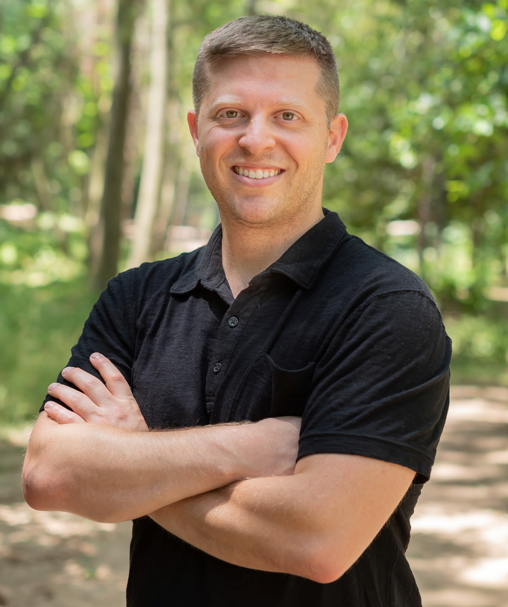

Guest
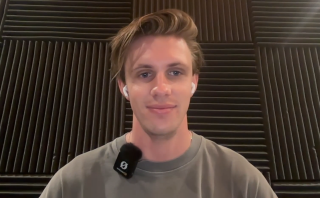
Gabe Lullo
CEO, Alleyoop
Gabe Lullo is the CEO of Alleyoop, an 8-figure sales development agency with over 100 employees. He reveals his exact method for achieving a 70% reply rate on LinkedIn DMs, explaining why most LinkedIn outreach fails and the psychology behind messages that actually get responses, including using LinkedIn voice notes which get 7x more replies.
Chapters


Build Executive Visibility
Press placements on CNBC, Bloomberg, and MSN.com,
guaranteed, from one 30-minute interview.
Extracted into a month of content: press, LinkedIn posts, and video, so investors and buyers find real credibility before the first conversation.
Distribution through a channel with 2M+ real views
Full Transcript
Sean Weisbrot: Are you spraying and praying with your sales approach, or are you building an actual sales machine? Today I am joined by Gabe Lulo, the CEO of AlleyOop, an eight figure 100 plus employee sales development as a service agency, and we break down what it really takes to build a high converting sales funnel, the difference between a CEO and a founder, and how to create content on LinkedIn. As well as DM people in a way that makes them truly want to respond to you if you want more engagement, better prospects, and smarter sales process. This episode is for you, what's the most important aspect of someone's funnel?
Gabe Lullo: The top of it, um, you know, you have to make sure that you always are constantly having pipeline. You're always constantly, uh, having new conversations. Your calendar's always full with new and, uh, new people to talk to. And, uh, never rely on, you know, those deals that are gonna be closing. You always have to make sure that your pipeline is full, and that would be the most important thing.
Sean Weisbrot: So how can someone determine the best way to create their top of funnel if they don't have one yet?
Gabe Lullo: I mean, start having conversations, right? You know, even if you're a founder or a full cycle sales rep, I mean, you have to ask yourself, you know, are you having conversations? Are you time blocking prospecting into your daily method of operation, uh, no matter where you fall within the, you know, the go to market side of the business? So setting time aside to. Prospect daily is more important than prospecting a lot, right? If you spent all of Monday prospecting and didn't do it Tuesday, Wednesday, Thursday, Friday, uh, it's not valuable. But if you spend an hour every day doing it, it's significantly more valuable and you technically spend less time doing it. So that's how you have to have to schedule it and make sure that it's being done no matter what.
Sean Weisbrot: And how do you determine where you should be going in order to start those conversations?
Gabe Lullo: Well, you have to think about where your audience is, right? So with my company, my audience lives on LinkedIn, right? That's where they are. I talk to executive salespeople and so we'll fin our audience is they're sitting on LinkedIn, uh, they're sitting in, you know, conferences, they're sitting in, uh, you know, you know, slack channels and, and you know, revenue communities. And that's where we want to talk to. So if your audience is sitting on Instagram. You should be obviously prospecting through Instagram. If your prospect picks up the phone more so than let's say a chief technology officer, then you wanna be utilizing the phone as a channel and you wanna be talking people, talking to people where they live. So go where your audience is and use the channels in which is most, you know, uh, the propensity of picking up or the propensity of responding is, is higher. And that's how you wanna prospect.
Sean Weisbrot: How many channels should someone start with once they've identified the right uh, candidate? The right ICP.
Gabe Lullo: I always say, use all of the channels until you find out what the data will tell you to determine what the best channel is and double down there, right? And you can look at it as a multi-channel or omni-channel approach. You know, some people and people are different. You know, some people gravitate and resonate to email and that's their favorite channel. Some people like being on the phone, some people like chat, chatting on dms, on LinkedIn. I kind of like to ask them, Hey, what's the best way to get ahold of you? In my initial outreach, and then let them de determine where that is, because everyone is a little bit different. And then just know that, and then when you're trying to attempt or continually communicate throughout the entire sales cycle, use their preferred channel. But it's fair to ask what their preferred channel is. But that's just on a one-on-one basis. But overall. You know, most salespeople pick up the phone because they think it's a potential lead or calling them back, right? So if we're reaching out to salespeople, then we would wanna use the phone more so than not. Other areas, if you're going to cybersecurity, you know, usually those people like to email. They don't even have a phone number listed anywhere, so you're gonna have to kind of go towards that channel.
Sean Weisbrot: Yeah. Personally, I cannot stand email and I cannot stand social media.
Gabe Lullo: There you go.
Sean Weisbrot: I, I love calls. If someone calls me, I'm very happy.
Gabe Lullo: And that's so funny 'cause I was just on the phone with a CTO yesterday and a CFO. Now think about the title, both of them. And we're talking to 'em about cold calling campaigns and they both immediately said to me like, why would we ever do this? I never pick up the phone for anyone. And I'm like, well, you're not the only person in the world. Right? So your, your response is the exact opposite of theirs, but theirs makes sense. 'cause that's stereotypically what they would say in their personality. And, and, you know, persona, if you'll,
Sean Weisbrot: if a CTO and A CFO are part of an organization, I would never expect them to have any external calls. It doesn't make sense.
Gabe Lullo: Right.
Sean Weisbrot: But if they're fractional, then I would expect them to get over it, because if not, they're not gonna have a fractional business.
Gabe Lullo: Correct.
Sean Weisbrot: And this is something that my close friend is facing right now who, he was the COO of my last tech company. And he never had any reason to talk to people externally.
Gabe Lullo: Right.
Sean Weisbrot: And I did all of the external work as the CEO. And he now has his own agency and I invested in his agency. He came to me and he said, I have this idea. And I said, sure, here's money. Go start it. He said, I'm gonna be the CEO. I, I, I would love your support. I would love your advice. I would prefer you not to be a part of the daily operations. I want this to be my own thing. I want to learn how to be my own CEO. And the constant struggle with him is he struggles with sales, he struggles with marketing because. He's, uh, his degree is in physics. He discovered operations as a function of something like physics, which is, it requires, uh, you know, being very orderly. Having defined parameters and testing them and making sure that they work right. So he is very well suited to operations being coming. The CEO is very different for him. It just, it's, it's something he has to learn how to do. Where being a CEO is something that I think has very natural for my personality, where I've struggled with. Is in the operations and the technical and, and all, I mean, not struggled so much, but when I first started that company, I didn't have a lot of the skills that I do now. And so those were things I had to struggle through. Um, so yes, if they're already working on, uh, something internally there, then there's no need. But if they're trying to be a fractional, then they have no choice but to suck it up and, and be a CEO.
Gabe Lullo: Yeah, I mean, it's funny because I'm not a founder, CEO, we have a founder and I'm a CEO and, and the CEO is my job title, right? And so I think a lot of companies who are starting in startups or you know, com founders who start their business, they just put CEO as a title on their, you know, resume or on their business card. They're the owner of the company, but in reality, there are specific job descriptions of the CEOI. I think the CEO is is responsible to do four things, but at the end of the day, that doesn't mean you have to be the CEO just because you're the owner. I have a lot of friends of mine that are software developers, product guys, engineers much smarter than me, uh, and can build the product. That doesn't mean they should be the CEO of the company. And I've worked with a few, uh, individuals who were smart enough to know that, Hey, listen, I'm not a CEO, but I created this amazing product. I'm an engineer and I wanna own the company, but at the end of the day, I can't do the things that A CEO should be doing in their job description.
Sean Weisbrot: I've had this conversation before with other founders that I've worked with where they're like, yeah, I'm the CE. I'm like, no, you're not. You are the CTO. Like there's nothing wrong with you being the CTO and hiring someone to be the CEO, but it's my baby. But you don't know how to do that. Someone else can do that better for you, right? Um, so yeah, people struggle with that. I, because they don't. They don't know Absolutely. Where I'm, I'm very, very clear. You asked me to be a CTO. Like Sure. I vibe coded my own software that I've launched and I have customers paying for, I'm not a CTO, I don't have a technical background. I don't have a CS degree. I taught myself how to vibe code because I had business process experience from my last tech company. I earned that experience, but I'm not A CTO. I'm A CEO who was able to develop a software with an ai.
Gabe Lullo: Yep. I mean, it's rare. You can do both, right? It's rare that, you know, you have the opportunity to do both. But if you do, you know, know it, but just it's all about self-awareness, right? Just because someone, again, you said before, absolutely no problem, no issue to be a CTO of a company and be the owner, uh, doesn't mean you need to be the CEO in any, in any way. Uh, like I said, it's a specific requirements that you need to have to do that.
Sean Weisbrot: So let's get back to funnels.
Gabe Lullo: Okay.
Sean Weisbrot: You know where your ICP is, you're testing out your channels, you're trying to figure out those things. What's the best way to get people to, let's, let's say your, your channel is DMing on social media. A lot of people talk about Twitter, dms, LinkedIn, dms, all of these things. How do you get people to actually respond if you're doing cold outreach by DM on a social media platform?
Gabe Lullo: So my response rate on dms on LinkedIn is seven per 70% or seven out of 10, which is insane. Now, I've been working on this, and I don't say this to be bragging, I've been trying to figure this out for years, and what I do is I do pretty much the opposite of what everyone is is typically seen, right? A lot of people on dms in LinkedIn specifically, they're using automation tools. They're thinking that it's like email, right? I think it's funny when someone dms me and that says, hello Sean, I hope this finds you well. And then it blo three paragraphs and then literally their, their name at the signature. I'm like, I'm on your social media. We're connected. I can see who you are when you literally send this to me. There's no reason for that. And so when people are approaching it that way, I think that is absolutely just noise. And people kind of run away from automation. And again, if email isn't working, why would we be looking to write an email just on LinkedIn? So that's the exact opposite of what you wanna do.
Sean Weisbrot: I found from LinkedIn dms that people are very quick to connect and they're very quick to auto, auto share their newsletter for you to join. And when you say Hi, how's it going? They just don't respond.
Gabe Lullo: So my response is I like to kind of cut through the noise. I'm a huge fan of voice notes. Um, statistically speaking, seven out of, uh, it's about a seven x, um, response rate. If you did a me text-based message versus a voice note, uh, video notes are even available now. Which I think is amazing and there's a very high response rate as well, but it's clunky in the workflow and it's pretty intensive. But at the end of the day, if you really wanna get ahold of someone and they're the right person, do it. But I think voice notes are fun and they're really, uh, again, a great way. And it's like a phone call, but it's, it's, it's not because it's your voice. And at the end of the day, it's not live, but it is cutting through the noise and it's kind of mysterious 'cause you don't know what that is. Right. You wanna kind of like. Play it and listen to what they have to say. So it definitely, if you can catch 'em at the right time, it, it, it's effective. And that's what I like to use.
Sean Weisbrot: So let's say, for example, we're on LinkedIn and you wanna pitch me to be a guest. Obviously that's not how it happened, but let, let's say you wanna pitch me through LinkedIn to be a guest. What would your voice note be?
Gabe Lullo: It would be super relevant and personal. And I would be talking about your LinkedIn profile as I'm going through it. So I would, you know, reference, obviously I would be using your name. I would say, Hey, this is Gabe. And then I would be noticing, Hey, I noticed you did this and I noticed you did this, and you know, I really appreciate what you just posted here yesterday. Whether it's a post about what you know, a blog or a newsletter or even a fun post. If it's a picture of you and your family. Like, hey, love this. You know, I'm a big fan of what you're doing right now and your follower account's really impressive. Uh, so you'd be definitely an ideal fit for our podcast. Not sure if that's something you'd like to do and then leave it there. You only got a minute, so I would do that. Send it, be hyper personal, just like I'm talking to you over a, you know, a beer at the bar about what you do, and then see if they respond and, uh, and go from there.
Sean Weisbrot: Okay. I, I struggle with LinkedIn because there's so many things that people say and do on the platform that make me hate using the platform. Like, I had a woman who reached out to me two days ago who her profile says she's a TEDx speaker and she's a this, she's a, that, whatever. And she sends me, uh, an InMail and she says, I love your podcast. I just want you to know I shared it with my community. I run a ref, you know, a, a speaker referral community. So I would love to get you more guests for your podcast. I'm used to working with PR firms and podcast booking agents. They don't charge me anything for that service. It's typical and she had a link at the end saying, you know, check it out. I thought what I was clicking on was her talking about my podcast to her community. What it was, was a landing page to get me to pay a hundred dollars a year to join her community, to get referred to be a podcast guest. Something like this. Yeah. And so I sent her a text message back and I said, why do you think I would pay for this? Like I, one, I'm a stranger, and two, I have tons of people bringing me guests all the time. Why am I gonna pay for this? And you're, you're sharing me a, a, uh, this paid link, but it's not, you know, you, you're saying one thing and you're sharing something different. You're, it's, it's, uh, just strange and and awkward. I said, if you wanna send me guests, these are my requirements. Here is my email. And she said, I'm not gonna send you any guests because you are rude to me. And I said. I would be nice to you if you didn't act like that,
Gabe Lullo: right?
Sean Weisbrot: If you shared this thing with strangers, I'm sure they would all be pissed off with you.
Gabe Lullo: I mean, first off, there was zero personalization at all in that, that to me sounded like a an HTML newsletter, email. And you referenced the word I three times when you were talking about what her pitch was to you. I do this, I do this, I do this, and that's how she approached you on it. I would do the exact opposite. I would just start a conversation asking if there's any issues or problems or, you know, figuring out what it is that you're looking for and what issues you may be having or struggling with. And if that is something that you know is casual way of asking it, and you're focusing on the person's problems, if at all. And then you prescribe what you can do to help. I mean, sales is like being a doctor. First off, you have to figure out what the problem is, and then you prescribe obviously medicine or a remedy. And it's the same thing. You gotta figure out what the issue is, if there is an issue, determine if that issue is valid, and then what do you prescribe to fix that issue. And if you offer that, then it makes sense and it's a fit. And that's how I look at, you know, any way of selling anything. But from her perspective, she's just trying to spam people to sign up for her thing.
Sean Weisbrot: I, I think where I am frustrated as well is that oftentimes you are saying, you know, trying to be a doctor. But when I get pitched, I get pitched by email all the time, different things, not and, and not guests. When guests pitch me, I'm happy to look at them legitimately, but I get pitched so many things, a lot of them around, uh. Marketing or cutting my videos, or some woman just came to me wanting me to create a Spanish language channel for, for my podcast where she would use an AI to dub my videos, which actually, uh, is interesting to check out. Sure. Because she's willing to gimme two months for free. Okay. Um, but these other people, they're like, I noticed that you have 75,000, you know, views from the last few days, but I feel like you should be getting a million. I can help you to do that by, you know, editing your videos and like, I have someone that edit my videos and they're doing a perfectly good job. Thank you. I don't need you to email me. Don't do it again.
Gabe Lullo: Right. Well, think about it. You're already established. You obviously already creating videos. You know, the fact that you have 75,000, you know, proves that you probably have a video editor, right? So my approach would be simple. Say, Hey, listen, I'm sure you have amazing video editors. Uh, you wouldn't be where you are at today without them. Um, I'm not sure if you are gonna be struggling at all with, you know, having bandwidth issues as you're producing a lot of content. Uh, but I'd love to fill in the gaps when needed. If, if it's worth a conversation, love to say hello and meet you, and then down the road you can think of me when you need support. That's such a better way of approaching it.
Sean Weisbrot: It is
Gabe Lullo: legitimately what you would probably do. You'd probably meet with the person, you would say, yes, I do have a videographer. I do have a great team, but I am scaling and you know, when they actually are planning on having a kid two months from now, so they're gonna be out, I'm gonna have a gap and maybe you can come in and and fill that gap for me at that time and then build the relationship. And maybe that is your. Second videographer, but that's how you open the door as opposed to, Hey, buy this from me and, and, and move on to the next prospect.
Sean Weisbrot: Yeah, that's, that's actually a much better pitch and I probably would entertain it just for the conversation, although luckily for me, my editor's 19. So he's not thinking about any of those things.
Gabe Lullo: Yeah, exactly. Exactly. But here's another way, and you could, the conversation would probably start there. You would probably tell me in that sales process that he's 19 and you don't need anything, but then you turn it into a referral opportunity. You, you're known in the industry. I'm sure a lot of people look up to you because of how successful you are right now with your podcast and ask you for advice. Um, they may not have the bandwidth or the capital to have a full-time videographer like you, so I'd love to be a resource to them. If you can introduce me when you, when you come across those individuals who ask for support, I'd love to, you know, love to offer that opportunity to your friends.
Sean Weisbrot: That's a, another issue I struggle with is a lot of people want me to promote something that they're doing as a referral to somebody, you know, to, to the other people. I've, I've had someone who said, I would love to be like, I, I'm launching an influencer marketing segment to my marketing company. I would love to be able to represent your guests because they're obviously doing podcasts like, uh, promotions because they want to improve. Such and such, blah, blah, blah. So maybe I can be the one that helps you do that. I'll give you a commission. Here's how much you would make, blah, blah. And I was like, well, I like you and I like the idea, but I'm building this software company and I would rather promote my software company to the guests if they're a right fit. If they're not a right fit for that and they might be a good fit, I would consider it. But don't expect anything to happen.
Gabe Lullo: Sure.
Sean Weisbrot: Because everybody's trying when you. Are the founder of something that's social like this. Everyone wants a piece of you and everyone wants a piece of your network. And I discovered this many years ago when I was doing my, uh, English language event in China because everybody was desperate to get time to talk with me. And I had to learn how to guard my time because if I didn't protect it, people would just take advantage. So I learned, you know, 13 years ago how to start caring for my time.
Gabe Lullo: Yeah. One thing for me, right? When I started off in sales, you know, I wanted to hear the word yes so many times, right? 'cause you hear the word no so many times. So I was addicted to the word yes. And it's like a drug for salespeople, right? But then I just started saying yes to everything else, A as, as an ask of me, right? And so then I had to realize, hey listen, you gotta say no more than you say yes. I'm like, what? I hate the word no, but at the end of the day, like you have to protect your time. And you know, now as you get bigger and bigger and bigger in sales and in corporate America and in business, you know, I had to hire, uh, an executive assistant and I'm like, I don't need an executive assistant. I can manage my own calendar. It's the greatest thing in the world because now she's my gatekeeper and she protects my time. That's her entire job, is to protect my time. And that was the best investment I ever made for me personally and allows me to be a better leader. So yeah, saying no is hard, especially if you start off in sales. But it is the most important thing, uh, when it comes to your sanity, I guess, more than anything.
Sean Weisbrot: Now, did you hire someone to like virtually, or are they nearby or thick? Come to your office or how does that work?
Gabe Lullo: Yeah, well, I'm a fully remote company, so we have 150 employees that all work remotely, including her. So we don't, uh, she doesn't work in a physical office, but, um, we, we do see each other a lot through corporate events and, you know, internal meetings and things like that. But yeah, we work at, we work fully remote and, uh, we talk a a a lot throughout the day, so we're on video a lot. Okay, good.
Sean Weisbrot: So back with, with funnels and channels and, and all of that. So let's say you've, you've figured out how to approach people in a way that doesn't piss them off. Yeah. How do you get them to go on a call with you so that you can pitch them?
Gabe Lullo: Yeah, so I always look at, don't try to book meetings. Now I'm in the business of booking meetings, but when I say that, I mean it's, it's not transactional, right? Like you have to look at the meeting as a further or deeper discussion from the initial conversation. So when I'm approaching an initial call and I'm teaching my team to do the same thing, it's let's figure out if there's a spark there and if the spark is there. Okay. Then let's go ahead and set some time aside. I always look at it and I call, you know, sales development. You're the trailer to the movie. The new F1 movie has been promoted for the last two years, and everyone hasn't been able to see it yet. Now think about that. It's, it's, it's a, the trailer is getting you excited to come to the, come to the movie and in sales. What's the point of having a demo? If there's really no interest? What's the point of having a demo if there's no pain? What's the point of having a demo if a prescription isn't warranted? So when we look at the initial call. Or the attempt to book a meeting. It's about does it make sense to have a further conversation so we can both focus on this and not be distracted with all of our other things going on? And that's how you have to look at the meeting. It's just an extension of the initial call.
Sean Weisbrot: I want to go backwards a little bit because something that people may or may not to, let's, if we focus on LinkedIn in particular, is creating content that gets people to want to reach out to you. Yeah, so if your focus is on top of funnel, what kind of content should you be writing on LinkedIn or creating on LinkedIn if it's not text that gets people to want to reach out to you?
Gabe Lullo: So my whole mantra is calls and content, right? And so that's what I believe in, and a lot of people think content is just an inbound engine. The way we approach content is different, and I don't know if different as in normal B2B content. We decided to do this three years ago and I picked 10 people in my company and I said, Hey, listen. I'm going to build a team around you with videographers and content creators and social media marketers. But you guys are going to literally, we're gonna do a documentary like you would watch, you know, uh, your documentary on, on, uh, e or whatever you watch your, your, uh, your reality TV shows. And we're gonna do a reality TV show, if you will, of what we do each and every day. And that's the type of content we're gonna produce. Right now we're producing 250 videos and pieces of content on LinkedIn a month from just my employees. And everything we talk about is real life stuff that's happening at work and things we're dealing with and fixing and challenges. And that's the way we've approached our content and has nothing to do with a sales pitch. And what we found is that people just trust us. Have social proof of, hey, who these people are. And when we do have those conversations, uh, it turns into one that we don't have to be selling as much as, you know, prescribing what we can help them with. And that's how we've approached our content.
Sean Weisbrot: What if they don't have any customers yet that they can share about?
Gabe Lullo: Yeah, I mean, I think that's the biggest thing is we have to figure that out, right? If the first company comes to us and they have zero customers, are you looking for customers or are you looking for product market fit? Are you looking for customers or are you looking to make sure your product is completely dialed in, in your features and your tools and your, your, your price at the right way? It's not just about attracting customers. Now, of course. Everyone wants customers, but we also have to know some things before we go to market. And doing that and creating content about about that is really, really good. There's some people right now who are literally in startup bootstrap modes, and they're just talking about all their failures when they're doing what they're doing on business, and they're exposing their entire business plan to LinkedIn. You know, one guy, Adam Robinson, went from 20,000 followers to 120,000 followers in the last year alone because he is doing that. So, and again, zero customers when he started,
Sean Weisbrot: I interviewed Adam about four years ago on the podcast. He's one of my first guests. Yeah. Yeah. And at the time, his company had gone from zero to 6 million in revenue in like a year.
Gabe Lullo: Yep. Talk about exposure. He exposes everything he's doing. I mean, he shows his CRM, he shows, you know, his churn rates and, you know, that's, that's, you know, again, very exposed. Um, but it's working. And we, we do very similar stuff as Adam. I think he's doing it the right way.
Sean Weisbrot: So for someone like myself who's launched this software. Do I like expose my cursor screen share where I show how a bug has appeared and I'm trying to fix it. Like what am I supposed to do to generate that? I mean, 'cause it, the goal is cost cutting, but also it's around, I've built this thing myself, so it's building in public, but it's technical and not,
Gabe Lullo: yeah, I mean, I wouldn't go as technical because that's not your audience. Right. So when, for instance, go backing to to Adam, like. A lot of what he does is programming and technical, but his buyer is not that, right? His buyer is entrepreneurs who are, you know, one to $10 million companies that his tool will work for in a big way. So he's figured out, okay, if that's my buyer, then I need to relate to bootstrap CEOs and founders who have smaller companies like me, by the way, and I'll just attract them by talking about my business. See the best thing to do when selling is it's try to be the product of the product. Right. You know, that's why we have a very robust team here. So when we're calling somebody to call, to call to, to sell our cold calling services, you know, our reps who are making those calls on behalf of our company, they need to be the best in the world. They're literally a product of the product. And so try to figure out a way where you can look at who your buyer is going to be for the product and relate to those, uh, individuals by how you share your content.
Sean Weisbrot: So let's say for example, my customers are seven to nine figure brands. Probably not even nine. That might be too big. So figure half a million in in expenses to 20 million in expenses, or 30 million in expenses a year, right? 'cause it's cost cutting business. So my focus is less on revenue and more on expense. I'm probably targeting the CEOs, but I might be targeting their CFOs if they have one.
Gabe Lullo: Yep. So step one, I mean, if you're doing organic LinkedIn content, who are you connecting with? You can right now connect with 150 people a week on LinkedIn, period. I don't care how much you pay LinkedIn, I don't care how much you sign up for, whether it's recruiter or, or you know, uh, navigator, like you only can connect with 150 people a week. So are you one connecting with those pers those CEOs and CFOs?
Sean Weisbrot: I am not.
Gabe Lullo: Yeah, so you also don't wanna do 150 in a day 'cause LinkedIn's gonna flag you and think you're a spam bot even though you're not. So here's how we do it. We do 30 a day every day, Monday through Friday. That's 150. So 30 connections a day, every day, Monday through Friday, and you just have to chip away at it. And you wanna also look at, okay, if I'm gonna connect with a CEO or CFO, do they have premium LinkedIn? Because if they had premium LinkedIn and pay a hundred dollars a month for it. They'll probably be on LinkedIn more than someone who doesn't. And there's a little badge next to everyone's name who it'll tell you if they have premium or not. Yeah. So now, okay, am I connecting with 30 a day? Am I connecting with the right people every single day? And am I connected with people who have premium? 'cause they probably will connect back 'cause they probably pay for LinkedIn or they definitely pay for it, but they probably are on it more because they pay for it. And even a step further is why don't you connect with the people who are liking. All of the type of competitors that you are going against. So if you see people who are CFOs and CEOs who have a LinkedIn premium badge who are liking and coming and engaging on your competitors' LinkedIn posts, those are the people you should be connecting with every single day. And then popping out content will be going ahead and warming them up and then sending a voice note on LinkedIn to them directly will get their attention. That's how you would do it.
Sean Weisbrot: Brilliant. I love it. That's, that's more value I think I've gotten than from any anyone else I've talked to in a very long time about this specific thing. Thanks. So what's the most important thing that you've learned in everything that you've been doing in this industry in the last many years?
Gabe Lullo: Yeah, it's content and, and not to double down on it, but you know, I've always prescribed to the cold calling function for decades, and I'm not saying it's going away, but it's definitely harder. And so doing cold calling is harder than I wrote before, but it's still the best way to get someone and fastest way to get someone to say yes to wanting to, to, to, to meet and or do more, uh, discovery. However, the content game I slept on for a long time and admittedly I just didn't know the power of it or I was afraid to do it or I didn't, you know, feel like I was comfortable to get on a camera and do what we're doing today. And so once I started. Doing that, uh, a huge volume of, of business started coming in and we've been only doing it for three years. I wish I, to your question, did it, you know, 13 years ago.
Build Executive Visibility
Press placements on CNBC, Bloomberg, and MSN.com,
guaranteed, from one 30-minute interview.
Extracted into a month of content: press, LinkedIn posts, and video, so investors and buyers find real credibility before the first conversation.
Distribution through a channel with 2M+ real views
