Would You Rather Be a CEO or COO?
What if the reason your business feels stuck has nothing to do with your strategy, and everything to do with who's missing from your team? In this episode, Sean sits down with Derek Fredrickson, a seasoned operator who spent fifteen years as a COO before building a company that delivers fractional COO support at scale. Derek breaks down exactly when a fractional COO makes sense for your business,

Guest
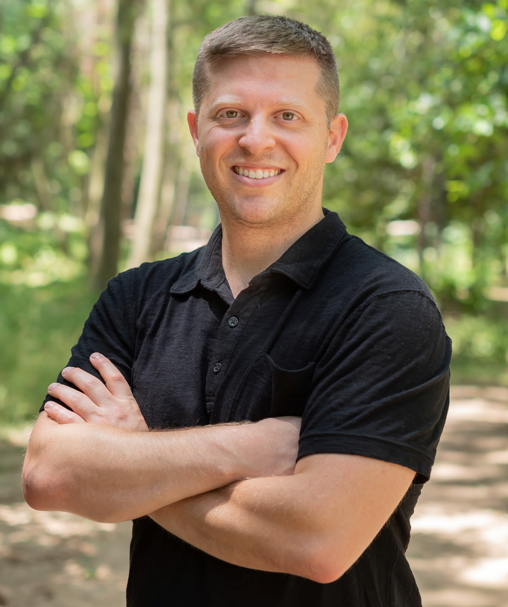
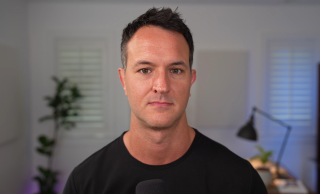
Derek Fredrickson
CEO & Founder, The COO Solution / Fractional COO, The COO Solution (thecoosolution.com)
Derek Fredrickson is a seasoned operator with fifteen years of experience as a COO, including a decade leading operations for his wife's business coaching company, before transitioning into fractional COO work. Recognizing the limitations of solo fractional work, he founded The COO Solution, a team-based model that delivers fractional COO support to twenty to twenty-five companies simultaneously. Derek specializes in helping founders between one million and twenty-five million in annual revenue build the operational infrastructure needed to scale, focusing on leadership accountability, execution systems, and second-in-command support.
Chapters


Just raised, acquired, or launched?
Guaranteed CNBC, Bloomberg, and MSN.com coverage from one 30-minute interview,
timed to your milestone while it's still news.
Raises, acquisitions, product launches, and major hires create a narrow window where third-party press stops being optional. We turn that moment into a month of content.
Distribution through a channel with 2M+ real views
Full Transcript
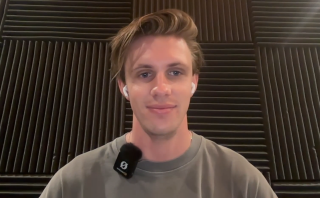
Sean Weisbrot: What's harder for you? Being a COO or a CEO?
Derek Fredrickson: Yeah. That's a great question, Sean. I've worn I've worn both hats. I've been a COO for for fifteen years and a CEO for two years, and I've worked with both. I would say at the end of the day, I would say the CEO is the harder role primarily because they're carrying the risk. Right? It's their business. It's their company. At the end of the day, they're responsible for the growth, the scale, the vision. They own the p and l. The COO was a big contributor to the success of that. They're the ones that can execute on that vision of the CEO. But at the end of the day, it's their business. It's their responsibility. They take that ownership. They take that risk of trying to make that happen. So I would say, if I had to choose one, it's probably harder to be a CEO than it is to be a COO, but they're both equally challenging in some respects.
Sean Weisbrot: So if that's the case, why do you persist in having your own business rather than just being someone else's COO?
Derek Fredrickson: For me, it's a great question. I could, and I've done that. I was the COO for over ten years in my wife's business coaching company. That's how I got started. And then I did fractional COO work for a number of years for other companies. When you're a fractional COO, the work is rewarding, but could also be quite taxing because you're managing a lot. Right? For one particular client, for one particular company, you're you're working with the founder CEO. You're you're usually leading their their leadership team, running meetings, running scorecards, holding team members accountable, hiring, firing. There's a lot. Projects, etcetera. And then when you do that at scale for a couple different clients, if it's just yourself doing the COO work, it can be a lot on your brain. Right? You can have lots of different meetings, lots of different Slack channels, lots of different project management tools, and sometimes hard to kinda pivot back and forth. And in the end of the day, you can feel kind of taxed, if you will. And so for me, I couldn't scale that when it was just on my own, and I knew I wanted to take what I had done individually for other companies and spread that to more companies that need that second in command support. So for me, I made the decision that the best way for me to provide that service and the model was to bring in other COOs that could help me do the work for those companies. So instead of working with two to three fractional COO clients, companies as their fractional COO, We have now twenty and twenty five. Right? And I've got a team that can basically provide that service. So for me, it was basically leveraging what I had done, tapping into the market of fractional COOs that love to do that type of work, and then just building the framework for us to provide that at a bigger scale for more companies.
Sean Weisbrot: What is the right time for someone to consider bringing in a fractional if they can't afford someone full time?
Derek Fredrickson: Yep. Great question. In my experience, fractional can work all the way up to about 20 to 25,000,000 in annual revenue. Anything above that range, in our experience, the idea of fractional starts to spread too thin. You really need a full time operator at that scale. If a company, you've got sizable operations, a sizable team. The idea of fractional is just gonna be tricky. At a starting point, I would say at least to be at a million or more. Right? Low multiple seven figures. I know there's a lot of companies out there that are are trying to break that 7 figure threshold, and we applaud them and celebrate them, but they often say, I want a COO, but in reality, you don't really need a COO. What you really need is just to do more of what you're already doing. Maybe you need a online business manager or an ops assistant or, you know, project manager. But for companies that are at low multiple 7 figures up to about 20,000,000, fractional works really, really well in terms of just the business size. In terms of when they may feel like the need is there is usually when they've realized that when they've been trying to grow and scale and it's not been happening fast enough. Right? It kinda feels like they're pushing the the boulder of their business up the hill, and it's getting bigger and heavier. And it just feels like there's more effort. The day to day feels more exhausting. The meetings feel more tiring. You're spending more time in the business as opposed to on the business, and not just looking at, like, on the business, but also you're spending not enough time focused on the future growth of the business. Right? That's where visionaries, entrepreneurs, CEOs, they should be focusing on what's tomorrow, not so much on what's today. And I mean tomorrow, not just tomorrow, but next month, next quarter, next year. And they realize that they can't do that because they're so bogged down in the day to day. So when they realize that in order for them to grow and scale, it actually is a mindset shift to get them out of their own way and realize that if they bring somebody in, like a fractional COO, whose zone of genius is running other people's companies, where they're the bridge from the vision to execution, that's where I think they really become aware that that's a better model, a more sustainable model for the growing and scaling of their own business is realizing that they're not supposed to do it on their own, and they're not supposed to be doing the things that they're probably doing that are taking the time, energy, and effort away from focusing on where they want to be.
Sean Weisbrot: I feel that pain now, and I don't have revenue yet for this new software company. I'm doing everything from product design, customer service, you know, feedback, debugging, coding, outreach. I do all of it. And I constantly feel the pain of not being able to do enough. So do you have any advice for someone like me that's just getting started in a particular project that they want to commercialize where you know that you would benefit from help, but you can't justify the cost of that help? How can you handle it on your own? Because when I'm coding, I'm not doing outreach. When I'm doing outreach, I'm not fixing bugs. When I'm writing content, I'm not able to be on a podcast. Right?
Derek Fredrickson: Sure. Yeah. Yeah. Mhmm. Yeah. It doesn't I mean, I'll be honest. It doesn't have to be a COO. Right? This is I think it just comes down to getting support in your business, delegating, outsourcing, systematizing the things that yeah. You could be doing those things, but at the end of the day, should you be doing those things? And I'm using you, Sean, as as an example because you asked the question, but I say that often to a lot of founders that, listen, in the beginning, they were the jack of all trades. They did everything. Right? They they they swept the floor. They opened the door. They welcomed the clients. They did the sales. They did the marketing. They managed their calendar. And at some point, they realized, well, maybe I should be maybe bringing in an assistant, right, or somebody like a VA that can take off some of the more mundane routine administrative tech tasks and activities. So you outsource that. You delegate that. Right? We all know that if you're worth whatever you're worth by the hour in your own business for those activities that only you could and should be doing, and you can bring in support at a much affordable rate per hour to get those things off your plate. That's that's one zero one of delegation. Right? You're investing two to get back 10 as an example. Right? And I think part of that is looking at those activities that you're doing, which are the ones that are absolutely necessary that only Sean should be doing. If it's coding, then code. If it's fixing bugs, then fix bugs. But if it's doing something else, it's awareness. If it's doing something else, there where you're realizing there could be somebody that could do it for me, better than me, and more consistently for me because maybe it's the activity that you don't enjoy doing. So you either procrastinate, you drag your feet, maybe you're not very good at it, but you get it done because you're the only one. You can bring somebody else in, train them, show them, give them a process of how to do what you do in the Sean way, and that starts to free some time up. Even if it's just a couple hours a week, I think that's the starting point. Doesn't have to be full boat. I need a COO. I mean, even some companies at that level are like, I need a COO. Like, no. You don't. Actually, what you really need is somebody like an ops assistant. Get a VA. Get somebody to take five, ten hours off your plate of the things that are draining your time, energy, and effort where you're not the best one at it anyway. And then it frees up that time to invest in the things that only you should be doing, the things that light you up that are really gonna move the needle. So it's having that distinction and awareness, and and I think just investing in, right, investing in team in a way where it's not an expense. It's an investment to get your own time back.
Sean Weisbrot: Yeah. I I think the thing that would drive my business forward very quickly right now is to have someone that were to do the sales calls and close. Like, if they were to do the because, like, right now, I'm doing founder led sales in the form of a demo. The goal being get them to create an account in front of me
Derek Fredrickson: Mhmm.
Sean Weisbrot: and have them go through the first time experience with it and end them with, like,
Derek Fredrickson: Sure.
Sean Weisbrot: you're on a paid trial. And it doesn't always work like that.
Derek Fredrickson: Mhmm. Yeah. Yeah.
Sean Weisbrot: And so, Yeah. I wish I had someone that knew how to do all of that better than me who's closed deals like that because I've I haven't.
Derek Fredrickson: Sure.
Sean Weisbrot: I've just done a bunch of them, and I'm learning as I go, which is super important.
Derek Fredrickson: Yeah. I think if I could just add, I think that's a huge distinction.
Sean Weisbrot: But yeah.
Derek Fredrickson: There are a lot of founders, especially when it comes to sales. I I say it's the sales and the product. That's usually the rub. The product is that it's them. Right? They've always been the product. They've always delivered the service. They've always had the relationship with the client. So for them to feel like they can step out in some way, it doesn't have to be black and white, all or nothing. It could be somebody else. Bring in the mini me. Bring in somebody that could do 80%, and you bring in the 20%. Right? It's kind of like the, like, the the dentist visit. Like, the dentist doesn't clean every patient's teeth. The hygienists do when the dentist comes in for the five minutes, like, shake your hand. How you doing? Everything looks great. Right? So there's that in the product. But on the sales side, there are a lot of founders that love sales. They love building relationships, creating that rapport, you know, because they're selling the product. They're selling them. They're selling the service. And the founders that kinda feel trapped in both is where it's difficult to scale. So I think for you, if what you've shared is doesn't sound like you're jumping up and down to do sales calls all day and run demos, then great. Get somebody else in who loves doing that. That's their strength. That's their zone of genius. That's their wheelhouse and have you stay in the product box. And for other founders, it might be, I love doing sales. I love doing calls with prospective clients. I could do that all day long. Great. Well, then get somebody to cover the product box. Right? So there's that distinction of being able to understand that if you're looking to grow and scale, you can't be in every box all the time. You can bring in people that can help you move that forward.
Sean Weisbrot: The the draw of AI is that you can do both at the same time. You know, for example, I did a demo yesterday with a guy who he uses Zoom for his workflow, and he was said, look. I'm happy to try this if you implement Zoom. And I said, well, I'm actually testing it right now. It should be ready later today. He's like, great. When it's ready, come back and talk to me. He had also had suggested this really cool idea where people could brief the AI by, like, just putting a file dump, just like some, you know, few few thousand characters about you and your business and who you're writing for, who's your audience, why blah blah.
Derek Fredrickson: Mhmm. Sure.
Sean Weisbrot: And at first, I was like, I don't really know. After the call, I thought about it, and I said, actually, this is, like, literally a five minute implementation for me. It ended up being an hour because I took it took five minutes to code, and then it took fifty five minutes to, like, make sure the UI was perfect.
Derek Fredrickson: Right. Okay. Yeah.
Sean Weisbrot: Because the AI doesn't code the UI very well. You have to fix it. So
Derek Fredrickson: Yeah.
Sean Weisbrot: being on the call, I got to see this person. I got to learn about something that I was missing that could be part of the learning loop that I've built into my system.
Derek Fredrickson: Sure.
Sean Weisbrot: If I had someone else doing that call, they wouldn't have had the authority to give me they they could just give me the sales call, and I could watch it and then, oh, okay. Then we've learned something. But I didn't have the relationship with the person,
Derek Fredrickson: Yeah.
Sean Weisbrot: and then there's a disconnect. And so, like, I like the call. I like the demo. I like getting the feedback. I like being able to then go and implement that immediately and say, hey. Look. I implemented it. Let's start your trial now, which often
Derek Fredrickson: Yeah.
Sean Weisbrot: doesn't happen. And but, like, I'm learning, and I I I like all of it, but I need it to translate into sales. And I feel like a self serve software model is what everyone strives for. But I also feel like when you're pre revenue, you have to do those sales. You have to do those demos. You have to learn from people
Derek Fredrickson: Yeah.
Sean Weisbrot: so that you know what you're building and why.
Derek Fredrickson: Of course.
Sean Weisbrot: And so I'm I'm struggling with the idea of, like, having someone do that for me when I know I can do all of it,
Derek Fredrickson: Yeah. Yep.
Sean Weisbrot: but then I'm not doing the marketing. I'm not creating the content. I'm not putting myself out there
Derek Fredrickson: Sure.
Sean Weisbrot: as much as I need to. So
Derek Fredrickson: Yeah. I think there's yeah. Well, there's an important distinction with what you just said, which is it's important for you to do those calls to determine the what and the why. And I would add, most importantly, why they're buying. Right? And and that's that's market research. And I I do think at a certain point, whether it's market research to understand who's your buyer, what are their objections, what are their challenges, what are their needs, what are their wants, what are the what are all the the the triggers? I'm not gonna talk about sales from, like, manipulation
Sean Weisbrot: Yeah.
Derek Fredrickson: perspective, but have honest conversations to be like, is this going to work? Is this something that people are going to buy? If not, why? And then you go back and take that market research to go and figure out how to make the product better, how how to make it more compelling, how to get more people to be attracted to it, to buy it, etcetera. That's really important market research. But I think also part of that research is determining what in the sales process you like to do and what in the sales process you don't like to do. Right? I'll give an example with me. I do every sales conversation for potential clients with my company. In the beginning, I didn't think I liked it. I don't consider myself to be a sales guy. I actually really enjoy it now because I get to know the business owner and understand what is really going on. And I do firmly believe that we have a solution that helps. And And if it works for them, great. And if it doesn't work, that's great. So I always go in with no attachment. But at the same time, I'm not doing all parts of the sales. I'm not doing outreach. I'm not doing qualification. I'm not doing scheduling. I'm not I have somebody in my team that does all of that. That's part of the heavy lifting. So when I speak to somebody, they're prequalified, self selected, and already educated on who we are, what we do, and why they may need it. So it makes the sales process a little bit different, but that took some time to develop and understand where do I want to be and where do I not want to be, and then being able to determine where I need help in both of those different categories.
Sean Weisbrot: So I use Boardie AI for that. I don't know if you've heard of it.
Derek Fredrickson: No.
Sean Weisbrot: I swear these guys should be paying me. Like, I talk about this thing all the time for free. But then again, I get to use it for free, so I'm really happy with that.
Derek Fredrickson: Okay. Well, there you go.
Sean Weisbrot: And so Bordie's hooked into my WhatsApp and LinkedIn. So I can chat with it. I can do voice, voice message, voice call, text text message, whatever.
Derek Fredrickson: Mhmm.
Sean Weisbrot: And so I could say, hey, Bordie. I want you to find me a fractional CMO. And so Bordie will look for fractional CMOs in his network inside of LinkedIn, and he'll say, hey.
Derek Fredrickson: Mhmm.
Sean Weisbrot: Here's, like, a sentence about this person. This is their company. Here's their LinkedIn URL. Here's what they're looking for, and here's a caveat, you know, a reason why you may wanna consider not reaching out to them. And if I say, yeah. Let's go ahead. Let's let's, you know, talk to this person. Bordie will create, it'll send a message to the person. If they agree to talk to me, he'll then create an email introducing us. I will then send a response with my demo link for them to book. So Bordie has helped me find the person that I perceive is an ICP.
Derek Fredrickson: Mhmm. Sure.
Sean Weisbrot: They self select their interest in the software, and then they book the demo. So Bordie is essentially
Derek Fredrickson: Mhmm.
Sean Weisbrot: scoring and qualifying and booking calls for me.
Derek Fredrickson: Perfect. That's great. That's amazing. Yeah.
Sean Weisbrot: So Bordie booked me about 20 or 25 demos in the last few weeks, and one person didn't show.
Derek Fredrickson: Okay.
Sean Weisbrot: Everyone else has said, holy crap. This is really cool. Nobody's nobody's bought. So I'm so I I'm I'm working through the where the problem is. I understand there's a habit problem. There's an activation problem. There's there there's things to work through because the offer, I think, is good, and the product is good. I I just showed the product earlier today to a friend of mine I've owned for thirty years. He's never seen me build any software. I mean, I had a tech company many years ago, but
Derek Fredrickson: Mhmm.
Sean Weisbrot: we didn't really talk about it too much. And I showed him this demo, and he was like, I'm impressed by the the quality of what you've built and the design. Like, everything looks fascinating. Like, the whole all the thought you've put into it is amazing.
Derek Fredrickson: Mhmm.
Sean Weisbrot: He's like, but, he's like, you have a problem. He said, because it's not directly tying into revenue generation. He's like, so you're creating something that can provide opportunities over the long term, but there's no urgency. And because there's no urgency because every single person I get on on demo with, they all acknowledge instantly that they know they should be more visible on LinkedIn and they should be posting more often, but there's no sense of urgency to do so because they already have a profitable business.
Derek Fredrickson: Okay. I see.
Sean Weisbrot: So they there's no urgency to get them to commit right now to adding something to their daily workflow to change their behavior. And so, like, I'm trying to work through that. And so I I've thought of an automation, to the system so that instead of them having to create the project from a recording that they've gotten from, you know, a call, it could discover that exists in their system and say send an email and say, hey. We discovered this transcript exists now. Do you wanna turn that into a project? So if you send an email once a day or twice a day suggesting a new project is created, you're starting to activate a behavior.
Derek Fredrickson: I see.
Sean Weisbrot: And so I think that is I think that's one of the crucial points for me to get people to stay, but I need people to want to to do the trial and and
Derek Fredrickson: Yeah. Right.
Sean Weisbrot: so they're I'm working through all that stuff now. And I think if I had another person that was doing it, they may not have the insights that I do to figure out where there's a problem. And, like, oh, hey, man. I'm just not making sales. What's going on? And get frustrated and leave.
Derek Fredrickson: Right. Right. Right. Right.
Sean Weisbrot: So I feel like I'm too early to have other people help me with some of that stuff even though it'd be helpful.
Derek Fredrickson: I I would agree to an extent. Yeah. But, again, just like you said, it's great market research. It's you know, you need to hear I don't call them objections, call them, you know, blocks to buy, whatever you want. You know? Sometimes it sometimes it's like what it's not necessarily what they're saying. It's like the the the it's the thing that's not being said. Right? It's usually, you know, lack of time, lack of money. Is this gonna work for me? My my situation's different. Right? All the classic objections. That's really, really important knowledge to know. Urgency for sure. And I think before you for anybody, before you bring this is what I'm still doing as well. Before I bring eventually, I'll bring somebody else to help me do what I'm doing in terms of, you know, bringing on new clients because I can only, you know, scale so much of my time. And and as we're scaling, I'm gonna need somebody else, but I'm doing all of that research to know, yeah, they'll they'll be able to check the boxes to do sales, but I'm gonna give them all of the feedback and all of the conversations and all of the analysis and all of the reviews so they really understand our market, our service, how it works, why it works, etcetera so that they can be more skilled, not just on the the sales side, but also, like, the the why, you know, why these people are going to need what we're offering. So I think you're doing the same thing, and it makes a lot of sense.
Sean Weisbrot: I'm also trying to think of, like, what are ways that I can use the data that I'm collecting. Maybe this sounds awful in 2026, but, like, people are sharing their transcripts. You know? They're sharing their sales calls. They're sharing their keynote speeches. They're sharing things that they say behind closed doors.
Derek Fredrickson: Yeah.
Sean Weisbrot: Is there something that I could use that with? Because the the data is not training any AI models. All of this is stored on my servers. And based on GDPR compliance, if they wanna delete all that information, they have the right to do so.
Derek Fredrickson: Mhmm. Right. Sure. Right.
Sean Weisbrot: So, yeah, I'm just trying to I'm constantly thinking of how can I make this more sticky? How can I make this something that's bigger? Right? How can I make this something that could be a $100,000,000
Derek Fredrickson: Yeah.
Sean Weisbrot: company if it was capable of doing that? You know? Because there's a very different mindset of, like, yeah, let's make, you know, 10,000 a month with the software product or, like, let's be an 8 figure brand or a 9 figure brand.
Derek Fredrickson: Sure. Yeah. Right. Right. Yeah.
Sean Weisbrot: So it's it requires very different mindsets for how to do that. And so
Derek Fredrickson: Yeah. And a lot of I think from what you've shared, like, outside the box thinking. Right? Instead of just like, oh, this is the lane of what we can do. Maybe there's lanes of what we can also do. Right? Just a little bit more nontraditional thinking about what's going to what's gonna be required.
Sean Weisbrot: I think one of the benefits of being really early in building a company is that there is nobody else to tell me I'm wrong except for the customer.
Derek Fredrickson: Mhmm.
Sean Weisbrot: There there is no team member saying, oh, that's gonna take a year to implement. AI is like, no. I got it done in, like, five seconds. What are you talking about?
Derek Fredrickson: Mhmm. Right. Yeah.
Sean Weisbrot: So there's that ability to to also go, oh, okay. So someone suggested this thing. Like, hey, Claude. What do you think about that? Because Claude is helping me to build the software. So Claude can see every file in in my software code. It can read everything from the from the repository. So
Derek Fredrickson: Mhmm. Mhmm. Mhmm.
Sean Weisbrot: there's no reason to not go, hey, Claude. I just had a demo, and the person gave me three things of feedback. What do you think about that? And Claude would be like, this one, probably not. This one, like, yeah. We could do that very easily.
Derek Fredrickson: Right.
Sean Weisbrot: You know? So it's it's easy to be able to turn that feedback into something, like, that I could test literally, you know, within an hour or or or less,
Derek Fredrickson: Yeah. Yeah.
Sean Weisbrot: and then go, actually, this doesn't work. Let's screw it. Let's just revert.
Derek Fredrickson: Yeah. Right. There's no there's no capacity pushback when you're from what you shared us the example with Claude. Right? Where if it's a team member, you come back and say, hey, guys. I had this great demo, and I got some amazing feedback from some new product features or enhancements that we wanna implement. And if the team's like, oh, you know, my plate's already full. I've got these other enhancements I'm already working on. I'm not sure I agree with this. I mean, that doesn't exist when you're doing what you described with Cloud. There's always the ability to to make it happen. They might get pushback on what could be nice, necessary, and neither, which is helpful, which is very strategic. But in terms of the the path to execute and the capacity, yeah, there's no problem there.
Sean Weisbrot: Yeah. Like, for example, someone had suggested bulk upload of of of transcripts. I'm like, yeah. That could be nice, but the whole point is, like, the voice profile learns from each transcript, and it learns from your posts, and it learns from your analytics. So if you dump, like, a 100, you know, calls, it's not gonna get a chance to learn.
Derek Fredrickson: Yeah.
Sean Weisbrot: It's gonna do all of them the same as the as if it's the first time because you're doing them at the same time. But if you do one today, one tomorrow, one the next day, it's getting a chance to learn from you. So, like, this is a feature that I I reject.
Derek Fredrickson: Yeah.
Sean Weisbrot: I just don't think it makes sense to do for the purpose of protecting the quality of the output.
Derek Fredrickson: Sure.
Sean Weisbrot: So, yeah, I I I get to be able to say,
Derek Fredrickson: Yeah.
Sean Weisbrot: I like this. I don't like this because I'm also a user of the product that I'm building. So I can say, yeah. I can understand as a user
Derek Fredrickson: Mhmm.
Sean Weisbrot: how this could be valuable, or as a founder, this doesn't make sense. You know? So I get so because I know, like, a lot of people have a problem when they're first starting out where they're gonna wanna try to serve everybody, and so they may try to develop everything. And then they have this thing that actually doesn't make sense and it's too sprawling. And
Derek Fredrickson: Yeah. Yeah.
Sean Weisbrot: and so I'm trying to look at it from the point of view of, if I'm gonna implement this, how does it either make it more sticky,
Derek Fredrickson: Yeah.
Sean Weisbrot: make it more obvious to to say yes to in the beginning, or make the learning loop more intelligent?
Derek Fredrickson: Mhmm.
Sean Weisbrot: And if it could do one of those three things, I'm interested in in figuring out how to implement it.
Derek Fredrickson: Yeah. Yep. That makes sense. That makes complete sense. Yeah. It's kind of I mean, different different business, but same idea. I mean, with the clients that we work with, you know, I'm I'm one of my own clients. Meaning, you know, we provide COO services to companies, and I have a COO that provides that service to me. And we're constantly refining how are we doing what we're doing here in my business so that we can cascade, you know, as the user, cascade that to the clients and companies that we're working with so that they can kind of benefit from the same value or the same experience. So, yeah, putting yourself in your own buyer's shoes and going through the process, the journey, whether it's from presale to onboarding to the delivery itself and experiencing it from that perspective is really, again, great great insight, great intellect to have.
Sean Weisbrot: How heavily do you use AI, and do you require all of the fractional CEOs that you employ on behalf of your clients to be involved with AI.
Derek Fredrickson: I use it heavily in my own business, quite a bit. You know, whether it's running dashboards or having agents do, you know, day to day work, etcetera, research. We use it. I say we. I use it. My team uses it a lot internally, right, in terms of whether it's marketing, operations, admin, etcetera. How we use it with our clients, is it a requirement for the COOs to kinda come in full guns blazing? This is all the things we're gonna do with AI. No. It really depends on the need and the appetite of the client, and that varies. There are some that are in financial services or law firms that are like, no. I I stay away from it. Right? Just because they're very understandably so. There's regulatory concerns. They're not uploading, you know, cases up into Claude and having to do analysis that way or running, you know, financial statements from their wealth management professionals into Gemini to do, you know, analysis in that way. There are others that are very gung ho on AI where they're really looking to leverage regardless of the tool. But part of it I I explain it like this. I had this call the other day with the client because some of the clients that we work with, they're in these masterminds. They work with mentors that are talking about, oh, you gotta scale your business. You should 10 x. And and and oftentimes, they drink the Kool Aid of, like, okay. Great. We're gonna 10 x, and I wanna do that with AI. And I need I I also, like, need somebody to execute on on how to get to 10 x. That's where we step in. We're like the we're like the we're like the who on how you should 10 x. Right? Because they they get the idea, but that's division, but then there's not a lot of execution, so we step in and actually make that happen. And oftentimes, they'll come in and be like, oh, and I wanna do more with AI. And this is what our experience has been, you know, because the CEOs do use it when it's in that capacity. But we also ask the question, like, what's the use case? What is the problem you're actually trying to solve rather than just kind of throwing AI into the mix and say, I wanna use it because it's another bright, shiny object, or my mentor says everybody should be building agents with Claude, and you gotta be, you know, using different tools in this way. Like, okay. We could. Again, we could, but is it something that we should be doing? And if we should be doing it, what is the use case? What is the problem? What is the issue? What is the solve that we're looking for to leverage AI? So we start with that rather than just kind of putting the cart before the horse. And that, in our experience, has worked has worked well because I think the founder can come in. It's like another big idea. They kinda throw it on the table, and the team is left to, like, okay. What am I supposed to do with this new idea? The team's not gonna know how to use some of these tools in a way that, you know, they're being told to do it because they're focused on their day to day already. So I think it's really getting clear and, like, what's the requirement? What's the what's the function? What's the purpose we're trying to solve? Then we can figure out what's the the format of how we do that. Right? Whether it's an agent, whether it's Claude, whether it's just using more AI in general to help with daily workflows, etcetera. So I don't know if that answers your question directly, but it it depends. I think it depends on the clients. But for me personally in my business, I do extend you know, I use it all the time.
Sean Weisbrot: Yeah. I think that's important. If you were to put someone like myself, which, obviously, I'm not a fractional COO, and I don't wanna be but if you're gonna put someone like myself that's, like, autumn let's automate everything. Let's go heavy on AI. You you know, if you drop me into a company that wasn't ready for that, then it wouldn't be a good fit, and they wouldn't be happy. And then you would have a bad reputation because, like, these guys don't listen to me.
Derek Fredrickson: Yeah. Sure. Yeah. Yeah. Yeah. I think I'll give you an example. I think one example that we are using more and more. So one of the things that we do pretty much within the first thirty to sixty days with every single client is, you know, we do a deep dive. We assess. I always say, open the hood of the business, what's working, what's not. And oftentimes, what's not there or not working is that they don't know their numbers. They're not tracking metrics. They're not looking at their KPIs on a consistent and frequent basis where there is ownership implied to those numbers. There may be a spreadsheet that lives over in the Google Drive that some team members update, you know, when they get a chance to, but there's no ownership to that number that's being placed, whether it's number of leads, number of sales, KPIs for onboarding clients, whatever it is. And so what we're doing more and more is that we're developing some templates and some ideas of how to create kind of prebuilt prebuilt dashboards using Manas, and sourcing all the data from different places, whether it be from, you know, from their from their CRM, from their project management tool, from Google Drive, etcetera. And then we're building the automation to build a weekly dashboard. But it just doesn't die on the vine. Like, part of that is then also initiating that in a weekly review where for every number that's there, there's a person who is assigned to that number. Now did they have to go and do the heavy lifting to find the number in the CRM, plug it into the sheet? No. That's been taken care of by AI. But they have to be prepared to report on that number every single week and answer this question, which is, is that number on track? If so, why? And how do we do more of getting it further on track? And if it's not on track, why? And how and when? And what are we going to do to get it on track? And I use leads as an example because every business can't exist unless they're tracking leads. So if you're consistently looking at your lead flow and you're consistently off track, that is a problem, and somebody needs to own that and come up with a solution. AI did the heavy lifting to put the number on the table to have the conversation, but the conversation is the thing that's actually more important than the number. So I that's something that we're doing more and more to to to to do some of the the the more admin of the the maintenance, the building, the collection of the data for a dashboard, but then making sure that the team is actually using it to report on it and have the the the the issue conversation each week.
Sean Weisbrot: I think that's a really big problem. You know, having access to data doesn't mean it's like I've heard of the term, data driven decision making. The biggest problem that most businesses have is that they don't have access to their data.
Derek Fredrickson: Yeah.
Sean Weisbrot: The second problem is then activation of that data. If they get access to it, they don't know what to do with it.
Derek Fredrickson: Yeah.
Sean Weisbrot: Or if they get access to it, they don't know,
Derek Fredrickson: Right.
Sean Weisbrot: they they don't act act on the data. So there's it it's like the problem that I have. It's like an activation problem. It's like, okay. Well, like, I've
Derek Fredrickson: Yeah.
Sean Weisbrot: I've built an admin dashboard for my software,
Derek Fredrickson: Mhmm.
Sean Weisbrot: and it pulls in sources from posthog. Right? So posthog looks at the website. It looks at the application. It looks at, you know, both. It aggregates both. It has all of the endpoints from all of the features. So I can see I can do cohort analyses. I can see how the users are using it. I can see if they submit bug reports or if they submit feedback or if they leave a review. Like, I could see a whole bunch of different stuff.
Derek Fredrickson: Anyway. Yeah. Yeah.
Sean Weisbrot: What I'm trying to do with it now is figure out how to make it so that I can act on this information because I can build a million trend graphs. I can see that there's more sign ups today than than there was yesterday, but now, oh, it's dropping. Like, I could see all of that, but, like,
Derek Fredrickson: Yeah.
Sean Weisbrot: what do you do with it? So I I'm in the process of figuring out how to make the dashboard something that's more intelligent in a way that's actionable.
Derek Fredrickson: Yeah. Right. Yeah.
Sean Weisbrot: So, like, yeah, it's it's it's important to have the information, but then, you know, build it in a way that actually works for you.
Derek Fredrickson: Yeah. Yeah. And that's we're doing something some I think it's something similar to what you're describing, which is like this, it's blurring the line between, like, the intelligence and the judgment. Right? So I think from what I've understood, I'm not the AI expert. You are. But in the way that we've been building it, like, okay. First, it was, like, just to just to do the heavy lifting to get us the data. Right? That part's done. That's the easy part. Then it's this conversation and and and, like you said, kind of, like, the the action that needs to take place. Now what we're trying to leverage more is infusing with AI their ability to make judgment in like, intelligent judgment decisions, not the ultimate decision. But say, if lead flow is down again consistently this week, what are the options that we have on the table for us to consider in order to address the fact that lead gen is down? Right? Because before, it was like, crap. Lead gen is down. What are we going to do? Well, we could do maybe this. We could do maybe that, etcetera. Now the AI is coming and say, you could increase your ad budget. You could do more targeting. You can create create come up with a better lead gen. You could develop more partnership. You know? It comes up with some suggestions, again, to get the conversation going as opposed to sometimes I think it's like it's it's last minute blank slate thinking, which is like, I'm just looking at the number. Our lead flow is supposed to be 10 a week and we had five. I don't know what to do about that in the moment, but now we're coming and say like, oh, lead flow is five. It's supposed to be 10. Here are three suggestions that we can talk about to decide today what we're going to do going forward. So I think, again, it's adding a lot of value there.
Sean Weisbrot: I think the problem with that is the AI wants to skew you towards the mean. So it's gonna possibly tell everyone the same thing. So what you what you need is to build into that something that says, based on what I know about your business and your current channels,
Derek Fredrickson: Yeah.
Sean Weisbrot: this is the thing that I think you should do to increase your lead flow. Because
Derek Fredrickson: Right.
Sean Weisbrot: because if it gives me a suggestion to run ads, and I'm like, I've never run an ad for this business. Why would I start running an ad now?
Derek Fredrickson: No. Yeah. Exactly. Yeah. No. I think, of course, it's not the intelligence is there, right, knowing that it's not gonna come to me and say, like, oh, you should go to, you know, more, you know, more industry events in The US. I live in France. I'm not going to industry events in The US. That's not a marketing channel that I'm exploring. So it's gonna leverage the marketing knowledge that it already has not to kinda create more marketing ideas, or perhaps they are. Right? There could be some maybe ads is something to suggest. But if it's already an avenue you've explored and you've made the intelligent judgment decision to not do that for whatever reason, for now, it's gonna have that awareness to not put a bunch of crappy ideas on the table that aren't really gonna move the needle.
Sean Weisbrot: It may not it it would have to have access to the total sum knowledge of your company to know that you've already made that determination. Otherwise, it will continue to give you that bad advice.
Derek Fredrickson: Yep. Correct. Yeah. Exactly. Yeah. I agree.
Sean Weisbrot: And that's where it becomes important. So, for example, I just I I built a post analytics, you know, because we're we're generating posts for LinkedIn. So I've created a post analytics dashboard for you to see on an individual post basis what your analytics are So you could see what's performing and what's not. And then we're learning from that so that we can create new posts that are better than the last posts based on the model of the ones that get the best engagement on LinkedIn for you.
Derek Fredrickson: Yeah. Yep.
Sean Weisbrot: While that's great, it needed a higher level aspect to the analytics dashboard that shows you your posts in aggregate over in trend over time
Derek Fredrickson: Mhmm.
Sean Weisbrot: and then what actions you can take based on that
Derek Fredrickson: Yep.
Sean Weisbrot: in order to justify retention.
Derek Fredrickson: Mhmm. Mhmm.
Sean Weisbrot: So, like, that's what I'm talking about. Being as you said, taking the data,
Derek Fredrickson: Yep.
Sean Weisbrot: making it vis surfacing the right data, making it visible, and then learning from the results in order to suggest actions.
Derek Fredrickson: Yeah. Exactly. That's exactly it. Yeah.
Sean Weisbrot: What's the most important thing you've learned in your career so far?
Derek Fredrickson: I would say gosh. Gosh. That's a great question. I would say know how you're wired. I believe in taking a lot of assessments and understanding, like, what's your strengths? What what are your what are your weaknesses? And focusing more on your strengths and not trying to get good at your weaknesses. And I think also just having that awareness, it's kind of like we're just talking about having that awareness is one thing, but then staying in your your zone of genius that thrives on your strengths and thrives on how you're you're wired to take action, how you're wired to process information, how you're wired to handle risk. Like, I in my career, I've I've had moments where I've stepped out of that lane because I think I should be something that's different based on, you know, the fact that I'm this or the fact that I'm that. But when I've kind of honored myself to be in my lane and being I know it sounds cheesy, but to be true to myself based on what I know about how I operate and what makes me tick and living in that more and not trying to be other things that at the end of the day are not in my DNA as to who I am, I think that's been one of the most important insights and shifts in my own career that have allowed me to be in the position that I am today.
Just raised, acquired, or launched?
Guaranteed CNBC, Bloomberg, and MSN.com coverage from one 30-minute interview,
timed to your milestone while it's still news.
Raises, acquisitions, product launches, and major hires create a narrow window where third-party press stops being optional. We turn that moment into a month of content.
Distribution through a channel with 2M+ real views
