
Why High Earners Refused Free Money (Then Sent More Referrals)
Why did people turn down a $5,000 cash reward for referring a candidate? Dakota Younger discovered a strange psychological phenomenon while building his referral platform: offering money sometimes decreases motivation. In this interview, he breaks down the complex psychology of incentives, explaining why altruism often outperforms cash and how to structure a referral program that actually works. Dakota also explains why posting jobs is the least effective way to hire, the power of accessing passive talent through social capital, and the "Ice Cream Study" theory on why giving people too many choices leads to decision paralysis. Finally, he shares his most humbling lesson as a founder: admitting that he knows "absolutely nothing."


Guest
Dakota Younger
Founder & CEO, Boon
Dakota Younger is the Founder and CEO of Boon, a referral platform. He discovered a strange psychological phenomenon: people turned down a $5,000 cash reward for referring candidates because offering money sometimes decreases motivation, explaining the complex psychology of incentives and why altruism often outperforms cash in referral programs.
Chapters


Build Executive Visibility
Press placements on CNBC, Bloomberg, and MSN.com,
guaranteed, from one 30-minute interview.
Extracted into a month of content: press, LinkedIn posts, and video, so investors and buyers find real credibility before the first conversation.
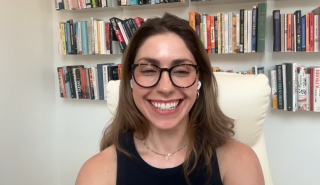
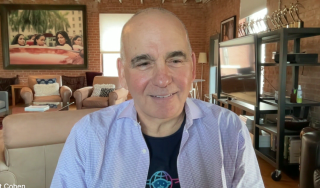


Distribution through a channel with 2M+ real views
Full Transcript
Sean Weisbrot: Why is hiring so difficult that you felt the need to start a company like this?
Dakota Younger: Um, well there's a lot of reasons why hiring's difficult, but I think one of the reasons is that a lot of solutions tend to cater to just the employer because a lot of times it's the employer who's paying for things. And so, um, but by doing that, they're actually. Omitting or, or not taking care of all the parties that are involved in the hiring process. You know, you have your employers, obviously the candidate, and in our case you also have the referral provider. And so if you're not taking care of everybody's interest and managing everyone's interest, you end up actually still providing a, a lower quality experience for the, the person that you're trying to, or the party you're trying to cater to. So if you're just focused on the employer. It's, you know, it's great that they're, they're, they might be, you know, for lack of a better term, footing the bill, but you still need to make sure that you're properly taking into account the other, the other party, so that the employer gets what they're ultimately looking for. I think that a lot of tools, um, don't do that particularly well.
Sean Weisbrot: Hey, business leaders and marketers, what if your brand could be featured right here? This ad spot could be yours. This channel is watched by a dedicated audience of ambitious founders, executives, and professionals who are actively looking for tools and services. To help their business grow. If you wanna put your brand in front of this highly dedicated audience that's difficult to reach. I'm currently looking for a few strategic partners for the channel. To learn more about sponsorship opportunities, click the link in the description. Let's grow together. Why is referrals so good of a, of a stream for hiring?
Dakota Younger: Um, because. You're leveraging the insights of another individual that is willing to vouch for 'em. So there's a, I there's a few different components there. Like there's, there's the, um, accountability or the the, um, yeah, the visibility there when somebody's willing to put their name or their stamp of approval on somebody else. They're leveraging a certain amount of like social credibility or social capital, right? That, that they're putting on that, that individual and people are pretty mindful of what that is worth. And so, um, if somebody's willing to, to say, Hey, I think this candidate's a good fit, um, that's valuable plus. When they're doing that, they're also evaluating other, a lot of intangibles that are, can be hard to quantify or, or, or, you know, see on a resume, um, whether that's integrity or, you know, accountability or, um. The reliability, all those things that, that you, I mean, you can't really put that, like being reliable on a resume just 'cause somebody has that on their resume doesn't make it so, um, but a referral, someone's referring, somebody tends to surf, factora those in because it's also, it's a dual-sided. Um. Uh, social capital or, or, uh, whatever you want to call that, because it's not just the person that they're referring that they want to look good, it's obviously the employer as well. So there's both sides there that they wanna make sure that they're considering. And, and, um, yeah, so that ends up, you know, you, when you, when you start with that, that quality of talent. You're really kind of starting, not even at the starting line. You're, you're, you're already, you know, depending on how far long you wanna make that race, but you're already, you know, a hundred meters in or, or whatever it might be, you're already a significant portion of the way into that, that initial vetting. And so you have usually a lower volume of talent, um, which is actually what you're looking for. You know, most, most employers don't want 3000 resumes. They want. 30 resumes or, or, or 20 resumes that they can sift through. Um, so, so there's, when you have that higher quality candidate and you're starting at a, at a, you know, further into the hiring process, kind of at the, at the drop, it's usually a much faster hiring process. So really on almost any metric you look at, referrals will outperform other talent sourcing methods, whether it's time to hire cost per higher retention, overall performance. Um, yeah, and I think probably the most compelling one is that. It engages passive talent, and that's, that's probably the, the most sign, at least for me. And I think a lot of the, our customers, it's, that's one of the, the ones that means the most to people is that they recognize that the best talent isn't going to be actively looking. They're going to be, um, doing their regular job. And so if you, and that's not to say people on job boards aren't good by any means, but people, um, if you want to engage the best talent, you're gonna want to engage people that are typically not active in their search. And so to do that, posting jobs isn't going to necessarily do that, right? They're not gonna be on those job boards anyway. So if you want to engage those people, you need something that will go out and get them. And that's what a referral is really effective at. Um. So I think that's probably, um, a big factor in it as well is, is that you get a much higher quality of talent, or, you know, statistically speaking, you're, you're dipping into a much higher quality talent pool when you're leveraging referrals.
Sean Weisbrot: I think that's what executive search people do. They look for people that are currently employed and then try to entice them away with a better offer.
Dakota Younger: Well, you're absolutely right, and, but that's the interesting thing is. Part of recruitment as like what a recruiter does is being a professional referral provider. I say part of, because talent sourcing is far from what, you know, the only thing recruiters do and the only value that they bring. Um, but, uh, that, that initial referral component, I mean, that's what it is, right? It's, it's a referral. The fundamental mechanics of a referral is someone, uh, saying, recommending somebody else. For a, a, a role. Right. And that's, whether that's, that person is a professional in what that, what they're doing or not, it is still essentially is a referral. Um, and so yeah, that's exactly what they're doing. Is, is you're saying like they're gonna, and and any recruiter will tell you that though, is that like they, they're not gonna, they're probably, especially when it's an executive search or some other, they're not gonna actually look for active candidates. They wanna find the passive talent because they know that that's where. They're gonna stand out and where they're gonna find standout talent.
Sean Weisbrot: So I learned this in 20 18, 19 20, when I was doing my tech company because I was trying to hire people and I needed more of the same kind of a developer. And so I went to my developers and I said, Hey, I need to hire like two or three more people like you. Do you have anyone you've worked with previously? Because we didn't have the money to go and hire recruiters and we didn't have the network to find more people. I. And so we went to our people and obviously Boone didn't exist at that time, but we didn't have a way to do it. So we just went to our people and we're like, Hey, do you have anybody that you worked with before that you know you liked, that you would like to work with again, that you trust to represent yourself and and our company? And so we were able to hire a few people off that and, and it worked out pretty well for us. And they all had jobs and. So we were, we were only hiring developers from the Philippines because we were also based in, um, my COOs in Malaysia and I was in Vietnam. So we wanted to work with people in our time zone. And Philippines is known for having great developers that work really hard and don't have very high demands compared to like Americans, for example. Uh, they were all previously employed. We hired them away from their other companies, so we had to wait like a month for them to, you know, have their notice. But one of the reasons why they wanted to work with us over the company they were working with before, not only because we were hire giving them, I don't know how much higher of a salary it was, but just higher enough, was that some of them were doing two hour drives or bus rides or train rides each way. They were married with kids and they wanted to have more time with their family, and so we were able to give them an opportunity to save hours a day of unnecessary headache that the other companies insisted on them going to the office to go and work.
Dakota Younger: Yeah. That's in Incre. I mean, that's like almost a full work day if you think about like, I mean, that's half a work day at least, right? Yeah. Um, for, you know, if it's two hours, I mean yeah. You're, that's a, that's an extraordinary amount of time just to be traveling for work.
Sean Weisbrot: Yep. And so we were able to, you know, at a, at a baseline, give them more time for themselves and hopefully with their families. And, you know, if we didn't have enough work for them, they had extra work on the side, they had time to make more money to give their family an even better life.
Dakota Younger: Yeah. Yeah. And, and that's, I think that's the other part of it, is it, it's a, when you're, when you're making that referral, that goes back to what I was saying before is it's, it's, it's. You're, you're the person referring is, is looking out for both parties. They're considering both parties and the benefit to them. Right. And so, uh, that's the other thing is when, when you're referred as a candidate, um, you're, you're getting something from someone that you trust and you're more likely to engage that even if you already have an existing role. And maybe you wouldn't even consider something if. If it was a cold recruiter reaching out, right. Um, but you're willing to, you're, you're more open, you're more receptive to it out of the gate, and you're more open-minded to consider a new opportunity because the, you know, someone has referred you and it's even, it, you know, it could be even more compelling if they're active, if they're still at that company and they're still working there because. People aren't likely to wanna bring someone into a situation that they're not already themselves happy with. And so, yeah, it, it can be an, it's, it's, it's usually an, an improvement for, you know, a benefit to the employer and it's an improvement for the person that's being referred. And, and that's where the referral provider usually appreciates that. It's not just the reward they're getting. Um, and I think that's something that people will have a tendency sometimes to overlook or undervalue. And that is that. It's not just the reward, whatever that might be, whether it's monetary or some sort of gift or something that the person that's sending the referral, that's not the only motivation for them doing that. It's other motivating factors is altruism or whatever, whatever you want to call that, of, of the, the, the appreciation, the enjoyment that people get out of, of knowing that they're, you know, doing something helpful for somebody else they know. Um. That, that really does move the needle for a lot of people. And so in this situation you're talking about, right, your employees are happy where they're at, they're feeling like, Hey, this is a good thing. I want to bring other people as a part of that, which an is an endorsement of, you know, your company. Um, and they're all probably recognizing some of these other things that, hey, you don't have to commute all these other things. So, so everybody really, you know, in an ideal situation, everyone's really ending up outta the benefit there. So.
Sean Weisbrot: How are the people incentivized when someone they've referred gets hired?
Dakota Younger: So there's again, yeah, so this is interesting. Um, point, like there was really interesting to me as we even continue to explore this, but a lot of people think it's just the reward and that even can be broken down and in different ways, whether it's like a, a monetary reward, whether it's a gift. Um, Boone offers points as well, which. I, I like, um, I like combining those, but I think the cool thing about points is you can have, uh, a threshold that people have to earn before they can redeem the points. So you can say, you know, you earn a hundred points, um, you have to earn up a hundred points before you can redeem. Any of these. The nice thing about that though is then you can offer, let's say 10 points for signing up for the referral program. And as the owner of the referral community, you don't pay out that it's not $10 that you're paying out to anyone that signs up, um, because them signing up them, that in itself isn't really providing any value. You wanna make sure that they continue to participate and contribute before you. Pay anything out. So you can set, you know, so when you set that threshold, then there's other behaviors that you offer points for that help to kind of guide that person to providing a positive ROI to you before you pay that out. Um, but that's just the, the, the rewards piece. Um, like, like there are, if we all, there are other things like altruism, competition, uh, senior performance improve, um. Pain avoidance, which can be broken down into several. So I think what people overlook is that they, yeah, that the, the obvious, uh, is way to motivate people is rewards. But if we took, if you and I took a test right now, um, as to like what motivated us, we would score differently, right? There would be like, if we had like a bar chart for those different things, we would, we would have, and so. The most effective way to have a motivational structure is one that is, uh, dynamic. That HA is broad because then it motivates over a broader audience, right? You're not just focused on the one motivation type is only maybe gonna resonate with a smaller audience if you have a few different motivational structures. It's effective over a broader audience and it, from our experience, it's more consistent because. You're not wearing out or you're not solely reliant on that one motivation factor, because the truth is also where we, what motivates us varies, you know, slightly from, from day to day. So, um, yeah, you, you end up with a much more effective referral program. So yeah, you can, you know, the specifics of what those are, what that altruism, what that, that recognition, you know, those can be broken down and. And even present it in different ways that can make it even more dynamic, right? So that you're not just using one mechanism for recognition. Um, and again, when you do that, then you, you get from our experience, better results, usually more consistent results.
Sean Weisbrot: Hmm. It's interesting because what motivate, what would motivate me in that situation is money. Like, how much can I earn from, you know, referring someone because. I think of it from a traditional recruiting kind of structure where if I help you hire someone with a $200,000 salary, I could potentially get, you know, 20, 30, $60,000 as a commission. That's, that's gonna motivate me, not you going, congratulations, you've helped us find someone like, I don't care. I want the cash.
Dakota Younger: Yeah. I mean, and that's, that's right. So, so everybody is slightly different, right? Like, and that, and I don't think there's any one. Right way or not. Right. So, but that's a great point that let's say, let's say, let's say leaderboards for whatever reason, we're, we're, I think, and that's something I think a lot of companies make the mistake of is that let's say leaderboards really matter, you know, move the needle for me. And they tend to be, um, you talk about the Philippines and stuff, that tends to be the competition piece. So leaderboards technically kind of tap into both recognition and competition. Right. Um, which is also why they tend to be, um. A bit more effective is because again, they're, they're using more than one motivation mechanism. But let's say they're my, they motivate me. I think we've seen a lot of employers make the mistake of, oh, because it matters to me, it matters to everyone, right? And so then if I'm saying, oh, well leaderboards those, you know, they obviously everybody loves those. Those are the best. Well, that's not obvious. That's not even true necessarily.
Sean Weisbrot: Yeah, but I'm
Dakota Younger: gonna use that because that's, that's my go-to. That's personally, and I'm not considering the fact that, that other people that you know, for you, for example, right, you'd be, you'd say maybe yawn, I'm not interested in that. Like, so what, you know. Um, and then I'd be scratching my head saying like, well, how, why is John, you know, not being motivated? Doesn't he like being recognized? And you're like, I don't dislike it. But that's not. That's not what, what gets me excited.
Sean Weisbrot: Yeah.
Dakota Younger: Um, what was interesting to me about this when we, like what kind of got me going down that rabbit hole early on. When we were doing this as an agency, we offered, uh, a flat reward because we found actually that also that the simplicity was added to the, the excitement. Um, again, some people like being able to have variations of different rewards, but there's a point of diminishing returns. And, and, and that again also varies, but the, we found that. A, a simple, Hey, we're gonna offer you 5,000 was actually more effective than even having like something that may pay higher because people didn't wanna have to do the math, even if it was pretty simple math. Anyways, we, we'd offer 5,000 and they would, we would say, okay, and sometimes these engineers that would get the referral would make the referral. They're making 200,000, 300,000 a year. And so 5,000 for them is, is not bad, but it's, it, it isn't gonna be life changing as much as maybe make someone making 30,000, right? Where that's a much more, uh, significant portion of their, their annual income. So they would oftentimes decline to receive the reward, which, which cra was, had my me, scratching my head initially, right out of the gate. So then when we started to do, and I would love to play the like, oh, I, I knew this, uh, card, like it was all part of my master plan type of plan, but it was not, if I'm being honest, um, initially I was just donating that just to kind of, I guess, um, out of, like I said, I would not basically take it on my end. So I was just trying to like, to hold some standard Right. And, and make it seem like it wasn't like a, a hollow offer. Right. So I would, we would donate the, the funds. But what we started finding was those people would then send more referrals, um, both more quickly from when I notified them about what their donation did, right, where it went. Um, and they would be more likely to come back and send referrals. So they would do it more quickly. They'd become like a return referral provider more quickly. And they were more likely to continue sending referrals, which I was like, wait, like you didn't make anything off this. But what I've realized is that. I was unknowingly or accidentally, um, double clicking on the altruism component. Right. So they, they initially did that reward. And I think that nobody wants to say no to money, but I think for them, I'm guessing, is that they felt like taking that money would be wrong because they, they were trying to do it for altruistic reason. And so by taking that money admits that it's, it's not purely for altruistic reasons, which isn't necessarily bad, but everyone has their own, you know, so I think they were declining it. To, to really kind of prove that that was just for the benefit of their, per their friend and their company. Right. And then when I donated the money, it, you know, it was like made them so they felt good about the referral to begin with, and then I, then their, their money turned out to be doing a donation. So now they're doing, you know, with one referral, they're actually kind of getting two different benefits out of that. Um, and so that's why they were returning back to the referral. So I thought that was, that was when I started to, to realize that like this motivation component, you know, there was a lot. More to it. That made it really interesting to, to consider. Like what, what engages people, what motivates them? And to keep an open mind that like what motivates me and what seems like super obvious common sense does not make it a fact or true or even the majority.
Sean Weisbrot: Hmm. It's funny because. If I referred someone and I saw that 5,000, you better believe I'm gonna be bringing you a ton of people as fast as I can because I wanna make as many five thousands as I can. Yeah. Now I may decide to take some of that and donate it. Which I, I've done in the past. I, I've donate to two different things. One of them I don't, in case you aren't aware of, this, might be interesting for you to try to partner with them pen, uh, pencils for promise or something. Do you, you know of them? I have no. There was this guy from New York, he was working on Wall Street making tons of money, absolutely miserable. He went on like a backpacking trip in Southeast Asia, fell in love with the people there. There were these kids that were following him around and finally he like tried to talk with them. And they were asking, they were like begging basically. And he's like, what do you, you know, what do you want? They're like, we want pencils. He's like, why do you want pencils? He is like, because we want to go to school and we can't go to school right now because we don't have a way to write anything down. Like we just, we wanna learn. And he decided to quit his job and start a nonprofit to build schools for, for kids. And it's a really beautiful thing. So I donate to them once in a while. Because it's a lot of money to build a school, even in a foreign country. Um, but the way that they do it is they, they get like 90% of the money from like donors, and then the other 10% comes from the government, which includes. Teachers to staff and you know, to teach the kids, but the parents of the community that's gonna serve, have to put together the materials and build the school with their own hands.
Dakota Younger: Interesting.
Sean Weisbrot: And so everybody is aligned in the education, the, the future commitment of educating these kids. I felt like it was a really beautiful thing. Another thing I've donated for is, uh, so like when my dad was really young, he was one of the first people to have open heart surgery. He was six years old and he was able to have the surgery because my aunt, which I didn't realize until very recently that it was well, my, my great aunt. Um, was the one who put together all of the money. Like she had this thing going where she was putting together money for people. And then when my dad needed the surgery, she ended up putting together money for my dad. It was like 20,000 to 30,000. She was
Dakota Younger: the original GoFundMe.
Sean Weisbrot: Yeah. And so I, so I, I attribute her actions to saving my father's life. 'cause he was six and he had a hole in his heart. He was leaking blood. He was a blue baby. Like all sorts of bad shit. And so I once, uh, I used to used to live in China, so I once donated, uh, to have a 3-year-old boy get open heart surgery in China. That's awesome. And I, I didn't get to meet him in person, but I got to do a video call with him 'cause I could speak Chinese. So I was able to talk with him and his mom and, and all of that. And it was a, a really great experience. And unfortunately the kid died from complications. Um, but. I, so like I'm motivated by these things, but I don't, I'm not motivated by you telling me you're gonna donate for me. I'm motivated by making the money and then deciding what to do with that money in, in the case I wanna donate to these things.
Dakota Younger: So what's interesting about that is, so, so there's a few things there. One, um, I think the donating to education is, is, is in my mind, I'm not a donation expert by any means, but I do, there is a proven, um. The, the higher standard of living, higher quality of living is, is, is directly connected to the, uh, education level, uh, of, of a, of a, uh, uh, society, right? So if you can improve their education, you will improve their quality of living. Um, so I think that's. Um, there's donating, you know, donating money to things. Certainly like, you know, it's hard to compete against, you know, healthcare. Yes. If they're not alive, they can't, so there's the, you know, to just, to just say, just donate to education is isn't correct, but I think. If you're just donating, like essentially kinda like feed a man, teach a man type of, of mentality. If you can help, uh, teach, you know, and educate a society, it's, it's gonna be a longer term solution to than, than maybe just giving them initial funds right then. Right. Um, because, um, because that's gonna ultimately probably trick that money's gonna trickle into, to somebody else's pocket pretty quickly. So, um, I think that that's. Something that, that is important to keep in mind. And that's something that we've thought about with, with Boone and one of the things that we've looked at is, so you talk about like also you don't want to necessarily, there's a factor in there, whether it's you being able to make the decision and maybe having more ownership of that, um, that giving process. Um, that would probably be interesting to explore further, but at some point. But what we've thought, what we've started to explore is, is partnering with different nonprofits so that. The individual, when they're receiving those, those funds have the option to donate some of that to, to a nonprofit of their choice, um, when they're getting it, because people tend to be more, um. Willing to pay out when they're or, or be more giving when they're receiving at that time. Right? So if you're getting 5,000, you might, you may not want to do the full 5,000 of donating that, right? But you might be open to, at that point, uh, 50, right? Or a hundred or something like that. That's a, that's a relatively, uh, nominal portion of, of that overall reward. So it doesn't have to be one or the other either. And, but then also giving you that choice, um, might also make it more. Rewarding for you rather than, than choosing for you. And then there's also the ability to, you know, considering, like letting people have that displayed on their profile or something like that, in a way that, that lets them get the recognition and credit. 'cause let's be honest, some people do stuff like that just pure, you know, more, not maybe purely, but more for the recognition piece. And you know, from a, there's a common, you could, you know, have your own opinions as to whether that's the right way to do it or not. But from where I'm sitting. Regardless of someone's motivational factors, if the end result is the same, fine. You know what I mean? If, if, if so, if, yeah. I might not appreciate that. Some people might wanna do it more for recognition, you know? You know, and, and there might be some sort of argument of like, well, they should really do it from the kindness of their heart. Okay. But if we can still get them to donate, you know what I mean? It's. That, that's, that's, that might be that, you know, that's an opinion, but that's not a fact. And ultimately it's the end result that I, I'm particularly interested in. So stuff like that is stuff we've explored. But I think it's an interesting point that you bring up that just having someone else make the decision for you, just kind of this motivation thing is like a, is like an onion, you know what I mean? There's different layers to it and it's, it's actually really fascinating to explore and it doesn't necessarily have anything to do directly with referrals. I think I was a psychology major before getting into the, uh, you know, business. And so I think that it kind of, for, I, I guess for my own personal reasons, I, I like exploring that motivation piece because I, I think it is really interesting, uh, to see what, what kind of triggers things for people.
Sean Weisbrot: I also have a degree in psychology. That's why I also like to think about these things as well. So I think it would be curious to see if you had the ability to test giving someone the opportunity to decide who to donate to if you, if you give them more agency over the donation, if that motivates them, like if that increases the frequency with which they refer. Over the subset of people that just, uh, say, just donate the money. I don't really care. You know where you put it.
Dakota Younger: Yeah. Yeah. It would be interesting to see like you're saying like what the, my guess if I was gonna, if, if I was gonna hypothesize, I would say that it probably has a benefit and a, and a higher return over all. But for a limited amount if you give people, 'cause there's, and, and my pointing to this is like the studies of. Um, kinda like the, the ice cream study where they did, where they gave people multiple choices and then they gave people three choices, you know, vanilla, chocolate or strawberry versus a bunch. And when they pulled the people at the end, the people that had fewer choices were happier with their decision. So I think that there's, um, if you gave people a limited amount and maybe let them explore further, but, but that's me going into like more of a UI or probably how you would present all that. But yeah, it would be really interesting to see. But I also think it would probably be varying across different. Um, geographies and, and region and, and like, uh, communities, right. I think 'cause that's something that I've, I, I didn't quite value or appreciate, I think as much. Is that certain, uh, like, again, the Philippines, um, that whole region seems very, they're, they're, they're exceptionally responsive to competition and recognition. They, that, those are big factors for them. It's not that, that the money doesn't, um, which, which I guess I wouldn't have. I, and I probably, 'cause I just don't understand, you know, I'm not, I haven't been to those places and, and I, so, but I, I just didn't appreciate that that was such a significant factor for, for different places. But if you do the same thing, let's say in, in Europe or something like that, the impact is less or less. It's, it's less significant for them.
Sean Weisbrot: Hmm. Well you could have just asked me.
Dakota Younger: I didn't, yeah, I guess I should have just done that. I've spent half my life in Asia. Yeah. Yeah. It's interesting that the, the, the, the different places like that can, uh, have different ways of approaching things like that. So it's just something to keep in mind. If we were running a test, that would be my thing and say, all right, let's run it in different geographies and see how that goes.
Sean Weisbrot: I, I agree. You would have a better overall happiness response when you give them three options for where to donate. So for example, you might say, uh, in, when they're setting up their profile, you might say, um, like things that you're interested in, like you, you, there's, there could be a, a way during onboarding to figure out what kind of a charity they would want, but then. I don't know exactly at what point they decide how they want to be rewarded, whether it's with the donation or what. And so as you build up relationships with nonprofits, you would then be able to go, okay, this person would probably wanna enter, uh, would probably wanna donate to this kind of a charity. And so you can then recommend three charities that you think they're most likely to wanna do that to. That way they don't have to worry about a list of a hundred charities.
Dakota Younger: Yeah. My What if I was gonna do it? Like right now, if what if we had to, well, my thing would be is to find three to four that were most broad. Right? They covered a few different bases. So maybe like, you know, donated both education and, you know, um. You know, uh, you know, needs, right? Um, something along those lines. Um, and then have a few that they covered a few different bases, but then also have that be like above the fold, and then they could have an option to explore more or look at more. And that way if you have additional ones, you still aren't like, kind of boxing them out. And then you can, you still also open up the door for people that do like to be able to kind of dig into that. But yeah, I mean that would be something my product team would probably, um, heavily weigh on on 'cause just 'cause again, just 'cause I think it's, uh, the best approach doesn't mean it's the, it is the best approach necessarily.
Sean Weisbrot: What's the most important thing you've learned in doing this business?
Dakota Younger: Well, I think the most important thing is I know absolutely nothing compared to what I need to know. Um, and it's a terrifying thought, but I think it's, um, it's really important to keep in mind because, uh, it keeps you really open-minded to the idea that you're going to mess up. It's not fun at any point to do that. Um, and you don't want, you're certainly not looking to, or you know, you're always aiming to curb the, how many times you make a mistake, but. Recognizing that, that like, there's just so much information, there's so many different ways to do things and, and all of that, that you have to be really open-minded and accepting to a degree that you're, that you just don't know enough and, and that if you're not comfortable with that fact, or if you're blind to that fact and you think you do know everything, then you're even in a worse position because you're operating under a, you know, a context that is not reality. So, I mean, that's definitely someone that, one of the. The things I've, um, had to, I guess, learn more is, is yeah, my, just how little I, I know. But I think the other part is, is also being flexible. Um, you know, I think as, especially as founders, entrepreneurs, you know, there's a certain amount of heads strongness that I think that comes with doing that. You tend to, you know, that, um. We tend to have, you know, because that's how you have to have that to a degree just to start out, but like also being enough, you know, using that strength, but also recognizing that, that there's times and situations where maybe the destination doesn't change, but how you get there does. Right? And so you have to be able to be willing to accept that, although this was initially the path that you had planned to, to, to get to, you know, from A to B. That's not actually what needs to be done here now. Now, now because of these new insights or whatever, we have to change course a bit and that doesn't mean we're giving up on destination B, although that may eventually be the case as well. But, but we have can't be married a hundred percent to that path that we had initially put in our heads because if we do that and we, and we stick too hard to that, it can be, you know, it can cost us just being able to get anywhere. So those are some of the things that, you know, I know they're, they're a little bit broad, but those are, for me, the things that I have to, I, I genuinely remind myself on a regular basis, especially heading into, uh, a new week or something like that. I, I do genuine, I know it's probably nerdy or whatever you wanna call that, but have kind like a mental checklist of like. Key learnings that I've picked up that, that aren't specific, right? They aren't like, you know, I don't think any of them are, you know, don't do this when in this specific scenario it's more of these broad, like, you know, very little, right? And the plan you have in your head does not mean it's the plan, the best plan, right? Those kinds of reminders kind of keep me when I'm heading into a conversation into the week or whatever, um, allow me to approach things a little bit more effectively.
Sean Weisbrot: Thanks for watching. If you liked this insight, I've handpicked another video for you right here on the screen. For more actionable strategies that get you real results, hit subscribe.
Build Executive Visibility
Press placements on CNBC, Bloomberg, and MSN.com,
guaranteed, from one 30-minute interview.
Extracted into a month of content: press, LinkedIn posts, and video, so investors and buyers find real credibility before the first conversation.
Distribution through a channel with 2M+ real views
