
There Is Always A Gift In The Grit
Does having ADHD make you a better entrepreneur? Transformation artist and former actress Helen Millar believes her neurodivergence is actually her greatest superpower. In this episode, Helen reveals why the ADHD brain's high risk tolerance and elite pattern recognition give founders a massive edge in business. We explore how to trust your deepest intuition, why playing small is the most dangerous thing you can do, and why having the wrong support system is worse than having none at all. Helen also shares her wildly unorthodox approach to networking, and why she walked away from a successful acting career to maintain her integrity. Plus, we finally uncover the psychological truth behind "Resting Bitch Face" and why it's actually a sign of intense, ADHD-driven deep listening.
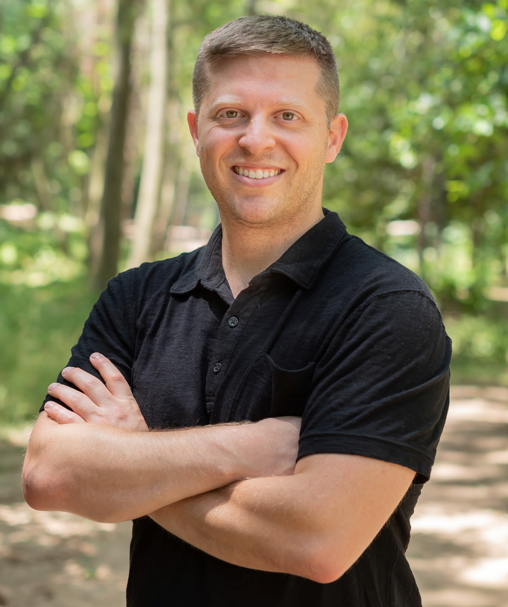

Guest
Helen Millar
Transformation Artist, Heart Healer
Helen Millar is a Transformation Artist and former actress at Heart Healer. She believes her ADHD is actually her greatest superpower, explaining why the ADHD brain's high risk tolerance and elite pattern recognition give founders a massive edge in business, and why having the wrong support system is worse than having none at all.
Chapters


Just raised, acquired, or launched?
Guaranteed CNBC, Bloomberg, and MSN.com coverage from one 30-minute interview,
timed to your milestone while it's still news.
Raises, acquisitions, product launches, and major hires create a narrow window where third-party press stops being optional. We turn that moment into a month of content.
Distribution through a channel with 2M+ real views
Full Transcript
Sean Weisbrot: [00:00:00] People are kind of selfish, and they like to talk about themselves
Helen Millar: Networking really is just making friends with more people, not trying to sell them, not trying to pitch them. Having the wrong kind of support is almost worse than having the right kind of support. I think the danger is playing small.
Sean Weisbrot: What's that story you tell yourself every day when you wake up? In order for people to be good at networking, they have to know their story well. What's the hardest thing about being an entrepreneur with ADHD?
Helen Millar: Knowing when to say no. Because I can see the positive upside of most things, and I'm enthusiastic, and I think ADHD generally means that you're quite-- you have quite high risk tolerance, so you're prepared to lean into the yes, where other people might be more skeptical. Um, and so yeah, I think knowing when to toe the line is... Or when to walk away from a project.
Sean Weisbrot: How do [00:01:00] you learn to say no? How do you manage that, uh, impulse?
Helen Millar: A mixture of lessons hard learned, so experience, so being able-- I think a benefit of ADHD is recognizing patterns. So I think I'm, I think what's beneficial is with lived experience, you get good at then going, "Okay, I've done that before. I won't do it again." And I think partly gut instinct and intuition, and I really, I do what I do 'cause I love what I do, and I love being able to choose who I work with. So I will say no if it doesn't feel good to me on many levels, even if that means turning away like more money or certain things that other people might say, "Oh, but the prestige or whatever." That's not what drives my decision-making.
Sean Weisbrot: Is there any time where your gut says, "Don't do it," and you say, "Do it anyways?"
Helen Millar: Y-yeah. Um, I, I wouldn't necessarily describe it like that. [00:02:00] I think there have, have been massive moments in my life where my word would be God I felt has guided me to do something, and because it's a massive leap, parts of me have gone, "No," like, "That's too much. Don't do that." Logically, logically I do, I take a lot of actions that don't make sense on paper, so I don't always run them past people, but I feel them to be right, um, on a, on a deeper sense. Um, and that usually always pays off. And I think that is, I think that's what makes somebody an entrepreneur, and I think it, I think that sense of trusting yourself and betting on your own horse is what allows you to take ownership of your life. Because even if you fail, if you're t- if you're acting from a place of So deep knowing and what somebody might call their gut or their intuition or a higher power or their highest wisdom, like if [00:03:00] you come from that place, I think that really works in your favor most of the time, because even if it's a fail, you learn so much through that failure. I think we-- the danger is playing small.
Sean Weisbrot: I recently rebranded the podcast to focus more on networking because I was thinking about how I could do something unique in the marketplace, and having done 300 interviews now, I realized that something that's my superpower that a lot of people struggle with is networking. So I'm curious to know, as you were saying, you find it important to trust your gut, but sometimes you don't run things by other people. So when do you decide to bring someone into something, whether it's getting an idea confirmed or saying, "Look, I can't do this without you," right? 'Cause we-- I, I don't know about you, but I try to do everything myself until I hit a wall, [00:04:00] and then I, I see if I need someone's help. Um, but just in general, networking and human connection and relationships in, in business in order to make those things work, right, how do you view that?
Helen Millar: I think having the right kind of support is invaluable, and I think having the wrong kind of support is almost worse than having the right kind of support. So if somebody is going to... Skill is one thing, um, but if s- but somebody's-- I've worked with people who've had all the right CV, the right attributes, the right, um, they can do the job on paper. But if I've invested hundreds of thousands of pounds into my brain and my psychology and my belief systems, and so if I work with somebody who's secretly, after I pass over a project or tell them what the new, you know, the new vision is, is inwardly rolling their eyes and thinking that will never work, but is kind of going through the motions of what they have to do within their role. For [00:05:00] me, that, that kind of attitude, I guess, even if they're nodding their head, is not, is not gonna work and is far more detrimental because energy seeps out of us, um, through micro gestures, through the way that they might be communicating with clients, to the way that they approach their day. And I think that is far more telling and far more hurtful than, than the right people. And I think it's also why people stay on their own so long. That said, the people who I've worked with where it's been a great fit, I am incredibly loyal to, and I think I... I mean, I know I wouldn't be where I am without having the coach I've worked with, you know, I keep on renewing, um, because we have a very good Working spiritual place of meeting points where nothing's off the table, and she really understands me, and we can co-regulate together. So I think somebody who not only has great [00:06:00] advice or great strategy, but gets you as a human being, as a human animal, that is extraordinarily powerful. And I think the support you have in your life, as well as your business, is also equally important. So I
Sean Weisbrot: wanna go back a little bit, 'cause the audience may not know that you have had a career as an actress on TV and- Mm with movies. And so with the theme of networking in mind, for someone who's just starting their career or their business, what's something that you know now that you didn't know at that time that helped you to get started in that career in terms of networking to get opportunities and whatnot?
Helen Millar: Um, I mean, I-- when I left my drama school, everybody was given an award, and my award was most likely to organize... This is an English expression. Um, but an English expression is you-- they couldn't organize a piss up in a brewery, [00:07:00] which means they're so incompetent they couldn't organize people getting drunk inside a pub. And they said my award was most likely to organize a piss up in a brewery and use it as a networking opportunity. So, uh, competent at bringing people together and using it, um, for networking. So it's-- I think, I think it comes from partly ADHD, partly that I have a large degree of openness in that, you know, human scale. And so I feel, I feel comfortable sharing, I feel comfortable in places of vulnerability. It's also was a great skill as an actor, and I think really networking was described to me as people wanna do business with their friends, people wanna employ their friends, people wanna spend time with their friends. So networking really is just making friends with more people, not trying to sell them, not trying to pitch them, but... And we become friends with people who we have things in common [00:08:00] with, who support us, who listen to us, who have fun, we have fun with. So I think, you know, that there's that adage, you know, your net worth is your network, and I think that's true, and I've definitely invested to be in spaces and in rooms with people who have the same values as me, but are also playing li- life at a different level. And so... But then everybody, it's about do- also then gravitating towards the people who you get on with, not just the people who tick a certain box, because the relationship foundations are far more important. Um, that co-regulation piece I think is really important.
Sean Weisbrot: But if you are a nobody, how do you get to be able to Be in front of those people so that you can see if you like them and or they like you to start building that relationship.
Helen Millar: I think, I think it depends on your industry and what you do, but I think it, it's going to where the people [00:09:00] are. So whether that's podcasts and, I mean, maybe you live in the middle of nowhere, but you get a, you go, you listen to a, a podcast and you get in the chat and you start communicating with the people who are watching, watching that podcast. Or it's joining masterminds, or it's going to live in-person events, or it's being at your local music venue or festival or where you go to have fun. But bringing up what you do naturally in conversation, making sure that's not something that you leave out of a conversation so that you can talk about that and people think, "Oh, that so-and-so down the road is an actor," or whatever it might be. So that is something that people associate with you from the beginning. Um, as an-- when I just first started, I was so hungry for the work that I just wrote letters all the time. I went to the opening night of shows 'cause that's where the directors and the casting directors go. Um, I would, [00:10:00] I would start projects with other actors who would also have networks to invite people to. I wrote, I applied for auditions. I had a top agent, but I would acted as though I didn't have a top agent. I would put myself forward for things as much as possible. Um, I also was very un-English in the fact that I won awards and I mentioned that when I was writing and applying for things, which is not an English attribute. We normally hide things we've done. Um, and so I think I was excite- I was so excited by the work, I used that to overcome the uncomfortability of putting myself out there and talking about things.
Sean Weisbrot: People are kinda selfish, and they like to talk about themselves. So when you're so hungry for an opportunity, how do you hide your hunger long enough to know about them and make them feel like they wanna get to know you more before you start to let that [00:11:00] out slowly and they go, "Oh, this person's ambitious," and, you know, "What can I, how can I help them?" Whatnot.
Helen Millar: Well, I think, I mean, that was me when I was like 20. So I think my hunger is, sits in a different place in my body now. I think it, it, like, it's more like a, it's a kind of furnace that I, that motors the engine rather than, um, a wild horse I'm riding. And so I think it's, it's just coming from a place of knowing and being more interested in the person you're meeting than you are in yourself. So first of all, be interested in them and then be an interesting person to talk to. So don't just talk about yourself, talk about things that are gonna add on to what they've, what they've divulged And as you said, people love talking about themselves, so asking questions, um, ask, you know, probing, getting deeper, getting below the surface level of whatever it is that they've shared to truly try to understand their perspective of the world, I think is a good starting place.
Sean Weisbrot: But when [00:12:00] so many people are boring, how can you- ... how can you go up to them and go, "I'm interested in you, but I don't know who you are." And they turn out to be boring, but you, like, need them in a way.
Helen Millar: Well, I try to not go to places where I think there are gonna be boring people. Um, I try not to go to places where I think they're gonna be boring people. Um, I try to go to events that I think are done in a dynamic way, that are gonna attract people with a certain amount of energy or hotspot or outlook on life that is gonna enrich me. I get in- told about and invited to a lot of, a lot of opportunities that I think it will be boring. And so I turn them down because I think, mm, the state I will be in in that place is not worth my time. I would prefer to hang out with my friends, or I would prefer to crack on with work or clients or writing my book or something that's gonna elevate me more than that [00:13:00] time is. 'Cause I think time is the only asset that we can really treasure. And then I also think that the work-- You know, the-- I believe in the power of who, who we are in the world also attracts opportunity. So rather than feeling worn down and de-energized by going to a stale networking event, I believe you're as much likely to bump into somebody when you're in a great mood in a coffee shop or at a dinner party or when your plane's delayed, um, than you are necessarily at the networking event. I think people are attracted to people who have great positive energy and a good outlook on life. And I think if you can cultivate that so it doesn't feel like a pretense, then you're more likely to end up in the right place at the right time.
Sean Weisbrot: What's the most important thing you've learned in your career so far?
Helen Millar: Well, it's been very varied, and I've... It's, [00:14:00] it's, it's, um, changed, and I think collectively, let me think of something that is a truth that runs through all of it. And I think it is that you're not doing anything alone, even if it feels like you're a solopreneur stuck in your bedroom with an idea. Um, and you can interpret that if you have faith with the understanding of that, but that, that whatever hunger is in you, whether it is to create a business, um, you know, take over a family business and Take it in a new direction, write a book. That, that that dream that's inside you is yours for a reason. There is a reason that is your personal inspiration, and to trust that above and beyond the obstacles. Because even if the path isn't how you think it's gonna be, that, [00:15:00] that always following the desire inside you, the true desire to create something, not just to make money, it's the creativity that will take your life in an interesting and fulfilling direction. Because I work with many clients who have, you know, millions and millions of pounds and are not fulfilled, and still feel poor, and still feel that they're in the hustle and aren't rewarded, and that they've moved out of adrenaline and are in, are in kind of the hamster wheel. Um, and I think that's a really sad place to be.
Sean Weisbrot: How do you help them?
Helen Millar: By re-po- reigniting what it is that they really want in life, and get out of comparison, and get out of doing things out of habit or out of rote, and refocus what their real need, needs are, not just... Because m- nothing is ever just about money. It's about chasing something deeper, and I help people deepen their [00:16:00] emotional awareness and understanding to get into the place of excitement rather than deadening, so that they move towards things with passion that they really wanna create. And sometimes that involves really scary things like leaving jobs, closing companies, starting again, changing relationships. But I think sometimes the more successful people be-become, those decisions become harder because they have more prestige or a bigger following or perceivably more to lose. But all of that is actually in our heads, and if we're not fulfilled or happy, then somebody else truly can't be as well. Because people often say they're staying in relationships for the other person, but if it's not authentic, if it's not true, you're actually robbing them of something that is gonna be of higher value to them. So, um, I help people make the hard decisions and enjoy the results.
Sean Weisbrot: What's the hardest decision you've ever had to make?[00:17:00]
Helen Millar: Um, I think I've done a lot of hard things, but they've all felt very necessary at the time. And so, walking away, uh, from acting because I didn't wanna take the COVID shot was a very painful decision, but it, it didn't feel like a decision, it felt like the only thing that I... was available to me at the time. Um, and speaking truth to power, which I've done quite a few times in different circumstances, including standing up to Family and giving speeches at funerals and things that have caused a lot of reaction in the world, but, but for me to stay true to my integrity and doing it from a place of ultimately driving healing and driving connection, not for the sake of disruption at [00:18:00] its own, at its own cost, um, have b- have... things that have taken a personal toll on me, but have served a higher, a higher value, I believe.
Sean Weisbrot: Some entrepreneurs love the limelight, and others just wanna run their business quietly behind the scenes and be left alone. Did you experience, with your success in acting, a loss of privacy that you regretted?
Helen Millar: Um, I never chased fame, I chased the work, and I never wanted to be famous 'cause I love anonymity. I love being able to walk down the street and no one know who you are, and I always lived in the center of London, so that was commonplace. When I left living in the center of London, I found that hard. But I... what I f- it's-- it wasn't so much, I mean, whether it's been acting or things that have happened in my personal life that have been in the media or... [00:19:00] It's, for me, it's what-- it's the lack of control and the lack of truth that is, that is what it happens in the media that is the hardest thing. And actually, I think a beneficial thing of social media is at least you can create your own narrative, your own story. But I remember when I was, I don't know, 17 and I'd done some modeling work and I was selling kitchens in a, a, what would you call them? A mall, uh, in my holidays between doing my exams, and I got approached by a paper, a big, a big newspaper in the UK, that they were gonna do a photo shoot of 10 women all dressed in different outfits, and the headline was gonna be: Guess which one of these women are an entrepreneur, a single mom, a lesbian, uh, whatever, like 10 different things. Mm-hmm. And, you know, high class, high class news. And I got-- They f- they contacted me and said, "Oh, which one would you like to be?" Because it literally, the whole thing was made up. [00:20:00] And I said, "I'll either like to be that one, that one, or that one." And they went, "Oh, well, we think..." 'cause I had short hair at the time, and they said, "Oh, we think you'd be best as the lesbian." And I wasn't gay, but that was what I did. They did a photo shoot. I chatted to these other women. The woman who was supposed to be a single mom didn't have kids. And the journalists wrote articles about each of us just to fill pages in a newspaper. None of it was true, and that was in, like, 2000. Um, yeah So the idea-- like, and that was something out of choice, but the idea that everything can be fabricated is, fabricated is what I found hardest about being in the press.
Sean Weisbrot: And then you went to be an actress anyways.
Helen Millar: Uh, again, well, being an actor didn't feel like a choice. It felt like what I was here to do, tell stories to help change the world. I did a l- I really believe I was deeply [00:21:00] passionate about political change on the planet, and I didn't see it happening in politics. So I knew that the human, human condition is driven by connection and story, and more people have their opinions shaped, their hearts opened, um, time to reflect on who they are, what they do, what they want in great cinema, in front of great television, great theater, great art. And I wanted to be part of that experience because I think, you know, in Greek, in the, in the history, in Greek times, if somebody was caught breaking the law, they didn't send them to prison. They sentenced them to so many nights at the theater. So if you were caught robbing a shop, you'd have to go sit in the amphitheater and watch a series of plays in order to become a better human being because they, they understood the power of art to transform you.
Sean Weisbrot: Hmm. There's a story that we tell ourselves. Sometimes we're capable of changing that story. Sometimes we're a slave to our [00:22:00] story. Mm-hmm. I know this has happened to me in cycles. There was a story I told myself for a long time connected to a concussion that I got, and it was the con- the aftermath of my concussion that propelled me to become an entrepreneur for the first time. And part of that story was pain and suffering because the concussion was really hard. It took me a year and a half to get over it and kind of feel normal again mentally and physically. And I got tired of that story, and I decided to change it. And then I lived that new life until another story formed, and another story, another story. In order for people to be good at networking, they have to know their story well. What's that story you tell yourself every day when you wake up?
Helen Millar: That's an interesting question. Um, it's a great one because I really think the me- that to have a good life, we have to become [00:23:00] a master of the meaning that we give what's happened to us. And I think the story I tell myself is that I am capable of transformation. I'm a transformation artist, whether that be transforming pain and suffering into creative art to help myself and other people, catharsis, and exploration of the human condition. Whether it be somebody who's transformed poverty to wealth or Ill health to, to vitality, um, or from, you know... I, I had a, I had a very challenging childhood, and I nearly died several times during my teenage years and my 20s. And I think that that intensity of those experiences has shown me, before I felt like I was recovering from them, and then I felt like I use, used them positively to be [00:24:00] a, a jump, a, a diving board to propel myself much further in life. And now I'm deeply grateful. I never thought I would be grateful for some of those things, but now I am because they have become the fertilizer for who I am, and I love who I am now. I didn't then.
Sean Weisbrot: Hmm.
Helen Millar: And I think that that is, that is something I'm proud of, and that is something that I, I think allows me to help other people transform. Because if I wasn't I was a real mess. So if I'm capable of doing it, and in doing it in multiple areas, I know that other people can too.
Sean Weisbrot: Is there anything I haven't asked that you think would be remiss if we didn't cover?
Helen Millar: I think, I think with the thing, the story for people listening, if they're, if they have a diagnosis of anything, whether it's [00:25:00] neurodiversity or a health condition or, um, a challenge, is to know, is to really know that no matter how painful it is, that the deepest moments, like the wisdom is always cultivated in our hardest moments. So even if, even if it's, I don't know, it's an ADHD diagnosis or, or something, that there is, there is always a gift in the grit. And I don't think ADHD is a limitation. I'm very pleased with the way my brain works. Sometimes it's irritating, but I think everybody finds themselves irritating at times. And I think the main thing is to know that everything that comes into your life has the potential to destroy you or create you, and you get to choose what it is, and that's what makes life interesting.
Sean Weisbrot: I don't find myself irritating. Other people might, might disagree, but that's their
Helen Millar: problem, not mine.[00:26:00]
Sean Weisbrot: How often do people irritate you and you just hold it back?
Helen Millar: I think I'm, I'm, I've cultivated my life in such a way that I don't have to interact with many people I find irritating anymore. Um, and I think I'm of... I think because of the work I've done and being an actor, you learn how to have a lot of compassion 'cause you learn, learn to understand people. Um- But I, I do, I don't like having my time wasted, which is why I think I don't find it hard to ha- be employed by other people, 'cause sitting in a meeting that I think was not a good use of my time, I'd find very challenging. Uh, so I think I'm irritated when I, I think people, one, aren't being authentic, or two, we're wasting time.
Sean Weisbrot: How can you tell when someone's being inauthentic?[00:27:00]
Helen Millar: I think it comes from a lack of congruence with what they're saying, how embodied that is, where they are in their physicality, their language, how free and easy they seem, how at ease they seem, how enjoyable it is to, to be in a room with somebody. If somebody's uncomfortable in themselves, that's generally then when they're not being authentic. And if you feel uncomfortable around other people, that's generally because there's a disconnect inside them that you're picking up on. So that's, yeah, I try not to be around people like, like that very much.
Sean Weisbrot: I may not smile very much, but I often enjoy myself. And I'm not really moving because I don't want the camera to follow me. Or the, or the, or the camera to shake. So I, I struggle with that on camera, is like I, I look like I'm a statue, and maybe that comes across as I'm not enjoying myself. But I am, I'm just trying not to cause problems for the [00:28:00] recording. I haven't figured out how to, y- you know, not do that. So people just deal with it.
Helen Millar: Yeah. And we're all different. I don't think that means anything about you. We all have different ways of moving and being.
Sean Weisbrot: Hmm. I feel like I have resting bitch face. But, but I'm actually qui- ... I, I'm actually quite, uh, an easygoing guy and enjoy myself. So on that-- that's one of the things that I've tried to, to work on. That's one of the stories I tell myself, is I may look like this... 'Cause I lived in Asia for a long time, and, and to be fair, Chi- like Chinese people, they try really hard to hide their emotions, and I think I inadvertently- Mm ... learned that. 'Cause before I used to be a lot more expressive when I was a kid. So...
Helen Millar: I also think I heard through, actually through listening to a Simon Sinek podcast, that, that I've been told I have retching, resting retching, hopefully not retching bitch face. That's a, that's worse. Resting bitch face. But what [00:29:00] I think it is, is Simon Sinek said it was a ADHD trait that he'd been told about, and he now works deliberately hard to be more animated. And I- Mm ... was like-- When I heard that, I thought, "Oh, I think that's me." 'Cause I think I listen, and I listen deeply, and I'm processing everything that's being said and going off on my tangents and pulling it together and weaving it into something and listening back and, and I think that often means that I look quite blank. And once I realized that, and I said it to a friend, and I said, "Oh, I think there's this thing." And she went, "Yes, you do that." And I was like, "Okay." And that was a few years ago, so good friend, she knows me well. And so now I think I, um, I think, I think I can be very animated, but I think when I'm listening, I try to make sure that I'm reassuring that... Especially working with clients, I think they don't wanna feel like I'm judging them. Mm. So, um, I make sure there's some expression. And I don't have Botox, so it helps. [00:30:00]
Sean Weisbrot: Are there any thoughts you wanna leave the audience with?
Helen Millar: That, uh, like, that we have the power of our focus, and so there's always a challenge going on, and there's always something to be grateful for. And I think if you're entrepreneurial, your life is always gonna have things that need to be solved in it, and there's always gonna be the next thing to do and the next thing to have. And so becoming a master of meaning and a master of focus and what meaning you give what you're focusing on is a way to enjoy your life. Because if you feel like you're at a slave to your own business, then that is, uh, not, not great, not great fun. Um, if it's like some external badge of, like, slog or validation that you're gonna pick up in a t- two decades' time versus enjoying what's going on. And especially, like, we live in, we live in a planet now where we can hear about everything that's happening very quickly, [00:31:00] and it can be quite overwhelming. So knowing where to focus. I have a whole load of flowers on my desk every day at the moment because I wanna be reminded of the beauty of life as well as the challenge. So I think that doing little moments to light your day up is really helpful, rather than just chasing the big victory, um, that we might have, you know, financially or, um, status-wise.
Sean Weisbrot: Thanks for watching. If you liked this insight, I've handpicked another video for you right here on the screen. For more actionable strategies that get you real results, hit Subscribe.
Just raised, acquired, or launched?
Guaranteed CNBC, Bloomberg, and MSN.com coverage from one 30-minute interview,
timed to your milestone while it's still news.
Raises, acquisitions, product launches, and major hires create a narrow window where third-party press stops being optional. We turn that moment into a month of content.
Distribution through a channel with 2M+ real views
