
What Matters Most and How Much Is Enough
Have you ever been to an event where the person you're talking to is just looking past you for their next "lead"? In this episode, Charles Lee breaks down why treating human connection like a transactional sales funnel will ultimately hold you back. We explore how genuine business flows naturally from authentic relationships, why you need to stop asking boring questions like "what do you do?", and how to cultivate deep curiosity about others. Charles shares a story of how a free, rainy-day speaking gig led to a 15-year relationship with one of his biggest clients, and we discuss the psychology of eye contact, body language, and the dreaded "resting thinking face". Finally, we tackle the ultimate question every driven entrepreneur must ask themselves: when it's all said and done, how much is enough?
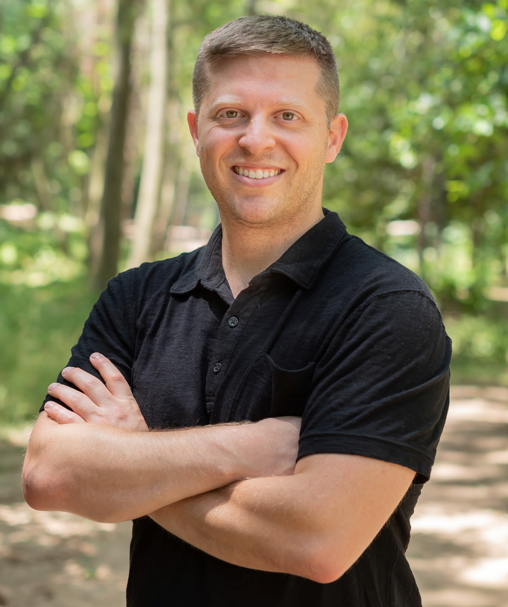

Guest
Charles Lee
Author & Leadership Consultant, Charles Lee
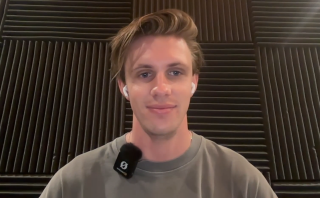
Charles Lee is the author of Design Your Good Life and a leadership consultant who believes genuine business flows from authentic relationships. He breaks down why treating human connection like a transactional sales funnel holds you back, and shares how curiosity, patience, and presence are the real networking superpowers.
Chapters


Just raised, acquired, or launched?
Guaranteed CNBC, Bloomberg, and MSN.com coverage from one 30-minute interview,
timed to your milestone while it's still news.
Raises, acquisitions, product launches, and major hires create a narrow window where third-party press stops being optional. We turn that moment into a month of content.
Distribution through a channel with 2M+ real views
Full Transcript
Charles Lee: The resting thinking face of people can often look disinterested. Remember that our eye contact and our body language speaks volumes of our interest of that person.
Sean Weisbrot: It's not worth me like ending a friendship because they forgot my birthday. I used to give speeches in front of 700 people. Now I'm just so used to being behind a camera interviewing someone one to one.
Charles Lee: When it's all said and done, how much is enough?
Sean Weisbrot: What's the most important thing that you've learned from networking in your life so far?
Charles Lee: Yeah, I think, um, at the end of the day, really business or even um, anything personal just flows the relationship. And so I think taking the time to invest in things that may not seem quote unquote productive sometimes I think is a good thing because I think when it's all said and done, it's about two or more human beings being connected with one another, and that just takes time and it's really about relationship and often business flows the relationship.
Sean Weisbrot: Uh, can you think of an example of someone that you got to know and then started to do some sort of business or some, some sort of, whether it was, uh, you, you started a company together, or, uh, you started promoting one of their services, something like that. How, how long was it before you felt comfortable to start actually putting energy into something with them?
Charles Lee: Yeah. Um, I, I actually have a, um. A story, you know, it was, uh, years ago, and I think it was like on a. Friday night, a friend of mine had asked, Hey, can you come speak to these, uh, university age students who are looking for mentors and a career? And I remember driving there 'cause it was like all rainy and it was one of those weeks, it was just terrible. I didn't want to go, I didn't want to do anything. Uh, and yet I had made this commitment and so I was going, uh, and it was like a free event that I was volunteering for. And then all the way there, I was just kind of complaining to myself, like, why am I wasting time doing this? You know, I need to go finish this other project. And when I got there, I sat on a panel and as we were going through a panel, one of the panelists, we just kind of hit it off. And I didn't know fully who she was. I knew she was part of a big corporation. Uh, we're, you know, our answers were kind of jiving with each other. And afterwards, uh, she, you know, both of us said, Hey, let's go out for coffee one day. And so about a month later, we finally met up for coffee and I got to hear a little bit more about her story and the work that she was doing. Um, and then it took a few weeks, but we stayed in touch. I sent her some things that I was doing, we started to share, and then she eventually said, Hey, do you want to, you know, moderate a panel? At this big entertainment company, I like the way you, you know, frame things, talk about it, encourage other people to provide input. And so I said Sure. And that was yet another free thing I was gonna go do. And I went and little did I know that it was really, um, sponsored by this company. And, um, I did it. Everything went really well. The company eventually said, Hey, we'd like to talk to you about doing some work for our business. And they actually eventually ended up becoming one of our largest clients over the last, you know, 15 years. And so it, it was just kind of a series of events where you don't know fully where it's going, but staying true to just being focused on the person you're connecting with. And over time, it led to, uh, one of our largest accounts.
Sean Weisbrot: Were there specific things about this person that gave you clues that it was worth continuing to put energy into something, you know, even if you didn't
Charles Lee: know what was gonna happen? Yeah, I think that's a great question. Yeah, I think, I think I knew right off the bat that one, she legitimately knew her space. The way that she was talking about her profession and the role. And then secondly, um, you could tell right from the beginning that she had a pretty, uh, open mind, uh, of work, uh, who she works with, and she was willing to stay curious. And I think that's a big part of human connection is if you could sense that the other person is actually curious about the things you're working on and vice versa. I think that's always a good relationship. Um, I think it's less than, you know, you've probably been to network meetings where you're talking to someone and they're looking beyond you for the next connection. Uh, and this person was actually present in all conversations. Um, and then we built enough trust where I think. I did some things that was just out of goodwill and she did the same and we were still very close and built relationship and now we've, you know, known each other for about 15 years.
Sean Weisbrot: Quick break. I put together a free guide called Network Before you need it. It's six lessons I learned that helped me create over a hundred million dollars in value for my network, generate over $15 million in revenue for my businesses and fundraise over $8 million for my businesses and my clients. If you want to build relationships that work for you before you need them, go get this guide right now. The link is in the show notes. Okay, let's get back. That's great. I love that you said the word curiosity because it's something that I talk about a lot because like I think a lot of people when they're starting out, they're like, what am I supposed to say to people? What am I supposed to do? How am I supposed to start the conversation? And part of my message is, if you're a curious person, the conversation will just happen, right?
Charles Lee: Yep. Yeah, I think so.
Sean Weisbrot: If you're learning new things, if you're traveling to places, if you're talking to different people, you'll gain experience. You'll learn more about yourself, and you'll learn more about the world, and you'll learn more about how other people tick. And so every next conversation you have is gonna be more interesting, more genuine, more valuable, hopefully for both of you. And so as you get older, as you get more experienced, you're gonna just become much more of a natural. At having those conversations and figuring out who's gonna be the right person. But it all starts with curiosity. And if you don't have that, you're screwed.
Charles Lee: Yeah, I totally agree. I, I think if you're curious, you'll move beyond questions like, what do you do, you know, what do you think about the weather? Um, I think you could dig a little bit deeper and be observant and think about, you know, just interesting questions of like, what makes him laugh, what makes him cry? What are the kinds of things that really drive their passions behind their work? And you start to really dig into really more about the person, because all those other things, like those are so, so many like common questions. Soon as you ask that they're probably tuning out. You're probably tuning out. Uh, I often ask people like, do you remember like the name of the person you're speaking with? So one simple practice might be is use their name, remember their name?
Sean Weisbrot: Yeah.
Charles Lee: And use their name in the conversation at least three times. So that that'll kind of help you remember. So there's little things of like how to increase your connection with another human being.
Sean Weisbrot: Yeah, I, I remember learning about that a long time ago, and I don't do it as much as I probably should, but I do come across people that use my name and when other people use my name, I definitely appreciate it. I'm like, oh, okay. They're remembered. Because it's easy to stand in front of someone you don't know and pretend you know their name and just keep going on the conversation going, dammit, like it's going further and further into the conversation. And I forgot their name, but like, I feel bad asking them again what their name is because we're having this conversation. It just feels awkward and weird. And so yeah, definitely if you forget someone's name, the if I, maybe the, maybe the clue is if you forget their name, you probably shouldn't keep talking to them.
Charles Lee: Yeah, possibly. Yeah. I think it's just like habit, right? I think Sean, like you, um, probably have done this and you, you're a great networker, so I think you just, we just gotta force ourselves. To one, remember the name, and two, remember that our eye contact and our body language speaks volumes of our interest of that person. So I remember learning from a really phenomenal leader who was really well known, and I would watch him talk to somebody if someone came up to him after speaking engagement or something like that to talk to him. He made sure he never looked around. That person felt as if he, you know, he was only focused on them. And I tried really hard over the years to try to develop that skill. But it takes practice like any other discipline. And then after a while it just becomes second nature of how, how you live and how you connect with people.
Sean Weisbrot: It's very hard for me as someone with a DHD because I'm constantly distracted by things, but at the same time, when I am in a conversation and I'm interested in it. Sometimes I feel like I make people uncomfortable with how like direct my eye contact is and, and so I've actually had to try to figure out how I could soften my gaze when I'm talking to people. Because I see some people they'll look away because maybe they feel uncomfortable with how direct the con, especially when I was in China, I found that people were not comfortable with it.
Charles Lee: Mm-hmm.
Sean Weisbrot: Especially like in Asian cultures, people aren't so comfortable with it. Um, but even in the US people aren't so comfortable with it. So it's, it's really just a human nature thing. It's like they want eye contact, but they don't want too much eye contact.
Charles Lee: Yeah. I mean, if you're piercing into their soul, that might be one thing, right?
Sean Weisbrot: I'm trying not to.
Charles Lee: Yeah. Yeah.
Sean Weisbrot: I'm trying not to, but I spent so much time, I was 10 years in China and in inside mainland China. Like people don't really show their emotions too much. So over 10 years of living there, I kind of stopped really showing my emotions, even though I didn't stop feeling them. And so sometimes I may be looking at you and I may be happy and, and enjoying the conversation, but I may look like I'm dead. I may look like I'm not enjoying myself, and so maybe that feels like a pierce. I don't know. I, I'm not trying to pierce people's souls, but
Charles Lee: yeah, I, I mean, you've, you've probably like spoken in different venues, like, you know, the, the resting thinking face of people. Can often look disinterested. So I think part of it is like being conscious about like how we even look when we're talking to somebody. Uh, if there's some way to observe it. Um, you know, so I think that's like good practice of, is that even if you're like fully interested. 'cause it could be another way, right? Some people may feel like, man, you're really like too strong of eye contact. Others are like, you're not interested in both may be false. It may just be the way you, when you're thinking you're face does a particular expression. So you know, you could tell when you're speaking and there's a crowd. Some people just look so disinterested and yet sometimes they're the very ones who come up after saying how much they enjoyed it and the reasons why.
Sean Weisbrot: Hmm. To be fair, I haven't given a speech on a stage in 10 years.
Charles Lee: Oh, wow.
Sean Weisbrot: I used to do it a lot in China. I had many, many opportunities to do that in China, some in English, some in Chinese, and I loved it. But when I left China, I kind of put that part behind because being in Vietnam, there weren't those opportunities. And now in Portugal it's just a different culture. They don't really, like, I would have to be like on doing a comedy show, like, or in improv or like I'd have to be doing something different. Um, there isn't really opportunities like that as far as I know. Um, but I liked it. I mean, I used to give speeches in front of 700 people, like I, my, so I had an event and my event had 700 people and I was the host of it. So I would get in front of the people and I would talk to them and, and I did a speech or two here and there for that size, like actual speech.
Charles Lee: Mm-hmm.
Sean Weisbrot: Which was great. And like that it didn't phase me when I was younger. Now I'm just so used to being behind a camera, interviewing someone one-to-one. That I've forgotten what it feels like to stand up on a stage in front of people. I would definitely do it again. I probably would like, I think I'm worth someone paying for, but I also would probably do it for free in the beginning, just to kind of get comfortable again with being on a stage. Um, but yeah, I, I really did enjoy it when I, when I used to do it.
Charles Lee: Yeah, I mean, I think, uh. Any chance you get to kinda, um, either facilitate or provide like insights or knowledge, I think people would genuinely appreciate if you can do it with the right heart.
Sean Weisbrot: For sure. So there's something that I've been thinking about that's been really cool to see for myself, and I would love to know from you if there's a mental map of. The person who got you to the next thing that led you to the next person. Like if, if you, if you have that in your head of like, oh, I met this person, and then that happened and because of that, that happened and then that happened, uh, to like kind of go, this is where I am now because of those people. Without them, those things wouldn't have happened. Do you, do you have, have you ever thought of that and are you able to like map that?
Charles Lee: Yeah, I definitely, when I. Meet somebody or work with somebody. I do often think of the number of connections. So like, you know, a practical, professional example is, um, I have a, one of our clients, uh, there's a person we've worked with for about 12 years now, and, uh, she's an incredible networker and, um, she has made so many introductions, un unsolicited. Whenever we're at events together, she'll pull me aside, introduce me to her other executive friends, and um, she just kind of goes and I look at my network in a good, I think percentage of them are actually tied back to who she is, but it's taken over like 10 years, you know? And, um, I've never asked her to make introductions. I think it's always been just kind of the producing the quality of work. And, uh, getting to know her and her life. And so, um, I think over the years, um, it, it's just been, you know, organic. It's not a sales funnel. Um, but I also know that like some of the connections that she's provided, it takes years. To build enough trust to then, you know, that leading to business, even if business is not the goal. Um, I think it's just that patience, consistency, checking in on people. Uh, and so I do have a, you know, way of like when I hear certain things from individuals, I'll note it on my calendar to follow up at a certain time. And not just about projects, but about their personal life. Like for example, people may remember birthdays, but. I tend to also note, like if they lost a loved one on a certain date, for example. Mm-hmm. That I, I know a year from now, two years from now, they're gonna feel it on those days and it's nice to just drop a note, not to get them as a client, but just to continue to build relationships. So building little skill sets like that or practices have helped me just kind of note to go a little bit deeper than the usual professional connections.
Sean Weisbrot: I always add people's birthdays to my calendar. And every year, either I'll call them or I'll send them a message if I can't call. And some of them are like, how do you keep remembering my birthday year after year, even if we just don't talk all that time? All the time? And one of them, I told 'em, I'm like, well, actually, I just have your birthday on my calendar. I go, I, I remember it in my head, but I have it in the calendar too. And that, that's how I remember your birthday. And so one of, uh, one of the people that asked today, he's like, all right, I'm gonna put your birthday on my calendar so I don't forget yours. Because I do have some friends that I remember all of those details and they forget everything. And when I was younger, I'd be like. Maybe they're not that good of a friend if they don't care about this information. But then as I got older, I'm like, they have other things that are more important to them. So if that is a detail that they don't get right, probably with most people, it's not worth me like ending a friendship because they forgot my birthday because they're gonna remember other things about me. That are more important in their mind that I may not think is important because everyone's different. So for me, um, a birthday is important, but other people birthday doesn't really matter to them. So, like you said, remembering the date at which someone lost someone is probably a really important thing. And they're like, damn, you remember that? Like, wow, I can't believe you, you know, did that where if you remember their birthday, they maybe don't care. So I think it depends on the individual and, yeah.
Charles Lee: Yeah.
Sean Weisbrot: It depends on the individual that you're caring for by expressing these things and the thing that is important to them, even if it's not what's important to you, if that makes sense.
Charles Lee: Correct. Yeah. If.
Sean Weisbrot: So I wanna go back real fast. The woman that you said has introduced you to a lot of people, it's a different woman from the woman that brought you in to do the moderate. Okay. And would you say even though it sometimes it takes years to build the relationships with those, uh, people that she introduces, would say that without her in your life, your business wouldn't be where it is, it just fundamentally would be at a different level?
Charles Lee: Yeah. Yeah, absolutely. And I've communicated that and, you know, shown gratitude. Um, I think definitely I've made a ton of introductions for other people that have led to business and other, like friendships and, and such. Um, I convened a lot of conferences over the years and through that. I've intentionally try to make connections with whether speakers or people attending the event. Uh, you know, often when we throw an event, we also have our team members do some research on the participants. So when you show up, we try to introduce you. For example, if you're a participant to three or four other. What we deem to be a meaningful contact. So we have kind of intentionally built this network. So I think expressing gratitude, not taking it for granted, honoring their time, their energy, all those kinds of things through, whether it's words or uh, sometimes gifts or things of that nature. It's just say, Hey, I, I acknowledge that your network, you know, people, some people say your network is your net worth, right? So your network is valuable. Thank you for the trust that you've provided in introducing me to your friend. I'll do my best to kind of steward and take care of that relationship so that it comes back and reflects positively on you. So I do take it with a very, very, like, high responsibility whenever someone makes an introduction.
Sean Weisbrot: So like what are the, what are some of the ways that you've specifically expressed gratitude to this woman?
Charles Lee: Yeah, I think notes, um, definitely we've shared a lot of meals. We've, um, you know, and I, I've made connections. Um, I've definitely been flexible in when she needs some help, uh, with her projects. Um, just kind of being available anytime. You know, I may be on vacation, but still we'll make time if there's an important call. Uh, it's just been part of this reciprocal relationship. And then, you know, our other clients do something similar as well, is that we wanna keep building these type of relationships. Same thing with friends, right? I think, uh, friendship is a two-way street. And so even with my circles of friends, um, just making sure I'm available, uh, no matter how busy I am and, and trying to be as accessible as possible.
Sean Weisbrot: Makes sense. How does your networking events. Help you?
Charles Lee: Uh, no. No. Some of the conference, yeah, some of the conferences, uh, we used to do, we, you know, when I was first kind of launching our business about, I don't know. 16, 17 years ago. Um, I did about 15 conferences in three years, which I don't always recommend. Um, but we did a lot of like networking events. Some events were free, some are, you know, just conferences. So, uh, they would, uh, cost. Uh, money. But, you know, I think there's, 'cause I got some really good advice early in, like developing a network and how you do it is, you know, you deliver value. And so some of that value and as you're delivering value, as you're curating meaningful content, you also kind of increase your thought leadership just by convening, people will associate whatever topic that is with the convener. So even though I was not an expert, I had a front row seat. To bring in experts to talk about a topic. And I gained personal knowledge, but even just indirectly, just being the one who convened around a topic, I became a leader in that space because people would ask, you know, how I thought about it, how I would frame it. I would sometimes moderate some of the, you know, panels and discussions. And so I think for me, um, networking and curating goes hand in hand. Uh, because, you know, networking is, you could throw a networking event. If you're not curating it well, uh, I feel like it's just not a waste of people's time. 'cause people can still connect, but it's not, it's not gonna create the maximum impact you want at an event. And so I, I've always viewed like networking as not just like professional connecting, but it's all about relationship building and how intentional myself or our team can be in curating those relationships and the content that draws people together.
Sean Weisbrot: That's one of the reasons why I don't like going to networking events. I, I, I used to go a lot in China and they were, they were, a lot of them were pretty good, just able to meet really great people. That brought me a lot of opportunities. Um, when I went to Vietnam, I tried going to networking events and they weren't of the same caliber. I was in, uh, ho Chi Minh City. Maybe if I was on ha in Haole, I don't know. But, uh, and then again, when I got to Portugal, I kind of just said, there's not really a point. Maybe there is, maybe I should look into it now. It seems like it's a lot more international in terms of a lot of entrepreneurs and investors coming here and, and moving here these days. So maybe there are more opportunities than I thought. Um, but also it's about protecting my time, just like. If I had to choose between two hours of going somewhere, talking to people, not knowing if anything's gonna be a value and then going home, I'd rather kind of just stay at home and work, because I know that when I'm working, I'm, I'm doing something. I'm improving workflows, I am making things work better on my, uh, website. I am thinking of the next video or the next, uh, newsletter, article, or. Uh, you know, putting out the next post on help a reporter to find people to interview, whatever it is, I'm gonna be able to get stuff done. But in those hours that I'm doing that I may not be able to get anything done. And so I have to weigh those because my time is very limited.
Charles Lee: Yeah, I think everyone's time is super, um, you know, obviously limited and important and valuable. And so I would recommend if people are going to a networking event, they have some type of objective behind it. Not so much like I'm gonna convert people into a client or things of that nature, but it may be like, you know, maybe learning a new way people, you know, a new industry. Like, so I'll go to events that are outside of my field. And I, I'll try to go to a conference at least once a year. That's like on the peripheral of what I do, for example, because I wanna know how people solve problems. I wanna know how people think. I wanna know, we work across industries, so for me it's valuable that, Hey, how does the medical profession solve problems versus an engineer, versus a creative. And for me, like I'll enter the rooms, very curious. About how people think about things. Um, and so that may be a reason for me to leave work to go to something. But I think it varies by people. I think, you know, going out every single night to a networking event doesn't make sense either. 'cause you still need to get work done. Um, so I think it's a matter of like a little bit of planning, a little bit of like what's a, what's a win for you if you go to an event? And people directly jump into like, just kind of the transactional, uh, win. But I think there's so much more to that. Maybe you wanna learn how a facilitator curates a meeting. Um, you know, because like often like innovation in our research around innovation, uh, through our businesses that look ideas, some of the most innovative ideas are re result of two or more seemingly unrelated concepts intersecting. You can kind of create the environment in which those things could happen as often meeting with people outside of your field. And so I think that's where I, I would say go if you have some purpose behind going, if not, absolutely work on what you need to work on. So it kind of depends.
Sean Weisbrot: I think what kills networking events for me is that I get to interview people all the time that are doing wildly different things than me. That are living in wildly different places than me. And so all of that curiosity is like spent on learning from people like you because I, I know who I want to talk to. I, I know why I wanna talk to them. And so I get to put my, my curiosity towards that.
Charles Lee: I think you're an anomaly though, Sean, right? I think you have a unique. Line of sight into people's lives that, uh, most people don't. So I think for you Yeah, that totally makes sense because this is kind of your networking too. Um, yeah, yeah. So I think for you, yeah, absolutely. I, but I, I would think if someone's listening and they're not in your shoes, but not must, they just need some purpose behind why they're going to an event like that.
Sean Weisbrot: Right. And so when I used to be really heavy on networking, I would go up to four, uh, up to four nights a week to different events in Shenzhen. I mean, there's a city of 20 million, almost 20 million people. You know, the government said it was like 13, but you know, we all, we all know the, the government doesn't tell us the full story. And so like, we would go to these events and here in Lisbon there's like half a million people. 800 thou, like, you know, maybe a million max in the, the larger area. So like, there's vastly less people, so there's less opportunities, there's less events. But when I was in China, when I was running my own event, I was trying to promote the event and so I was going out and meeting people and, and learning about them and telling them about what I did. And that was a way that I was able to get free promotion, you know? 'cause if there's 50 people and I could talk to like 20 of them in a two hour period, that's potentially 20 people that might show up to my next event. Right. And, and because it was a free to attend event, we got 700 people to come every month. 'cause it doesn't cost them to come. All it takes is their time. And based on the way we were doing things, it was so good that people were like, yeah, I'll give you a few hours of my time. And they appreciated it and people would come back. But through those conversations, for example, I, I went to this bar one night with, um. You know, with my partner, and it was a, a location that we went to many times. It was a famous area in the city and there was a woman from Hong Kong, 'cause Hong Kong's on the other side of the river. She's from Hong Kong, lived in Shenzhen and she was working with really wealthy clients and she loved what we were doing. And so she decided to come and we ended up becoming really good friends, or me, my partner and her, and we stayed friends with her for years. I haven't talked to her obvious, uh, not obviously, but unfortunately for many years. But, uh, we used to go to her, her apartment in Shenzhen all the time, and she would feed us meals and she was kind of like a, like an aunt to us because she was, call it 15 years, 20 years older than us. And so she, she loved what we were doing. She was impressed by us. She was working with bus, you know, with wealthy business people. She had spent years in Hong Kong doing, uh, wealth management and, and like, you know, high, high level banking and she just. Enjoyed spending time with the people that were younger than her. But if I hadn't gone networking, I would've never made a friend like that. And she was really important. You know, there was a time when my partner and I were having problems with the business, or we'd have problems with each other, and sometimes we'd be able to talk to her and get really good advice. Um, and so she was really, you know, there wasn't much we could do for her because we, we were, you know, just coming up. We didn't have any money. We didn't, you know, we barely knew, you know. Ourselves. And so yeah, just having someone like her around as like a sounding board and, and someone to feed us was, was important and appreciated.
Charles Lee: That's great.
Sean Weisbrot: So what's the most important thing you've learned that you wanna leave the audience with?
Charles Lee: I think life in general, I would, you know, I always ask like two questions. One is, at the end of the day, what matters most to you? And whatever that is. It could be a relationship, it could be a pursuit. Um, my recommendation is you have to invest time in it every day or e every day possible. Uh, I know not everything's under our control. And, and then the second thing is just asking yourself, like when it's all said and done, um. How much is enough? And it may be in regards to your lifestyle, money, time, uh, and such. And, and I think, you know, while it's great to pursue things, um, there is a point where it goes beyond, it's gonna come at a cost. Most things valuable come at a cost. Um, but I think having a sense of like, you know, if you knew what is enough for you. And you knew what matters most. It can kind of act as a little bit of a compass of to, you know, saying yes or no to things. 'cause it you, there's so much opportunity for distraction and drift and sideways energy, um, that if you're not focused on what matters, and secondly, in this particular season of life, what you would deem contentment, uh, it's gonna be hard to gauge. You're gonna just end up scrambling based on whatever people tell you to go pursue.
Sean Weisbrot: Thanks for watching. If you liked this insight, I've handpicked another video for you right here on the screen. For more actionable strategies that get you real results, hit subscribe.
Just raised, acquired, or launched?
Guaranteed CNBC, Bloomberg, and MSN.com coverage from one 30-minute interview,
timed to your milestone while it's still news.
Raises, acquisitions, product launches, and major hires create a narrow window where third-party press stops being optional. We turn that moment into a month of content.
Distribution through a channel with 2M+ real views
