
We're Forced to Automate or Get Left in the Dust
In the "Amazon Age," customers expect custom products yesterday. Eric Turney explains why businesses are now "forced to automate" or get left behind. In this interview, he reveals how Chinese manufacturers are using robotics to reduce factory lines from 50 workers to just 5 and why speed is now everything in e-commerce. Eric shares his journey from traditional manufacturing to building AI-powered automation systems, the reality of competing against Amazon's logistics machine, and why he believes most businesses will need to adopt AI or risk becoming obsolete. He also discusses his experience building a SaaS app with Cursor AI, fixing critical bugs in 30 minutes with Claude, and the harsh reality of buying a business (it's harder than you think).


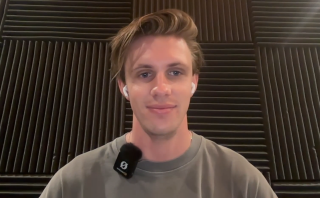
Guest
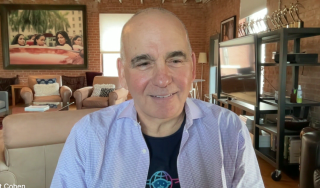
Eric Turney
E-commerce Automation Expert, Monterey Company
Eric Turney is an E-commerce Automation Expert at Monterey Company. He explains why in the "Amazon Age," businesses are now "forced to automate" or get left behind, revealing how Chinese manufacturers are using robotics to reduce factory lines from 50 workers to just 5, and why speed is now everything in e-commerce.
Chapters


Just raised, acquired, or launched?
Guaranteed CNBC, Bloomberg, and MSN.com coverage from one 30-minute interview,
timed to your milestone while it's still news.
Raises, acquisitions, product launches, and major hires create a narrow window where third-party press stops being optional. We turn that moment into a month of content.


Distribution through a channel with 2M+ real views
Full Transcript
Sean Weisbrot: In my world, everyone talks about automation all day long, but a lot of businesses don't really know anything about it. And one of the things that I think people should be thinking about is business operations and how to automate them. What has your experience been? What's the state of affairs of e-commerce and manufacturing and automation?
Eric Turney: Great question. I mean, that's a, there's a lot to that piece too. Um, with the e-commerce piece, you have the leg up to where you can easily add automation to so many of your tools, whether it's attribution, whether it's order management, whether it's even shipping, um, whether, I mean, there's so many different pieces. You can go into that and then coupling it with manufacturing. Um. I mean, manufacturing's getting crazy these days with how much they are. Um, sorry about that. They are, uh, utilizing robotics, utilizing, um. Uh, AI to really just scale their models. I mean, the vendors that we use overseas are, um, automatic enabling machines, automatic presses. Um, in, in the past they would be a team of, let's say 300 that would do the, the manufacturing and they can get the same output with, with about 180, 200. Um. So you're looking at less payroll, less man hours, um, to, to really do a more pri pristine job. So, um, it, it's crazy. I mean, when we've gone over there and visited. Again, these automatic enabling machines, the automatic, uh, presses when they're stamping out molds, uh, have just been a game changer over there. They're not cheap pieces of equipment, so not the, the smaller manufacturers can't afford 'em, but I see like the bigger manufacturers really taking over and kind of pushing out some of the smaller ones with these massive, uh, scaled robotic AI machines. It's very cool.
Sean Weisbrot: Hey, business leaders and marketers. What if your brand could be featured right here? This ad spot could be yours. This channel is watched by a dedicated audience of ambitious founders, executives, and professionals who are actively looking for tools and services to help their business grow. If you wanna put your brand in front of this highly dedicated audience, that's difficult to reach. I'm currently looking for a few strategic partners for the channel. To learn more about sponsorship opportunities, click the link in the description. Let's go together. So when was the last time you went? I'm guessing it was to China?
Eric Turney: Yeah. Yep. We had a team go back in October. Um, I, I just vi I actually didn't get the chance to go, but, um, watched a ton of videos, video called with them. Very, very, and you know, we actually had some visit us yesterday, so. Lots of videos, lots of video chats, lots of video calls, and, um, really dialing in their process and watching them dial in their process is, is so cool.
Sean Weisbrot: How does that happen? I've, I've never seen something like that. So explain it if you can.
Eric Turney: Yeah. Uh, which element?
Sean Weisbrot: Like, uh, um, dialing in their processes. Like is it something that you can see happening on the call you, is it something that takes time and this is a process based thing that you're talking about?
Eric Turney: Yeah, no, that's, um, yeah, it, it's kind of been an evolution really. Um, 'cause we, we like to. Hop on video calls with them at least once a quarter to check in. And uh, and we work with about eight different manufacturers overseas. Most of them are in China. We have one in Bangladesh, one in Vietnam. Um, we've seen their process go from. 20 workers sitting at a table, hand filling enamel pieces. Uh, sometimes as many as 50 in like white coats. Um, just sitting there in like these big dust free facilities. Um, 'cause you don't want like a speck of dust to hit the enamel. It'll create an imperfection. We've seen that go, uh, move to these. Ro, for lack of a better word, like robotic arms to where they fill the enamel in these machines. They set 'em all out on a tray, put 'em in, and the machine actually fills it automatically. Um, that evolution watching was in our industry, like, um, a massive game changer over there. 'cause. You're taking 50 workers and now you need five that can do the same process and the level of there's imperfections with, um, hand filling enamel. It's just the human nature, and you can get it to a t with these enamel enamel machines. That's, that's one piece we've seen. Um. Really, really, uh, really be a game changer over there. So, and I'm excited to see what like the next process is, um, over there for manufacturing,
Sean Weisbrot: how expensive is it to go and invest in these kinds of machines?
Eric Turney: Oh, they're, they're not cheap. They're not cheap. Um, I don't know exactly to be, to be exactly. Uh, sure. I I can imagine there are hundreds of thousands of dollars. Um, there was a vendor that we worked with that started in 2014 with a small crew of like 10 people, and now they're at like, at 400 with these, uh, enabling machines. And all, all the profit. I know they put right back into the, the manufacturing and equipment. Um, but I'm sure the, their building is like 15,000 square feet. Um, they, um, it's a massive operation over there. I mean, I, I, I imagine there, there are multiple millions of dollars in, in, in equipment, um, from, from all their stages of processing. So that means they need to, you know, take in a lot of orders to, they need to, to pump out a good volume and an excellent quality to keep their business alive.
Sean Weisbrot: So. You were saying you're, you're not just helping them to work with the automation of their production lines, but also with the business processes. You're talking about order management and things like that. Why don't you talk about more about that?
Eric Turney: Sure, sure, sure. Um, uh, like on our end, um, we will send, um, like when a customer gets ready and places an order with us. We send a purchase order over there and they, they begin production, um, on the order as far as managing that order on our end. Um, a lot of the products that we produce take time to produce, um, some of 'em as much as six weeks, so managing hundreds and hundreds of orders on the backend. Can be a daunting task task, especially with the amount that we scaled right around 20 20, 20 21. All of a sudden we were getting an influx of people calling, Hey, where's my order? Hey, what's going on? We, we created like a, a big bottleneck when we were scaling and, um, because of the time it took to produce, so we needed to develop a. Like more touch points within the customer instead of wasting a bunch of time for our reps and our customer service to answer the call. And the customer gets annoyed too when they're like, you know, it's been three weeks. I haven't heard from you guys what's going on. What we used with AI was, um, a and we, we use Monday for our, like an order management system, monday.com. Um, was a series of touch points along the way to check in with the customer. So, hey, your order's in production, your order's in queue, your order's in the plating stage, your order's in the enameling stage, your order's finishing packaging. Now it's shipping. Here's the tracking number. Um, touch points along the way have, have helped massively that, uh, that. Three week, four week in between time where customers don't know what's going on. Also, it's been a, uh, an. Like a chance to upsell too. So in that time when they get those emails, uh, or texts, you can throw out stickers. Hey, we do, you know, add-ons. Um, little things like that. So in order management, I think a lot of like. DTC e-commerce businesses don't have that. 'cause they sell a product, it ships the next day. They're good. One-time customers we're kind of in a unique model where it takes us a little while to produce, you know, their, their custom product. Here's one we did for, for Bentley. We did a custom letter opener for. Um, pretty, pretty sweet little product, but this took, I think, five weeks to produce. Um, and that was after artwork has approved 3D mockups are approved. I mean, uh, it takes, takes time to produce some cool stuff like that.
Sean Weisbrot: It took time to get the, the base form of what you were gonna make. But it took five minutes. Uh, it took five weeks from when they said, okay, go. Looks like they, they ordered like, what, 10,000 of these? Something like that. And it took five weeks to make the 10,000 units, something like that.
Eric Turney: Yeah. Yeah. And that does include the importing of it too. So air freight, which I mean a week typically to, um, to do that. So yeah, once, uh, we get the go, the, the 3D mockups are approved. They give us the green light, five weeks for them from. Start of building the mold till they have it in their hands. Really? And five weeks is on a a pretty extreme scale most of the time. That doesn't sound seem like bad. Two three. I know, right? Yeah. You'd be surprised in the Amazon age, people want two day, they want it yesterday,
Sean Weisbrot: so Yeah. But you're doing a business to business custom solution like. It's coming from overseas. Of course that's not gonna come in a day or two.
Eric Turney: Yeah, me and you think alike, but not, not. Um, and especially like large, um, large corporations that come to us with their, it's typically like a marketing team, and they're, they're put on like, I guess their executives are putting pressure on them, and then they're putting pressure on their employees and it's like. A, we get that so much.
Sean Weisbrot: They probably spent six months trying to figure out if they wanna work with you. Yeah, yeah. And then you sign a contract and they're like, all right, why isn't it done yet? And you're like, I just got the contract signed yesterday, man. Gimme a minute.
Eric Turney: Yeah, exactly. Speed is so, such a, um. Overlooked thing. I feel like, um, craftsmanship, speed is, yeah. In, in today's world, people want things so fast and it, it, we're, we're forced to, to automate our processes or we kind of get left in the dust, you know, then move on to the next thing. They want a mug now. They don't want the letter opener. We're just gonna get mugs from our other guy who can print 'em and. 10 days, you know, or whatever. So
Sean Weisbrot: what kind of things have you noticed recently that have made you feel the pressure to automate your own business?
Eric Turney: Hmm. I like that question. Um, uh, looking at competitors. I think and what they're doing with their websites, uh, and maybe not even direct competitors, just other websites that are on the, the cutting edge. It really put a, a stamp on us that we have to get ahead of this. Or we're gonna get left behind. I mean, one example is there's a, a, a competitor of ours that has a tool on their website that is a image editor, an AI image editor. It's not the greatest tool. I mean, it's, it's kind of fun to play around with. Um, but we aren't even on that stage yet, to be honest. We are, uh, adding like a. An an editor, you know, an AI mockup tool on your, on the, uh, is is months away for us and they're already unrolling it so that, that they unrolled that, I don't know, it was six months ago or so, and that really drove home to us that we need to really get serious about ai, about automations, about. Really the customer journey and implementing these tools, or we're not going to be able to scale like we want to essentially.
Sean Weisbrot: So this is what, like a tool that lets you, uh, upload the thing that you want to be produced in a way that also kind of turns it into a 3D model, from like a 2D image or something. Or
Eric Turney: the theirs doesn't do a 3D model. It's pretty basic. It's very like, uh, stage one. A beta version, and it's just for, uh, a couple of their products. They do it for patches. So you could upload your, um, your logo and, uh, let's, you know, here's a patch here that we did. Um, you could upload or you could just write in text like this and create a simple flat patch like that with it. Nothing 3D yet. Um, but. The, the tool was really cool. I mean, it gave the option to upload your logo and see, uh, rudimentary, simple, you know, idea of what it'll look like. Uh, without having a graphic designer too involved, I feel like you could probably vibe code. I think so too. That's
Sean Weisbrot: so funny. Like I, I don't know why you're, you're talking about months. You're like, it's months away. I'm like, why isn't it like minutes away?
Eric Turney: That's, I just got on the rep lid train like two weeks ago. Um, and lovable and like using it for tools like that I've designed, like I used to use Bolt AI and like have done some kind of fun things with it. But, um, the one snag that we have. That I think is very fixable though with Rep Lid is it outputs all of it in, uh, JavaScript, which is fine. Um, for a tool like that. It's just we're so SEO friendly that, uh, and Google doesn't like JavaScript as much as it likes simple H-T-M-L-C-S-S. All you need
Sean Weisbrot: is to be able to have the wording. You, you just put SEO around the tool, but the tool exists as the language it needs to be in inside of your website.
Eric Turney: Yeah. Yep. And, and we've, you're, you're a hundred percent right. You kind of, you kind of blanket it in, um, you know, uh, your tool, uh, and then have all your code and HTML and everything else. Um, it shouldn't be that hard, but. You could probably put
Sean Weisbrot: even, you could probably even SEO proof the code itself.
Eric Turney: Mm-hmm.
Sean Weisbrot: So you could say like, the name of the tool is related to the thing that you want that to rank for is like, you know, you. AI powered, you know, upload your image and see how it looks without a graphic designer in five seconds or less. Or we give you a free pizza. I dunno. There you go. I like it. What? Whatever you free coupon
Eric Turney: and dominoes.
Sean Weisbrot: Yeah. Like some people will call, they'll do um, uh, like they'll do cold email outreach and they'll go, I'm gonna give you a $15 gift card to Amazon. Just show up to the call.
Eric Turney: Yeah, I've gotten those. And you get it. Yeah. I've never actually showed up to the call though. Yeah, I, it is enticing, it gets me to, at minimum open the email. That's, you know, with the amount of outreach emails we get, that's, that's a leg up. You know, we get hundreds every day. So Do you do vi, I mean, what's your favorite vibe coding tool? Um, lovable. What's, what do you like?
Sean Weisbrot: I use Cursor with Claude 4.5 currently.
Eric Turney: Mm-hmm.
Sean Weisbrot: Yeah, I started off on Lovable and then, uh. I, I joined a community of Vibe coding people. This is like seven or eight months ago, and they were like, screw lovable. You should use Cursor. Because Cursor is closer to the developers environment that they typically use with a local where, where the files are, uh, the repository is cloned to your local hard drive. And so. Developers typically will develop locally, and then if there's no issues, they'll push it to the repository. Nice. And then from there, whatever you're branching and all of that. I mean, I don't know if you've ever worked at any of that stuff, but, um. It gets more complicated. Yeah, so I, I used to have a software company, so we, we had multiple branches that we worked with and all the developers had their own systems and they all developed locally, and then they all pushed to the development branch from their local drive, blah, blah, blah, blah. So, uh, I. I learned from them best practices. 'cause I'm, I'm not a technical founder, um, but I learned from them best practices for development and branch management and pushing the code and, you know, quality testing, you know, uh, quality assurance and all that. So I, I, I learned from them. It was a very expensive lesson, but I learned from them how to take an idea. Develop it and launch and you know, get it to production, which a lot of people that vibe code don't have that experience. And so they don't know how to do it. And so a lot of people say the code sucks. Your code can't be like, I like, the funny thing is, I, I had spent three months building, uh, a SaaS tool and got it to production. I told the people in that community and they're like, you can't do that. I'm like, what do you mean you can't do that? They're like, you can't vibe code your way to a production tool. I go, I just did. That's insane. They're like, you can't do that. Like, it just doesn't work. It was, it was a full on sa, like it's a full on B2B SaaS with a website and everything, and the, the goal was to connect to your QuickBooks. This is not for e-commerce brands, um, but the goal is to connect to your QuickBooks, ignore the revenue, and only focus on the expenditures, where you could then see every line of money that went out and all of the details around it, like the QuickBooks would show you where the goal is to be able to accurately see where your company is spending money. So that you could then determine whether you should be trying to reign in certain expenses or cancel certain expenses like subscriptions, things like that. And, um, I had built a, uh, budget. So like you can, you can say, this is my budget for this kind of an expense, and then you would be able to see what you've actually spent. Balanced against what you expect to spend or what you want to spend. So you could see if you're under budget or over budget or just on, you know, where you should be for each of those categories. But then also add a subscription manager. So it would say, I think this isn't a subscription. Is this a subscription? Yes, it is. Okay. Do you want this to be a subscription or do you wanna get rid of this, blah, blah, blah. Then I had built a chatt powered, uh, chat bot that was able to actually read the database so you could communicate with it about your expenses.
Eric Turney: Oh, I like that too. That's just So you connected to the QuickBooks API and just ran kind of like that. Yeah,
Sean Weisbrot: the, the actual software was pretty easy for me to build. It was the QuickBooks, uh, APIs, web hooks and different, uh, refresh tokens and, and all of those things that were an absolute nightmare.
Eric Turney: That's so funny. QuickBooks is a nightmare. I'll, I'll say that. It, it, it has its place and, uh, but I'm not good at it. So
Sean Weisbrot: I, I actually had four businesses ready to pay me to join, and they were all, and, and, and the, my, the, the. The focus for me was these were people I found from the podcast. They were guests that were running businesses. They were spending over a million dollars a year within their business. And I feel like that's where this really starts to become necessary because it's no longer just the founder of the business spending money. There's now maybe like a financial officer or an operations officer, or a technical officer or a marketing officer. Everyone's got different budgets, right? So at that point, you've got multiple people. That have control over where money goes. And so somebody has to make sure that people aren't stealing money or that there's double charges on things that you know shouldn't have happened, or that there's subscriptions that are unnecessary but are continuing to exist, uh, you know, a lot of different things. And so I wanted to work with companies that spent over a million dollars a year in order to justify what I wanted to charge them for the service. Um, and it was working. I got everything working. It was perfectly good. I was ready to, to get those companies on, and then I had made an update and it broke the API relationship. Oh, and I spent weeks trying to fix it and I couldn't, and I said, I'm just gonna give this up. But like I could probably spend $5,000 to some developer who could fix it, and it'd probably make it work forever again, like better again. But then what if it breaks in the middle of like having people pay me? I just, I don't, yeah. Onboarding. I, you know. Yeah, that could just, from those four customers, it would be a six figure, you know, six figure a RR,
Eric Turney: but could see how it would work and be beneficial in our business. 'cause we, we audit those quarterly, we audit our subscription services and do a big one yearly and how much we're spending and budgets are always, uh, uh, quarterly. At least for me, I'm like, oh, we gotta do our budget this, this quarter. We for next quarter. I'm like, Ugh, just hire someone. It's it's tires. Yeah. Yeah. That's true too. Yeah.
Sean Weisbrot: But that's what like an accountant is for, or a comptroller is for.
Eric Turney: Yeah. And we have a finance director, James, and he's wonderful. He, he kills it. But, um, it's just, uh, that, that asp I, what I like in the business is building landing pages, working on, uh, processes, writing. Content. Um, AI can do all that for pages. AI can do that to AI is such a massively awesome tool to do that. It's still, we still need, there's still some human touch that, um, that needs to be added, at least for in the realm of. Like wanting to rank in on Google, um, AI content still does, does fine. And, and I've seen ai, there was a website, AI Invest, if you've ever heard of it. They, they. Or a hundred percent AI content. They don't, they don't hide it. They have off AI authors on their pages and they skyrocketed. I mean, they were getting millions and millions of clicks per month. And then Google finally dropped the hammer on 'em. But they still, um, they still rank very well. Um, and it's very, very user friendly. Awesome articles. Written, written very well. I imagine their prompts are crazy long, but, um, but yeah, you can, you can, all those things, you can help the old ways of hiring a writer, hiring a developer to build your pages. Hi. I mean, it's, it's, it's exciting. Uh, it's awesome. Um, a one man band can do so much.
Sean Weisbrot: Yeah, I mean, I, I literally built a business that was ready to, to have multiple, you know, multiple clients by myself, where five years ago my tech company had a full-time team of 17 and we couldn't push anything out fast enough.
Eric Turney: Yeah. Yeah. Even um, last week we had a problem with the form where in certain browsers it wasn't allowing you to upload an image or a file, and we were like, what is going on? It would've been, uh. A call to our developers, it would've been a meeting, it could have taken days or however long, and paying them however much. Um, I threw the code into Claude. It diagnosed the JavaScript air, gave me the code to put in. It was super simple to, and the problem was fixed in half hour.
Sean Weisbrot: Do you see the envir, like, are you, you're looking at the code at all, like you're, are you. So you open the files, you can see the code, but you don't touch the code yourself?
Eric Turney: I do, yeah. I'll, uh, okay. I, I, I definitely do, um, H-T-M-L-C-S-S, all that. Um, I can totally do myself. Um, and, uh, JavaScript I'm not nearly as good at. Um, but it is a fairly simple language. It's not the most. Complex once you see like the basic elements of it, it's very fun too. But, um, but yeah, in the past, I mean, we're paying developers a lot of money to do stuff that AI can do like that. It's so nice.
Sean Weisbrot: Yeah. People don't realize that there's, there's developers that still put their head in the sand and go. I can't do that. And then you go, but it just did.
Eric Turney: Yeah.
Sean Weisbrot: And you're like, well, it can't do that at scale. It's like, yeah, but it it's doing it at scale. Like they, they, their head is in their ass.
Eric Turney: There are, there are. Um, yeah, I've seen it. Cause issues in certain cases, but I feel like a lot of that was me not giving it the, the, the correct information to work with. Um, and I think that is kind of the, the bottleneck for a lot of developers is, well, maybe they're afraid of job security too. I mean, that could be a big one. They're like, they don't want to admit that their job's going away, but.
Sean Weisbrot: Well, yeah, I mean, like I, I talked to my brother about this 'cause a long time ago. He, he, he works in marketing automation now. He did finance. He, he, he works for Intercontinental the Oh nice. Like headquarters in Atlanta. In the first time around, he worked with him for a number of years doing more like financial risk assessment, but now he is a little bit more into the marketing automation side and he figured out how to automate, you know, let's say gotta do a standard 45 hours a week. He, he's automated 15 hours of his work, so 15 hours a week he doesn't have to work and he is still getting paid for that. And. I am like, why don't you offer to automate more of the business? He's like, if they know that I could automate more of the business at some point, I'm gonna be necessary anymore. He's like, so,
Eric Turney: you know, I need
Sean Weisbrot: to. Well, he, he was, he was consulting them at some point and then decided to go back to being an employee because they offered him like twice what his original salary was. Nice. And, and he was able to get all of the benefits back and he was able to get, uh, they, they reinstated him as if he had never quit. So they gave him all, they, they gave him all of the benefits of those, uh, extra years. It was like six or seven years he wasn't working for them. And then he went back and they, so they, they, yeah, they double basically doubled his salary and gave him a crap ton more benefits to, to do, like to sit around and do pretty much the same amount of work or less.
Eric Turney: That's so funny. That's, yeah. Uh, developing AI businesses where you can consult and work within companies to automate their processes, their archaic processes, I think is a gold mine for people. Um. I was even talking to my, um, father-in-law who works for a local just insurance agency, state Farm. He was going over all the manual data entry that he does, that he pays someone to do, and just like a secretary, a local. Person and I'm like, man, you could totally have AI do all that. It would be a simple to automate your data entry is no one should be doing data entry anymore. Um, he's like, no, no, no, no, no. We that, I, uh, try. I'm not playing with that. I mean, yeah, developing a business like that is, is genius.
Sean Weisbrot: Yeah. Well, it's part, part of what Mark's doing. Nice. The guy that I had introduced you to Off air. Yeah. So for those of that reference, so what's the most important thing that you've learned in your business so far?
Eric Turney: Oh man. That is, that there's the most important thing that I've learned in my business so far is, um. I think that. Hmm, that's a great question there. I want to go a lot of different ways with it. I'd, I'd say that it, the most important thing that I've learned is that it's probably way harder than I, than I thought, to be perfectly honest. It's, um, there's a lot of late nights staying up. There's a lot of early mornings, there's a lot of. Things breaking and you having to figure it out. Um, I really had a roadmap when we first bought it, and I thought this was going to be a, we do this, we do this, we do this, we do this, and we are scaling to the moon. And it was, um. It's been a, it's been there a lot more than I, than I thought. And, but I love every minute of it. It's, it's a blast. And I'm working on something that's, that's growing and it's, it's so much fun. But, but I think the, uh, for most entrepreneurs that, like the YouTubers make it sound so easy, a lot of 'em, you know, the Alex Hermo of the world and, um. It's a lot of, uh, there, there's a lot that goes into it. Um, and unexpected problems that happen. Um, that's kind of a, that was kind of a cop out answer, I think, but it was, I think it's, it's very true. Well, if you wanna give it another go, you can. Um, the most important thing I've learned in the business round two, um, I want to say that. Um, your employees are your business too. That's been a big realization for, for us. Um, treating your employees well is huge. Um, because I can't do it alone. I can do a lot of things and AI can do a lot of things, but I can't do everything by any means. And having a, a really strong culture. And making people feel happy to come to work and compensated well. And, uh, you generally get a lot more out of 'em. I mean, the previous founder didn't prioritize that, uh, uh, very much. I mean, as much as we do, I should say. Um, and we have. Crazy people stay here for years and years. Um, and we like to have like a fun environment. I, I didn't know be beginning opening the business, how much crucial that was. Um, and it's, uh. It's massive. We've, I think we've all had those like crap jobs where we're like, the boss is an a-hole and like Yeah, exactly. I've bet a few over the years. That was my last job I ever had. Exactly. Uh, no one likes those. Those, those aren't fun, those stink. And, um, that's the last thing we want to do. Uh, I'd rather, um. Make a little less to to have a happy work environment.
Sean Weisbrot: Thanks for watching. If you liked this insight, I've handpicked another video for you right here on the screen. For more actionable strategies that get you real results, hit subscribe.
Just raised, acquired, or launched?
Guaranteed CNBC, Bloomberg, and MSN.com coverage from one 30-minute interview,
timed to your milestone while it's still news.
Raises, acquisitions, product launches, and major hires create a narrow window where third-party press stops being optional. We turn that moment into a month of content.
Distribution through a channel with 2M+ real views
