
Nobody Wakes Up Excited to Use Software - So He Built This Instead
What if the software you use every day was actually designed to make you succeed, not just to make you subscribe? In this episode, Sean Weisbrot sits down with Bryan McAnulty, founder of a platform that has helped more than 10,000 creators turn their knowledge into thriving online businesses. Bryan shares why building in the SaaS space is uniquely challenging, because your customers have to make a
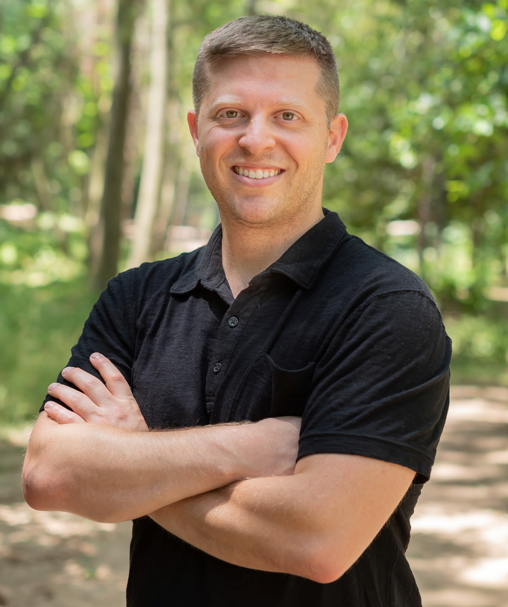

Guest
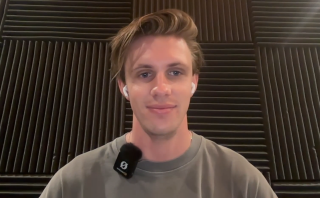
Bryan McAnulty
Founder, Heights Platform
Bryan McAnulty is the founder of Heights Platform, a SaaS platform that has helped more than 10,000 creators build successful online knowledge businesses. He specializes in the intersection of software development and creator education, embedding learning directly into the product experience to help users clarify their offers, build landing pages, and grow their audiences. Bryan's approach to product development is rooted in the belief that helping customers succeed drives long-term retention and loyalty.
Chapters


Just raised, acquired, or launched?
Guaranteed CNBC, Bloomberg, and MSN.com coverage from one 30-minute interview,
timed to your milestone while it's still news.
Raises, acquisitions, product launches, and major hires create a narrow window where third-party press stops being optional. We turn that moment into a month of content.
Distribution through a channel with 2M+ real views
Full Transcript
Sean Weisbrot: What's the hardest thing about what you do?
Bryan McAnulty: The hardest thing about what I do, I think, is, figuring out how to help such a range of creators, figure out how to build an online business. We've now done that for more than 10,000 creators, which I'm very proud of. But yeah. Yeah. Helping helping the creators out there who have some kind of knowledge that they wanna share with the world, get their customers' actual results.
Sean Weisbrot: What's the hardest part of getting them to realize that there's an opportunity to monetize their knowledge and activate them to actually go through and start the process?
Bryan McAnulty: There's a lot involved in it, I think. I think I picked a, in some ways, a challenging business because it's a it's a software as a service where the customer has to, like, truly make a decision to become somebody in order to be using your product. So they they have to really decide, hey. I'm I wanna build this kind of online knowledge business in some way. And then once they've made that decision, once they've committed to to trying to build something, they need to not only learn about, okay. Well, I have this thing that I believe is valuable that I can help people reach some certain outcome, but they need to learn how to sell online. And sometimes that is not something that they've ever done before. So they need to learn how can they get clear on an offer. How can they, like, communicate that well? Once they've built the landing page, how do they make an an email sequence? What did what should they do to, promote and nurture, to their audience? And so a lot of what we do is not just in, like, how can we make the product better and easier to use, but also how do we educate our customers to help them reach success?
Sean Weisbrot: So you do provide education for them to be able to learn those skills so that they can be more successful on your platform?
Bryan McAnulty: Yeah. Like, our our view is that, like and that's not something that we we want to really sell because our view is, like, yeah. If we can help them be more successful, then they're gonna stay subscribed for longer because they they have a successful business.
Sean Weisbrot: Yeah. I think this started with HubSpot, like, ten years ago or more. I I think they were one of the first companies to create this idea of, let's teach you how to be successful on our platform or in general so that you use our platform. I think that I think they were one of the first ones that created the idea of a company blog. I don't know I don't know if you you heard that story.
Bryan McAnulty: Yeah. I feel like I I I remember reading, a lot on their blog. I remember reading, and, like, yeah. I I think that that that sounds potentially right that they they were one of the, like, originators of that. And, yeah, the idea of, like, hey. We're going to educate our customers through the content that we're creating.
Sean Weisbrot: So I did two mentorship calls today through a platform called Growth Mentor that I'm on. And
Bryan McAnulty: Mhmm.
Sean Weisbrot: one of them had just been let go by Meta. And he he's a British guy, moved to New York. He had a job with Meta, moved to New York to continue the job with Meta, then got let go after a few months of being in New York, and now he's moving back. And
Bryan McAnulty: Mhmm.
Sean Weisbrot: during this time, he's thought, maybe I should start my own business now. So he came to me wanting to know how he could take his idea and turn it into a business. And I was telling him how a good friend of mine was previously a COO for my last tech company. I've known him for thirty years. He's a great friend. He had an idea to take what he learned working with me and start his own business. And so I invested in him and about his struggles going from being an ops guy to being a CEO. It's a very different mindset from being a COO to being a CEO. Obviously, the guy working for Meta wasn't the COO, obviously, and the whole world would know about this news, right, if that was the case. But he was working in an operations role high enough enough that, like, he was helping the company to make decisions and all. And, so I was sharing with him like, you were saying you've created the content for your people to be successful. I was explaining to him the pitfalls of being a first time founder and the skill sets that need to change in order to be successful in creating a consulting firm, you know, like a service firm service agency, what have you, And and how my friend went through the same exact thing and how he struggled for years to figure out how to make that change. And, you know, I I had knowledge I could share with him. Unfortunately, he wasn't willing to take that, and that hindered his ability to grow the business, and he wasn't able to make it successful. And so I was imparting that knowledge on this guy in the hopes of him recognizing that, like, you need to make a move, and this is how you make that move. This is what you should be doing next next, and and, you know, how you build your client base. And we only have thirty minutes, but, obviously, the content you're making with your with your platform for your customers is something that I mentioned is gonna take a longer period of time because most behavior changes take thirty to ninety days if implemented on a daily basis to see that behavior change. It's like, how do you
Bryan McAnulty: Yeah.
Sean Weisbrot: is do you have a method to keep them accountable for those habit formations or changes in order to help them?
Bryan McAnulty: Yeah. That's a great question. Yeah. I mean, definitely, in our, like, kinda, like, customer life cycle and customer journey, there is, there's a number of people where they will come to us and subscribe and say, hey. I've been following your your content and everything for, like, two years. I finally now made the decision that I'm gonna move forward with this. But for us, it's all about, like, well, yeah. Well, how could we how can we improve that not only for us but for them too? Right? And how can we, decrease the time until they can actually decide to get started with this if that's really what they want? How can we then decrease the time that they get that first sale, get that first student?
Sean Weisbrot: Yeah.
Bryan McAnulty: But in terms of, like, ways to do that, internally, like, what I always tell our creators, one of the best ways to do that, I think, for people involved in some kind of knowledge business is with the online challenges. Online challenge, I would define as, like, some kind of, fixed calendar date online course experience that, like, people are going through, like, a five day challenge that you have to learn how to do this thing. So it's like delivering a smaller result in a shorter time, but on these fixed calendar dates because then you, like, have to engage with it or else you're gonna miss it. Right? And so when you get people to join something like that, then they they get something that can make this little bit of progress every day. And that helps them not only see, like, okay. Now I've achieved this small portion of some kind of result, but also building the habit, like you're saying, about now, okay, now I can continue versus just throwing them in the deep end saying, like, oh, here's here's this content. Here's this course. Like, good luck. Hopefully hopefully, you can continue on with it daily. Yeah. I I think it's, there's a lot of
Sean Weisbrot: As you were talking about that, it made me think about what I'm working with with my own business now, and I was thinking about activation.
Bryan McAnulty: variables.
Sean Weisbrot: And I have an issue with habit formation for my customers because they are not used to doing something like this, and so the goal is to get them to do that. And so I was thinking was you said challenge? Like, oh, maybe I should have a thirty day challenge where, like, if they publish at least four transcripts and they they schedule at least, seven or eight posts from those, then they get the first month free. Something like that. Something that, like, you reward them with something that, like, the cost of me allowing them to do that on my platform is peanuts. So, like, if the problem is getting them to activate themselves, if I incentivize them with for free month, but they do the work to the point that they now have built the habit to use it and they've seen the value, they're not gonna wanna leave, hopefully. I don't know. What do you think about
Bryan McAnulty: Yeah. I I think so. I think, yeah, it with with a software product, you wanna be able to figure out, like, how can you deliver some kind of result to the person as quickly as possible from when they've they first signed up so they can they get something of value to see, like, oh, here's here's what I could get from this.
Sean Weisbrot: that?
Bryan McAnulty: But then, yeah, the second part is, like, how can you give them, the either confidence or the, the ability to form a habit and actually continue with that. Right? And I think, like, yeah, it it depends on the product. So there's a lot of a lot of questions. If, like, for us, we know that, like, once we've gotten somebody to make that decision and we can show them that our product is gonna help them get some kind of result, they can believe that. If we can get them to make the decision to subscribe, then we we've optimized things well enough that, like, our churn is really good. I'm happy about that. But for a product where, like, yeah, there has to be some kind of habit forming thing. I like that idea of, like, yeah, saying, like, if you can do this, here is here's a discount and, like, incentivizing that. But I also think there's, like, what what can be done to, like, tighten the feedback loop of whatever the thing is that they're trying to achieve. So that way, like, they can take a smaller action to get some kind of positive result and, like, build up build up the habit with that, more quickly to then maybe eventually say, hey. Now I'm gonna spend more time with this product and do this this longer thing that, now now they're more comfortable or used to that rather than, like, having to do that from the start.
Sean Weisbrot: How did you figure out how to get your customers to start up and stay even if they don't get it's like okay. I guess I may phrase that. Do they come to you before they have their first paying customer, or do they come to you when they already have people and they wanna bring them on board to monetize them? Or because you said someone had said, I've decided to be a creator. So it sounds like you have different
Bryan McAnulty: Yeah. I I think I think it's, like, fifty fifty for us. So, like, half of the people have, like, maybe never sold online before, and half of the people have some kind of experience either, like, as a full time creator or doing something on the side.
Sean Weisbrot: avatars.
Bryan McAnulty: And so I guess, like, talking more about the people who have never done this before, yeah, they have to make the decision that they they want to do that. But, yeah, then it's about, like, in every every product, you have to think about what are the things where you can be providing some kind of value for the product to just exist for the person, which will, like, make it more sticky for the user. So in our case, that's things like, okay. Even if your your course, like, doesn't have the sales that you want yet, if you're using our platform to build your website, you still have the website. You still probably want the website and the brand to be there. Or if you're using our platform to build a customer lead list, you still have that list and you wanna take that and grow that. And so what are the things where the product can provide value, like, passively without the user having to to actively use it?
Sean Weisbrot: You said something about a lead list. Do you have, like, a cross pollination between your creators where you you offer the list to people or you let your creators promote each other and, like, get a commission?
Bryan McAnulty: Current yeah. Currently, not, directly. So there is a built in, like, affiliate program that creators can have affiliates, but it's generally gonna be not via other creators, but via, like, their students or or something like this or their members. Our approach is that, like, we wanna help creators build things under their own brand. So there's, like, lots of, like, marketplaces that that Udemy's and the Skillshares of the world. Right? Our approach is that, like, you're building your own website under your own domain, your own brand. You might see a a Heights platform website and have no idea that the the person's using Heights platform at all. But, that's that's what I, like, would personally want as a creator to be able to grow and build my own brand and my own audience that that I'm truly owning over time. So everybody's account is, like, their own separate database and private data.
Sean Weisbrot: Because I I used to use Beehive, and they were pushing really hard this idea that people who owned other newsletters could promote you. And you in order for you to promote them, kind of like cross pollination so you can grow each other's audience. But also people could pay so, like, let's say you had a newsletter and I had a newsletter and you had the audience that I wanted. I could pay, like, in a in a programmatic way, like, a dollar, $2 for, like, every person that subscribes from you. And so you would get a cut of that. Beehive would get a cut of that. And then there was also ways to, like, specifically advertise inside of your platforms. Like, they went really hard on the monetization of newsletters. They did get a really good job for that. That's what I was thinking of because there was another platform I was using that also wanted me to do cross pollination, and I was kind of like, I don't really care.
Bryan McAnulty: Yeah. I know, Yeah. I know Beehive went went really hard on that. Kit has features like that as well.
Sean Weisbrot: Yeah. It was kit.
Bryan McAnulty: Yeah. And I I think it's great that they do that. I could see us doing some things like that in the future, But but I'm also more interested in, like, how can we help these creators, connect even, like, more personally with each other in our community to find out how they can potentially partner together versus just, like, hey. Here's some recommendations, like, click the people that you wanna, like, kinda cross promote. But I think, like, these kind of things are where, using some kind of platform can provide a lot of value that this exists versus, hey. I'm gonna go out and try to, like, piece together my own system.
Sean Weisbrot: Do you have, like, a Discord community or somewhere where those people can congregate?
Bryan McAnulty: Yeah. So we have our our own community. It's called creatorclimb.com, and it's all built using Heights platform. So we have over 10,000, members there. And, it's something that, like, to be honest, I wanna give more attention to it. I I have not given enough attention to it, for being, like, a a community, software. I'm I'm too in the weeds in, like, building the product. But, yeah, we, we we I guess, I I should be taking like, if I had to critique myself right now, I should be taking more of the customers who I am talking to, like, day to day in our support and and all that and interacting with and saying, like, hey. Let's go in the community and, like, share this with, with everybody else. But, yeah, we have that exist, and there's, like, there's certain channels that are public that, like, anybody can see if you wanna go and sign up for free. And there's also private channels for, like, people who are only paid subscribers and things like that so you can connect with, like, the actual, like, like, minded creators.
Sean Weisbrot: Yeah. I think that's a a good way to think about it. I'll I'll share with you. I I know this guy who had a lot of experience with ecommerce and agencies, and he built a Discord server. It's, like, $50 a month, and they had 5,500 paying members. So it was, like, 250,000 a month in revenue. And they put some courses together. They were giving away to people. They only had one tier. You just pay and you get it. That's it.
Bryan McAnulty: Yeah.
Sean Weisbrot: You don't pay, you don't, like, you don't get it. And they would have calls. They would bring like, they brought me in to do some some training sessions and calls and all that in order for me to, like, promote my services to try to get some of their customers to become clients for myself. This was a few years ago. And that was really cool. And so, like, I think if you're thinking about how to make your community better to provide more value to people, then you might wanna be thinking about that. Like, having, like, you know, one or two things a week where there's an event where they're getting together, they're sharing things with each other, they're learning with each other, round tables, you know, people coming in and giving speeches, things like that.
Bryan McAnulty: Yep. Yeah. So, well, one of the things we do is so we have a monthly live workshops. And so we'll bring in a a creator, not necessarily one of our own creators, but some kind of entrepreneur who has something to teach about a specific thing that'll be valuable to our creators. And then we bring them in, and,
Sean Weisbrot: Okay.
Bryan McAnulty: there's, like, a a flat, flat kind of one time fee for people to join that because we want people to be serious and committed to it. But then, yeah, then they get access to those ongoing workshops.
Sean Weisbrot: Okay. Yeah. That's that's definitely good. It's it's a good way to make money and add value to people, and that reactivates them. And you were talking about churn earlier. And, like, you you would have one of the best businesses, I think, because if I'm on your platform and I have enough people at least covering the cost of my subscription, why would I leave?
Bryan McAnulty: Yeah. Yeah. Exactly.
Sean Weisbrot: And so depending on how much you charge and how much I charge you know? But there's all there's also this, cold start problem, I would say, where maybe, like, you've you know, the creator has a few people paying, and maybe they're putting all of their energy into these, like, three, four, five people, and they're like, damn. You know? If I just had a job, like, I would make 20 times what I'm making right now. Right? Again, depending like, let's say you're doing a $5 a month or a $10 a month. I don't know what you people charge on on average, but, that was always a problem for me. It was like, I wanted to do a community. I wanted to do that because I could see that other guy making tremendous amount of value, and I was like, money, you know, by getting all this value. I was like, I could do that. But, like, it's not easy to build something like that. It takes time. It takes effort. It takes energy, and, like, you gotta have the energy.
Bryan McAnulty: Yeah. Well, I I've got two two recommendations. So two pieces of advice would be that, number one, like, you see these communities that have this subscription fee, and you think, like, wow, the magic of this compounding recurring revenue. Right? That's what we all want. But I think the reality is the communities that are successful with that are those who have, like, really dialed in their offer and their their messaging and everything and their product in order to keep people around. Because I have seen too many people make the mistake of wanting to, like, jump right into this recurring revenue. And then they would just have ridiculous churn, which we know in the software business, is not what you wanna have. And if that's the case, then you don't really have a recurring revenue business because you just have to replace these members constantly. And then what you're really doing is just potentially even reducing your lifetime value because people subscribe for a few months, and then they're done. And for most creators then, what I think is better is to start with a onetime price, get really everything, like, dialed in and and optimized, and then decide, like, okay. Is this right to move into a subscription model in the future? So, yeah, that's one thing. And the other thing is, like, I see a lot of people underprice and undervalue their services. And I think it's a misconception if, like, if you see somebody out there with, like, a $99 or less product, that product is not like, if they're successful in their business, that product is not their flagship product. That is like a a entry level offer to capture leads and to the the price of it is to help subsidize ad cost or partnerships or affiliates. And so, generally, when, yeah, when you see that that's not the flagship product. And if you are a building some kind of, community membership, coaching course, any kind of business like this where you believe that you're really gonna deliver value to somebody's life, especially if it's some some kind of way that's gonna change your life in a significant way, certainly, that's more worth more than a $100. And so I think most creators should aim not to compete on price and be the cheapest product, but instead, how how can you deliver more value to charge more for your product? Because getting customers is hard no matter what. And so I would rather take the approach of, like, okay. How how can we make this better by, like, it's not just a course. It's also a community where there's also these group calls and things like that. That way you have a a $500 product instead of a a $49 product.
Sean Weisbrot: Yeah. I think the last time we spoke, I was trying to charge $2 a post. And I realized through a lot of demos and thinking that actually a $97 per month subscription would be a much better thing because the way I saw it was, oh, if people are gonna post a lot, then they're gonna spend a lot. But then I started to realize, actually, if they have to think about, do I wanna spend $2 for this post, they may go, rather just not. And but so it's easier, instead of focusing on it per post, to think about processing time in terms of hours. So I figured, okay. The average person is gonna have at least four hours of content per month that they're gonna wanna process. So if I give them a subscription at four hours and I charge them $97, like, that's a really damn good deal Because I've built a ton of features around it, obviously, since we spoke. I've I've built a lot, and I'll tell you later. But,
Bryan McAnulty: Mhmm.
Sean Weisbrot: and and then I was like, you know, people would also probably really like to not have only four hours. Maybe they wanna have all of the hours that they want. So then I'll add another thing that's $297. And then today, I started going, actually, I found a case for a $197 tier in the middle that adds coaching, like, AI based, automated coaching, you know, in in the middle of that. And so, like, I've I've been building out my tiers based on what I've been building and based on the feedback I'm getting from people as I'm doing demos. And, you know, as we were talking about community, I was thinking, oh, well, maybe there's, like, a $500 a month plan where, like, they also get access to all of the other members that are paying $500 a month because these are all, like, CEOs and CMOs. Right? So these are people running multimillion dollar businesses, and letting them communicate with each other is probably something super valuable. They would probably be willing to pay an extra $200 to just have access to that.
Bryan McAnulty: Yeah. Yeah. I like that. I I think, I think that's the right way to think. I think everybody anybody involved in some kind of, like, software business nowadays, if, if you heard the idea that, people are talking about, it's not software as a service anymore, it's service as a software because of all these these shift with, the shifts with AI. You have to think of, okay, not how can we use AI to slightly reduce our costs or or do something a little bit faster to save time. You have to think of how can we use this to just deliver an outcome to the customer directly and better than ever before. And so if you think about the reason we built the software in the first place was we're trying to help the customer reach some kind of outcome. But before AI, the best way we could do that was, okay, we'll give you a a couple buttons to press. And if you press these buttons in the right way, maybe it's gonna do the thing that you want. But nobody wakes up in the morning and says, I can't wait to use some piece of software. Right? They're just trying to reach that outcome. And so if you can leverage AI to be able to help you deliver, like, a more personalized and tailored service where the AI can help deliver the outcome to the customer directly, that's what everybody wants in the first place.
Sean Weisbrot: I mean, I wake up every morning being excited to to play with Cursor and to talk to Claude and to talk to Bordie and to play my guitar. There's a few things I think I'm, like, excited about, on a daily basis, but they're they have a goal of getting me an outcome. Boardy, the goal is to get me more leads. And Cursor, the goal is to build more product and fix bugs and and make it so that I can automate my marketing and sales and and things that I can. And so they're an outcome that I'm, like, very happy to spend all day on because I'm doing it in the pursuit of that outcome. So, yeah, they make it super easy, you know, product product led growth.
Bryan McAnulty: Yep. Yep.
Sean Weisbrot: So what is it that you think AI or or what are you doing with AI to make your business more sticky for your customers right now?
Bryan McAnulty: So, right now, we're working on, Heights AI three, for our platform, which, is gonna be released later this year. And, we're trying to take that approach of, like, how can we just deliver the outcome to the customer directly. And so what that looks like and what's that where that's different for us is what exists now is, like, the the agents in the chatbot where you can say, like, hey. Can you adjust the setting for me or something like that? That's what's possible now. But what if you had a a more proactive agent that was just able to help you grow and do the things that you would wanna do, but you don't have time for? So specific scenario I can give is imagine you wake up, Monday morning, and you have an email from Heights AI that says, hey. I noticed, this course or this product was getting more sales recently, but I don't think you've really done as much to promote it. So what if we sent an email newsletter about this product to your audience? Here is an example that I came up with for you. What do you think? Now you've had somebody that's the not somebody, but the AI has been able to look into your business and analyze all these points that you may have not had the time to do yourself, and then actually provide you with, hey. Here's the next step of how you can actually move forward with this and and do something. So then you as the creator get to focus on your unique message, your unique experience, and, like, expressing that through your content. And the AI is helping you identify, like, here's the areas that you can grow, and here's the thing of how you can do it.
Sean Weisbrot: So this is something that I've just hit on today. As I was telling you, I had this idea for a a third tier.
Bryan McAnulty: Mhmm.
Sean Weisbrot: Do you build the analytics, but then you so you you show the analytics to your base tier, and then you show the coaching from the analytics to the second tier, or do you allow your base tier access to the coaching so that everyone benefits and the and everyone is sick? Because I was thinking, like, I've I've put a lot of energy into the analytics, and now it can coach based on the the analytics and feedback that it gets from engagement. And And so I was thinking of gating the coaching behind the second tier that then the third tier also has access to, that that unlimited tier. So that's what I was thinking. What's your plan gonna be for how you use the cadet coaching?
Bryan McAnulty: Yeah. It's a good question. I think it it could depend on on the product. For for us, in this particular case, because, like, the the product itself, like, does so many things, we're planning to probably have that in specifically a higher tier only. So, like, you can use the existing, like, the different kinds of AI features. A lot of the the new stuff that we will have come out will be available to the the lower tiers. But if you want more of that, like, proactive assistance, that's gonna be not maybe available in the most base tier.
Sean Weisbrot: So are you gonna be adding it to a tier that already exists, or are you gonna be creating a new tier to support that?
Bryan McAnulty: We haven't officially announced it, so I can't tell all the details yet, but, potentially, a combination of that. It's gonna be an existing tier. There may or may not be price changes to that tier.
Sean Weisbrot: Okay. So for your reference, this episode is gonna come out, like, the last week of August. So will you will you have all that figured out by then? Or
Bryan McAnulty: Okay. Most likely, but but not a 100% sure because,
Sean Weisbrot: Okay.
Bryan McAnulty: with with how fast AI moves, things change, like, every every day here. So
Sean Weisbrot: Yeah. Well, you're I mean, so, obviously, I'm I'm gonna cut this section, so don't worry. But
Bryan McAnulty: sure.
Sean Weisbrot: you were saying that you're gonna release version three point o later this year, and I'm like, how long are you gonna take? Because, like, man, shit shit shit's moving. Like, I'm pushing out features every day. Obviously, I don't have the the size user base that you do. So you have to think more carefully about what you push before you push it, then I can just push stuff out. But, but, yeah, like, anyways, just food for thought.
Bryan McAnulty: Yeah. It it yeah. It's gonna gonna be in the next, next month or so,
Sean Weisbrot: Oh,
Bryan McAnulty: most likely.
Sean Weisbrot: okay.
Bryan McAnulty: Our so our challenge is now, the the, like, the the roles and, responsibilities have flipped. It used to always be that, like, the marketing team is pushing the product. Like, hey. You guys gotta get this finished. We're trying to promote it. And now it's like the opposite. Now it's like, hey, guys. Sorry. The product's done. Like, do we have the marketing ready for this? And, so, yeah, it's the the alignment on, like, how we're gonna communicate it to customers and and all that that we're working through.
Sean Weisbrot: So this is a interesting challenge that I find for myself as well where so I use cursor for everything. And in doing so, Claude has access to all of my GitHub repositories that are locally stored on my computer as well. So
Bryan McAnulty: Mhmm.
Sean Weisbrot: it can simultaneously read that something has changed in my app repository and then update the marketing website based on those changes so that I can push them out at the same time.
Bryan McAnulty: Yep. Yeah. Yeah. So what we're doing a lot of that of, like, using, AI that when the feature's done, update the change log, update the knowledge base articles, things like this. But still, like, something like this where it's a more complicated feature that, like, touches so many parts of the product, we wanna not rely on, like, how AI is gonna describe it and make sure that we're explaining, like, educating customers in the right way. Because I think the other thing when it comes to AI is, a lot of, like, builders and probably people, like, listening or watching a show like this. Like, we're, like, a year or two ahead of the average user, even if they're an entrepreneur, most cases, because
Sean Weisbrot: Yeah.
Bryan McAnulty: there there's just such a quick advancement in how these things are changing. And we saw, like, when we first released, Heights AI back in, March 2023, everybody was treating it like a Google search. They they didn't realize that, hey. This is AI. You can, like, have a conversation with it. It's gonna be able to help you with these things. And over time, we've seen customers get much, much better at using it, in, like, understanding its capabilities. So, yeah, so we wanna just make sure that, we're able to again, like, coming back to, like, educating our customers and, like, hey. Here's how you can benefit this benefit from this.
Sean Weisbrot: So something that I did was I have my admin dashboard inside of the app application repository, and I use posthog for all my analytics. And so I have a website, like, I I have postdoc checking my website and my app, and then both of those get tied into the admin dashboard so I can see them both at the same time. At the same time, I have a chatbot that I built that's connected to Anthropic's API key. So on my marketing website, I have a bot that's trained on the the knowledge base and the API documentation. So it's it's a it's like it's meant to be like a sales chatbot. It's it's meant to guide you towards sales, but it also has all that other knowledge in case you want it. And then inside the application, the same bot
Bryan McAnulty: Mhmm.
Sean Weisbrot: has access to all of your super base data. So it knows your billing history. It knows your project history. It knows, like, everything about you. You can have conversations about with about anything. But it also has all of the help desk knowledge and all of that stuff. And then in the dashboard, I can see all of the conversations that are happening on the marketing website and the application, and I can escalate to myself or they can escalate to me and I can message them from inside the dashboard in lieu of having other people to do it or having a third party software do it for me right now. Maybe in the future, it makes more sense. But, but I feel like I feel like when you're early,
Bryan McAnulty: Awesome. Yeah.
Sean Weisbrot: you have no choice. You have to do these kinds of things in order to get ahead.
Bryan McAnulty: Yeah. Yeah. I agree. I think, I think for for early startups and for small teams, like, one of your biggest advantages is that you can provide better support than probably the big VC funded guys can. And so yeah. But but at the same time, how do you how do you scale that and not have it take up all your time as you grow? You using AI like that, I think, is is a great use. And we do the same thing that we can see. Like, the customer can email us, like, and reach a human anytime that they want. But, if they want an instant answer from AI, they can get it. And if, our AI detects that, hey. Maybe this person's a little bit frustrated. Even if they didn't ask to talk to a human, it'll escalate it to us, and then we can go and reach out and say, hey. Like, I'd say I mentioned, that it might have had trouble helping you with something. Looks like you're trying to do this. Is there anything we can do to help?
Sean Weisbrot: Yeah. That's cool. I like that. Because sometimes it is very hard to get to a human, and it's really annoying.
Bryan McAnulty: Yeah.
Sean Weisbrot: Yeah. I like that. So what's the most
Bryan McAnulty: Yeah. So yeah. Yeah. I I would encourage people to, like, make it make it easy, especially as a as a a small team. Like, how can you make it easy for people to feel confidently, like, able to to reach a real human? And, again, thinking to, like, the service as a software, like, what can you do to make the unscalable scalable?
Sean Weisbrot: Exactly. What's the most important thing you've learned in running this business so far?
Bryan McAnulty: I think I think if there's something I could share with everybody that that I would say is probably the most important thing for for me to that I've learned, and I would want people to take away from this, it would be that if, like, it's gonna take longer than you thought, to to do all this. But if you can create the scenario for yourself where you're able to wake up and do the thing that you enjoy and have enough to sustain yourself to just work on that consistently, plus have the belief that if you do that, you will eventually become whatever amount of success you're trying to reach and probably beyond that, then, you will eventually reach that. And because I I see so many creators where I know that they have this this incredible thing of this this knowledge that they have or this product that they've created that that really looks great, but then for some reason or or another, they eventually give up. And I just wish that they could know and believe in themselves that if you found a way to keep going with this, you would eventually be successful.
Sean Weisbrot: Alright.
Just raised, acquired, or launched?
Guaranteed CNBC, Bloomberg, and MSN.com coverage from one 30-minute interview,
timed to your milestone while it's still news.
Raises, acquisitions, product launches, and major hires create a narrow window where third-party press stops being optional. We turn that moment into a month of content.
Distribution through a channel with 2M+ real views
