
He Still Made Money on the Deal That Cost Him 8 Figures
How a Public Company Sabotaged My 8-Figure Business Sale. In this interview, serial entrepreneur Cecil Robles shares the painful story of how he lost out on a fortune when selling his first eight-figure business. He details how the acquiring public company structured an "earnout" deal that made it nearly impossible for him to receive his full payment. Cecil discusses his ambitious goal of owning a piece of 100 companies in the next five years, why he believes business partnerships are like marriages, and how learning to fail was the hardest part of his entrepreneurial journey. He reveals how he found a loophole in his non-compete agreement to make his comeback, his methodology for anticipating problems before they happen, and his #1 leadership rule: delegate, but don't detach. Cecil also opens up about his journey from a 6-figure annual income to pursuing a 9-figure net worth, and how checking his ego has been the biggest change in his 20-year entrepreneurial career.
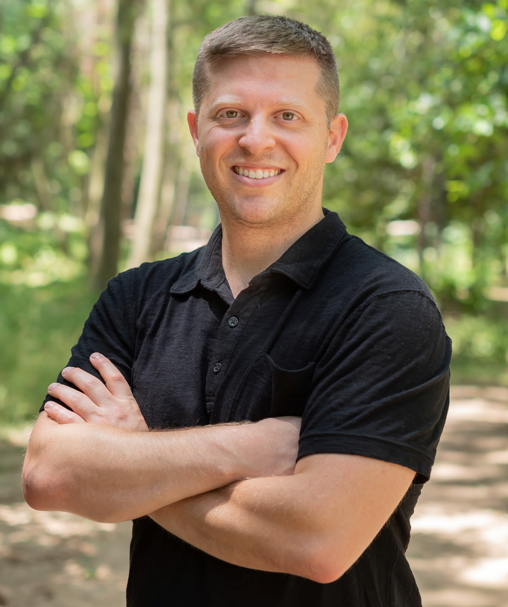

Guest
Cecil Robles
Serial Entrepreneur, Raise Capital
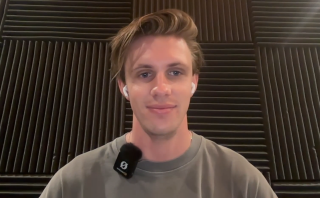
Cecil Robles is a serial entrepreneur who runs multiple businesses generating over $10M collectively, including a consulting firm that takes companies from early stage to public listings. After losing out on his full payment when a public company sabotaged his 8-figure business sale, he shares lessons on anticipating problems and building an equity portfolio.
Chapters


Build Executive Visibility
Press placements on CNBC, Bloomberg, and MSN.com,
guaranteed, from one 30-minute interview.
Extracted into a month of content: press, LinkedIn posts, and video, so investors and buyers find real credibility before the first conversation.
Distribution through a channel with 2M+ real views
Full Transcript
Sean Weisbrot: I tried to do that. I tried to buy a watch and I tried to use it and I tried to sleep and with it and all of that, and I couldn't sleep with it. I couldn't fall asleep with the watch on. And even when I did the app didn't even like catch my sleep times properly. And so after a few days I returned it. 'cause I'm like, I don't like jewelry, I don't like things hanging off of me and. But I tried and uh, I know that the science is there. I know it's right, just for some reason.
Cecil Robles: Yeah, there's a good app. And I'm not trying to sell apps 'cause I have No, no, no. I have no partnership in these companies. But, uh, there's a great app called, uh, and IU I've used this now for the last few years, couple of years probably. It's called Sleep Cycle. So you don't have to have a, an Apple watch, you just basically turn it on, put it by your bedside, and then it tracks your sleep and your movement throughout the night. Um, and so it, it does provide a lot of data. And then there's another one called Rise Sleep that kind of does that circadian rhythm, uh, tracking, you know, so I'm, I don't know. I'm a big geek when it comes to that stuff. I love science, I love, you know, learning these new things and trying to tune, tune certain things in.
Sean Weisbrot: Hello. So this is an interview with Cecil Robles Robless. It's all good though. Everybody Mistake. That's okay. Most people call me scene. So, and we're gonna be talking about your psychology and how you used it to run your business. So before we go any further, why don't you tell everyone real fast what your business is, and if you don't mind, uh, saying how much you guys earn on average per year. And if you don't wanna say that, totally fine.
Cecil Robles: Yeah. So, I mean, I actually am a serial entrepreneur. I have multiple businesses. Uh, the core business that I run right now is a Cons, a consulting firm. Uh, and we essentially take companies from, uh, very early stage all the way through to, uh, public listings. Uh, and we do that in a number of ways, consulting them, uh, on business strategy, marketing, and also fundraising, which is a core part of any business's strategy in my opinion, especially if they wanna go the distance, uh, and either liquidate the business somehow or I. Uh, they want to go public. And so, uh, we have a consulting agency around that. And then a number of other businesses, uh, that are complimentary. Uh, I also own part of a law firm. Um, so as a whole, our strategy is a little bit different. Uh, I would say, uh, as far as gross income per year, uh, as a whole, our businesses are over $10 million. Um, but our strategy is a bit different. We are really building an equity portfolio at the end of the day. Uh, and so we're playing the long game with this, uh, across the board. Uh, but income obviously is important. You have to have that to either invest, uh, or to, uh, sustain your lifestyle. So, um, so yeah,
Sean Weisbrot: it's in interesting that you do that. Have you heard of a guy named Alex Ozzy? I have,
Cecil Robles: yep. Very familiar with Alex Orey. As a matter of fact, I have his book sitting right here, one of his books sitting right here on my desk right now. Uh, the a hundred million million offers. Yeah, there you go. So love
Sean Weisbrot: it. I, I went through the audio book a few weeks ago and it was really, really good. Oh, no, Alex is great
Cecil Robles: that, uh, he's built something pretty special.
Sean Weisbrot: I, I like that. And I think it's something that I would like to do for myself where you kind of build up your own core business and then you help others with theirs, and then you take an equity position. Kind of as a result, and then as they grow, your portfolio grows. I think it's a really, really cool, smart way to grow fast.
Cecil Robles: Yeah, I mean, I think for us it's uh, you know, it's been a number of years, probably a decade in the making. I've always kind of run my own businesses and had success there and, you know, have sold a couple of them. Uh, and, you know, um, and then just through, uh, you know, really networking and meeting people, uh, and then, um, you know, having some opportunities to be a part of other businesses. Help them raise money, help them, uh, you know, plan their business strategy, come up with, uh. Um, you know, new product ideas and things, things like that. It made a lot of sense to, to kind kind of go down this road and, um, you know, if we're gonna do that, we might as well have equity in the companies that we're supporting,
Sean Weisbrot: for sure. What makes you excited for this model and for, I guess, the specific things that you do with it?
Cecil Robles: Well, uh, you know, again, I'm a serial entrepreneur, uh, at heart. Uh, you know, I think entrepreneurship, uh, is, um, is one of the, probably the, the greatest things in our world today. Um, I think that, you know, uh, ingenuity, invention, ideas, um, you know, creativity comes out of that. You know, I think it's made the world what it is today and, and in a lot of ways, in a lot of respects, it's made it better. I. Um, and so I think that, you know, supporting entrepreneurs is what's, is what's exciting for me. Supporting people that have a dream, uh, that have a vision, uh, and that want to take that to the world. Um, we support businesses from anywhere, uh, right now in, uh, renewable technology, uh, into finance, into tech. And so, you know, a lot of very innovative things and to me that's exciting to be a part of that, something that could possibly change an industry better, the world. Um, you know, and support economy, uh, you know, businesses are the driving engine of any economy. And so to support that I think is, uh, you know, is, is is also, uh, something that's fulfilling to me. And then of course, you know, at the end of the day, if we do our job right, you know, there's a monetary reward for it. You know, so our goal, my goal with our business with our companies is to, you know, have invested in and own a part of equity in a hundred businesses in the next five years. A hundred companies. Um, and so that's kind of the, the end goal. If you wanna talk about a monetary standpoint, some of them, you know, have different strategies, right? Every business isn't the same. So they have different strategies. Some strategies are, you know, they wanna grow the business and run it forever. Some strategies are they wanna grow the business and they want to, I. Uh, you know, sell it. They, and some strategies are, they wanna grow the business and they want to go public with it. And so I think it's, you know, it's very fulfilling from that standpoint too, to be a part of a lot of different companies that are doing many different things across many different industries and, you know, also who, um, you know, see the world in different ways. And, uh, and that's a, that's a beautiful thing.
Sean Weisbrot: How do you have the time to manage all of those companies? I, I know, I, I know that you are not. Operating all of them, but how do you manage your time for that?
Cecil Robles: Yeah, so a lot of it has to do with, um, you know, our team, uh, you know, I'm a big systems guy and I like to create systems and I like to create automations as much as possible. So, you know, automations, as far as my calendar scheduling goes, certain days of the week are scheduled for certain things. Uh, or certain days of the month are scheduled for certain things, meeting with, um, you know, our portfolio companies, uh, and advising with them, consulting with them. And then I have an internal team, uh, in every company that we have internally. And, um, you know, for me, uh, having a personal assistant, uh, is really, really key and really big. Um, you know, someone who helps me manage the calendar, uh, and do menial tasks that, you know, generally I wouldn't wanna do. And that can be done, you know, uh, through, um, you know, a lot of automation stuff. And then I would say on every single thing that we do, on every project that we take on, we have a project manager. We have a senior project manager and a project manager that really oversees that. And we've condensed this down into, again, a really systemized. Way of doing it. And so, uh, it makes it, uh, you know, a lot easier to manage, uh, more and more. The other thing I would say is don't take on more than you, you know, don't, you know, as the saying goes, you know, don't, don't bite off more than you can chew. Um, and so for us too, it's really being at this point, selective on new deals, things that we're taking on. Um, and so, you know, not overloading your plate, so to speak.
Sean Weisbrot: You were talking about your assistant, I'm curious. Who came up with the system for having like a specific day of the week or the specific day of the month, uh, to do for, for something? Is that your idea or was that your assistant's idea and, and who is responsible for maintaining that standard?
Cecil Robles: Yeah, I actually got that from, uh, you know, believe it or not, from another podcast, from John Lee Dumas, uh, entrepreneur on Fire. Um, the way that he schedules his podcasts. Um, and that idea struck me that I should have certain days of the month or certain days of the week that are scheduled for certain things. Uh, and if nothing's scheduled during those times, then I can fill those times in with other, uh, you know, other tasks or other, uh, you know, other important matters, uh, that I'm dealing with. So I. Um, really it was just listening to the way that he developed his podcast. It was nothing more than that. And, uh, and that stuck with me. And then, you know, that was a few years ago, and ever since then I tried to create this, uh, you know, a very similar system.
Sean Weisbrot: Okay. You were also talking about how you have specific criteria you look at. So that you can be picky about who you decide to work with. Can you talk a little bit more about that?
Cecil Robles: I think their values are extremely important. You know, do they have integrity? Uh, you know, do they, uh, you know, keep their word with what they say they're gonna do? Uh, you know, everybody makes mistakes from time to time, but I think that's, uh, a number one key value for us is, you know, having integrity. Um, you know, I think also it's around the specific company itself. So is it something that I'm attracted to? Is it, is it an industry that I'm attracted to? Is it something that I think is going to really create value in the world? And is it something that I think is going to, uh, you know, have a lasting impact? And is it something also that I think other people are gonna get excited about? Right? Because it's one thing for me to get excited about. It's another thing for it. You're building a company. You either need customers or clients, or whatever it is that you're. You're selling, uh, you know, you need, uh, you need a, a plan to, to be able to sell that product. So are other people gonna get excited about it? Are other investors gonna get excited about it? Right? Because, you know, in the lifecycle of a company, you know, if you're doing anything worthwhile, you're going to need to raise money unless you're just one out of a million that bootstraps it and hits, you know, the big time, uh, from, from, from the start. That's very few and far between. Uh, and so is it something that other investors are gonna get excited about? Is it something that's hot? You know, is it, is it a hot topic or a hot marketplace? Or a hot industry? Uh, and so these are just a few of the things that we look at, but I would say from a founder perspective, you know, we really look at the founder. You know, they might not have experience in terms of have they done this before? Have they sold a company or have they gone public before? I. Uh, but do they have a real passion around what they're doing? Uh, do they have a certain management style, uh, that lends itself to really, uh, managing a team versus just being a solo entrepreneur? Uh, and those are two totally different things, and I've done both. I've been a solo entrepreneur and then I've had to learn and still continue to this day to learn how to manage an ever-growing team. And so I think those are important traits to have as well.
Sean Weisbrot: Those are all great criteria for sure. And I've also been on both sides and I, I found until now that I've been the most profitable just doing everything myself, although I know it's not the best way to do it, because you can burn out with your own, uh, you know, your time. And I've, I'm still learning how to manage people as well. That's,
Cecil Robles: and I would say on that front, like, you know, there's no right or wrong in that, right? Like, I mean, uh, you know, entrepreneurship is a, is a very personal journey. Um, and so a lot of it has to do with lifestyle as well, right? Like, you know, you can be a solo entrepreneur and have an incredible lifestyle with a great income and, you know, impacting a lot of people. And that's, that's, that's amazing. And I think the beautiful thing about entrepreneurship is that you can, you can really craft that, you can create that world that you wanna live in. And to me that's always been the exciting thing. I've never had a job really. I've always been an entrepreneur. I've started, started my first business when I was 19 years old, so I've never had a job, so to speak. Right. Like a job. I've never been employed. I. Although I've taken positions, you know, in companies, uh, you know, to help them out as like, you know, uh, interim CMO and stuff like that. But what I'm saying is I've never really had a, like a, a, a job where I work for a big firm or a company, so.
Sean Weisbrot: Right. What has been the hardest decision you've had to make so far?
Cecil Robles: Wow. The hardest decision I think I've had to make so far in business, well, there's two. I think number one, um, uh, is, uh, letting, uh, a business or an idea go. Uh, so, uh, you know, starting something up from scratch, building it, getting it to a point, and then realizing that it was either eating away at my soul and taking, you know, too much toll on my mental health, uh, or, uh, it was unsustainable and costing too much money to. You know, continue down the rabbit hole of the business. Uh, so that probably is, uh, you know, when you birth something like that, it's very difficult to let it go. You wanna keep driving it. Um, and I don't wanna sit here and, and say that I've had success after success, because I don't think you can have success after success with, without failure. So to me, um, you know, learning how to fail has probably been the hardest part in learning how to let go of certain things. And then I, I think the second thing is, is that. In business, you know, you build relationships with people, you get very familiar with people, they become your friends and your family, uh, when people are working with you to build a business from that, that ground floor level. And you get very intertwined in people's lives. And I. Then to have to let that person go or move on because it's not a right fit anymore. Uh, or because you've outgrown it or they've outgrown it possibly. I think those are two very difficult things, uh, from an entrepreneurial perspective, especially if you're building something, again, it's, you birthed it, it's your idea. You're building it from the ground up. And, um, and to have to let that go or to have to let the people go that help you got, help you get to where you were or where you are in that particular stage, I think is very difficult.
Sean Weisbrot: So I've done about 10 of these interviews already, and I would say almost everyone has said pretty much the same thing. Mm-hmm. Because it's the.
Cecil Robles: Yeah, because it's the truth. You know, we're, we're humans, we're interconnected, we have emotions and, uh, you know, those emotions can, can get very high when you're, when you're that interconnected with people. I always tell people, look, you have to really think about, you know, partnerships, uh, in business because it really is like a marriage. It's like a, a co, a covenant that you make with somebody and you know, it's not just on paper and it's not just for money. You get very, very emotionally intertwined with people. Um, and I've met very few people that can separate that out. Um, you know, I do believe that there are some, and most of them are narcissists, so, uh,
Sean Weisbrot: fair enough. Uh, wow. Um, what has been your most expensive mistake then? Wow. Or your most expensive decision, whether or not it was good or bad? Whew.
Cecil Robles: Wow. Um, my most expensive decision. So, uh, I, I in 20 and, and how much was it? Yeah, sure, sure. Uh, well, I mean, I can tell you about missed opportunities. Those, those have been big mistakes, but I mean, everybody has those, you know, you, you, you see something and you don't act on it. And then, you know, you see somebody else doing it, it's cost you, you know, a hundred million dollars or something like that. But I won't, I won't count those. Uh, 'cause they don't count. Uh, if you didn't do it, um, I would say probably for me, just on a personal level, my most expensive mistake. Uh, happened when I sold my first business. Um, I had built up a company. It was, you know, doing, uh, close to eight figures. Um, and it was, uh, you know, a nice revenue for my family and I, it was a nice income plus, you know, uh, yeah, I mean it was just a great, it was a great business and I decided to sell it 'cause I wanted to move on to something else. And I had never sold a business before, so I didn't really know how to do it, and I structured it the wrong way and it ended up costing me, you know, uh. You know, well over eight figures. So, you know, uh, so that's, that's, that's probably personally the most expensive lesson that I've made. I still made money on, on the sale of the transaction. But yeah, it cost me, it cost me a lot of money to learn the lesson, the hard way about how to structure these deals and about how to get the right counsel and the right, uh, you know. Um, consulting around doing that. And, um, so I think that for me, like on a, just an income personal level has been the, the, you know, probably the, the most expensive lesson
Sean Weisbrot: because this is a very expensive lesson. I think it would be prudent for me to ask if you could explain a little bit more in detail. What you learned from that so that maybe other people don't make the same mistake?
Cecil Robles: Yeah, so I, uh, we had, so the business was doing eight figures. We had, um, gone through some issues with, uh, payment processors and payment providers. So, um, we were in the middle of getting that fixed. We got it fixed, and in the process I made, I had an offer made on the business and it was, it was a nice offer. Um, and the way that they wanted to structure it was as a, uh, as an earnout. Uh, and so an earnout is, is you get x amount of dollars upfront. You know, like say you get a million dollars upfront and then you have to stay in the business to some degree or another for the next two to three years. Uh, and you have to, you know, earn the, you know, the business has to earn a certain amount of gross revenues in order for you to continue to get these milestone payouts. So, um, I got the first milestone payout, uh, which was, you know, uh, a, a nice chunk of money. I. And the, we did not, I didn't have any fail safes in place for how the, the company that bought me out, which was a larger, it was actually a public company, bought me out how they were actually gonna allow me to manage, continue to manage the business to get the earnouts. And so because of that, we didn't hit the targets. Uh, and after the second target not hit, I just said, I can't do this anymore. And, um, you know, I walked away from the deal essentially. So. Um, you know, structuring a deal like that has to be, again, very, very defined. Uh, and I didn't define it properly. I didn't have the right counsel on it. Um, and so as a result it cost me, you know, quite a bit of money.
Sean Weisbrot: So you're saying they made it so that you couldn't manage the business properly in order to hit the target? Exactly. Yeah. So they purposely allowed you to fail so they wouldn't have to pay you? Exactly, yeah. And, uh,
Cecil Robles: wow. And I didn't have the, I didn't have the fail safes in place and it would've cost me, I was outgunned at that point, essentially. I wouldn't have been able to fight them in court because they had so much more resource, you know, so many more resources than I did. And so because of that, I just walked away from the deal and you know, they ended up with the assets in the business. And I had a non-compete for two to three years, or I think it was for three years actually. So at that time, it was probably around two years left that I still had the non-compete. Uh, so I couldn't go and start something else in that particular space either, which was what I was very good at. So, you know, it, uh, it hamstrung me a bit and, you know, cost me, it cost me a lot of, a lot of headache and a lot of heartache and, uh, and a lot of money. So, so what did you do in those two years? So, I basically took a year off to figure out what I wanted to do and, um, uh, that was, it was a financial publishing company. So we basically, um, you know, built up and sold. Um, we sold newsletter subscriptions, uh, to, uh, retail and institutional hedge fund investors that wanted our research on certain financial topics. And so, um, I had a non-compete in stock, uh, trading, uh, in stock, in equities markets, in, um, in, um, in commodities, in currencies. And this was, uh, uh, this was in 20, uh, 14. Um, and so what I did was after that year, I. Uh, it was around the end of 2015 is when the crypto market started to get hot. And so I didn't have a non-compete in that, so I basically formed another business and, um, you know, sold a hundred thousand, uh, paying subscribers, uh, to that business and there was nothing they could do about it. So, um, that's what I did. And how long did it take you to, to get the a hundred thousand subscribers?
Sean Weisbrot: Uh, about a year, roughly, I'd say. Do you still have this business? No, I
Cecil Robles: got my offloaded it in 2020. Are you able to say the name of it?
Sean Weisbrot: No, I mean, I've
Cecil Robles: heard of it. I'm curious. No, I can't Fair, I, fair enough. Somebody can look me up. I mean, anybody can look me up online, but, uh,
Sean Weisbrot: yeah, right. I didn't, I didn't check before we did this, so I, I wasn't sure I saw a lot about your crowdfunding and all of that, so that was kind of what I was focused on. Yeah, sure. Um, oh, okay. Fair enough. So. What's the first thing you do in the morning?
Cecil Robles: Well, so I have this thing right here, it's called the Full Focus Planner, uh, Michael Hyatt. That's something that, you know, I've done for the last probably few years. Um, and there's, uh, in there there's a, a deal that you kind of fill out and write out, and it changes for me over time. It has over time, but it's called your, uh, your morning routine. And so I have a morning routine. I mean, the first thing that I do is I, you know, I get up, I try to stretch a little bit, um, and then I go and I get, uh, I get, uh, a large glass of water. Throw some salt in there and some, um, some, uh, uh, what's it called? Apple cider vinegar. And I drink, uh, I drink the full glass of water. I mean, that's what I do first thing in the morning. So
Sean Weisbrot: that's a, a pretty good start for sure. I know the, the salty apple soda vinegar is really important. I don't add either of those, but. I do, I carry water with me everywhere I go.
Cecil Robles: Yeah. I think it's good to be, you know, look, when you're sleeping, you know, you're not drinking water. It's good to be hydrated first thing when you wake up. It just kind of, you know, I think energizes the body and your cells and, you know, allows you to wake up. Um, and, uh, so, so that's the first thing. I mean, if you wanna know the very first thing that I do in the morning, that's the first thing that I, yeah,
Sean Weisbrot: no, you answered it exactly how I expected. Uh, so then when do you decide to tackle the hardest thing each day?
Cecil Robles: Yeah, so I think your body has, you know, you, you obviously have circadian rhythms in your body, so I think that, you know, focus, time and work, uh, needs to, uh, follow along with, with, with how your, how your body works, right? And so for me, a lot of times, 'cause I try to get up at the same time every morning I try to. Kind of have the same routine. So for me, a lot of times that focus time of the day is generally from around nine 30 to about 1230. Um, and so that's really when I, you know, uh, I try to get, uh, again, very focused work. I try not to do meetings during that time, although we're doing one during that time right now, I try not to do, uh, if, if it's an interview like this, I actually enjoy it because I'm alert, I'm awake. Uh, you know, uh, and so, so, but if it's like, you know, just meetings and phone calls for, for my businesses, I don't like to do that. I try to, like to schedule that, uh, either earlier in the morning or in the afternoons. Um, and so for me, like if it's focus work, if it's creative time, if it's writing, if it's anything that I have to do like that, it takes place kind of during that nine 30 to 1230 window. And then I find that there's another burst of that in the afternoon. So for me, usually around two 30 to three o'clock, I start to really, uh, you know, check out. Essentially I start my body, you know, I'm, again, I just start to lose energy. Um, and so I'll kind of either take a walk then, or I'll take a, you know, take a 20 minute power nap, and then generally around like four 30, that's when I get that second kind of burst of, of energy and creativity. Um, and so that's kind of how I try to manage it. And there's some great apps for that too, um, that, that can help you do that if you, you know, track your sleep and things like that, which I try to do because I think that's super important. Um, if you track your sleep, there's some good apps that will tell you actually, you know, what those times of day and you'll be surprised, like depending on how much sleep you got the night before, how accurate they are. They're very accurate. You know, yesterday I was actually out of, I was out of town. I was in Salt Lake City and uh, I was with a partner of mine and it was around three o'clock. We were heading to the airport and we both got extremely, like, just groggy and tired. And, uh, I looked at the app and sure enough that was like the dip time for my afternoon. And so it's very accurate and I think, you know, again, if you're gonna, uh, be a high performer, you have to schedule things that are, uh, either creative or extremely important around those times when you're most alert.
Sean Weisbrot: I tried to do that. I tried to buy a watch and I tried to use it and I tried to sleep and with it and all of that, and I couldn't sleep with it. I couldn't fall asleep with the watch on, and even when I did, the app didn't even like catch my sleep times properly. And so after a few days I returned it because I'm like. I don't like jewelry, I don't like things hanging off of me. And, but I tried and, uh, I know that the science is there. I know it's right, just for some reason it didn't work for me. Yeah, there's a good
Cecil Robles: app and I'm not trying to sell apps 'cause I have No, no, no. I have no partnerships in these companies. But, uh, there's a great app called, uh, and IU I've used this now for the last few years, couple of years probably. It's called Sleep Cycle. So you don't have to have an Apple watch, you just basically turn it on, put it by your bedside, and then it tracks your sleep and your movement throughout the night. Um, and so it, it does provide a lot of data. And then there's another one called Rise Sleep that kind of does that circadian rhythm, uh, tracking. Um, you know, so I'm, I don't know. I'm a big geek when it comes to that stuff. I love science. I love, you know, learning these new things and trying to tune, tune certain things in.
Sean Weisbrot: I don't mind my phone being on my bed, so I'll try that. Sleep cycle one, it rise. Does the same thing or no,
Cecil Robles: rise sleep tracks your, your circadian rhythm, so it tracks. You know, when you're supposed to be most, uh, alert and focused, it'll track your melatonin window. So like gives you a, a timeframe to go, to go to sleep in or to begin your wind down. Uh, if you take any kind of supplements, it tracks all of that, like when the best time for you to take supplements and, and things of that nature. So yeah, it's pretty, pretty, pretty cool app.
Sean Weisbrot: Do they have a mode where like they know you drink coffee or a mode where you'd know you, where you're a person who doesn't drink coffee, because I feel like those would have an effect on the results of the app. Hey, just gimme 10 seconds of your time. I really appreciate you listening to the episode so far, and I hope you're loving it. And if you are, I would love to ask you to subscribe to the channel because what we do is a lot of work, and every week we bring you a new guest and a new story. And what we do requires so much love so that we can bring you something amazing. And every week we're trying really hard to get better guests. That have better stories and improve our ability to tell their stories. So your subscription lets the algorithm know that what we're doing is fantastic and no commitment. It's free to do. And if you don't like what we're doing later on, you can always unsubscribe. And either way, we would love a, like if you don't feel like subscribing at this time. Thank you very much and we'll take you back to the show now. But yeah, I
Cecil Robles: mean, definitely, I mean, coffee is a, is a, is a psychotropic, so I mean, you know, it definitely has an effect on, on your brain. Um, and, uh, you know, and on your, I guess your energy levels for sure. I. Uh, I haven't seen that in there, but I mean, that's a, could be another great feature for them to add. You should contact 'em and get 'em on your podcast and tell 'em that you came up with a great idea.
Sean Weisbrot: I'm, I'm actually looking for, for a sleep specialist that I could interview for sure. So I don't know if you know of any, or if you know how to reach them.
Cecil Robles: Yeah, yeah. Actually I do. A friend of mine is in sleep, uh, sleep study stuff. Yeah, I could, I could definitely make that connection.
Sean Weisbrot: Okay. Yeah, we can talk about it after. Um, so then when you are in focus mode, how do you handle distractions?
Cecil Robles: I try to turn, if I'm gonna be like, again in a certain project that I'm getting myself into. I think there's a couple of ways to do it, but the easiest way for me is to, I. Uh, turn on, you know, do not disturb and just not, you know, have my phone ringing and, you know, phone calls coming outta the woodworks. I think that's, I think the phone, it can be one of the greatest. It's, it's one of the greatest inventions we have, you know, the smartphone, but it's also one of the biggest distractors I. And so, you know, for me it's like turning everything off, shutting all the apps down that are gonna distract me, and like really getting into focused focus work around that specific project. And that could be, I mean, that could be sending out emails to my team that could be, um, you know, that could be writing, uh, you know, writing something that I need to write. That could be, um, you know, uh, uh. Reviewing, uh, certain metrics or projects. I mean, just a number of things, but whatever you need distraction free time from, I would say get your phone as far away from you as possible. Turn it into do not disturb mode. You know, there's also some ways in science around like having a partner. There's some great apps around that, or, you know, not apps, but like web applications where. You go in and you say, Hey, I'm gonna spend the next 50 minutes doing this particular project. You list out what it is, and you've got somebody there in front of you as an accountability partner that's doing the same thing, right? Because, you know, anytime you have some kind of an accountability mechanism, it really holds you to the, you know, it holds your feet to the fire on it. So I think that's another great way to do it. But I think the simplest way is just get rid of as many distractions as possible and stay focused on what you're trying to accomplish. Have it written out what you wanna do. And hit the goal, you know?
Sean Weisbrot: So I'm curious about this accountability partner. Was it just like this where like there's two people on a webcam and like I can see that you're there and you can see that I'm here. Yes. But then how do you know I'm doing what I said I'm doing? It's just, you can see my email. Oh, you're,
Cecil Robles: you're, you, you, you know, you put it into, and I'll get the name of the app by the end of this, or maybe at the end, uh, if you wanna include it in your notes there. But, um. Uh, it's just like this and you have like a little, uh, box on the side and you write, you list in what you're gonna do. There's no talk, there's no voice communication. I think you can do that, but most of the time, and they'll, so they'll select you up with an accountability partner, but then you put in what you're gonna do and then you, at the end of that time, you know, you're checking those things off of what you're gonna do. And, you know, you're either accountable or you're not. I mean, you know, that's, that's your personal integrity, I guess. Um, but uh, but yeah, I, you know, it seems to work, it seems to work for a lot of people. Uh, I don't do it all the time, but if I really have to spend five or six hours really focused in on. Uh, a project and something that I'm doing that's very important. I'll jump on that, that, uh, that app.
Sean Weisbrot: Okay. Yeah. I'm curious to check it out.
Cecil Robles: So what's the last thing you do at night before you go to sleep? The last thing that I do at night before I go to sleep is, um, I try to, uh, be thankful. Really, uh, at the end of the day, I try to be thankful for. Uh, you know, people that I have in my life and, and my day, uh, I might say a little prayer and, um, turn the light off and go to bed.
Sean Weisbrot: That's interesting. Uh, other people I've talked to, they, they use like a gratitude journal or an app that helps 'em manage it. And they normally do gratitude, the first thing they do when they wake up. So I'm curious, uh, it's, it's interesting that you do it at the end of the day.
Cecil Robles: Yeah, I, and you know, I mean, I generally will read, uh, that's my reading time, you know, I know a lot of people like to read in the morning. I don't, I like to read, uh, you know, at night. So generally, you know, I'll read and then, yeah, I just, just in my own mind, you know, I don't necessarily have to write it down just in my own mind. I just try to. You know, be grateful for whatever happened during the day and let go of anything bad that happened and, you know, try to start out fresh the next day. Okay. What's your biggest fear? Wow. My biggest fear. Um, yeah, my biggest fear is for my children probably. And, uh, you know, how they are going to navigate, uh, you know, the world that we live in candidly. Uh, you know, I think that's probably my biggest, uh, my biggest fear. You know, I have three children, uh, 18, 15, and eight. And so, you know, uh, I want the best for them. Uh, you know, I think there's a lot of great things happening in the world, but I also think that there's a lot of polarization and, you know, um, I think that, uh, uh, you know, for me, I. Uh, you know, how they're gonna do in life, how they're gonna manage life, what's gonna happen in the future for them, what they're gonna have to navigate. I mean, the challenge is they're gonna have to navigate in this world. And I think, you know, for me, that's probably my, my biggest fear is, uh, is again, them and, and, and, and the future, the future generation really. I mean, at the end of the day,
Sean Weisbrot: that's been a big problem for me because I've, I've been worried about having kids. Like I, I go back and forth about whether or not I should or shouldn't. Because I'm quite concerned about what the future looks like. I already, so I'm in Portugal right now. I've been here about two weeks and we've had like days of wildfires that are uncontrollable and smoke that's like lingering through the city air and droughts that are like the worst in 1200 years. And they're just like, yeah, we've never seen anything like this. And. I'm like, it's only gonna get worse. So I just, I, I think one of the things we, we consider is like we want the next generation to have a better life than we've had. And when I look at all of those factors, I. I struggle to imagine how my kids would have a better life than I've had, no matter how much money I make. I don't think that you could really save them from that. Yeah. I don't
Cecil Robles: think it's about money. I think though, that one thing that we have to really understand about human nature is that we're resilient and that, you know, when we are test with, um, you know, something that is, seems insurmountable or ins, you know, or, or extremely significant, um. Generally, there is a generation that comes along that figures it out, right? So like, I am hopeful for, uh, this generation and I'm hopeful that, uh, and future generations that they will, you know, solve the problems that they're faced with. I mean, and again, that's part of just human nature and human ingenuity. I mean, you know, there's something inside of us that wants to problem solve and that wants to, um, you know, tackle those things. And I think that, um. That's, that's, that's really the, the entrepreneurial journey is, is, is, you know, taking a big problem and trying to solve it. Right. And so, uh, so, uh, but it's still a, it's still definitely a, I wouldn't call it like an overwhelming fear, but definitely a worry for me and I worry for my children. But I also know that, you know, again, when they're faced with the problems, they're going to, uh, you know, hopefully figure out a solution for it.
Sean Weisbrot: What's something, you know, you need to change, but you haven't gotten to it yet?
Cecil Robles: Wow.
Sean Weisbrot: Or you just choose not to?
Cecil Robles: Uh, wow. Okay. Yeah, I mean, so I mean, for me, like, you know, I've always yo yoed with, uh, with my weight, uh, you know, I've, you know, probably I tell people I've lost and gained 600 pounds in my lifetime. Wow. Uh, so. You know, for me, I would say, um, you know, and a part of that I think is balance, right? Like, you know, you have to make your health and you have to make exercise and things like that, a priority. And while I do that, you know, I don't stay a hundred percent consistent with it. So I would say for me, in this part of my life, it's really honing in on that. And that's something that I've been focused on, you know, and I have lost, you know, close to 40 pounds now, uh, in the last, you know, I don't know, year and a half or so. So. Um, you know, so for me it's kind of an ever evolving, changing process there and, uh, and, you know, trying to stay consistent with that.
Sean Weisbrot: Well, congrats on that. Hopefully you can. I lost 50 pounds last year. No, congrats. Yeah, I was, I was about 200. I'm now about one 50. And that was very difficult to pull off. I'm wondering if you've noticed, 'cause you said that you, you track your sleep cycles, you track your energy levels. I'm curious if you feel any difference between your weight now and, and before you had that extra 40 pounds, you just, your energy levels, your sleep, just your general feeling. Um, yeah. On a daily basis, if you've noticed any change in losing the weight.
Cecil Robles: Oh, a hundred percent. Yeah, no doubt. I mean, I definitely feel totally different. I mean, I was getting up in the mornings and, you know, my, I'd have to like stretch my feet out and, you know, it was like, you know, having aches and pains and things like that, that, you know, at 41, I shouldn't be, you know, at 40 years old at that time, I shouldn't probably be feeling. And so, yeah, for me, uh, I definitely have felt a big, uh, increase in energy I've felt. Um. You know, I felt a big increase in, uh, just the way my body feels, you know, gotten rid of aches and pains and, um, and yeah, I mean, I, I have another, probably 30 pounds to go, you know, uh, for me, for my, my build and my frame, I probably have another 30 pounds to go. And, you know, I'm, I'm consistently working on it, you know, I'll go down, you know, 10 pounds and gain five back, you know, so, and I travel a lot too, so, I mean, it's a little difficult, but, uh. You know, it's, uh, it is what it is and you just have to keep, you know, you have to keep, uh, keep going at it. For
Sean Weisbrot: sure. I remember when I was about 200 pounds when I wanted to tie my shoes. I would be out of breath because I was literally preventing my diaphragm from working. Yeah. It was bad. Very bad. So I was, I was two
Cecil Robles: 60 now I'm two 20. Right. And so, you know, and again, I have a little bit bigger of a frame, so, you know, I don't need to probably be 150 pounds, but, um, you know, one 90, somewhere around there is probably my, my target. Target. How tall are
Sean Weisbrot: you? I'm five nine. Okay. I'm five six. Yeah. All right. How do you anticipate problems, not just in a business, but in the market as a whole?
Cecil Robles: So, I think you have to do a lot of reading. Uh, that's a big part of it, uh, and a lot of, a lot of research around your specific industry or, or, or, or topic. Um, and I think that you have to, uh, be able to analyze a lot of data and information, um, very quickly. And, um, and I think again, you know, looking at history too, uh, is a big part of that. You know, uh, being a, a student of history, um, I don't necessarily go by the full belief that history repeats itself over and over again. Although I do think that there is a credible, um. You know, uh, a credible aspect to that argument. But I definitely think that there are things from history that do repeat over and over again. And again, it goes back to human nature, right? It's the psychology of human nature. You know, humans have been doing the same thing for thousands of years. Over and over again. Civilizations have risen and fallen on basically the same things. Uh, you know, greed, fear, um, you know, things like that have, uh, have a cycle to them. Right? Uh, euphoria. Thinking that nothing can ever go wrong, uh, I think is a big mistake. And so if you not being a skeptic, I'm an eternal optimist, don't get me wrong, but I think that there is a healthy level of skepticism, uh, that you have to have. I. In order to be able to see challenges that may arise. Um, you know, I'm a student of finance as well, so, you know, for me, studying the economy, you know, studying, uh, the markets and the way things are going there, uh, policies that are being enacted, I think, you know, again, it as a business owner are extremely important. Um, and so, um, you know, from a macro level, I think that's the way you do it. From a micro level, I think you have to be a student. People. Uh, and so as a entrepreneur and as a manager of people, I mean, that's essentially, you know, what, what, what we do as a, as a CEO of a company is you're really, uh, engaged in, um, you know, uh, I, I would say, you know, managing your team. Uh, and so being a student of people is extremely important. Uh, so being able to read where people are, um, in their life. You know, uh, people come to work every day, but they might have had the biggest challenge. You've never seen, you know, the biggest challenge they've ever faced in their life the day before. I mean, they might have had a loved one die, or, you know, something like that. And I think being able to be em, em empathetic and compassionate, and also being able to read when people are going through certain things, uh, helps out a lot as well. Um, and, um. Uh, so, so yeah, I think those, those two things from a macro level, you know, reading a lot, studying a lot, researching a lot, uh, staying engaged. And then from a micro level, when you're looking at, you know, in your own company problems, a lot of problems arise from, you know, people in the company. It's, it's not like external forces most of the time. It's mainly the people that you're interacting with on a daily basis. And I think we can get very familiar with those people. And if we do that to the extent where we don't. See where they're at right now, uh, then that's where challenges and problems can arise. Maybe they're not doing their job properly or, you know, they, uh, you know, are having a bad time in, in their outside of work life, and that's bleeding over into their, into their, uh, into their work and their being, uh, you know, I, I guess short with people and that's creating problems in your team. And so, yeah, I mean there's, I think those are things that you really have to keep your. You know, your finger on the pulse on
Sean Weisbrot: couldn't said it better than that. Honestly, I, I try my best to do all those things and, um, people ask me what I do all day and I just say, I spend most of my day reading. It's like, what the, what are you reading about? I. Everything. Yeah. Why would you read about everything? Because it all matters. Yeah. Why does it matter? Because if you understand as much as you can, then you can make better decisions about the things you need to do
Cecil Robles: well as an entrepreneur. I mean, looking at problems is, you know, I mean that's how, that's how inventions happen. That's how creativity happens, is, you know, most of the time it's. It's seeing what the problems are, getting passionate about fixing that and then creating a solution for it. Right? It's, it's the, it's the identify. Problem solution that really is at the core of the start of every great business. And, um, and so, so yeah, I think not only from like how do you anticipate the problems, but how do you find the problems to go solve as an entrepreneur that are gonna be meaningful and that create economy, right? And so I think those are, those are extremely important things. How do you discover bottlenecks
Sean Weisbrot: in your business and how do you resolve them?
Cecil Robles: Yeah, so I mean, you know, uh, I think bottlenecks happen a lot of times with, um, having processes that are out of place. Uh, so, um, you know, if something is, I would say taking longer than expected to happen or something, there's like a, again, like a friction to anything that we're doing. I think there's signs to that. You know, signs of, again, it taking too long signs of people being frustrated around you. Uh, so those are some, I think, key things, missing deadlines, things like that. And then once you see that, then you can kind of reverse engineer where that bottleneck is, and then try to come up with some kind of a system or a procedure or a process, you know, an SOP, something like that as a standard operating procedure. Uh, automation is a big part of that. I think we have so many great tools around automation that we can put in our businesses, and I've been trying to be a student of that for the last. You know, 15 plus years. Um, and so I think if we can try to automate something or at least automate the process of somebody being alerted to something that's going on, then um, you know, that, that can help out as well. Uh, you know, I always say you can, you can delegate. I. But you can't detach, right? So delegation is a big part of, you know, what you have to do as a leader and as a, as a business owner, but you can't detach from that particular thing, right? You have to stay engaged to a certain degree. And by engaged I don't mean doing somebody's job. I mean, staying engaged with that process and, you know, trying to refine it and hone it in. To where it becomes as smooth as possible. And a lot of things in business are repetitive. Right. You know, um, it's like, you know, the old saying goes, you know, something that's successful is probably boring, you know? Um, and. You know, uh, it's boring. Not maybe from the start of it, you know, I'm like a, I like to start things that are really exciting, but it's boring from the, from the standpoint of, to get it to be successful. It's generally a boring and laborious process, you know, so.
Sean Weisbrot: Right. Yeah. I'm working on standard operating procedures for this company. The, we live to build company now, and I have recently hired two people. And, uh, one's doing video editing. The other one's helping with transcriptions and preparing clip timestamps and just like general assistant stuff. And, uh, it's, it's interesting 'cause it's very different from my app company, my startup that is like got its own team and its own set of things. So like, it's. It's interesting seeing how the procedures change for the different companies and in like realizing, oh, this thing can be automated. So now I've gotta like go and actually document it and then like it takes time to do. And so I just finished this big project that took me two weeks and at the end of the project I was like, okay, now I can create a, a procedure for it. And now I feel good 'cause I did that today. I finished it today.
Cecil Robles: That's great. Yeah. It always feels good to, to accomplish something like that.
Sean Weisbrot: Now I've gotta go and do fire more.
Cecil Robles: That's never ending.
Sean Weisbrot: Right, of course. 'cause I, I want to be ready to hire other people to do those things. Not ready to hire them yet. I don't have the money to hire them yet, and I don't have the procedures figured out, so I've gotta go figure all that stuff out. Yep, sure. So when you started out, did you have a number that you wanted to make before you felt like you were comfortable? What was that number?
Cecil Robles: In terms of like just income or like net worth,
Sean Weisbrot: whatever. I mean, whatever. Like, you know, were you like, I wanna have a million dollars in cash, or like, I wanna make a million a year. Like what was your kind of original goal?
Cecil Robles: Yeah, I think first for me it was making six figures. You know, I figured if I could get to six figures then, you know, that was kind of like, uh, you know. Uh, uh, a, a good starting point, you know, for a young, young, young married man, you know, starting a young family. I mean, I had my first, uh, child at 22 years old. No, at 22. I mean, I'm just talking about like from the process of 19 up until, you know, I started a family when I was 22. Uh, you know, I got married when I was 20, uh, 21, and then started a family when I was 22. And so I guess in that particular process, for me it was like. Can I reach, you know, six figures? And so, you know, from from my journey, I, um, I started out in the mortgage business. Uh, and um, and essentially I did, I did reach six figures in that, uh, when I was 22 years old. And then I. Came across a gentleman who was doing, uh, who was in the mortgage business as well, and, uh, he was making, you know, what I was making in a year he was making in a month. And so that really first opened my eyes to the possibility of, you know, to the realm of possibility of that actually being possible. 'cause I didn't see that before, right? So I think. Income and, and net worth is very relative to what you can see, right? And so I couldn't see that, but once I got a mentor, uh, you know, who was actually doing that, and I could see that, then it became a possibility in my mind. So at first it was like my, my limitation was six figures, right? If I can make six figures. You know, then I'm gonna have a comfortable life. I'm gonna be able to buy a, you know, a home for my family. I'm gonna be able to, you know, uh, uh, make sure all my bills are paid and never have any issues like that, and so on and so forth. And, um, it wasn't until I had that relationship and I saw that, that the limitations really got taken off for me. And so then at that point it was like, you know, okay, let me go from making six figures, uh, uh, a year to making six figures a month. And so it's really been an iterated process for me. And so. I don't think making money is that difficult. I think it's actually an easy thing to do. Um, but what I do think is difficult is managing that money and then having a plan for what that money is gonna do. And that's a very difficult thing for most people to handle. Um, and it's taken me a long time to get a handle on that actually. So I. Um, so again, I think that's why I asked, is it income or is it like net worth? Uh, you know, so income, uh, uh, you know, for me, uh, early on was, uh, you know, make six figures and then it jumped to make, you know, six figures a month, and then it jumped to, you know, how can I actually grow and protect my net worth? Which is, you know, uh, where I've been for the last, you know, five plus years, a little, a little over five, probably years, and now moving into that phase in my life of like. You know, how much do I want? Right? So like, I'd say for me, uh, at this point now in my life, you know, again, I have a plan again, I, my five year plan is I wanna own a piece of a hundred companies and, you know, I, uh, I'm not gonna put Anu, I'm not gonna throw a number out on what that number looks like for me. But, you know, it's, it's north of nine figures, I'll tell you that. That's a good goal.
Sean Weisbrot: Yeah. I think it's a, there's also this issue with inflation. 'cause like when you first started. A hundred thousand dollars a year. Like could get you a lot. Yeah. And, and now it doesn't get you much. It gets you like a car or two. Yeah, yeah.
Cecil Robles: No, and I, you know, that's something that's been readily on my mind, uh, probably the last couple of years. And, you know, I, I talked to my wife about this all the time. I'm like, you know, I don't, I don't, you know, to, to make what we made in the past, you know, when we first started out. I don't know how. Young people, uh, you know, or young families or even families that aren't young, but have a, even a low six figure income. I don't know how that they're, you know, with, with two or three kids. I, I, I honestly don't know how they make it. And I, and I feel for every single, you know, person out there that is, uh, is going through that right now, I do, because I've been there myself. But yes, a hundred thousand dollars is not what it used to be. That's, that's for, that's for sure. No doubt about it.
Sean Weisbrot: I remember my dad told me when he was a kid, his father bought a house in Miami, three, I think it was a three bedroom or a four bedroom with like two or three bathrooms and like, you know, front yard, side yard, a typical American kind of landed house. It was like $5,000 for this house in like the 1950s. Yeah. For 1960s. That same house today is six or $700,000. Yeah. Yeah, I think my grandparents
Cecil Robles: bought their, and not
Sean Weisbrot: because it's any different,
Cecil Robles: right? No, I think my grandparents bought their last house for like $8,000. Uh, and uh, my grandfather died a few years ago. My grandmother's still living, but she, she now lives with my, my dad and they sold her house, I think, uh, you know, I don't know, about a year and a half ago or so. And, um, uh, they bought it for 8,000, you know, in the 1960s. And they. Sold it for 190,000, I think. You know, so, uh, you know, you can see, um, yeah. How things have changed.
Sean Weisbrot: Speaking of change, how have you changed from that 19-year-old to that 41-year-old? What's been the, the most important change for you?
Cecil Robles: Oh, wow. I think for me it's been, uh, you know. Ego, I mean, you know, um, uh, you know, ego, uh, can drive you and it can also drive you to, uh, you know, um, probably, uh, to, to, to probably some of the lowest points in your life. And so I think for me it's been a, a lesson of, you know, uh, learning how to check the ego, uh, that I think you can get if you have any kind of level of success. Uh, so, you know, being more compassionate, uh, being more empathetic, um, and, you know, being probably a little more cautious. I've always been a really big risk taker. Not that I'm not a big risk taker today, uh, but I'm being more calculated. And cautious around those risks that I take. I think those, those two things is, you know, again, checking the ego, you know, whereas before I would just, you know, when I first started out, I just let the ego run wild, so to speak. And, um, and, and now I, I try to try to check that and. Um, you know, be, be a lot more humble and a lot more grateful and thankful and um, and compassionate and empathetic to people that are in my life. And then, you know, number two, be more calculated, um, around what I do and the risks I take.
Sean Weisbrot: I think we're pretty aligned on that. I would say that's very similar for me as well. Yeah, and I think it's the same, the ego, the ego part I'm working on.
Cecil Robles: We, we all are. It's a lifelong process.
Sean Weisbrot: Yeah, I, I've met a lot of people who had like a poor family life where they either endured some sort of physical abuse or emotional abuse, and for them, entrepreneurship is something that helps them to like feel in the right place for themselves.
Cecil Robles: Sure.
Sean Weisbrot: I was raised by very loving parents who gave me a big head. Right. And. Part of that, I think is why I've been successful, but I think also part of it is why I was incapable of being an employee for somebody else.
Cecil Robles: Sure. Yeah. No, I, I agree. I mean, you know, my parents told me. And I won't get all into my background, but my, my parents, you know, even though I, I, I had a broken family, but my parents always told me, you know, and were loving and told me that I could do anything I wanted in life. Right. And I think that that's a another thing that if, you know, if you grow up around that, you definitely can, number one, you can have a lot of drive to, to say to yourself, I can do anything I want in life. But then also, you know, that that can create, uh, a lot of ego, um, uh. Ego issues,
Sean Weisbrot: I will say, for sure. So what advice would you have for the audience?
Cecil Robles: Oh, wow. What advice would I have for the audience? I thought that's what we've been doing this whole time is giving advice. I guess just
Sean Weisbrot: like one final kind of condensed piece of wisdom.
Cecil Robles: You know, I would say, uh, you know, not to sound, uh, cliche or anything like that, but I would say, look, you know, if you're going to be on an entrepreneurial journey, uh, and, and that's what you wanna do with your life, you know, commit to it fully. Uh, if you find out in the first couple of years that, uh, you know, it's, it's not for you and it's creating more problems than you want, then maybe, you know, you should. Think about something else, right? So I think that's, that's first of all very important is to know your own, uh, personality, know your own, um, I guess skillset and, um, uh, your personality. I mean, really, that's what it boils down to. Uh, so, you know, know that. And then if you are gonna continue down that journey, I would say that, you know, couple of things. Number one, you should, uh, you know, be involved in things that you can really get behind and that you can really solve problems for. 'cause I think that's extremely important is like, get into an industry, look for a problem. You know, use your skillset. Come up with an idea that you can use to solve that problem. Create. As much strategy as you can around how to execute that and then be well capitalized. Um, you know, the, probably the hardest things that I've done in life are starting businesses that, you know, did not have a capitalization plan. And I've bootstrapped a lot of different things, trust me. I mean, I've started from scratch, bootstrapped, and I can tell you it's. Having done that, the beautiful thing is now that starting a business or starting an idea or something like that and then having money behind it, it makes it a lot easier. Uh, I would say you probably should bootstrap, you know, your first deal just to. You know, just to get your feet wet and, you know, see how it really feels. But then after that, you probably need to have a plan to be well capitalized in anything that you're gonna, uh, endeavor to, uh, to do. Um, again, if it's a solo deal, that's one thing. If it's, if it's your building something where you know you're gonna build a a thousand, a thousand employees or something, you're gonna need a thousand employees later down the road, then you wanna be well capitalized.
Sean Weisbrot: All right. Thank you very much for that, and, uh, this concludes our interview. Thank you.
Build Executive Visibility
Press placements on CNBC, Bloomberg, and MSN.com,
guaranteed, from one 30-minute interview.
Extracted into a month of content: press, LinkedIn posts, and video, so investors and buyers find real credibility before the first conversation.
Distribution through a channel with 2M+ real views
