
He Called It a Work Husband. Then Came the Surprise Money.
What happens when your co-founder blindsides you with an ultimatum at the eleventh hour, right when a deal is finally within reach? In this episode, Sean sits down with Aldo de Jong, serial entrepreneur and founder in residence at Antler Canada, to unpack one of the most painful and pivotal moments of his career. Aldo shares how scaling too fast across multiple ventures pushed him to seek coaching
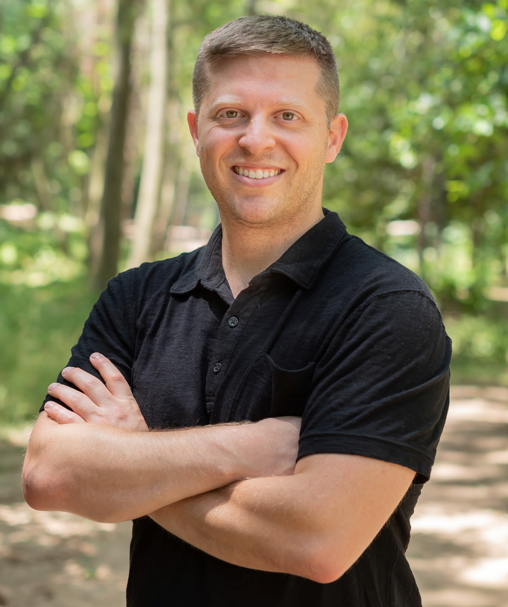

Guest
Aldo de Jong
Founder in Residence at Antler Canada, Paddio
Aldo de Jong is a serial entrepreneur and Founder in Residence at Antler Canada, currently building Paddio to reduce home ownership complexities. He co-founded Startupbootcamp in Spain but experienced a devastating hostile takeover by his co-founder, leading him through therapy and a journey of rebuilding that shaped his approach to entrepreneurship.
Chapters


Build Executive Visibility
Press placements on CNBC, Bloomberg, and MSN.com,
guaranteed, from one 30-minute interview.
Extracted into a month of content: press, LinkedIn posts, and video, so investors and buyers find real credibility before the first conversation.

Distribution through a channel with 2M+ real views
Full Transcript
Aldo De Jong: And on the 11th hour, literally, um, after they had their board meeting to decide on this, my co-founder said, although I don't know if I still want to do this, I don't think I want to go through with this deal. And as a matter of fact, surprise, surprise, I have money that I can use. To, you know, injecting the company to save the company. But if I do so, I would want you to be out of the company.
Sean Weisbrot: Welcome back to another episode of the We Love To Build podcast. I'm here today with Aldo De Young, a serial entrepreneur who co-founded the startup food camp in Spain and is now currently a founder and residence at. Antler Canada, which is a VC fund. His upcoming company is called Patio, and there he's seeking to reduce the complexities of home ownership, for example, energy efficiency. So in this episode, we're going to be talking about an experience he had, which drove him to go through counseling. Um. And what he's working on right now and how Startup Bootcamp has affected his career. So thank you for taking the time to talk with me. I appreciate it. Why don't we tell everyone a little bit more about, uh, where you are right now in life, and then we can go backwards. So,
Aldo De Jong: I'm right now in Canada at, um, at one 11, which is a startup, um, coworking space. And there I'm part of the Antler program, which is a zero day. A venture capital firm that invest in young entrepreneurs, um, getting ready to, to build that company. And so I've built many companies, uh, before and even so, I felt that this program would be the perfect fit for me to find a co-founder and start building a company and receive that first, uh, pre-seed investment. One we're building is patio. It's a, um, platform. That reduces the complexity that helps people to achieve home ownership in a more affordable way. And then also then once you are a homeowner, to manage that home, uh, to make that easier by connecting you to, you know, different service providers and other stakeholders in the real estate eco ecosystem.
Sean Weisbrot: In the intro, I said the word founder of residence. I have heard this term maybe once or twice before I've also heard Entrepreneur in residence. What exactly does that mean? What it means is that
Aldo De Jong: Antler has selected me among 50 other founders to build a new company as part of this program. They had about 2000 applications and then they selected 50 out of them to build a new company. So we are in residence for these 12 weeks to start building our company to find our co-founder, and that's what it means. You
Sean Weisbrot: told me before that you went through counseling. Why don't you talk about how. You got to the point where you thought you needed to have counseling?
Aldo De Jong: Yeah, so there were sort of two stages. Um, so the first stage was that I was the CEO and founder of Collateral Partners, a innovation strategy firm where we had about 25 people. And then as part of partners, we decided we would also co-found another company called Startup Bootcamp in Barcelona, a startup accelerator. So suddenly I went from about 25 people who would, you know, um, claim my time, seek my help, seek my guidance to about a hundred people sort of overnight. And so I really realized I needed to reset the way I was doing things. So I reached out on LinkedIn to my network and said, Hey, I'm looking for coaching. Do you have any recommendations? So a whole bunch of recommendations came back. Then there was one surprising thing, which was that two people recommended, uh, Kim Sumner, um, which was a career coach. And I said, well, I'm an entrepreneur. I don't need a career coach. I know what is my career, right? I'm an entrepreneur. I'm a founder of, of Cloud Partners in Startup Bootcamp. But then, because two people recommended her from two completely different networks, I said, let's just take the meeting. She came into my office and within five minutes she like struck me with lightning with her question. Her question was very simple. Her question was, what is the journey that you're on? Where, where do you want to go? What is your purpose? And I was like, wow, how can I not have been asking that question to myself? That's exactly the question. I'm always asking to anybody who works with me. 'cause my role as a leader is to help people grow their personal growth is my priority. Um, that's my strong belief is people grow in your company. They grow as a, as a person as well, and the company grows because of it. And, but I forgot to ask that question to Marcel. I had made myself one and the same of my company, and that's what many entrepreneurs do. They don't realize that they are still a person separate from the company. So because of that, I actually did start working with her and discovered, you know, what are my core values? What is my purpose? Um, what are my so-called motivated skills? The skills I love doing. And they're also good at. And uh, so that was the first stage of counseling that really helped me a lot, that created this roadmap for me, which I still used today, now eight years later. From that, um, from that counseling with her. Then couple of years later with Collateral Partners. Um, initially we were a real pioneer, so we were doing really well. We were competing with some of the best companies in the United States, getting clients like big tech companies and helping them with figuring out the future, figuring out innovation. Um, when you're a pioneer, there's always others coming behind you. So that's what happened to us and we had to make some serious changes to the company to be able to stay, um, competitive. And when a company struggles, especially when a company with, you know, 20 consultants struggles, it means that you very quickly burn through all your money. And when you burn through all your money, it generates a lot of stress. And so we needed to act quickly. So I lined up this plan for a, um, partial acquisition of our company to inject new capital, but at the same time also to become part of something bigger, bigger and to provide a better service to our clients. So we lined up this acquisition by a design development company, uh, from Slovakia, which were like about 10 times larger than us. Which would allow us to provide a better service to our clients and get that fresh capital. And they were ready to make the the deal. They did all the due diligence. They visited us in Toronto and Barcelona, where we had our offices. And on the 11th hour, literally, um, after they had their board meeting to decide on this, my co-founder said. Although I don't know if I still want to do this, I don't think I want to go through with this deal. And as a matter of fact, surprise, surprise, I have money that I can use to, you know, injecting the company to save the company. But if I do so, I would want you to be out of the company. And I said, well, I think then I would need to buy you out and I can co continue with the deal. He said, no. I don't want to do that. So it became really like a hostile takeover. So it was, um, it was a shocking moment because the person who had been my business partner, co-founder, you know, my, let's call it work husband, right? Um, suddenly turned against me. And, um, this was really hard for me. And, um. But I, but I had no time, right? He was giving me a very short timeline, basically the weekend, uh, to give my response to this hostile takeover. And, um, I really have to say what really helped me through this was my best friend John Martin, he said to me, you know, this might hurt a lot, and this will hurt a lot. Take the deal and walk away, something better will come from it. And so I did obviously something better didn't come immediately from it. Obviously I had been building this company for, you know, eight years and suddenly I was without that company. So I lost that part of my identity. And I had to think, who am I? What, what am I? And um. I went through first a period of, you know, mourning they say losing a company is about the same, uh, experience emotionally as losing a child. Um, and I could really feel that way. I was really lost. And, um, at that moment, uh, I had a hard time in my marriage as well. So it was a very hard time. I felt very alone and, um. Uh, people around me were saying, you really need help. A lot of people came to help. So a few of my best friends, they came to see me and stay with me, stay with me and my kids so that I felt supported, uh, because they were worried about me. They were worried about might happen. And um, and then when I was back in Toronto, my wife helped me find a psychologist and work with the psychologist to, to get counseling right. The most important thing was that I needed to re reset myself. I need to reestablish my who I am and what is my, um, identity and what did I lose and what did I still have, because I felt as if it was like a divorce where my, you know, like I said before, work husband. Took away the house and the children, right? And I was left with nothing. The reality was, of course, I wasn't left with nothing because I kept still the participation in startup bootcamp, which was very important to me, both financially and emotionally, and also people around me let me know, wait a minute, you didn't lose your children. Most children have have left the house already because there, at that point, there were more than a hundred alumni of collateral partners all around the world, and I knew that I could tap into them. The other thing I realized was I had all these different clients who had enjoyed working with me for who I created a lot of value that will be happy to work with me again. So I knew what I was doing. I realized I have a practice. I, I know my stuff. I have people that can work with me. I have clients. I just need to find a new home for my practice. And so the psychologist really helped me with that. So she, we actually only did four sessions. So four sessions was enough for me to rebounds back to, no. Who I am and to, you know, be confident to go back into the world and, you know, find a new home. Uh, for my practice. The counseling, uh, that she did, she was a, um, PhD in psychology and, um, the counseling she did was, uh, CVT cognitive based therapy and it helps you break cycles. When you think about, uh, things, when you ruminate about things and break those, uh, cycles. So you learn that technique and then once you learn a technique, you can apply it, um, uh, to yourself. And, um, it was a shock. Right? After four sessions, she said, she fired me. She said, although you are on your own now. I said, no, I'm not ready. Yes, you are ready. I know you're ready. If you need me again, you call me again. But you're ready. I. I think that was really good. And um, to me, what is the really the important, um, message in this story? There's a few important messages. The first one, I guess, is know that you can always rebound that we as people, we are very resilient through adversity, have built that confidence, right? And through this experience, I built a lot of that confidence. Because later, um, in life when something like this would happen to me, I would rebound so much faster because I had a confidence I would rebound. Right. And the other thing is that the other really important message is that entrepreneurship is a hard journey of ups and downs. There's great ops. It's so fantastic to see a co, a team drive to see a company, drive to see happy clients. Then there's also downs, you know, when financial struggles or struggles with your co-founder and you need to seek help. Um, you need not to be ashamed of seeking help from a coach or from, uh, from a psychologist for, uh, for therapy. So I think that's really, really important and I, I really highly recommend always people to. To share their stories as well, because sometimes people don't talk about it, that they went through counseling, and that's why people think it's not as, as common as you might think.
Sean Weisbrot: I'm sorry that you had to go through that, but it was probably better that it, it happened earlier in your life than later when you actually had the energy to deal with it. I think walking away was probably the best choice in the moment, just because if not, he could have made your life hell and you just said, you know, it's great. I don't want that in my life. And I think it just like therapy. I think partners screwing each other over or. Investors screwing each other, uh, screwing over people they've invested in. I think that's a lot more common than people realize, and that's why it was really important for you to be able to share that. So thank you for that. Um, I am, I'm not surprised it only took four sessions with the psychologist because cognitive behavioral therapy. Is the only therapy branch that I'm aware of in psychology that actually shows results. If you had, if you had gotten to like a talk therapist, you'd be still talking to them now years, years, years, years later, and you would probably still not have a results because a lot of them are trained incorrectly. They're trained in f Freudian, and union psychology, which does it. The, the goal of those therapies is to talk through your problem, but if the psychologist isn't trained to help you break out of that loop, then you're gonna continue making those mistakes. And so the cognitive behavioral therapy is the only one that I recommend to anyone because they are specifically trained to help you figure out. What is my loop and how do I reevaluate that loop so that I can break out of it? Um, I, I had a cognitive behavioral therapist, uh, last summer, 2022, and I was with him for like two or three months and I stopped. I fired him because I felt like I wasn't getting the value. So I'm glad you got a lot of value from the person you're with. Maybe they're better trained. I don't know. Um, I actually found him through better help. I. I know a lot of people on YouTube are promoting better help right now. Um, the service is okay. I think there's issues with it. It's not really important to talk about the details of Better Help specifically right now. Um, but cognitive behavioral therapy is incredible. Um, so I'm really, really glad that you got the opportunity to work with someone and that they were trained well and they were able to help you do it. So, I'm curious. I mean, I have a lot of questions now basically based on this, uh, my. My first question is, do you think having gone through the coaching years before made it easier for you to process the, the, the events that happened in the loss that ensued, or no? A
Aldo De Jong: hundred percent. A hundred percent. Because I had already separated my identity. From the company, right? Like my clients, sometimes by accident they would say Aldo Partners instead of Collateral Partners, which was the company name, right? And I felt the same way sometimes, right? I felt the goals of the company are my goals and the, and, and vice versa. So having, having done that, having that, that, that one pager that I still today send to people, I said, this is how you get to know with, these are more values, more skills, more purpose in life. Really helped me a lot because I just need to find a new home, um, for that practice. Um, what it also helped me, it helped me prepare, um, it helped me be ready for somebody to, to help me, right? Because after working with Kim Sumner, I actually, um, engaged a executive coach as well. Her name is Sandra Ruiz, and so I had with her. Biweekly sessions, uh, to talk through things, and she would reflect on what I was, we were just together reflect on what was happening with the company and the different relationships that were important to, um, to manage that company. Um, so I think I, I had become a lot more open in talking about my thoughts, my feelings, what was deepest inside me. So for sure, all that coaching helped me too. To be much more prepared for the counseling.
Sean Weisbrot: Was there anything that, that was said to you or, or exer exercises that you engaged in with that therapist that you felt you only understood because of the coaching or having gone through the coaching made those things easier to deal with? Um, on, you know, internally? I think so
Aldo De Jong: because, because I understood better. Um. Who I was, what was the journey that I'm on? What is my purpose? What is important to me? What are my values? It helped me understand why certain behaviors of other people would trigger, trigger me more than other behaviors, right? For example, in, in my case, everything related to integrity, honesty, ethics is extremely important to me, and I get very triggered when, uh, people behave against those, uh, those values. Um, realizing that that is not the case for everybody, for them, for that to be so important because some people actually, their business is about, um, threading those values and taking advantage of people like that.
Sean Weisbrot: Yeah, exactly. That's something I think a lot of people struggle with because I would consider myself to be extremely immoral. I have very strong opinions and, and very fine red lines and. When people cross those lines, it, it hurts me, but it shouldn't hurt me because my experience, what I've come to learn, you know, with all of my travels and, and all of that, and, you know, being in different industries, dealing with different cultures, is that my lines are different from other people's lines and my lines may not exist. They may not exist for other people, as you said. And so while I may find it. Impossible to lie to someone or I find it impossible to take advantage of someone. Other people who may not care,
Aldo De Jong: it might be their, their way of doing business. And in some cultures, in some cultures I won't mention which cultures. Within some cultures, business people, they take advantage of each other. And instead of one business person who has been taking advantage of who has been screwed over. Feeling bad about it, he will say, wow, this guy, you are really good at screwing me over. I'll get you next time. Right. And now I learned how to, how to screw even better. Right. So, um, I found it really interesting that, that there's different ways of doing business and uh, people have completely different red lines. Yes.
Sean Weisbrot: Yeah. I experienced that in China quite often actually. It was a very different sense of morality and. It's helped me to prepare, I think, for doing business. 'cause I, I didn't do business. I wasn't involved in businesses when I first got to China. Um, so I think being around the culture, I got to see it and I was like, oh, I need to think about these things if I'm gonna do that. So what was the length of time you were with Kim and how long did it take for you to see that kind of change in yourself?
Aldo De Jong: I was also with her only four, maybe five sessions. She has sort of a set program that she works through. Um, you know those four things, right? Your values, your motivated skills, your personality, and then your purpose. Those are the four things that she, that she discovers with you in four sessions. So it's quite remarkable. Um, so much value in that, right? Imagine now, eight years later, I still used that one pager. Not every day, but you know, think about it, every day
Sean Weisbrot: I had heard you say that she asked you the same question that you asked all the people you worked with, and, and yet you were still blown away by that. And I was like, I asked that to everyone I talk to, whether I'm coaching them or they're just a friend, and every time I say that thing, they're like. I'd never thought of that before. It's like you, you are in your twenties, your thirties, your forties, your fifties. How the hell have you ever thought about this? You know, you, you've got a business, you've been running this business for one year, five years, 10 years. You're in various, you know, uh, parts of your or various, um, legs of your, your journey and, and the business cycle. You know, some of these businesses are doing millions of dollars a year. Yet, you don't know why you're waking up every day and going to work. You don't know what you're existing for. How do you know that the business you're doing is actually what you wanna be doing? You might actually hate your life and you're just a drone. Every day you're a zombie, waking up, going to work. Maybe you love the money, maybe you enjoy the the things that it brings you, but maybe you actually hate the industry that you're in. Maybe there's just something that's not clicking. If we can get to the bottom of that, then maybe, you know, you may upend your entire life, but what comes next is really the fun part.
Aldo De Jong: Yeah. And when you apply to coaching and mentoring, uh, of people who work with you and your team, um, what you get is those people then later say, wow, I grew faster than I imagined possible. So that then has be because they told me that, that then has become my goal. How can I always help people empower people to grow faster than they themselves Imagine possible.
Sean Weisbrot: Yeah, of course. And you know, that's, that's really one of the purposes of being a coach or a mentor or advisor, is that someone is stuck somewhere and they don't realize that they're stuck or maybe they realize they're stuck, but they don't know how to, you know, get past that plateau in their life. And so the, the, uh, third party, you know, provider is the one that really helps them to figure out those things. And then you unblock them and uh, and then they start to fly.
Aldo De Jong: And I think it's very much the responsibility as a leader as well, right? Not only those third party, uh, coaches and mentors, but also as a leader. I think it's, uh, your responsibility as well. And also with this, a conversation where you need to let go of somebody where you need to fire somebody. Because they're not doing well and their role becomes so much easier. 'cause you start to talk about, hey, what journey are you on? What are actually your goals? And then together you realize the reason why it's not working out is because those are not aligned with with what you're, what you're doing in this company, in this particular role. What was the hardest thing about the career coaching for you? The motivated skills was really revealing, right? Because. It doesn't talk about what are your skills very specifically, what are your motivated skills? And she asked me to talk about experiences that I had as a kid. What did I do enjoy doing as a kid, and then later in life. And so, for example, one of those things that I enjoyed doing was acting on a stage, playing clarinet on the stage. Later in life, public speaking, she said, okay, so your motivated skills is performing. You need to find more opportunities to use that skill. And then another one, which was really hard for me, which is that when I had, um, um, walked into this a few times, which is that, um, my mind is very analytical. I'm a, you know, trained as a chemical engineer and did really well in that. Therefore, you know, a career, for example, as a, uh, McKinsey consultant would make a lot of sense, right? Because they need those analytical skills. The reality is that, or like a PhD, right? Become a PhD, the research. But the reality is that while that is a skill that I have. I like applying it now and then it's not something I want to dedicate my life to. For me, you know, leadership, innovation, creativity, bringing people together are so much more, um, stimulating, motivating for me. So this is when I discovered why, for example, when I was doing my MBA and I was not succeeding in really getting warmed up to a career in, you know, management consulting with let's say McKinsey, um, who were interviewing me. That's when I realized, okay, that's why. Right? So, so she helped me discover in one hour, right? It's just these sessions are just one hour. Why? There was a mismatch between. And that's true for everybody. What you're good at and what you enjoy doing. So many people pursue a career and only think about what they're good at, and they forget about what they enjoy doing. So it can be that you're very good at something, but it's not necessarily your motivated skill.
Sean Weisbrot: Oftentimes there are professionals, like a dentist, like a lawyer who are trained in that thing. How to be a lawyer, how to be a dentist. They are passionate about the practice of that thing, but they may not have a natural tendency for being a business owner, and the university they're trained at in this thing may exclude business management tri. So they come out of their program knowing how to do their profession, but not knowing how to run a business that. Provides that service. And so their business may fail even though they're a good provider of that service because they don't understand how to run a business. And so they either are forced to work for other people where their earning potential goes down, or they may run a business that may not be as successful as it could be because. They're too busy trying to be a business owner and a service provider, and they sometimes don't think about hiring a partner or a manager to look at the other side of it. And this was something that my dad went through as a dentist.
Aldo De Jong: Yeah. It's very, very common. Um, we actually once did a really deep work around micro business with, uh, with cloud partners. The micro business, meaning, you know. Those kind of companies of just a handful of people. And typically most entrepreneurs in the micro business space walk against that problem that they, they love delivering the value, right? Whatever their service or product might be. But they really struggle with what we ended up calling the over headache, you know, overhead
Sean Weisbrot: over headache. Well, one of the things that I talk about these kinds of people with is. For example, the guy running the liquidation business is that he's great at marketing and he's great at, you know, getting the people riled up to be at the store and, and helping them in the store. But I told him every minute that you're focused on marketing and being in the store is the minute you can't think about how to make everything better. You've got a high level operations problem and you've got daily operations problems. Every minute you're providing the service and marketing the service is a minute. You're not thinking about how to make the service better. And he is like, oh. And, and I've, I've, I've seen this with a lot of other people that are running marketing agencies or development agencies or you know, head hunting agencies, whatever it is, there's so many people that start off and they're like, making $20,000 a month, you know, or more, something like that. They're doing good in their mind. They think they're doing great. But they don't have anyone to provide service to the customers. And so they're providing the service to the customers, and so they don't have time to think about how to grow because they're too busy serving. And, and as a result, they get burned out because they're stuck in that phase where they are the service provider. So, you know, sure, you're making 20 grand a month, you're taking all of it home. You're a freelancer, you're not a business owner, you're just, you're, you're a well paid, you're a well-paid freelancer. So, uh. Those are some of the, the stumbling points for people is that they're, they're, they love to design, but they are not a great business owner, or they're afraid to, to leave that money in the business. They're like, oh, this is my money. If you're a freelancer, fire, take all that money home. Enjoy it. But if you want to be a business owner, no, you, that money isn't yours. That money is the business's and you're stealing it. You're not reinvesting profit. And, and that's very difficult for people to, to stomach.
Aldo De Jong: Yeah. I, I have a great story about it. About, about money and money of the business. Um, so at some point with collateral partners, we actually had three co-founders and, uh, one of those co-founders, um, after few months. We realized how different he was thinking about the business because he would say, for every Euro that we spend, we need to think that that means 33 cents less in each of our pockets. And I was like, are you serious? Is that how you think about it? Because the way I was thinking about it, every Euro that we spend, how does it make the business better? You know, how, how does it make this, this company the best we can possibly be? Which was my goal. Well, his goal was how much money can I take home? So that's why we quickly had to part ways with that, uh, third co-founder.
Sean Weisbrot: It's a shame, you know, but I think that's, that's a really important point. Something that I discovered actually with my, my, um, last marriage. Was expectations, right? As you're, we were talking about morality earlier, your sense of morality might be different than mine. And while it might cause a rift between us, that's life. It is what it is. Well, at the same time, your expectations are also different. And so part of your morality may be informed by your expectations, and therefore. Your expectations were different than his and that wasn't communicated before you started the business. That was a failing on all three of your parts, and that was something I experienced with my ex-wife, where our expectations were communicated very well because our expectations were very different, and that's one of the reasons why our marriage didn't work. So then what was the hardest thing about the cognitive behavioral therapy for you?
Aldo De Jong: The hardest thing. Was getting familiar with that, with that CVT, um, model, you know, where behaviors influence thoughts and, and things like that. That was hard for me to just get, get a grips with that model. And then the second hardest thing, or maybe actually the hardest thing, really was that moment that she fired me. Right? That she said, you're on your own now. I'm like, are you serious? I was still feeling. Shaky on my legs, let's say. Right. I, I didn't feel ready at all, but I think it was really important. It was her duty to fire me, right? Because if she, if she would have, uh, kept me there and made me dependent on her counseling, on her service, you know, like I think many of those talking psychologists that you mentioned before, do. That would be very bad. Right? I would become weaker instead of stronger, which would would've been my goal. Right.
Sean Weisbrot: I think talk therapists are, uh, they're not good for society because like a lot of doctors, their goal and pharmac, pharmacists, whatever their goal is to keep you hooked. They want you coming back for more because that's how they make money. Yeah. Yeah. I, I love when, when she fired you. I think it's, it's. Very telling of cognitive behavioral therapy as a bridge of, of psychology in itself, where the goal is, you know, I'm here to, to nurse you back to health. And then it's on you to finish up. Keep going. Exactly. Yeah. So is there anything we haven't talked about that you want to add?
Aldo De Jong: Um, well, I would love to talk about the company we're building. Of course. All right. Tell us about patio. Yeah, so patio. Um, came about where Luke, my co-founder and I both have these big missions in life, right? So for him, a really big mission is he wants to make home ownership more affordable for Canadians and in the end, everybody in the world, right? And while that's really important for me, and I was working on that exact same mission as the CEO of Justo for the last couple of years. Another really important mission for me is what can I do to multiply my impact in, you know, averting the climate crisis? And just a week, I think before joining the Antler program, I saw this graph, um, which was showing how. Basically, Canada is the worst offender in terms of carbon footprint per person that is influenced by the people themselves, um, together with Australia, even ahead of the United States. And we always think about the United States as to, oh, this, this, this big offender of climate change. Right? And so Canada apparently is this silent offender. Of climate change, right? So I'm like, okay, Canada is my new, my new homeland, right? Since, you know, six years now I need to do something about that. And then I dig into the problem. And guess what? Home heating and ventilation, heating of water, um, appliances that apply heat like dishwashers and washing machines, all of them together represent easily a third. Of that carbon footprint that an individual has. So why is that? Well, it's obviously because there's an extreme climate, right? Winters are cold, summers are hot in Canada. But uh, and not everybody knows that because everybody thinks about Canada as a country that's always cold. But no, in the summer it's actually pretty nice. But anyway, um, that's one reason. The other much bigger reason, which is, which is very, very problematic, is that the way people heat their homes with, with forced air circulation, which is also pretty common in the United States, is actually very inefficient. And then on top of that, the, the homes are mostly made of wood and very poorly. Insulated and, and all those things, right? So there can be so much done. Um, improving the comfort of the home and reducing the carbon carbon footprint. So then when we dug into that problem, you know, around home ownership and around no, around incentives and information around energy efficiency, we realized. People don't know. People aren't aware of, um, of what they, of what they can do. And, um, and, and therefore, uh, they don't do much, right? It's not on their priority list. So we realized we needed to, um, attack a bigger problem, which is that home ownership is complex, it's difficult to attain. Uh, there's really missing critical information. Um, when you make a decision, like a purchase decision about how good a home is, how old is the roof, um, because here in Canada you need to replace your roof every, you know, let's say 15, 20 years. Um, so, so therefore that's really critical information that's often, um, missing. And then the other problem, which I really saw when I was the CEO at Justo is that there is a real inconsistent quality. Of real estate agents, um, and other service providers such as, you know, um, contractors who do poor jobs when they, you know, repair that roof or something like, um, like that. So that's how we then came up with these idea to create this platform that sort of enables the entire lifecycle. From ownership for home, home ownership, all the way from purchase to sale, and to create this sort of information management system, uh, where people have all their documents related to their home in, let's call it a digital shoebox, and where then this, um, this digital, all these documents together generate a home score, which then helps. Um, real estate agents to provide a more re reasonable valuation of a, of a home and also motivates people to improve their home score. So now suddenly we have very clear incentives for homeowners to improve their energy efficiency and o and make other improvements to their home because it will improve their home score and the home score will improve their valuation. For which they can sell the home or, you know, refinance, uh, with a, with a mortgage to, to release more, more money that they can use for, you know, start a new business for example. Sounds like Zillow with a bunch of other features added on top. For my far it is quite different than Zillow. Um, definitely there will be the part of Zillow where, you know, you have a search engine where you can find homes for sale for sure. Um, the huge difference is that Zillow's business model is twofold, right? On one hand, they live off advertising revenues, so this means that not the best real estate agents, uh, rise to the top, but those that have more money to spend on advertising, and in our case, we really want to curate the network of real estate agents and service providers. For all to service only those that they have a proven high quality of service, which can be achieved by looking at their, you know, um, references by looking at their ratings they might have achieved on our platform or other platforms. So in that sense, uh, the business model is extremely different, uh, than, uh, than Zillow's. So like,
Sean Weisbrot: can they say like, what year? The fridge. Was bought and then you can go, oh, we see your fridge is 10 years old. You should consider buying a new model in order to increase efficiency in your home and increase the value of your home by X amount of Canadian dollars or US dollars, whatever. And we recommend these brands because they're the most efficient. And if you click here, you can get a discount on that. And you get an affiliate commission for the sale of the the appliance. Exactly. That's indeed
Aldo De Jong: how it works. The idea is that. We built a long-term relationship, not only with the homeowner, but rather with the home itself, right? Because then once this house is sold, that whole package of information that proves that the roof was done by, you know, a reputable, certified contractor, um, it, it moves with the house to the new owner. So it has all that documentation and proof, but also now it means that, that. These service providers that have provided services to the home in the past can continue offering those services in a very, um, easy way. Yeah. Are you going to be
Sean Weisbrot: charging a monthly fee for anyone to be using this platform? Like how does that work?
Aldo De Jong: We actually think that there might not be, uh, a monthly fee, uh, for anyone, um, at the base level. Um, so we always, the, the main, the way we make money is indeed, like you said, by, um, affiliate, uh, uh, fees, you know, for a referral to different, uh, uh, services, taking a cut on, on a commission of a real estate agent, uh, for example, for providing the referral to them. Um, so that's how we make money and there might be, um, a good case to be made for having a freemium model for the homeowners. Their base model is free, but let's say if we manage their warranties, uh, for them, or, you know, replacement of water filters or things like that, um, maybe then there is a, a premium plan where they would pay a subscription. Interesting idea.
Sean Weisbrot: Maybe you could try to sell it to Zillow. Yeah. Who knows. Yeah. I don't know what their valuation is or what their, their cashflow looks like, but I always know that when I wanna see what. Someone paid for a house or what the market thinks the house is worth, they'll go on Zillow. So it's a a cool little platform. And for, for that function specifically, although in, in, in Europe, I don't use it just in the States. So how do you build something that's global? 'cause I imagine you're focusing on a global market, not just Canada.
Aldo De Jong: We would starting Canada because that's where we, we see the problem to be one of the biggest, um. And then we would aim to cover, let's say, you know, 70% of the population. Um, to do that, you just need to be in five cities, um, or metro areas, right? And once you're, once you're, then you say, okay, now we're done in Canada. Now we are ready for international expansion. And then I would look at, um, which, which other markets have, have this problem in a, in a, in a, in a big way. And see where we can enter, uh, next, but it's important to start a company like this, not global, but start local and then start expanding from there. You know, like, um, many of those companies which are, this is really like a. Marketplace. Right? Marketplaces, you need to build them city by city. Uh, country by country.
Sean Weisbrot: I don't know if you've listened to any of the other episodes, but you should look at the one with, um, Brian Clayton. He's built a, a double-sided marketplace and I think they crushed like 30 million last year. Very cool. I'm definitely gonna listen to that one. He is been building it for like nine years, something like that. So is there any, anything that, uh, you wanna mention in the end here? How can people follow up with you?
Aldo De Jong: I'd love to say that just one, one more time. Emphasize that if you as a found founder, find yourself in a hard place. Go and find help. Go and find help. Professional help. Not just talking to your friends, how good those friends might be to your spouse, wherever it might be. Go and find professional help. Don't be, uh, don't be ashamed for doing that. It will help you a lot. And, um, and then how people can find me, um, they can find me on LinkedIn. So my name is Aldo DeJong and uh, you'll find the link in the, uh, podcast notes. Alright, great. Thank you very
Sean Weisbrot: much. Although I appreciate your time and your energy. And don't forget that entrepreneurship is a marathon, not a sprint. So take care of yourself every day. Thank you.
Build Executive Visibility
Press placements on CNBC, Bloomberg, and MSN.com,
guaranteed, from one 30-minute interview.
Extracted into a month of content: press, LinkedIn posts, and video, so investors and buyers find real credibility before the first conversation.
Distribution through a channel with 2M+ real views
