
65% of Their Sites Now Start This Way (Most Founders Miss It)
What if the way you build your website today is already costing you visibility tomorrow? In this episode, Sean sits down with Itai Sadan, co-founder and CEO of Duda, a website building platform designed specifically for agencies, freelancers, and SaaS platforms working at scale. Itai breaks down why AI discoverability is becoming the new SEO frontier, and why optimizing your content for platforms
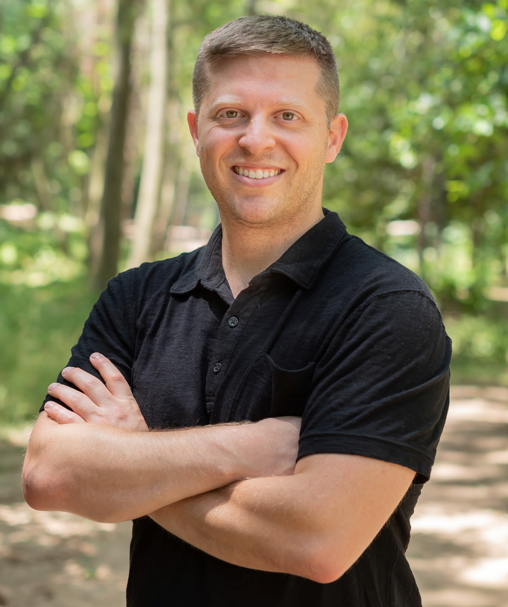

Guest
Itai Sadan
Co-Founder, Duda
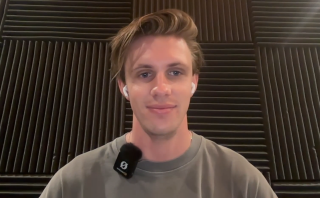
Itai Sadan is the Co-Founder of Duda, a website builder for agencies. He reveals the two critical pivots that saved his company: shifting from mobile-only to responsive design, and the controversial decision to ignore 50% of his customers (small businesses) to focus entirely on agencies, explaining how this strategy saved the business after two years of flat growth.
Chapters


Build Executive Visibility
Press placements on CNBC, Bloomberg, and MSN.com,
guaranteed, from one 30-minute interview.
Extracted into a month of content: press, LinkedIn posts, and video, so investors and buyers find real credibility before the first conversation.
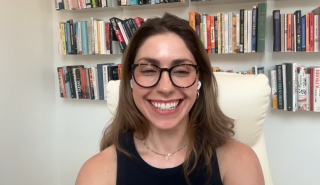
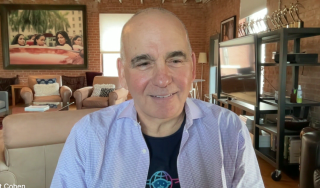
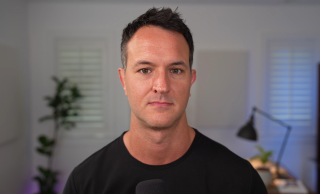
Distribution through a channel with 2M+ real views
Full Transcript
Sean Weisbrot: Why is it so important for companies to use tools like yours to build their websites?
Itai Sadan: So, um, tools like Duda, which is a website builder, uh, we, we kind of built this tool really focused on, uh, agencies and, and SaaS platforms that are offering websites to small businesses. Um, I think the tools like us make it very easy for either like agencies or small businesses, uh, to, you know, create a website. Get to an amazing kind of output in, in very, in a very short time and with very little effort. Um, our tools today, uh, encompass, uh, a lot of AI capabilities that have made it, I would say, easier than ever, uh, to really have a, a great output and a beautiful site, uh, without needing to know too much about the world of website building and. What is essentially needed to, to be found at the end. People are building websites to to be found, if it's to be found on Google or today to be found on some of the AI chat platforms like chat, GPT and so forth.
Sean Weisbrot: Hey, business leaders and marketers. What if your brand could be featured right here? This ad spot could be yours. This channel is watched by a dedicated audience of ambitious founders, executives, and professionals who are actively looking for tools and services to help their business grow. If you wanna put your brand in front of this highly dedicated audience, that's difficult to reach. I'm currently looking for a few strategic partners for the channel. To learn more about sponsorship opportunities, click the link in the description. Let's go together. What's the biggest differentiator between DOA and something like a WordPress or a Wix for people who aren't really sure?
Itai Sadan: Yeah, so again, our target audience is mostly agencies and it's agencies who are building, uh, websites at scale. Um, these are digital marketers, web designers, freelancers. And I think the moment that you're, you know, building websites for your livelihood, you need a platform that was built for you. This is exactly what Doda is. So for folks who are building at scale, and I'm talking about folks who are building tens, hundreds, thousands, some of our customers are building tens of thousands of sites a year. You need a platform that, uh, you know, allows you to really be productive and efficient at scale, manage, you know, that amount of sites, uh, without bogging you down about upgrades and maintenance. So we've put a lot of those tools in there to really help an agency or a freelancer, um, build a beautiful site, but also easily manage their end clients and also manage the process of website building inside their own team, inside their own staff.
Sean Weisbrot: What have you noticed clients asking for in the last six months that you think is really going to change the way your company operates?
Itai Sadan: Yeah, so by now they are, the biggest thing right now is, uh, AI and, um, especially AI discoverability being, being found on. Chat, GPT and so forth. I think there's an amazing opportunity right now for, for any business to, to think about that. It's, it's a new channel. Historically, when we talked about SEO of webs of how websites are being found, SEO was kind of equal to Google, but that world is shifting and we're seeing the increase of traffic from some of the chat platforms 'cause. People are now not just going to Google, they're going to chat, GPT, grog, perplexity, all these tools, and I think it's, there's an amazing opportunity now to think about your website as these tools really feed on content that is on these websites, and how can you optimize that content to make sure that when an end consumer is asking a question or a prompt on one of these chat platforms that your website. Shows up, uh, in the results.
Sean Weisbrot: Is this something that you can code into your system that as the website is being created, the SEO is being built into it? Or is this something separate that still needs to really be worked on by the client directly? So
Itai Sadan: it's combination of. Things that, you know, from a technical perspective, the platform can take care of. Uh, this is integration. This is stuff that we do underneath the hood where the person building the site doesn't necessarily need to be involved. We take a lot of that hassle away. It's integration with the, the crawlers, the, you know, the bing crawler, the Google crawler, and updating them. Whenever content is changing, it's creating schemas. There's a lot of technical things that are being done that I don't wanna kind of, uh, waste too much time on getting into those specifics, but I think those are good and nice. But really the mo, the more important thing is the content on the website. And I, and that doesn't change a lot from the kind of more, more legacy SEO world. It was always about content, right? Content is king. Um, and you know what Google calls, um, EE A TI think is, is, uh. Was relevant then, and is relevant now. So that is an acronym that stands for experience, uh, uh, ex uh, expertise, authenticity and trustworthy of the content. So it's not about just adding more content to your website, uh, or having AI just spit out more content and adding those. It's really thinking about, you know, how do you, how is your content relevant coming from a trust? How is that content trustworthy? Is it unique and this is what you still need humans to, to create that type of content. So I think the combination of what we do kind of underneath the hood, plus guiding, uh, small businesses, uh, who own websites to add more content that is relevant. I think that's kind of the win winning combination.
Sean Weisbrot: So are these LLMs. Penalizing companies for using LLMs to generate content?
Itai Sadan: Yeah. The, I don't know if penalizing is the, is the right word, but, uh, I think, you know, just regurgitating content that is already out there and, you know, that's kind of what typically LLMs do. And, you know, they, they don't create unique content. They just kind of read the content that is out there and kind of repurpose it for. Uh, for you in the prompt. I think that's not gonna get you as far as you know, what human content will get you. I, I do think that humans should be aided by, uh, by these LLMs. So I think it's, maybe it's a good start. You can start. Um, many times when I write content, I, uh, I could, I could use chat, GPT or any of these tools to give me a good. Structure, layout of content. But I would go in there and make quite a lot of changes myself and add my kind of more unique point of view, right? That's what would be miss missing kind of the meat, the unique point of view. The LMS are not gonna give you that, and I think that's, that's really what humans need to be, uh, adding. So really LLMs aided by, uh, humans, or maybe the other way around to say it, humans aided by LLMs.
Sean Weisbrot: How much longer do you think people will be using elements and blocks? Like for example, I used WordPress for years and for probably almost a decade or more I was using divvy, where you have elements and you put information into these blocks. How much longer until these are dead or are they already dead? Yeah.
Itai Sadan: Great question. So I think. What we'll see is, um, and we are already seeing it. Uh, a fun fact is that 65% of websites being created on doda today are using one of our AI assistant. So we've kind of added multiple AI assistant in different stages of the site building process. And these are very heavily adopted capabilities today. So I think it's. What I've, what I've seen, what I've noticed and also talking to customers and, um, is that AI, again, it's, it's, it's a very analogous to what I just mentioned before about writing content take. We will, we'll take it to the website building world. AI can give you a really great headstart for a website right. Today with very little information. I can tell it, you know, I am, uh. Um, I want to build a site for, let's called it it's ski shop, and it will create, uh, a website with, uh, you know, all ski equipment and snowboard equipment, and there'll be a lot of information there about skiing and so forth. So it's, it's a good head start, but I think where people hit the cha, uh, what the challenge that people are noticing with these LMS is many times that afterwards too. It maybe brings you kind of to the 80% completion of the project, but it doesn't bring you all the way to a hundred percent and many times kind of that last leg is very difficult to do just with. Text just with kind of a, a chat interface. 'cause you're, you kind of know what you want and you're trying to get the chat to do what you tell it to do, but it's not doing that and it's changing everything else. So I think the combination, getting back to the, your question of starting with the LLM and then having the complete control. Over the blocks that you mentioned, having the ability to where there's an editor where you could do some things that sometimes it's easier to do it with just moving, you know, moving a block from the left to the right, going into a certain block and clicking the color palettes and choosing the color you want. And it, it's making a very kind of more anecdotal change. So I think the combination of both LLMs and. Some of these other interfaces that we've used in the past, I think is the winning combination.
Sean Weisbrot: How long until all of this is obsolete and we're just having voice calls with ais that are building and maintaining our websites for us. Yeah.
Itai Sadan: Yeah. I think the voice is another interface, right? Chat is an interface. I think it's always about the right interface for kind of the job that you're doing. And it's, many times, like I said before, it's the combination of multiple interfaces, voice chat, um, you know, WY wig, kind of moving the cursor around and doing stuff. So I think it's just. I don't think there's gonna be just one interface. I think it's just gonna be a combination of these interfaces and people will default to what is most comfortable. So maybe voice is kind of, will take over as kind of the, that initial interface to get a lot of the project done. But then, you know, for kind of the last mile, that's maybe when you move into more either text or kind of wizzywig drag and drop.
Sean Weisbrot: How long do you think until this kind of functionality is prevalent?
Itai Sadan: Uh, things are moving so fast, so who, like, I wouldn't believe it. Where, you know, chat. GPT launched in kind of, I think that was November, three years ago. Three years ago. Yeah. And look at where we are today. So it did move very, very quickly. And you know, I'm still astonished by some of the results that I get today. Either in our own tool or just in generally in other tools. And every other week a new tool pops up and we're all amazed for a while. And then it kind of, kind of, oh yeah, that's of course, uh, that AI can do that. So, you know, I don't know, things are, things are moving very quickly. I think it's very hard to. To forecast where we will be, you know, three years from now.
Sean Weisbrot: What's been one of the difficult or the one of the hardest things for you in running this business?
Itai Sadan: Yeah, I think, um, it's always, um, you know, growth is always something as a CEO that you think about. It's where will future growth come from? I don't think there's a single CEO that looks at. You know, looks at, um, you know, revenue and says, oh, we're doing the best that we can. There's nothing more that we can do. Right? Everybody's thinking about, what can I do more? How can I drive more growth? How can I accelerate that? Or how can I accelerate profitability? So I, I think I, I, I think a lot of times on, you know, uh, fu uh, future product direction. What are the next products that we should build? Where should we invest? There, you know, I think about, you know, how can I, uh, help my, my sales team, uh, achieve more. So I'm kind of pretty much very growth, uh, focused.
Sean Weisbrot: Do you ever get scared of your success or do you ever feel scared that it's gonna go away?
Itai Sadan: Yeah, I think. Scared, uh, or, you know, worried or maybe concerned always of, you know, market changing. Like you see the biggest companies that we've known in the world, um, you know, many companies. Don't exist forever. Uh, or in their, you know, they have their heydays and, and you know, somewhere down the line, market dynamics change and they lose that, right? A lot of companies that, uh, we've known historically are, you know, a shadow of themselves this day is like, you know, companies like, you know, IBM or um, Blackberry or Nokia, right? Like things. Things changed over the, you know, in a decade or two. And, um, you know, I'm, I think in the same way about our company, and especially now with ai, I think about, you know, are we building the right things? Um, I see, you know, tools out there like, um, you know, like the lovable and the ples, um, kind of the new age way to. Build a not just website, build apps, uh, build websites, um, you know what, and I kind of think about, okay, what are we doing to compete with that? Um, so I'm, yeah, I'm mo mostly as kind of the founder and the CEO, uh, co-founder and CEO. Uh, my, both me and my co-founders talk a lot about like the future direction. I feel like it's our job to constantly ensure that. We have product market fit, right? That the, our customers, the product that we've built for our customers always, uh, kind of is, is the, is what they are, is, is what they need and what they're looking for. And sometimes they, we need to think a couple of steps forward, right? Because by the time the change comes and they're, you know, they don't, they don't come and tell you we're, we're moving away to a different platform. It, it kind of happens slowly, slowly, and you don't notice it, and then it happens all of a sudden and, and, uh, and that we can talk about it soon. That has happened historically in, in, in, in the 15 year tr uh, journey of our company where market dynamics changed and we needed to steer the ship. Kind of the ship is kind of that product market fit. We needed to steer our product to make sure that. We're building the right thing that our customers, uh, need today and into the future. And it's, I think that's kind of the main role of, of, of the founders and, and kind of the CEO to ensure that we're on the right track.
Sean Weisbrot: How do you do that then? Because I, I think a lot of the people listening are very new to entrepreneurship. And they may not have been in your shoes, where they've been responsible for one thing for a number of years, where they've had to think about how do I remain relevant? Do you have a specific process for this or
Itai Sadan: I don't. I don't have a process for it. I think it's a lot about, um. Being attuned to, to the market and what's happening in the market, right. As, as kind of the founders, you, this is kind of your role. There's nobody else that, that is in charge of that in the company. Uh, it's your role to understand where the industry's going. Um, it's, it's your role to really listen very deeply to, to what customers are saying. And what, and we're, you know, constantly, there's signals. The signals are pretty, are pretty light in the beginning and you need to pick up on these signals, right? If, for example, suddenly, um, a competitor like you lose a deal to a competitor, uh, that you have never lost before. You kind of need to ask yourselves why, like, what is this? What did this, is this a one time anecdotal thing that I lost this deal to this other platform? Or could this be a beginning of a trend where I'm falling behind or I'm not serving the exact needs of, of this customer? Especially if you lose a deal to someone who you think. Uh, to a prospect that you think would be a great fit for your product. So something, there's, there's kind of, um, again, you know, th there, there are sometimes these signals as well, or suddenly a partner switching from your platform to another platform. Many times, like companies, I think are too slow to respond to these changes. And as I said, the changes initially, it's slow. It's a customer here, it's a customer there, and then it's kind of all of a sudden, and if you haven't built the right product or haven't made the right changes, it's, it's just too slow and kind of the market, um, goes another direction and you're not there. So I can give examples of when that happened in our, in our journey and it happened. Once or twice. Uh, and I think we, we made the right decisions, uh, at, uh, in, in those times.
Sean Weisbrot: Yeah, I would definitely love to know more about that. It's very helpful to, to hear what happened and how you handled it.
Itai Sadan: Yeah, so initially when, uh, Amir, my co-founder and I launched the company in 2010. So we've been operating, uh, running the company for 15 years now. But when we launched it in 2010, it was a mobile only site builder. Um, it was kind of at the advent of mobile iPhone launched in 2007, Android in 2008. Small businesses were inundated with traffic coming from these new mobile phones. They still had these kind of desktop only websites that you had to kind of pinch and zoom. I don't know if maybe a lot of your listeners, uh, are, are younger than that and don't remember that. But for us who've been around for quite a while, we remember that it was a terrible experience even on the newest iPhones back then. Uh, but so our first product, um, what we noted, what we did is we basically took, we built a tool that took the URL of a desktop, like of your. Uh, desktop website and we kind of reformatted this website to, uh, a mobile only site. So at that time it was very common to have like, uh, you have your desktop site and then maybe you have a mobile only site with doda. Which kind of was m your, kind of your domain. I'm familiar with this. Yes. Uh, you're familiar. Remember that? And we really kind of pioneered that era, era, uh, around mobile websites. And we grew very, very quickly to hundreds of thousands of mobile only sites on our platform. And for three, four years, like the graph of growth was just like this up and to the right. And you'd asked me who's who, who was our customer back then. Uh, probably the, I would answer, you know, anybody who needs a mobile website, that was like the clarity that we have around who is our, like, uh, who, who our ideal customer is. Um, fast forward like three, four years. Um, and with the proliferation of devices and different screen sizes businesses, didn't want to build a site for mobile, a site for desktop, a site for tablet. They kind of wanted to, it was, they wanted to build it once and it runs on all, all screens and kind of responsive web design rose as the right kind of paradigm or framework to do that. And we were noticing that, um, I think early, uh. We started to build kind of the next product that would be kind of this website builder that runs, you know, you build it once and runs on all screens. And I think some of the competition, which kind of the Wix, the WordPress, the Squarespace, they were coming from the other side. They were desktop only. And they were trying to kind of become responsive. Uh, so everybody was racing in kind of the same direction or from different directions to the same, uh, point. I think we all relatively came out with new solutions at the same time, and at that point we were like suddenly in competition with some of these really big players, some of them public companies, and we were struggling there from being kind of the, the leader in mobile. We were kind of want just another company that is offering websites. And it, it was, it was a tough period and we kind of asked ourselves, okay, why are customers going to come to Doda? What's unique about us? And maybe this is like, I'm talking about four, four years into the company and you're a, we're asking kind of pretty. Substantial questions. And we looked at our user base and about 50% were small businesses, but the other 50% were these web designers, digital marketers, agencies, building websites on behalf of small businesses. And they, like the data showed us that they were growing faster for us, uh, than the single small business. Um, I think we also kind of. From an engineering perspective, from a cultural perspective, we understood them better. Uh, there was a preference to build kind of the more sophisticated tools that these folks who were serving SMBs needed. So we made this kind of pivot at that point that we're, we, we are gonna focus on basically 50% of our, our, our customers. Uh, we are gonna become this web pro. Company. We also thought that there was a big opportunity as we saw that these other platforms that I mentioned earlier were very much focused on the small business. So we felt these pro web professionals were underserved with the existing tools and we thought, thought we could solve that problem better. Um, so from that day onwards, we didn't spend a dollar until today to acquire a small business. We understood that we are a web pro. Company and that brought tremendous amount of focus to all levels in the company, like from engineering that was constantly before that torn between small businesses asking for simplicity and these web professionals asking for flexibility and powerful tools. From that day onwards, it became very clear on which product requests you focus on and marketing knew at what level to. To message and sales understood better who their customer is. And I think this really propelled that decision, uh, which was not an easy, easy decision by the way, um, really propelled us to where we are today. Uh, kind of as a web pro focused company,
Sean Weisbrot: how long did it take for you to recognize the situation and then make that pivot?
Itai Sadan: Right. So there, so really there were kind of the two pivots, right? The first pivot was more of a product pivot. Mm-hmm. From a mobile only product to this responsive website builder. And I think that was a very difficult pivot. The name of the company back then was due to mobile. So we were kind of a mobile only mobile focused company and suddenly, you know, me and my co-founder come to the management and later the company and say, Hey, we. We're, we're, we're gonna go fully responsive. We're not going to just stay in this mobile niche. We think that, you know, the future of the company, we have to build this product that, um, solves for all different types of screens. I think that was a. I think it, it required quite a few conversations and we obvi, you know, we persuaded them that this is the right way to go. We pointed, I think, always coming grounded with data and showing, you know, especially if you start to see some slowdown in certain areas, like, uh, you know, we're a very data first data focus company. Um, and even when you try something new, it's not, you're not betting the whole farm. So we had a lot of revenue riding kind of on mobile. Then we kind of built a second product and, and I'm glad that we did that. 'cause at some point the revenue for mobile started flatlining because of the dynamics changing in the market. And gladly we had this other product, but it was still very small. Right? When you're making millions of dollars on product A and there's product B that is now starting from scratch. It takes, it took probably two years for that new product to kind of be. 50% of the revenue and that those were, you know, two pretty difficult years of like flat growth. We were not able to raise money from VCs. Uh, at that time we had money from VCs from like our series A, series B, but you know, it was two years that it was clear to us that we could not raise, you know, with flat growth, you can't kind of go out and raise money. The good thing is that for the folks who were internal. To the company. We saw the, the, the growth rate from the new product. Uh, and we were very optimistic that it's just a matter of time that it will eclipse the revenue from the, uh, original product. So, uh, and I think with the success, it's easier to gain more. Um. Uh, with, with the early success and, uh, and looking at the data and the adoption rate, you slowly get more, uh, buy-in also internally to give this new product, you know, its space and it's, and the, the resources that it requires to grow. So it's, you know, initially you, you know, you have kind of. This new product and, you know, maybe marketing doesn't want to give it too much real estate on the homepage. 'cause you know, they're still very focused on selling like product A that's actually paying everybody's salaries. So, you know, you give it some small space over time as it kind of starts to grow and becomes bigger, it gets more real estate, more promotion, more resources within the company. So it's not that you one day just jump blindly, uh, to, to focus on a product. It's. You have, you start it, you give it enough resources to see some level of success, and then you invest more and more as it grows.
Sean Weisbrot: And so by the time you now had the second product that was 50 50 split between the developers and the small businesses, how long did it take for you to figure out that you needed to just focus on one of them where they finally said, okay, we've got this, we're gonna do this, let's go.
Itai Sadan: I think by the time that it was 50 50, it was very, very clear. Like, it was very clear before that, you know, um, that just one product is in decline and one product is growing, you know, double digits. Um, so it's, it's, so it's, it was very clear early, uh, pretty early that this is kind of the future of the company.
Sean Weisbrot: I mean, where you said that the, that you're going to stop focusing on the small businesses.
Itai Sadan: Oh yeah. Right. So the second pivot. The second
Sean Weisbrot: pivot,
Itai Sadan: yeah. We didn't talk about the second pivot, so the second pivot, right? So the first product is growing, but you're still kind of challenged with. Um, you know, I think back then, like if you'd think about the website it was and how we would market it was primarily. Focused on SMBs and somewhere in the navigation you would find kind of, Hey, and here's our partner program. So, um, if you want to kind of resell our, our, our product to small businesses, if you're an or, here's kind of the agency plan for those who are building multiple sites and they get discounts and over time. I think we, the switch that happened, that second pivot is basically understanding that that thing that was just uh, uh, a menu item in the navigation, which was selling through channels, through agencies. This is kind of the future of the company, and that kind of became, with the iterations became the core thing. That we were doing, we were just acquiring more of these agencies and selling, you know, those plans. And it kind of switched from just being an item in the navigation to, hey, this is, this is the website. When you come to the website, the language talks to web professionals. The whole, the pricing page is to, is for web professionals. We, we, by the way, never fired the small businesses so. In no place did we shut the service down for small business until today. If you want, if you're a small business and you're more technically inclined and you want to use our platform, there's what we call the basic plan, and there's quite a, quite a lot of SMBs using it. We're just not focused on them. We're not necessarily building the features for them. Were not marketing or messaging to them, but you know, it's the internet. Anybody is free to use it and you know, if, if, if this is the right tool for you, like. Go ahead.
Sean Weisbrot: Is there anything I haven't asked that you feel would be important to mention?
Itai Sadan: So I think, um, one learning that, uh, is important, especially for entrepreneurs is there's, there's no one single right way to, to succeed. There's a lot of different paths. Uh, to, to, uh, to success. Uh, there's also a lot of paths that lead to failure, but, you know, focusing more on success, I think you'll, it's good to have mentors along the way and, and it's good to read and, and study and learn about the success of others, but I think it's important to remember that there's, there's no one template for. How to build a company. So listen to a lot of people, um, learn from other use cases and other companies, but at the end you have to make up your own way. And, um, yeah, so. There, there isn't just like this single playbook, and it's not necessarily that if other companies did a, that if you would do a, that it would succeed. Uh, at the end it's kind of the role of the founders, the, the management team to um, kind of craft their, their own way, their own journey. Um, and yeah, so don't let anyone tell you that there's only one way to do things.
Sean Weisbrot: Thanks for watching. If you liked this insight, I've handpicked another video for you right here on the screen. For more actionable strategies that get you real results, hit subscribe.
Build Executive Visibility
Press placements on CNBC, Bloomberg, and MSN.com,
guaranteed, from one 30-minute interview.
Extracted into a month of content: press, LinkedIn posts, and video, so investors and buyers find real credibility before the first conversation.
Distribution through a channel with 2M+ real views
