Why Video Interviews Outperform Written Q&As for Executive Credibility
Can a Written Q&A Be Faked?
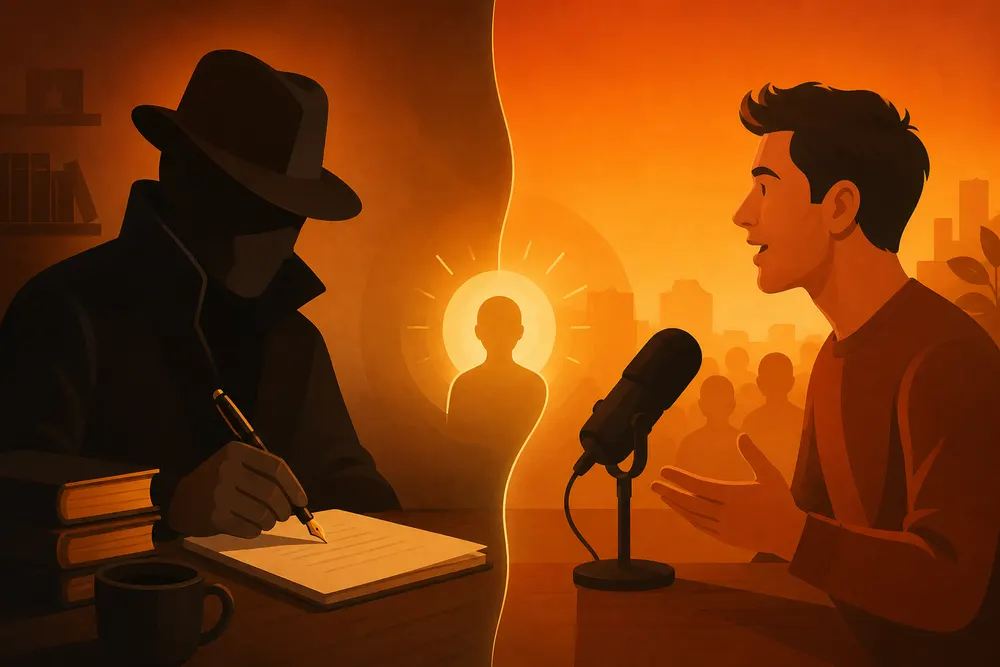
Written Q&As are convenient, a PR team can send questions over email, polish every answer, and send back something that reads well. That convenience is also the problem: nothing about it proves the executive actually said any of it in real time, under any pressure at all.
In practice, most written Q&As go through several rounds of editing before publication, a comms team softens a risky answer, legal flags a phrase, a founder rewrites a sentence three times until it sounds sharper than it did on the first draft. None of that is dishonest, but none of it is spontaneous either, and readers increasingly sense the difference.
Why Is Video Harder to Fake?
Tone, pacing, how someone handles an unscripted follow-up question, none of that survives heavy editing without looking obviously off. Video carries a kind of proof-of-authenticity that text simply can't replicate, which is part of why it reads as more credible even when the underlying content is similar.
A slight pause before answering a hard question, a genuine laugh at something unexpected, the small imperfections that make a conversation feel real, those are exactly the signals viewers use, often without realizing it, to judge whether someone actually knows what they're talking about.
Does Video Produce More Usable Content?
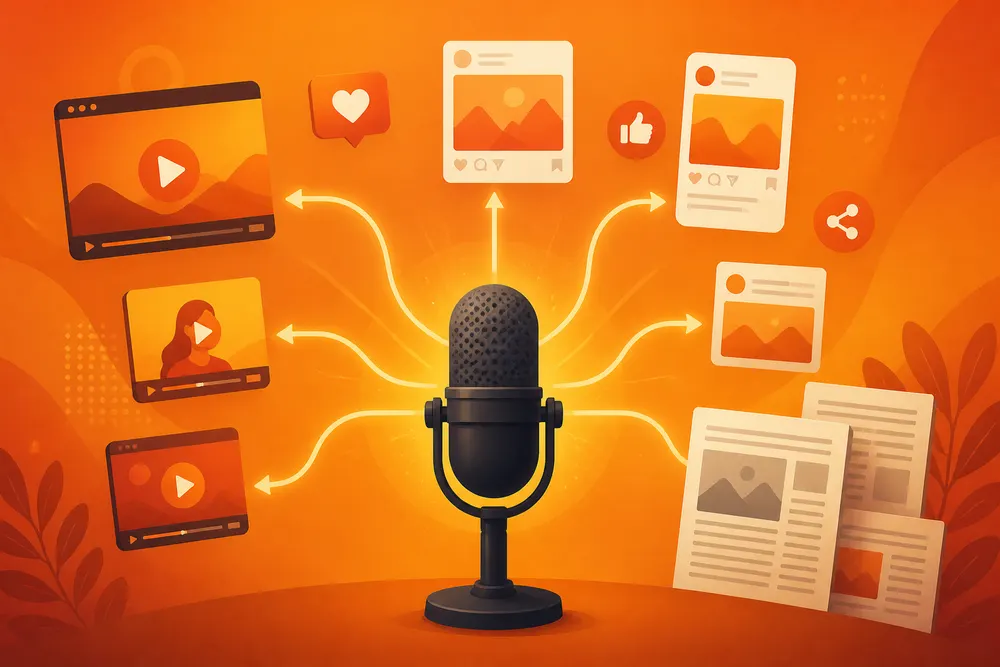
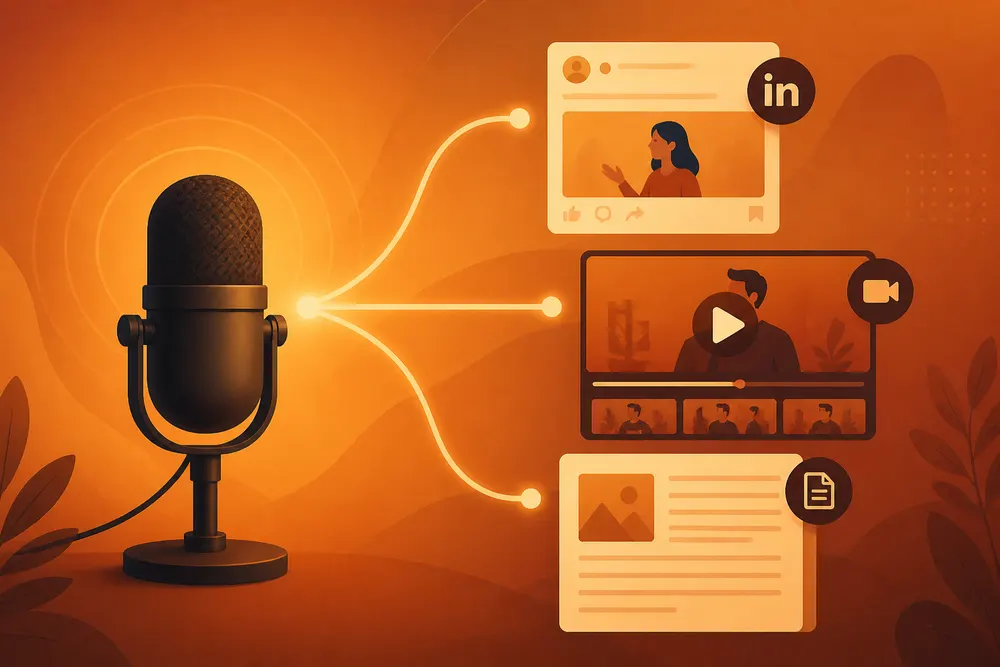
A recorded video conversation can become short clips, a written transcript, LinkedIn posts, and a press feature all at once. A written Q&A only ever produces the written Q&A, there's no raw footage underneath it to repurpose into anything else.
If credibility and content volume both matter, video is doing two jobs a written Q&A can only do one of. A single 30-minute recorded conversation can realistically feed a month of distribution across several channels, a written Q&A gets published once and is done.
Does This Mean Written Content Is Useless?
Not at all, written features on outlets like MSN.com carry real weight, and a written Q&A can still work fine for a low-stakes update. The distinction isn't written versus video in general, it's staged versus real. A written feature built from an actual recorded conversation carries the same authenticity a video does; a Q&A composed entirely over email does not.
The strongest approach uses video as the source material and lets written content, features, LinkedIn posts, articles, get built from what was actually said, not from what sounds good on paper. That sequencing matters more than the format itself.
What If an Executive Is Uncomfortable on Camera?
This is a real concern for plenty of otherwise strong communicators, and it's worth taking seriously rather than dismissing. The fix usually isn't avoiding video, it's proper prep, a good interviewer who asks questions the executive can speak to naturally, and framing the conversation, not the performance, does most of the work.
Most people who dread being on camera relax within the first few minutes once the conversation feels like a conversation instead of a test. The discomfort tends to be with the idea of video, not with the actual experience of sitting for one.
What Does This Mean for How You Plan Coverage?
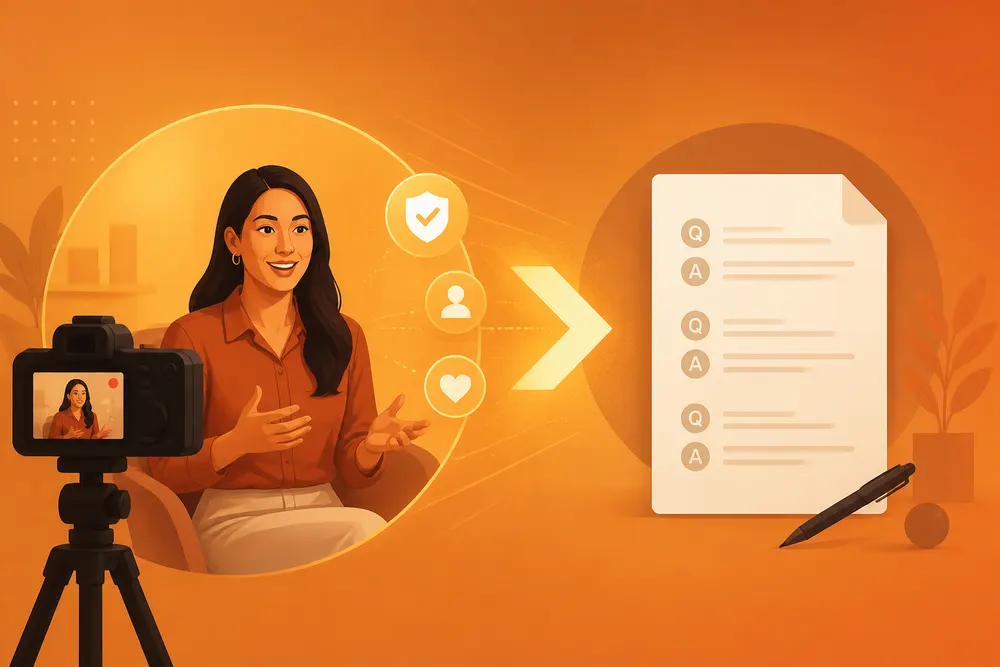
If you're choosing between a written Q&A opportunity and a recorded interview of similar reach, default to the recorded one. The transcript from a 30-minute video conversation can still become a written feature afterward, so you're not giving up the written placement, you're just getting it as a byproduct instead of as the entire deliverable.
Over a handful of placements, that difference compounds. One executive ends up with a stack of static Q&A pages, the other ends up with a library of video, clips, transcripts, and features, all sourced from the same conversations, all still usable months later. When a new campaign needs source material, one executive has a library to pull from and the other has to schedule something new from scratch.
How Should You Evaluate an Opportunity Before Saying Yes?
Ask whether the format lets you speak in your own words in real time, or whether it routes everything through a written intermediary first. A live or recorded conversation, even a short one, clears that bar. A questionnaire sent over email and returned as final copy doesn't, regardless of how prestigious the outlet running it is.
It's also worth asking who owns the raw footage afterward. An opportunity that hands you the recording, not just the finished article, is one you can keep repurposing long after the original placement stops driving new traffic on its own.
Press plus content from one interview
Premium Interview Package
Guaranteed MSN.com feature, LinkedIn posts, video clips, and guaranteed reach, without broadcast weight. Ideal when you need third-party proof fast.