
Podcast Guesting vs Being Interviewed for Press: Which Builds More Credibility
What Is Podcast Guesting Good For?
Guesting on a podcast puts you in front of a host's existing audience and lets you go deep for thirty to sixty minutes in a way press rarely allows. It's genuinely good for building a relationship with the host and reaching people already interested in the topic. A good podcast conversation lets you explain a nuanced position, tell the origin story of your company, and sound like a person rather than a headline.
What it usually doesn't carry is independent editorial validation, the host said yes because you pitched them, or a mutual connection made the intro, not because an outlet's editorial process selected your story. That distinction matters less to the audience listening in real time and more to anyone who later evaluates you based on what shows up when they search your name.
"If you're a business owner, you are a media company... what a podcast does for your brand is astronomical. It establishes expertise... and increases purchase intent."
Anthony Frasier, CEO, ABF Creative, on the podcast
What Is Press Coverage Good For?
A press placement carries the weight of an outlet's own reputation. It reaches fewer people per placement than a popular podcast might, but it does something podcast guesting structurally can't: it signals someone outside your network judged your story worth their platform. A producer or editor at CNBC or Bloomberg isn't doing you a favor, they're deciding your story serves their audience, and that filter is the entire source of the credibility.
That's also why press coverage tends to outlive its original moment. A podcast episode gets a burst of attention in its release window and then settles into the back catalog. A press feature keeps showing up in search results indexed under your name for years, which is exactly the moment it matters most, when someone is evaluating you and doesn't tell you they're looking.
Should You Do Both Podcast Guesting and Press?
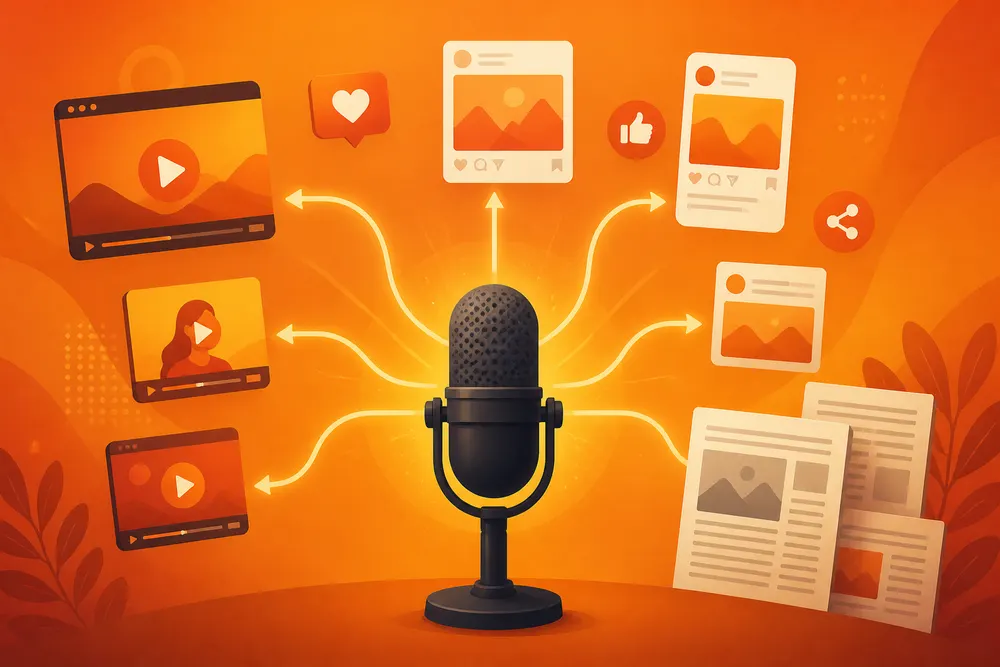
These aren't competing choices, a single recorded conversation can become the raw material for both a podcast-style long-form piece and, when placed through the right partner, a press feature. Treating them as an either/or decision leaves value on the table either way. The work of preparing for one conversation, thinking through your best stories and sharpest points, is the same work either format needs.
If you can only do one this quarter, pick based on what you need most: relationship-driven reach, or verifiable credibility. Founders raising a round or heading into a board search usually lean toward the latter. Founders trying to build a category audience often lean toward the former.
How Should You Choose Where to Start?
If you're early and mostly need relationships and reps talking about your business, podcast guesting is the lower-friction starting point, hosts are often easier to reach than editorial teams, and the format is more forgiving of an imperfect answer. If your immediate need is passing the "Google them before the meeting" test for an investor, buyer, or board search, press coverage does that job more directly, because that's specifically the artifact those people are looking for.
Either way, a single recorded conversation can feed both eventually, there's no reason to treat the choice as permanent. Many executives start on podcasts to get comfortable in front of a microphone, then move the same stories into a press pitch once they've found the version of the story that actually lands.
What Does This Look Like in Practice?
Picture a founder who does one podcast interview a month for a quarter. By month three, they have a growing relationship with three or four hosts in their space, a body of recorded material to draw from, and a much clearer sense of which two or three stories consistently get the best reaction. That clarity is worth more going into a press pitch than a founder who's never said their story out loud to anyone but their own team.
Now picture the reverse: a founder who lands one strong press feature first. That placement becomes the credibility that makes the next podcast booking easier, because hosts want guests who've already been vetted by someone else. Neither sequence is wrong. What's wrong is assuming you have to choose only one path and stay on it.
What About the Audience Size Argument?
A common objection is that a popular podcast reaches more people than most press placements ever will, so it should win on reach alone. That's often true in raw download numbers, but reach and credibility are different currencies, and the audience that matters most, investors, acquirers, board candidates, isn't casually scrolling a podcast app looking for you.
Those people are running a search, not browsing a feed. A podcast episode with ten times the downloads of a press feature does you little good if it doesn't surface when someone specifically looks your name up before a meeting. That's the moment press coverage is built for, and it's a moment podcast reach alone doesn't reliably reach.
Compare packages and pricing
See All Media Packages
From a single MSN feature to full CNBC and Bloomberg placements plus a month of content, compare what's included at every tier, side by side.