
Why the Co-Founder Who Stayed CEO Was the Right Call
What separates the founders who build lasting companies from those who flame out early? In this episode of We Live to Build, Sean sits down with investor and entrepreneur Ron Levin to explore the critical decisions that define startup success, including why staying in the CEO seat as a co-founder can be the right call for the long run. Ron shares his honest reflection on the difference between the
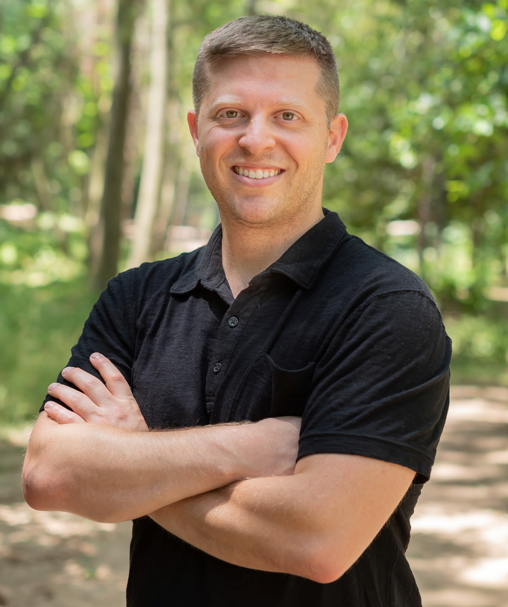

Guest
Ron Levin
Managing Partner, Alumni Ventures
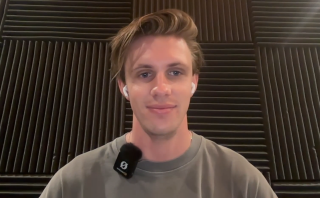
Ron Levin is a Managing Partner at Alumni Ventures and co-founder of TravelPerk (a unicorn startup). He explains why you should never pay a retainer to an advisor, arguing that most startups waste thousands of dollars on advisors who deliver zero results and how to structure equity-based deals that actually align incentives.
Chapters


Build Executive Visibility
Press placements on CNBC, Bloomberg, and MSN.com,
guaranteed, from one 30-minute interview.
Extracted into a month of content: press, LinkedIn posts, and video, so investors and buyers find real credibility before the first conversation.
Distribution through a channel with 2M+ real views
Full Transcript
Sean Weisbrot: What's more enjoyable for you being a founder or being an investor?
Ron Levin: Wow, that's a great question and I think it's something that a lot of people have to face, uh, when it, when, when the time comes, you know, being a founder to me was, uh, I mean, it's a rollercoaster. There's really no other way to put it. It, it is exhilarating and the highest of highs. And, and also you, you, you face your own internal, um, you know, uh. What, what would you call it? Like, um, your challenges, your, your Achilles heels. All all of those things come up when you're a founder because you have to deal with every issue that might arise. Uh, and a lot of that has to deal with, with people, with your customers, your employees hiring, firing, uh, with negotiating with vendors. Um, and there's always a problem. So there's always something you need to deal with. And a lot of great founders really thrive on that. Um, they like. Having the attention on them, the ability to make decisions, the conviction, even if they have insecurities, they, they, they always give their answer with conviction. I'm a little different. I've, I've found more comfort actually in being an investor, uh, because I like working with the entrepreneurs and dealing with a lot of the issues, um, that are sort of more of the high level, the strategy. Direction. Um, and, and helping guide, but being in the thick of things, um, is, is really takes something special. And I think there are probably, in all honesty, more people that are cut out to be investors than there are entrepreneurs. Even though everyone goes out, they watch, um, the movie about Facebook, the social network, and they suddenly think they're gonna be Mark Zuckerberg. And you know, honestly that that's the one in the million case. Um, and uh, you know, I think honestly I would, uh. For, at least for right now in my life, I think being an investor, um, is where I'm most comfortable.
Sean Weisbrot: How do you find that one in a million case?
Ron Levin: That's a great question. That's, it's really hard to do, even as an investor, you know, the, the. We, we talk a lot about the power law in this business, and even with the best of us, the best investors out there, the, you know, the, the best VCs do not bat a thousand, right? Uh, you know, in baseball, if you're hit 300, you're on the All Star team and you, you, you might be taking your team to the World Series and, and venture capital is something like that. Um, you know, I go in. Every investment I make, I think has the potential of becoming a unicorn or an IPO. But I know from statistics and reality that stuff's gonna happen. It could be a macro issue, it could be A-U-A-A-A black swan event, or it could just be poor execution. Um, and so sometimes there's an element of it that's just out of our control and unpredictable the unknown unknowns that happen, and that will actually happen in a majority of cases. Most of the companies I invest in will not become that one in a million. Um, but with enough bets out there, one, one in a million is maybe not exactly the right numbers, but, um, but out of a large portfolio, there should be at least a couple that, that have breakout success. And it's really a combination of things. I think it's really having, um, not just an ambitious dream, uh, because of course you need to be going after a big market. You need to have a technology that's compelling, something that's defensible. Um, but really it comes down to the execution. And execution happens because of the team. Uh, and so really finding these founders that have the confidence and also the wherewithal and also this innate. Desire to make it work no matter what. Um, because there are going to be just incredible barriers, uh, to success. And you have to keep overcoming those barriers one after another. Every day. Something's gonna come up that you didn't expect. That's gonna be a challenge. And, and you have to face, face those things one by one and knock everyone down. And so the, the great founders are the ones. Just keep plowing through and that are also thinking a step ahead. They're ahead of the competition. They're technologists at heart. They have this just ability to see what's coming before the rest of the world does. Um, and sometimes. You know, we, we think we know what's coming. Um, but, uh, but the, the real geniuses are the ones that, that don't just think that they, they kind of know it. And, and we as investors need to, you know, kind of figure out which are the ones, um, that are really seeing around those corners and, and, and latching onto those. So there's no one magic formula. I wish there were, but, but I, I keep learning every day and trying to figure that out.
Sean Weisbrot: Hey, business leaders and marketers. What if your brand could be featured right here? This ad spot could be yours. This channel is watched by a dedicated audience of ambitious founders, executives, and professionals who are actively looking for tools and services to help their business grow. If you wanna put your brand in front of this highly dedicated audience, that's difficult to reach. I'm currently looking for a few strategic partners for the channel. To learn more about sponsorship opportunities, click the link in the description. Let's go together. If so many VCs out there have a poor record for returning investment, why does it continue to exist as a business model?
Ron Levin: Well, I think it, it, it's a great question and I think it exists because there are the top performers like anything else. I mean, it's sort of like looking at, if you look at the public markets like mutual funds, why are there so many mutual fund managers out there when. Every piece of data basically suggests that every investor should just buy index funds, buy and hold, and forget about it. Yet there's thousands and thousands of people who make a great living managing other people's money for fees. In venture capital, the asset class really exists because historically it has outperformed other asset classes, traditional outlet asset classes, which is particularly true if you're a top quartile investor. Um, so the top quartile VCs have done. Um, remarkably well compared to other asset classes, and that's why our model at Alumni Ventures is to co-invest alongside the best VCs to get our individual investors access to the same great deals that traditionally only institutional investors have had access to. We don't just invest with. Anybody. Um, part of our due diligence process is who is leading and who is who else is part of the syndicate, uh, because that helps us validate. Um, not only that, you know, we're making their correct decision on, on the founders, uh, but just knowing from their, these other investors in their track records, um, that there's some element of value that should be placed in that alone. Um, some of those investors are not just great pickers. They have the ability to create great companies. Because they put their full weight behind them. So, so I think that's why, um, you know, there is still success in venture capital.
Sean Weisbrot: I hear many VCs say, I'm the first check into a startup, but the reality that I've seen is that most VCs want to know who else has invested before they're willing to write that check. Why is there this, this dissonance between what investors say and what they actually do.
Ron Levin: Yeah. Yeah. No, it's, it's very fair. And, um, there's a lot of FOMO in this business and, um, there is an element of, of herd mentality and, you know, we, we don't, you know, shy away from that. It's actually quite core to what we do. Um, you know, but, but we also don't try to make claims like we're the genius. We say, we explicitly say we're never the first check-in. We we're, we're not investing in a silo. Uh, you know, we're a generalist firm. We, it's hard for us to have a very strong conviction at the pace at which we invest in very specific industries. So we look for signs from the market, and so we look for other VCs. So, um, you know, knowing what other investors are doing is important, and that's why all the VCs show up to YC Demo Day because it's like. You know, a lot of these companies have gotten an initial vetting already. Um, so I think some of the claims on first check-in can, of course there are, there's always someone who's the first check-in and, you know, God bless them if they're the ones that get it right and, and do well. And, and maybe those are why those are some of the outliers. Um, but for, I think for most of us, we are looking for clues. Uh, and the truth is that, you know, the, the, the first check in are usually the friends and family or the angel investors that are willing to take a bet because they know the founder personally and. Those are the really the high risk investors, um, that are willing to go all in. So I think there is maybe a little bit of smoke and mirrors around who's really the first check in. Um, but, uh, I would not discount the fact that there is, um, a, a race among VCs to know who, who is investing in what, because there's a lot of, lot of signals and, and not just noise in that,
Sean Weisbrot: why do VCs brag about the number of decks that they see a year?
Ron Levin: Well, I think they're trying to, in many ways show their. For one, show their LPs, uh, that they're being selective. Um, and secondly, I mean, it's also true. I, I know as an investor I get loads of inbound and we get so many decks from Linked over LinkedIn, over email. Like I don't have time to review everything that I see. Uh, and I might be missing opportunities because of that. Um. But, you know, there's only so many hours in the day. Um, and so I think they're, they're one, they're, they're showing their LPs that they're adding value and that they're, um, getting through the, the best. And then two, I think they're also signaling to founders, um, you know, don't waste my time. Uh, if you're gonna come to me with a pitch, it better be a really good one. Uh, and you better have thought it through. So I think there is some, some, um, di different, different things that they're trying to show by, by sort of bragging about that I, you know, I, I don't. Think we, we particularly try to brag about it, but we're also. You know, not trying to hide the fact that we do get lots and lots of inbound. And I, I wrote a blog on my substack recently called The Cold Truth About Cold Outreach, um, that says if you really want to get to an investor, find a way in, use your resourcefulness, um, do everything you can to find a way to that investor if you think they're really the right investor for you. But what you shouldn't be doing is just send a cold blanket templated email, because that's gonna get ignored and. By probably 95% of VCs. Um, there are a few who claim to look at everything that comes in, but for the most of us, we, we just don't have enough hours in the day to look at everything.
Sean Weisbrot: I find it interesting that VCs say, we love warm intros. Don't, don't cold outreach. But for me as a fundraiser. I cold outreach to many investors and get an instant response. And, uh, you know, they're happy to jump on a call with me and look at the startups that I've got that I'm working with. And then they like are, they make a mention of it in the intro call about how, you know, they love talking with me and how this is such a great warm intro. I was like, I spoke to you once for like 20 minutes. How is this a warm intro, you know? But if that means that they're willing to look at the companies that I'm working with, then hey, I'm not gonna say no. Right? Obviously what I'm doing is working. Uh, but it's just strange how, like, why can I, as the person who's not the founder, contact the investor and they're happy to look at a founder. But if the founder reaches out to the investor, the investor has to ca has to pretend they don't care.
Ron Levin: That's a very interesting, um, perspective. Um, you know, I think. There, there's something that comes I, I would say the investor probably either. Either they know who you are or, I mean, you, you have a bit of your own digital footprint at that point, so I'm sure at, at this point. So you know that that might have something to do with it. Um, that, that you're, you're, you're now known and, and credible. Um, but yeah, some, somehow something coming from someone I know lends itself to, okay, at least someone I know and have some trust with, has taken a look at this. So that's a starting point, but it also to me says that the inve that the founder. Is taking an extra step to get in touch. Um, and because they recognize that they might not know me, they're, they're using whatever leverage they can. And so I think there's something that adds at least just an element of moving them, moving them a little bit ahead in the queue, um, by having a, something come from, from a person. Even if I don't know you well, if I know your name, if it sounds familiar, if something resonates. Then, then it's gonna get a little bit more attention. And, and perhaps you've introduced why you're sending this to me. Like, I think this makes sense to you because I know you like this space, or, you know, you might really connect with this founder or whatever it is. Um, that if there's something, some little hook, um, that, that actually can go a really long way.
Sean Weisbrot: There is something else I was Oh, um. Add on to that, which is really funny to me, is that most investors say they hate the idea of a middleman who's taking a success fee.
Ron Levin: Mm-hmm.
Sean Weisbrot: But then they still go and take all of those messages from the middleman and, and instead of the founder who wouldn't have to pay a fee if they didn't need a middleman.
Ron Levin: Yeah. Yeah. Well, we, we, we never pay, um, middlemen in this, in, in the sense of, um, uh, you know, here, here's a finder's fee on a deal we, we have can do. That's what we're here for. We, we do sourcing, uh, ourselves and, and we get inbound from a lot of places. Um, but we, we do actually have, um, a super angel program in a scout program that will. That will award some carried interest. Um, if someone does refer something that we end up investing in with the feeling like, Hey, you know, we're kind of in this together and if you brought us something that ends up being successful, you should share in the rewards. So we're not shy about doing that as long as it's, it's, it's a mutual, you know, Ben benefit. And, you know, we're, we're only. Being rewarded on the success itself. Um, but, um, you know, I, I don't think there's anything wrong with that. We're, we're, we're, we're public about that, that, that we do that and a lot of other firms have scout programs of, of different shapes and forms. Um, so in a sense they are paying, uh, a middleman. Uh, a lot of those scouts are independent and don't actually work for the firms, right? That's kind of the idea. Um, so there's something to that. Um, but just paying, paying like a cash fee, uh, that's not something we would do. It. We, we would really base it upon success. Um, at least that's how we think about it.
Sean Weisbrot: Right. Well, you know, the, typically the startup is paying, using money that they received from the investor. Mm-hmm. Right? And that's the relationship between the startup and the person who's helping them to do the fundraise. And so it's strange for me how like. If I were to be a scout for someone and I were to get some of the carry, it could be 10 years for me to see anything, but I could get money the minute it arrives in the bank from that investor. Yeah. So why would people choose to be a scout and potentially get something in seven to 10 years when they could get money Right now?
Ron Levin: Yeah. Well, as, as an investor, certainly at the very early stages, to me it, it's, it's somewhat of a negative signal if I see that they've hired. And are actually paying, whether it's an investment bank or, um, you know, usually these are more boutiquey type of operations. Uh, you know, I, I, I wanna see the, the hustle. I wanna see the founder go out and do it themselves. Um, so if I know there's that kind of middleman, um. It's generally not a good sign. Now if it's really an advisor, someone who's maybe compensated by equity, it might be a different story. Um, but I, I really encourage founders to at least go out and try to do this themselves. Um, you know, use your network, use your resources. I know it's time consuming. I know it can be a pain. There are a lot of founders who don't love the fundraising process. Um, but do it, it's good for you. And, and most of the great founders have done it. Uh, so, um, you know, if, if you're a later stage company and you're raising, you know, a hundred million dollars Series E or something, sure, okay. There, there's justification in hiring somebody to help in that process. You're talking to only larger institutional growth investors and so forth. But, um, but yeah, I, I, I, I'd like to see the founder do it themselves.
Sean Weisbrot: I mean, of course the founders I'm working with are doing it themselves too, but they're also trying to run their company and so they bring me on to help them, you know, to expand their network. And so I only work on success because I was a founder in the past and when I was fundraising, I made the mistake of hiring someone on retainer to help. And I spent 40 grand outta my own money. 'cause this was before we had raised from other people and. I got zero out of it, and I never had any proof that he actually did any work at all. So I don't wanna put another founder in the situation that I was put into. And that's why I won't take, I won't ask for a retainer.
Ron Levin: Right. Right. So, I mean, I, I would think of you as more like an advisor and, and it's. Totally fair. And, and I actively encourage founders to have great advisors that can open doors. That's, those are the kind of advisors you need. I, I often tell founders, um, if, if, if they're asked, I, I usually don't give unsolicited advice, but if they ask, um, you know, go out and find an advisor who's basically in the same industry doing something non-competitive. Is at probably three to five years ahead of, of, of where you are now and where you want to be. So when, when I was, um, a co-founder and, and CEO at, at Travel Perk, um, now called perk, um, enterprise Travel Platform that I started with two of my former colleagues@booking.com. One of the very first things I did was I approached, uh, the, the. Co-founder and CEO of Get Your Guide, uh, a guy named Johannes Rec, uh, to be our first advisor. And, uh, you know, I knew him professionally through my work at Booking and I said, well, get your guide is at a place where we want to be in five years. They've raised a lot of money, he's been very successful. It's in the travel space, but it's not directly competing with what we do. Um, that's the kind of advisor we need. And, and he was extremely helpful early on, you know. Helped us, you know, gain credibility with investors and, um, you know, knew the right people. And, um, you know, that that's the kind of equity that that's wisely spent. Um, so if you find the right advisors that, that, that's, that's really, um, you know, can be a, an absolute catalyst in, in, especially in early stages.
Sean Weisbrot: It was great that you're able to find someone like that. And I, I actually know I've got your guide. I've used them before when I've booked, uh, opportunities in Columbia and Costa Rica mm-hmm.
Ron Levin: And a few
Sean Weisbrot: other, uh,
Ron Levin: places that people don't normally travel to.
Sean Weisbrot: I was very unfortunate when I was doing this where the, I, I wasn't really able to find anyone to be an advisor for me. The person that I found was the wrong person. And he brought on, or he introduced me to that fundraising guy, and that also was a, was not good. So, uh, made a, made a lot of mistakes by trusting the wrong people. And unfortunately, partially it was because I had made so much money from my previous business that I didn't, I wasn't really thinking about it, you know, I was like, oh, I've got this money. The whole purpose of having this money is to be able to invest it into this business. But, and, and it's not somebody else's money. It's my money. So if I make a mistake, like I don't have to feel too embarrassed about it or have to justify it to the investor because it happens before they come on. So it's my problem not theirs. And, you know, that didn't stop us from dying anyways.
Ron Levin: Right. Well, you know, we, we all learn, learn these life lessons the hard way. Right? Um, but these are the best lessons and we, we, we don't always get it perfect. I mean, there's very few founder journeys that, that don't have some, some of these, uh, you know, stories baked into them. Uh, and, and we have to learn. And some of the best founders are the ones that, that fail their first one or two times. They learn enough from it that they eventually kind of get it right. Um, so, you know, no, no harm in that. I've, I've, I've, I've, I've learned a lot as an investor. I mean, before I got into vc, I was an angel investor, and I, I, I made a few doozies of, of bad bets, you know, early where, you know, I, I put a lot into, to things that, you know, in hindsight I'm like, man, why did I do that? Like, I mean, it's, you, you, you just learn from these things and move on.
Sean Weisbrot: Like, what was your worst investment you think?
Ron Levin: Oh, I mean, I, I, I've had a few that I mean. Investments of 25 to 50,000, that that went to zero within a year. Uh, and I look back and, and you know, I, I, I don't want to call out any, you know, particular founders, um, you know, because, you know, you, you enter these things knowing the risk, right? Um, but there are, you know, things that, things I saw, well, wow, that was a big competitive threat that I knew. But I just didn't wanna listen to it because I thought the idea was so good, or, or the founder was so good at selling me the story. Um, and other cases where it's like, wow, they spent a lot of money really early on. Um, you know, why, why did they need to hire, you know, a a, a dev for 200 grand in New York City when they could have hired one overseas for 20 grand from Eastern Europe or something, uh, and could have done same quality work. And, you know, I just wasn't in tune with. A lot of these pitfalls that, that founders face. Um, and, and you learn them the hard way when, when you see your money evaporate, you're like, oh, okay. What, what did I learn from this? And let me take stock. And, you know, I never blamed the founder. You know, I, I'm mature enough to make my own investment decisions. Um, but what can I learn from that? And, you know, I've had others that have, that have gone well, I mean, I, I recently had a, a very successful outcome on an angel investment. Um, and, you know. Who knows. Sometimes it's, you know, if I look back at my portfolio, is this the one that I would've said this would've been the big outcome, not necessarily any more than any of the others. So sometimes it's just hard to see and you, you only have 2020 vision in hindsight. Um, but that's the way sometimes it goes.
Sean Weisbrot: How is seed investing changing?
Ron Levin: Yeah, it's, it's, it's, it's a great question. I mean, a, a lot of the attention right now is, you know. So much of what we do right now, at least in my world is, is kind of AI first type of deals. And, um, this is such a big focus area. I've never had such a concentration of, of deals that are sort of within one category as, as they are in the past year or two with, with kind of, sort of the LLMs have sort of opened this, this whole world. And it's not just two, you know. Layers on top of lms, but it, it, it's also, you know, other types of applications of AI that, that just weren't as in focus. So, so from a sector standpoint, that's one aspect of how it's how I'm looking at things. Um, but I also think that. There's an expectation as a seed investor now that founders need to do more quickly, you know? Um, with all that's happening, um, with, with, uh, development tools and, uh, companies like lovable making automation happen so much faster in, in how programs get built. I think there's an expectation to do a lot more faster, and that means get to market faster. Um, and so I. Probably a smaller percentage of the deals I invest in going forward are gonna be real true pre-revenue deals. We, I'm sure we'll still have them and some of the deeper tech deals that we do, of course, um, I expect will still be pre-revenue. But, um, a lot of these kind of more vertical ais, I, I expect them to be in market faster than maybe even some of the SaaS companies I was investing in a couple years ago. Um, so I think their expectations are changing. I don't know to what extent valuations are changing. I think it's. Things shift very quickly in that world. Um, I'm not too concerned on that. If they're gonna be a big winner, whether I get in at 5 million pre or 10 million pre, um, it matters, but it's not, you know, the be all, end all. Uh, so I'm, I'm more in tune with just how is this company gonna get to market fast? How. Demonstrates scalability quickly. Um, and so I, I think the expectation, the founders are gonna be really high because the barriers to entry are so low. Uh, so I think, you know, for me, I, I just wanna see real momentum. Even at the seed stage. Uh, so to me that that's one of the big things I'm looking at. Um, but I'm also looking at, you know, we, we do space tech, we do quantum computing, we do cyber, uh, things that are not necessarily directly ai, although there's usually an AI element to it. Uh, and, um, you know, I think that the threshold for what is really, um. Kind of a generational technology, something that's really gonna be game changing, is also getting higher there. There's a lot of smart people out there. Um, I also think things are coming from all over the world now, and, uh, we need to look beyond the US borders. Obviously we're US based and we do most of our deals in the us, uh, but we need to keep a. Uh, uh, you know, our, our head's about us that things are happening all over the world. Um, to the extent that immigration policies are changing, tariff policies, a lot of things that are kind of becoming barriers for innovation in the US in my opinion, are, are gonna help, uh, overseas startups as well. Uh, so we need to be more focused on what's coming from Europe, from the Middle East, from Asia, from certainly from Canada and our neighbors. Um, so I'm, I'm really trying to keep 'em more, um. Open view. We've always invested internationally, but really trying to do it with, I think, a little more intent. Right now,
Sean Weisbrot: what I've seen from the companies that I'm working with is that they're generally approaching or exceeding a million a RR mm-hmm. And raising five or $6 million at a 20 to $25 million valuation now.
Ron Levin: Mm-hmm.
Sean Weisbrot: So it seems like these things are becoming more standard.
Ron Levin: I, I think so. I think that's right. I mean, one, one this 1 million a RR threshold, it seems to be kind of this, uh, turning point. Like, okay, that, that's kind of like, okay, that's product market fit. Very generally speaking, uh, when, when you can kind of reach that and, and still doing it with, with the right metrics of retention and, and new customer acquisition. And as long as you have your, all your ratios in order, um, that seems to be the mark. And, uh, I, I think that valuation range that you said is, is, is probably about what we're seeing as well.
Sean Weisbrot: So what are you typically investing into these kinds of AI focused seed sage startups.
Ron Levin: In terms of how much are we investing or,
Sean Weisbrot: yeah,
Ron Levin: yeah. Uh, so our model is, you know, we're only a co-investor. We never lead. We, um, are almost never writing the biggest check into a round. Uh, so we tend to start small. We're, we're volume. So my fund, we do a new vintage every year, the Alumni ventures seed fund of 50 plus companies. So we, we do basically one new investment every week at a minimum on, on average. Um, and. Because of that, we don't necessarily start with the biggest check. Um, we're frequently around 50 or a hundred k if we really have very high conviction on something, maybe it's a late seed or, you know, the, the, the syndicate is just phenomenal and there are other indicators of, of really rapid growth. Um, we might also syndicate it in addition to writing a check out of our fund, in which case we might do. Three, four, 500,000. Um, that's usually the, the level that we kind of max out on, on, on something that's prior to a Series A at a and later. We, we do write million up to call it eight or 10 million, uh, depending on many factors. Um, but we usually start with that kind of 50 to a hundred. Uh, we can go lower. We, we've done 20 fives as well. Um, and it's really about getting to know the founder, seeing how they do. And then also also demonstrating that we're a valuable partner. We want to earn the right to write a bigger check too. And we do have a platform team that's here to be helpful. Um, we're, we're not a lead, so we don't take board seats. Uh, but we do have a really big network, uh, and we can be connectors and we do a lot of that. We, we help organize events for our. There are a lot of different things that we do kind of as the side, more like a supportive uncle, uh, kind of relationship. Um, and, uh, we, we try to earn the right to write a bigger check into the companies that are succeeding because we know a lot of the returns kind of multiply when, when you, when you're able to double down into a winner.
Sean Weisbrot: What's the most important thing you've learned in your career so far?
Ron Levin: Wow, that, that, that's a, a really big question. Uh, I, I think what's most important is, um, professionally, you have to really be excited to go to work every day. Um, and I've had jobs that have, um, seemed kind of right on paper. It's the right thing for me at this time in my career, but do I really love what I'm doing? Like I'm really glad that I worked for McKinsey for two and a half years. I learned a lot from that. Did I love it every day when I was working until one or 2:00 AM. Not getting enough sleep and, you know, not really having even a moment of free time because you're working so hard for the client. I can't say I, I love that. Um, I love what I do in venture capital. Um, I've been in this job longer by a factor of more than two of any other job I've ever had because I love going to work every day. I love meeting entrepreneurs. I love hearing new ideas. I love being challenged. I love having great colleagues who are very smart, who have both IQ and eq and I can relate to, um, and, and, and affirm where I feel empowered to, to do my work as best as I can. Um, so I think really, um. Leaning into things that you enjoy doing. And it can be hard when you're early in your career. You might not have, you know, the pick of whatever job you want, but you have to earn your way there. And I sort of feel like I took the steps in my career, going through consulting, doing corporate, doing a startup, um, and eventually getting to a point where it's like, aha, now this is, this is really. Kind of what I love doing. So I think it's really important to reflect on what your strengths are. I realized as a founder that there are elements of being a founder and an entrepreneur that I absolutely love, and there are elements that just completely stressed me out and, you know. One of my co-founders is still the CEO today, and he's cut out for it. He's a great, uh, entrepreneur. He was originally our CTO. He's technical. He's commercial. He is, you know, builds the right culture and I really admire that. And, and you know, in all honesty, and I don't know if I've ever said this before, you know, I'm glad he's the CEO and I think he's doing a better job of it than I could have at this stage. Uh, so, um, you know, I think it's important to be honest with yourself and then lean into the things that. That, that, that you think you'll be good at. And I feel like being a vc, um, is really playing to more of my strengths, um, than being a founder was, or being a consultant or, or having a corporate job. So, um, you know, that, that, that's the best advice I can give. Just find things that interest you and find the career path that will get you to, you know, whatever your ultimate goal might be within that, that particular space.
Sean Weisbrot: Thanks for watching. If you liked this insight, I've handpicked another video for you right here on the screen. For more actionable strategies that get you real results, hit subscribe.
Build Executive Visibility
Press placements on CNBC, Bloomberg, and MSN.com,
guaranteed, from one 30-minute interview.
Extracted into a month of content: press, LinkedIn posts, and video, so investors and buyers find real credibility before the first conversation.
Distribution through a channel with 2M+ real views
