
Over Capacity Built the Internet. Vijay Says AI Is Next
Is the $400 billion currently being poured into AI infrastructure a visionary bet or a massive bubble waiting to burst? Vijay Rajendran explains why we are seeing the biggest investment in fixed capital since the railroads, and what could cause it all to come crashing down. In this interview, Vijay breaks down the "pedigree trap" that's distorting startup valuations, why Europe can't scale like Silicon Valley, and the geopolitical shock that could crash the entire AI market. He also reveals the "seed-strapping" model that's creating profitable companies while still raising venture capital, and why momentum is everything in today's fundraising environment.

Guest
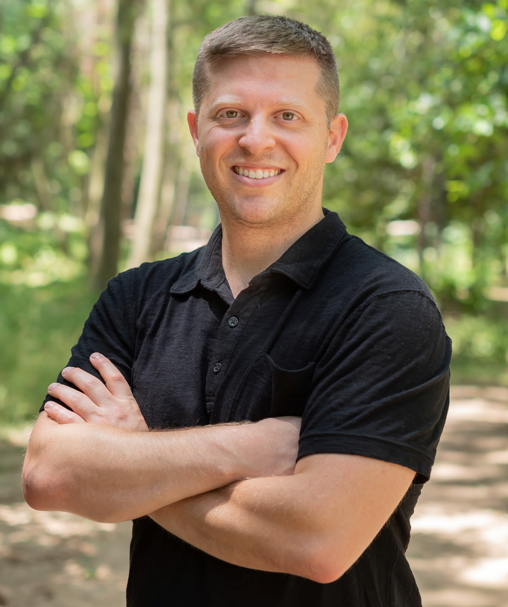
Vijay Rajendran
Venture Builder, gAI Ventures
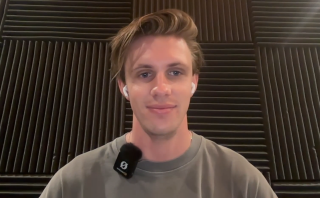
Vijay Rajendran is a Venture Builder at gAI Ventures. He explains why the $400 billion currently being poured into AI infrastructure is the biggest investment in fixed capital since the railroads, breaking down the "pedigree trap" distorting startup valuations, why Europe cannot scale like Silicon Valley, and the geopolitical shock that could crash the entire AI market.
Chapters


Just raised, acquired, or launched?
Guaranteed CNBC, Bloomberg, and MSN.com coverage from one 30-minute interview,
timed to your milestone while it's still news.
Raises, acquisitions, product launches, and major hires create a narrow window where third-party press stops being optional. We turn that moment into a month of content.
Distribution through a channel with 2M+ real views
Full Transcript
Sean Weisbrot: How has AI impacted how startups raise money from investors?
Vijay Rajendran: AI has impacted the way startups raise money in several ways. Uh, the first is that it's easier to find potential investors. The second is, of course, AI itself is starting to create a whole different category and field, uh, for investors to be excited about. The third is that AI itself, uh, is creating just a different velocity and pace at which people are investing.
Sean Weisbrot: I've heard investors say, yeah, this company I invested in, they went from no revenue when I invested to a hundred million a RR in 12 months. And you just go, how is that
Vijay Rajendran: possible? Yeah, exactly. So that, that revenue is, is probably being generated by a bunch of new company, uh, signups. Let's say it's in the enterprise space, or it could be developers. We, you know, it depends, but let's say it's in the enterprise space. There's just so much interest and people wanting to sign up and try new things that you're seeing a huge increase in subscriber or consumption or token. Um. Uh, use by these companies, and that's generating revenue. Now, are companies getting renewals from that? Are they seeing, uh, the ability to sustain that growth? We don't know, but there's such a, an excitement and frenzy today to invest in those companies that are generating millions of dollars of new revenue out the gate. That before wasn't considered possible until a company got to the seed or even series A level.
Sean Weisbrot: Hey, business leaders and marketers. What if your brand could be featured right here? This ad spot could be yours. This channel is watched by a dedicated audience of ambitious founders, executives, and professionals who are actively looking for tools and services to help their business grow. If you wanna put your brand in front of this highly dedicated audience, that's difficult to reach. I'm currently looking for a few strategic partners for the channel. To learn more about sponsorship opportunities, click the link in the description. Let's go together. Yeah, I, I work with startups that have a traditional mindset, like they, they're working with ai, but they have a traditional mindset where maybe they had a business before that was a service-based business, and now they've turned it into a software and the business is doing millions of dollars a year in revenue. Maybe they're going to raise their first round and it's a modest round of maybe five to 10 million because they're profitable. They don't need investor money, but they see other people raising millions of dollars or. They, you know, had, uh, previously boots out the business. They had raised a few million. They turned it into a few million a RR. They're now raising another five to 10 million. But the way that these companies are looking at AI and investors is much more of a traditional business mindset than like a startup business mindset where they're like, Hey, I don't know what I'm doing. I need to raise millions of dollars, and then magically turn it into this, you know, unicorn in a year. So they're, they're looking at things very differently. And so I, that's what excites me is while obviously everyone wants the potential to grow really fast, these guys are going, look, I don't need this money, but if I have it, then I can get, I can grow faster. I've already got investor money, I've already got revenue and profitability, so more money means I can market faster and get more customers, but I'm already profitable on a unit economic basis. How, how are you seeing investors look at it? Because I see like these guys are having a bit bit of a hard time raising money, even though they are great business people running interesting businesses, that AI is not necessarily based on tokens, but it's essential to what they do for the services they provide.
Vijay Rajendran: Right. And are they raising at what you would consider a seed or a Series A? Both
Sean Weisbrot: the, there's seed and series A different, different businesses.
Vijay Rajendran: So we've, you know, heard the term coined this year of seed strapping where companies might need some capital to get to a certain point and then they could be profitable and keep going without that. Now the key thing is, you know, to take a step back and ask should you raise money? Which, uh, I think is at the crux of the the question because in some cases you don't because you're profitable or you don't because you want to maintain. You know, operational, um, uh, control and of course strategic, uh, direction for your company, which, you know, once you introduce outside capital, you know, starts to change. It doesn't mean that VCs are going to like, kick you out tomorrow, uh, or they're going to tell you to enter a market that you don't want to be in, but there becomes a new stakeholder at the table and that, uh, you know, does, doesn't, um. Uh, go un unnoticed, uh, in terms of like how you, uh, run the business. So chapter one of, uh, the, the funding framework, uh, which is, is this book here, uh, whoops. Backwards? Uh, so, uh, the, the fund chapter one is should you even raise money, uh, because it is possible for you to, to bootstrap or to be running a business with, um, perhaps. Uh, more conventional kind of growth trajectory that might not fit with the narrative that venture capitalists need to believe in, or even some angel investors in order to create the exponential and even unreasonable growth, uh, that, uh, they, uh, should. Have in their portfolio in order to like capture the real outliers, the real sort of winners in the, the startup landscape. Now you could build a, a great business and you might have a lot of early traction and get to see the seed stage and in that case say, okay, I'm good for a long time. I don't need external capital. We want to use the. Uh, the profits we have and reinvest that in the business, uh, and, and continue from there. And that's a perfectly, uh, good outcome, uh, based on your, uh, tam, based on your, uh, com competitive set and based on, you know, the type of business that you want to absolutely run.
Sean Weisbrot: So one of the things that I've been trying to do is focus on family offices and people that syndicate across, uh, private individuals that are wealthy because they have a different mindset from a VC where if you go to a vc, the VC is gonna want you to have another VC around where a family office or, uh, you know, ultra high net worth individuals. They'll be like, yeah, you know, if you gimme cash dividends. I'm also happy with that. When I was investing, I was looking for dividend based businesses, and I've kind of seen angel investors also moving towards these businesses that are going to provide cashflow because it's easier to get your liquidity and, and get your multiples and, and exit and leave the business, you know, in the case that the, the founder wants to, uh, make you whole and, and kind of keep going without you. So,
Vijay Rajendran: Yeah. And so in those cases, structuring the round and including the instrument or financing, uh, document in such a way that creates the opportunity for those downstream dividends. And for someone to get liquidity is really important. And that looks different from an angel versus a family office, but they need to be able to, to, to see that. And that's gonna be in ways that are very different from a VC who wants to own, uh, significant, uh, equity in your business at a point where it. To a true liquidity event in terms of, uh, a public exit or a strategic acquisition or something like that.
Sean Weisbrot: Are you seeing the raise amounts or the, uh, valuations change or terms change in any way?
Vijay Rajendran: You know, it's funny. I think it's like the best of times and the worst of times for the top decile of companies. I think they're seeing astonishing valuation terms. Uh, if you are someone spinning out of open AI or. Or, or, or maybe another popular company like, uh, like Stripe or something like that. Palantir, like you are getting, uh, e extraordinarily, uh, you know, high valuations and, and good terms because people want to chase the, um, folks that are, are leaving those businesses. Alternatively, I think for, uh, the, the, the vast majority of, of startups. Valuations might be more typical to the mean. And, uh, what we are seeing overall is more capital going into fewer companies than, um, or the same amount of companies, uh, as, uh, last couple years. Uh, and so what, what this, this means and, and the, the clock is still a little ticking on, on 2025, uh, is just a, a belief in, you know, a handful of companies that either have. Crazy, uh, growth out the gate or, uh, you know, just astonishingly good. Uh, pedigrees, for lack of a better word, in terms of where the, uh, the founders have worked before.
Sean Weisbrot: Why do you think that's important? Like, I, I've heard a lot of people say, oh, you know, I, I've gone to Harvard, uh, graduated from Stanford, or I graduated from this place, or even I dropped out of that university. I've dropped out of like, why? Why are those so important signals for investors when there are no signal for success in reality?
Vijay Rajendran: So those are very important because, you know, people who, um, PE people who invest in other people tend to invest in people who remind them of themselves or remind them of someone else who has been success. So that's the short answer to the question. The longer answer to the question is I think, uh, the, the incentive system in terms of like what, uh, what networks, uh, who else is investing, uh, the sort of nature of all capital markets where there's a hurting phenomenon. So if you see someone leaving a great company or a graduate of, uh, university, you recognize they just get more points in the internal scoring system. Uh, that, uh, people are using for, for sourcing and picking
Sean Weisbrot: companies. I did actually in my research, come across a company called Alumni Ventures, and what they do is essentially create, uh, they, they put together a fund where the LPs are alumni of a specific university, and the goal of the fund is to invest in people who have graduated from that university or in that university Now.
Vijay Rajendran: Yeah. Uh, and they, they are one of the most active investors in the world. Uh, I don't think you have to have graduated from. One of those universities in order for that fund to invest. But they're trying to use that as a, a way to source, um, and, and have of course a differentiate point of view. I think from a capital formation standpoint, LPs are attracted to the idea of like, oh, I'm supporting my, uh, my school or the graduates of my school and you know, that makes sense. Now, alumni Ventures has so many of these. These different entities or funds. And I don't know personally how they are structured, but what that, uh, allows 'em to do is, uh, try and run a, uh, a family of, uh, of, of small funds that would invest in these companies Now. As for the returns, uh, as for like, is this a good strategy versus you are just a local VC who, or angel who's super well connected to one of these campuses that is prolific at generating new startups? Like, we don't know yet because, you know, we, um, I, I don't think we can study the counterfactual, but, um, yeah, I mean that there's, there's definitely a. Uh, a, a preference for, you know, things that are familiar or certain networks, and that can be by institution, that can be by location, that can be by, uh, you know, uh, any number of, of different criteria. And that's important because it allows fund managers to particularly emerging fund managers to stand out because they need to be differentiated as much as you and your startup and your product is.
Sean Weisbrot: What I noticed that was interesting about them was they. Like each of the funds also has its own thesis. So you may have like a Dartmouth Alumni Ventures fund, but they're only investing in a certain kind of startup, even though it's from like that university. So the, instead of saying we're a generalist fund for, for this university. It's like, oh, we're only doing biotech, or we're only doing sports medicine, or we're only doing this and that. So it is kind of weird for me that they would limit themselves within that fund. But I also noticed that they don't have my university's fund. Like they don't have an, like a, a fund from, you know, the school I went to. So I was like, oh, that could be an interesting angle because I don't know if you know, but University of Florida created Gatorade. That's right. Yeah. Named after the Florida Gaters. Yeah. Surely there's like, there's, you know, an amazing medical program. There's all sorts of really great programs. Even though it's not an Ivy League school, it's, it's kind of like an Ivy League public school. I mean, at least when I went there, you know, you know, I'm not gonna say how many years ago? Uh, long, long enough ago. But when I was there, it was like. An amazing university that, you know, all sorts of great things were coming out of it from all the different sports and, and all of the different programs. You know, the business program, the medicine program, the psych program, what have you. And, uh, I don't know what it's like today, but you know, but they definitely have something good going for them.
Vijay Rajendran: I, I think there are many universities, public and private, that have existing ecosystems around them. And those existing ecosystems are going to be successful in producing startups if they have a combination of, um, yes talent, uh, which comes from the institution, but also is there an environment where you can build a business. Find customers maybe for a certain industry or something like that. Um, thirdly, there's angel capital, uh, which as you know, is, uh, the really important first ingredient and then subsequently downstream like capital and a way to, to scale and expand maybe by. Reporting over to, uh, a major city, uh, if, uh, you're not already in one. Um, and so I think that's really, um, a, a important sort of cocktail for how you build great ecosystems, um, around university, regardless of whether they're public or private.
Sean Weisbrot: Yeah, I could imagine, uh, like Peter Thiel, you know, paying people a hundred thousand dollars to quit university, like saying, Hey, once you've graduated from University of Florida, you should move to Lisbon and build your startup. Um,
Vijay Rajendran: and, and it does, does Lisbon like have the right like recipe, uh, for, for success? I think depending on the, yeah. The, the industry that you're building for, uh, perhaps the, the available talent, the cost of doing business, that's an important variable too, right? Um, it, it really matters, I think in the AI age, why we're seeing so many companies like. Come to, uh, the Bay Area in particular where I'm based is because of the talent density here, uh, of people who are working in and are aware of and, um, uh, and moving in the same direction, uh, of, of AI transformation and business, of, of building, uh, in, uh, the AI infrastructure or even foundation models, uh, is, is just like all here. And so, um, there's. There is a network effect, uh, that's built out of the talent and the capital and, and, and all the other, uh, elements. Uh, so does that mean that Lisbon's gonna look like San Francisco one day? No. I think Lisson will be an extraordinary, uh, and successful place in its own right. Focusing on its sort of, uh, endowments and, um, and, and ingredients for its own success.
Sean Weisbrot: Yeah. I think you're a bit more positive about Lisbon than I am for, for its future prospects. You know, it. It attracts people from all over the world, for sure. Sure. And Web Summit brings investors for a week out of the year, but what I've seen is the best startups are hidden. The the local community. Isn't that unique or interesting? One of the problems a lot of. Companies that are started outside the US have is that they don't think global from day one. And so a lot of startups are thinking about their own local economy, but a lot of Portuguese, I don't think have an entrepreneurial spirit because it's, it's not really in the education system, it's not really in the societal mindset. I think a lot of countries lack that at a societal level, even if there are individuals who have it. Uh, in, within a, a given society, but I, I think Lisbon doesn't have the framework to support entrepreneurship, but there are a lot of entrepreneurs that live here that are foreigners.
Vijay Rajendran: Hmm hmm.
Sean Weisbrot: That's
Vijay Rajendran: true. Yeah. So, I mean, that, that is a, a gr a main ingredient I think for. Healthy startup ecosystems, is that your welcoming of ideas and talent from around the world?
Sean Weisbrot: Lisbon is welcoming, but it's hard to start company there. There's no incentive to start companies and build teams here with local companies. It, the taxation, the bureaucracy, everything is far too, um, difficult. And I think Europe in general has this problem and I think Europe is trying at the federal level to change that, but. A lot of the countries, unfortunately, in the European Union also don't like the European Union taking away power from their state level. Yeah. Which is an issue that the US doesn't exactly have because it was formed in a way where, hey, if we create a lot the federal level, you have to follow that law. If we don't have a law, you can set your own law, which makes sense, but. Because in European Union, these were countries before they were part of the union, they very strongly wanna hold on to their rights. And so they don't like being told what to do. They don't like being told how to spend their money or you know how to have their visa scheme or how to form companies. And the federal government is trying to go, Hey look, we have a huge opportunity, we have a ton of people that are entrepreneurs from different countries in the union. But they're all leaving for Silicon Valley because they can form companies in Delaware and raise money from people anywhere in the world because the frameworks are simple to understand. The money is easy to come by, but here in Europe people don't have that same entrepreneurial mindset. Investors don't wanna give you millions of dollars. They're much more, you know. Uh, focused on the nitty gritty of the business. And if they're in Belgium and you're in Germany and you have a German company, they have to then understand the German framework and they have to get their money into a German bank. And the, the laws may not, you know, change the laws, may not work well. And if you all of a sudden, you know, the investor wants you to have a Belgian company so you can serve Belgium, uh, you know, have Belgium employees and a Belgium bank account, and Belgium, like, there's just not much cross border. Uh, functionality it there, there you just, you Euro, the European Union is suffering greatly. Uh, due to this lack of interconnectivity, and I also see this among trains, trains and, and sometimes planes, uh, as well. Yeah, because there's train, like there's Portuguese trains and there's Spanish trains, and sometimes the tracks may not be the same width, or the, the wheels may not be exactly the same. And so if you wanna go from Lisbon to Barcelona, you have to go from Lisbon to Madrid on the lis, you know, on the Portuguese track. And then you have to switch to the Spanish track to go from Madrid to Barcelona. You can't take one train from Lisbon to Barcelona and stay on the track via Madrid, right? So like, there's a lot of, a lot of lack of inter interconnectivity in the union, um, which
Vijay Rajendran: is weird
Sean Weisbrot: to
Vijay Rajendran: see you. Well, you probably know about the history of why, uh, train tracks are not interoperable.
Sean Weisbrot: Well, because they were serving their local countries and then because they were used
Vijay Rajendran: for, for transporting troops, great miles, uh, during, uh, all, all, all of, uh, Europe's, you know, um, horrific wars. Um, so I mean it's not, not not just in Europe, but, but also in other parts of the world too. Uh, and, and certainly yeah, we we're living with that legacy. And you're right, Sean, like that, that is something that is. Simple but not easy, uh, to fix. Uh, in terms of, yeah, making that, that connectivity, um, of, of people, goods, ideas, talent, like even stronger.
Sean Weisbrot: What was really strange for me was a few years ago I was in Greece visiting a friend, and I wanted to go from Greece to Slovenia to see another friend. Well, in between Greece and Slovenia is like four or five countries that are not part of the Sheen zone. And so if you have. I had a double entry sheen visa at the, at the time, and so when I, I wanted to go, you, you, you'd think you could just fly directly from Greece to Slovenia. Makes sense. It's only like two, two hour flight. But no, you can either fly from Greece to Serbia, which is outside the Sheen zone, and then from there back into the sheen zone with a 90 minute layover or. You could take a bus 12 hours from Athens to Albania, and then you could switch to a boat and go up the river to Croatia, and then you could take a two and a half hour bus through Croatia to get to Slovenia. About a 24 hour ride from Greece to to Luana. Why? It doesn't make sense. So I chose the, it was, it was like a three hours to Serbia, not, not three hours. It was like an hour and a half to Serbia, then an hour and a half layover and another hour and a half to Venia. So, so it was like five hours to fly two flights. But I had to leave the Sheen zone to do it and fly back into the Sheen zone to do it. And originally I thought, oh, I could just take trains from Greece to Lavinia. Nope, there's no trains to go between the two. Wow. So, you know, that's, that's probably why everyone's, uh, pooling in, in San Francisco.
Vijay Rajendran: Yes, there's a, there's a lot of good, good reasons to, uh, to build here. Uh, I, I feel very optimistic. Um. And, and I think San Francisco has since, you know, 1849 being a gold rush city. And that means it's a city with a history of boom and busts like once a decade or so. So. We are in the middle of, of another boom. Uh, and it's, it's creating just a, a whole, you know, new set of opportunities, uh, categories of companies. Um, and I and I, I think also risks and challenges, but, uh, you know, it, it's where we are in, in a new cycle.
Sean Weisbrot: Where do you think we are within that cycle? Because I've heard people screaming that the cycle's dead. That the bust has already, it's already underway. And other people saying we're years away from seeing a bust.
Vijay Rajendran: Yeah, it's, it's a great question. If I had a perfect answer, uh, I would, um, be, be putting together some elaborate investment strategy. Uh, I, I think there are legitimate questions, right? And so you see as of the time of this recording, um, folks like. HSBC saying, wow, you know, OpenAI needs to raise, you know, a couple hundred billion more dollars and, and it will still not be profitable. Or you have Michael Murray, uh, the, you know, big short famous investor, uh, saying, Hey, there's something weird in the way that, uh, hyperscalers are, uh, you know, accounting for. The investments that they're making. Um, so there's, there's lots of like, I think, legitimate questions being asked, but when I think about the, the scale of the CapEx right now, which is probably about 400 billion a year according to, uh. Think an estimate from Bain. Um, we are at, no, no question, uh, at like the biggest, uh, investment in, in fixed capital, uh, that we've seen since the building of the railroads around the world in the 19th century. Um, and, and. As a percentage of GDP in the us. I, I think it's in slightly higher. I, I've read. So what does that mean? That means we are in a cycle of building. Um, and when you're in these cycles of, of building, uh, you get to a point in the economic cycle, and I don't think we're there yet, but we, you do one day get to a point where there's over capacity. Um, and what I saw in the beginning of my career is that the over capacity that was built in fiber created a huge wealth of opportunities. Because that meant that you could have cloud computing, you could have social media, you could, um, connect, uh, people, uh, to, um. To, to streaming services. Right. Uh, and so the, the world we're living in was made possible by a collapse in, uh, in, in that market and in over capacity. Now, do I think that we have to have a collapse in, uh, in, in, in the, uh, AI infrastructure? Uh, no. Not necessarily, but I do believe that the capacity that we have is going to create, uh, an even. A greater abundance of cognition and compute, uh, that is going to make a number of different businesses in different AI verticals and different AI niches possible that previously would've not been like, uh, you know, feasible and, and so, and. The, what we'll we'll see is, uh, more startups, more ideas in different verticals, changing industry, um, building things, uh, that make our, our lives better. Uh, and, and that is probably where, uh, it, it goes. So, um, yeah, there's, there's always, I think, you know, good questions to ask about where we are and, um, you know, if there's. If there's a, a lot of investment, it seems to be in, uh, in the debt markets in these companies that have, you know, AAA and aa, uh, balance sheets, uh, and, uh, that, that means they are, uh, investing in these data centers that will, uh, that, that they'll be able to, to fund. So you're not gonna have, you know, uh, a collapse in, uh, uh. In, in, you know, Microsoft one day that's not going anywhere, nor nor is Amazon. So, um, you know, where, where, what it means though is this, this multi-decade opportunity, uh, to, to build, uh, in and around the AI space because of what, uh, the, the new compute capabilities will offer.
Sean Weisbrot: You said AI doesn't necessarily have to collapse.
Vijay Rajendran: Mm-hmm.
Sean Weisbrot: What would cause it to collapse?
Vijay Rajendran: What would cause it to collapse? Uh, so the nature of these things is usually an external event. So, um, we live in a very tense geopolitical reality. Uh, and so I wrote a, a Substack post. Last month about, you know, three scenarios, uh, for, for ai. Uh, actually no, this was in October. 'cause I was like kind of looking at the end of the, the year and so like in the next 90 days, like what, what will happen? And. Basically what there could be a geopolitical shock, an increase in prices of, uh, you know, key, uh, goods, particularly like food and fuel, uh, that can cause, uh, consumption to shift, uh, capital markets to, uh, to turn off the, the, the spigot, um, for interest rates that go up, right? All these things that, that tend to happen usually because of, uh, an, um, exogenous event. And what we would would see is therefore, uh, a decrease in, in, in funding. And that's not a collapse, but it is, you know, uh, going from 60 miles an hour to suddenly like 10. And that feels really uncomfortable if you have to like jolt, uh, from, from that kind of like slow down. And so, um, we know. We, we know, we, we live in a world full of, um, uh, known, uh, you know, possibilities and some sort of black swan events that are, are hard to imagine or, or we believe are impossible. But yeah. Uh, I expect something exogenous of a geopolitical nature. Um. Or maybe an environmental catastrophe that could change capital markets and, um, and, and change the abundant flow of, of capital into this sector.
Sean Weisbrot: It seems like VCs are sitting on the most amount of money they've ever had available, even though they've been investing more money into a smaller number of companies, they're still sitting on the most cash they've ever had. I mean VCs and family offices and, and ultra high net worth individuals. Sure. How do you convince them right now to give you money over somebody else?
Vijay Rajendran: The key ingredient is momentum, uh, because if momentum. Is, is there, in terms of the progress you're making, I mean, you gave the example earlier of a company that right out the gate starts making millions of dollars after a few months, right? That's sort of an extreme example, but the story and the narrative of momentum is, is really important. And so the, the first part of the funding framework is storytelling. Uh, and that's a really important, uh. Role for you as a leader if you are a founder or an emerging fund manager or what have you, to, uh, capture a really powerful narrative. And you need to own that. And there needs to be that strong founder market fit and, uh, and channel fit and story. And you have to be on thesis for what that investor believes in terms of where the world is moving. But storytelling combined with great organization outreach and, and ability to, to close your. Round with confidence are, you know, the, the key ingredients. And, and yeah, I, I think the, the momentum part of the narrative is essential.
Sean Weisbrot: Thanks for watching. If you liked this insight, I've handpicked another video for you right here on the screen. For more actionable strategies that get you real results, hit subscribe.
Just raised, acquired, or launched?
Guaranteed CNBC, Bloomberg, and MSN.com coverage from one 30-minute interview,
timed to your milestone while it's still news.
Raises, acquisitions, product launches, and major hires create a narrow window where third-party press stops being optional. We turn that moment into a month of content.
Distribution through a channel with 2M+ real views