
He Built a Mutual Fund Out of 200 Recruiting Clients and Hit $50M
What does it actually take to turn a list of recruiting clients into a $50 million business and walk away on your own terms? In this episode, Sean sits down with David Windley, who built a recruiting firm from under a million dollars in revenue to $50 million before selling it to Caldwell, and the journey was anything but smooth. You'll hear how David survived a 75% revenue drop in a single month


Guest
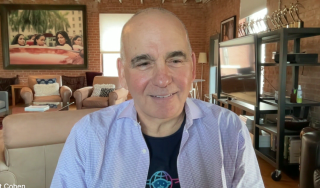
David Windley
Founder & CEO, IQ Recruit
David Windley is the Founder and CEO of IQ Recruit who disrupted the recruiting industry by moving from the traditional 33% commission model to an hourly professional services approach. He scaled his firm to $50 million in revenue before selling it, explaining why the commission model is broken for clients and how AI agents are transforming candidate sourcing.
Chapters


Just raised, acquired, or launched?
Guaranteed CNBC, Bloomberg, and MSN.com coverage from one 30-minute interview,
timed to your milestone while it's still news.
Raises, acquisitions, product launches, and major hires create a narrow window where third-party press stops being optional. We turn that moment into a month of content.
Distribution through a channel with 2M+ real views
Full Transcript
Sean Weisbrot: You grew a company to 50 million in annual revenue and then sold it. What was the hardest thing about the entire experience?
David Windley: Um, well, interesting. It was right around COVID when COVID hit. So, uh, we had a, a start and a stop. So we were talking to a couple companies, um, the winter. Of 2020 was, you know, January, February, um, and in March we were about to close a deal. And then, uh, you know, COVID hit for all of us. Um, and, and then, you know, that was just a matter of survival, quite frankly. Um, and if it wasn't for the PPP loan, I think that's what it was called. Um. You know, we got through, there was a bad, bad couple months, April through August. Uh, you know, the bottom just came out of the hiring market. Uh, we were a recruiting company, um, but we started to see things come back in August. So that was probably the scariest part. We almost, you know, went away. Um, and then we commence discussions with one company, um, which ended up being Caldwell, um, in, uh, December. And close the deal. So it, it almost ne never happened.
Sean Weisbrot: Hey, business leaders and marketers, what if your brand could be featured right here? This ad spot could be yours. This channel is watched by a dedicated audience of ambitious founders, executives, and professionals who are actively looking for tools and services to help their business grow. If you wanna put your brand in front of this highly dedicated audience, that's difficult to reach. I'm currently looking for a few strategic partners for the channel. To learn more about sponsorship opportunities, click the link in the description, let's grow together. So COVID basically stopped people from hiring, and so your services weren't needed at that time?
David Windley: Yeah, we dropped, um, in one month or two months. So it was dip dip. Um, we dropped. 75% of the business. Um, I put people on furlough, which was, uh, ended up being a good move instead of laying 'em off completely. Um, so just said, Hey, I don't have work for you for now. And, and you know, 'cause we didn't know, right? Everyone didn't know what was gonna happen. Um. Uh, and then yes, I was able to start bringing people back come August. And so, um, and then if you remember, recruiting business went crazy, especially for tech, hiring all the tech companies. And so we rode that wave up. Um, and like I said, we peaked at about $50 million, uh, in revenue. So, um, yeah, we, so the COVID ended up being good for us because I think a lot of companies did go out of business in our, in our space. Um. During that period of time and we were able to pick up a lot of the business coming out of it.
Sean Weisbrot: So post COVID, the business did stronger revenue growth than than pre COVID.
David Windley: Yeah, we were, we were growing at 30% a year. CAGR was, you know, we started less than a million, like I said, and, and grew it, you know, from 2014 through the teens. And that's why, you know, the Caldwell and others looked to acquire us. Um, and then COVID hit Big D and then we had to kind of rebuild it, but we rebuilt it quickly, um, and then surpassed, uh, where we were. Yeah.
Sean Weisbrot: During COVID, I was building a startup and I had to pivot because we were originally building an end user messaging platform with a unique business model because all of the other platforms didn't really have a a business model really, and so we had a unique spin on it. COVID caused us to have to go into enterprise collaboration because we already had the chat infrastructure in the backend, so we just had to rebuild the, the front end, although it took like, you know, a year and a half, two years to do. But we had the arch, the core architecture to support that. And it was only after we pivoted to try to compete with Slack that investors started to care about us. Yeah, it was the very, very beginning of COVID that I recognized people were gonna be working remotely, that I said, Hey guys, I'm sorry, but we have to kill it. We have to put pivot to this other thing. We don't really know anything about it. Our team has no experience in web development. We were, you know, building mobile apps and, you know, once we kind of spent time and energy retooling and we've gotten to a better footing and, and position for that, um. And it's a far more interesting use case than what we were originally doing. So COVID was helpful for us as well.
David Windley: It was a wild time, a lot of, lot of scrambling and, you know, innovation comes outta, you know, necessity. Right. And so a, a lot of, a lot of people, us included, sounds like you too had to, had to pivot and get creative during that time.
Sean Weisbrot: I actually started the podcast like August of 2020. So I started talking to to business owners and investors like a few months after the US started responding to COVID. 'cause I was outside the US at the time. Still am. Um, and so I got to see the perspectives of people in Asia, in Europe and the us how they were responding to COVID and, you know, their business and, and things like that. So that was, uh, very interesting, you know, to be able to have those insights. Because I was in Asia and I was stuck, you know, Vietnam had locked the borders, so I couldn't leave. And I was like, if I leave, where am I gonna go? I have nowhere I can go. Vietnam was probably one of the safest places at the time, so. You end up selling the business. Why did you sell this business if it was making so much money?
David Windley: Well, I think, you know, uh, first of all, when I got into the business, um, I was an advisor to, uh, two, the two founders, um, and really thought about a new model in the recruiting space. Uh, new as far as most of search business is commission based and, um. We decided to come at it more like a professional services business, you know, like a consulting business, McKenzie, or you know, any of the big consulting firms, right? Time and materials. It is a service, but I just perplexed me. Why we, it was still based on commissions, right? Based off of the, the person you hired, salary, you know, and, and I had 28 years in corporate as a consumer of the executive search business. And so, um, we decided to, you know, I talked to them about changing the model. Let's approach it differently. Um, all my tech companies that I worked for, we hired internal. Staff even at executive recruiting because it was just a more efficient, better model. And so the idea was, well, why don't we do what, you know, I was at Microsoft, Yahoo, um, you know, we had big internal recruiting teams. Why don't we create that kind of, you know, world class recruiting engine and then give our services to these small and medium companies that really couldn't afford to build, you know, the type of recruiting engine that Microsoft and and Yahoo could have. That was the idea. And so that's, then I came on to be president to execute that idea. So I was, um, you know, what's the right word? Accidental entrepreneur, I guess. Right? I was more board advisor. Um, but then once I got into it, we really were able to build a company. Um, and you know, I think, uh, like a lot of people that build things, you know, you have a choice. You could be a lifestyle business and, you know, just kind of be your business or you build it to a point to have an exit at some point. And, and so I think, uh, when we started getting offers, you know, the exit, uh, seemed, seemed, seemed good. The other thing is, uh, we could, we stayed on with the company. You know, I was about building things and so I still had the opportunity to stay on. Uh, they had a three year hold on me, right? Like most acquisitions when you buy management and the people, um, you know, so I had optionality, right? If I could continue to build this organization, but at some point, uh, retire, um, you know, I'm 62. And so that's another thing is that, you know, I wasn't gonna do this. Do that forever. So at some point, you know, I was gonna retire. So yes, that, that's kind of the long-winded answer. Uh, but the context of, uh, yeah, why we ended up selling.
Sean Weisbrot: So I want to go into the post acquisition, but first I'm curious about the business model. You said that it was commission based, which I've, I've made all of my money from what was not, I mean, originally.
David Windley: The industry is, yes, exactly. Yes.
Sean Weisbrot: I made all of my money from commissions and they were large commissions. So why, why change that into a service-based model?
David Windley: Perfect. Perfect. So this is, if you think about what's better for the consumer. Our model was better, right? And and, and what you've pointed out is my theory of why there hasn't been as much change in this industry as in others because it's such a good model for the hydro and struggles for the corn ferries. Charting 33 and a third percent per search, right? Think about it. You're an executive, you're working at Microsoft, Yahoo, whatever. You're making a good salary. That executive search guy hired three of your colleagues and basically their commission's the same as yours. I mean, it, it's crazy. It's crazy. And so, yes, that's why the search industry has been reticent to change. It's a great model for them. Right. Um, but for the consumer, and like I said, the bigger companies could try and avoid a lot of that because we could hire. Ex executive search people to come in and work at Microsoft, right? We paid them a good salary back then in the early two thousands, I'd say we'd pay a good executive search person, 200, 200 k, you know, probably now it's more than that, but let's, you know, back then, you know, they did one search, okay? Two searches for sure. They paid for themselves, right? And, and so it was, it's a just a more effective, efficient model. Cost effective for the consumer. Now the smaller companies couldn't afford to hire in executive search caliber people to do their work and their internal teams, they may have only had four or five recruiters at all. Right? And so that's, that was the opportunity in the market was, you know, the Googles, the Apples, the yahoos that Microsoft had, these world class internal recruiting teams. Um, so they can. Avoid, you know, a lot of those commissions, you know, um, but the small and mid-size guys didn't. So that's why we did it, was we saw a market opportunity and it did work out. Um, you know, we had, instead of like exec search firms, you could live off of one or two good clients and make a good living. The theory was we would, we would, uh, take advantage of the portfolio effect. You know, we would have many. Smaller customers. The good thing about that is then you're not reliant on one customer being 40% of your business and all of a sudden they stop recruiting and then you're, and, and it did work out. I, you know, over those 10 years, our, our largest customer, uh, never got over 10% of our total revenue. And so we would run like. 180, 200 customers live at a time. Right. It was kind of, and so we, it, it was a, it was kind of the mutual fund approach. Um, and so the line was more smooth, right? Like you have the portfolio, 500 stocks. We had a portfolio of companies versus investing in just say, 10 companies. That gave us a lot of business.
Sean Weisbrot: So how. If you only had 200 clients, how were you able to generate 50 million in revenue from them, if not taking commissions with this service model?
David Windley: Yeah, you, you charge, we would charge about 125, $115 an hour for recruiting. About 75, $80 an hour for sourcing. Right.
Sean Weisbrot: So how much would it end up costing them for a successful hire?
David Windley: We had some clients that were million dollar, um. Clients and the co couple that were well above that. So you know, if they hired 20 of our people over a six month period or over the full year. Yeah. So yeah, it adds up and then you start adding up the clients. Yeah.
Sean Weisbrot: Okay. Interesting. Because typically these per hour kind of service businesses struggle to, to. Reach past 10 million. And so generally they will have to have like tiered packages. These like mega add-ons, things like that. Um, so you just threw more people, I guess, at it.
David Windley: Yeah, we, we, we stuck with it with the core model, but you're absolutely right and that, you know, you think about growing even larger, you add-on services and that, and in fact, that's where the company I'm currently, uh, leading came about is while at IQ talent, you know, the professional services recruiting company we're talking about, um, we started developing software, uh, for our sources and recruiters internally. But saw an opportunity that, that could be a product or service that we could, you know, give directly to our customers. Uh, so basically, you know, as a recruiter and sourcer, we were using all these AI technologies, and this is before generative ai. This is, you know, old, old fashioned ai, if you will. Mm-hmm. Uh, predictive and just search and things like that. And, uh, there were tools out there. So my team used all of them. Um, but what we started to create was an application interface that really had all of those tools being used so that the user, it was simple. You didn't have to know and use all those tools. You just interfaced with our application layer and all these tools were in the background doing the work. Um. So that was a great internal tool for my recruiters and sourcers. And the idea was, hey, we can open up the interface directly to customers and they could use it. And so you're right. When you think you're growing a professional services business like that, then at some point you have to start adding other things. So we started building it internally. Um, and then, you know, the downturn hit in recruiting and right. It's interesting, right at 20, mid 2022, uh, and then generative AI gets announced to the world basically. I mean, it was there, but to, to the lay person generative AI was introduced. Um, and um, so, uh, I convinced the a Caldwell folks that it made sense. It was a win-win for everyone involved to let me spin out the software company. Because we were investing in a software startup within a professional services company, and it's a drain on the p and l, right? And so it was good for them to make their p and l look better. It also allowed the startup to be a true startup, to get investment if needed, et cetera, et cetera. And also just grow as a, as a startup. So that's what happened. And that's Hoot Recruit. Now that's the company that I'm leading. Um, so we're a startup that, um. Basically what we're doing is creating an AI agent for the recruiting process. At this early stage, we've got the AI agent working as a candidate sourcer. So the top of the funnel, part of the recruiting process. Over time, uh, we would like to, you know, add more, uh, to the total recruiting process, but that's where we are today.
Sean Weisbrot: It's interesting because I guess when the acquisition happened, you were thinking, okay, I'm gonna just do my job, wait a few years and retire. And before that time passed, now you find yourself leading another startup and I guess you, you've been able to get the extra bonus that was tied to those handcuffs, but you don't have those handcuffs anymore because you, I guess you have a new contract as the founder of maybe not.
David Windley: Yeah, no. Totally split. Yes. So part, part of the deal of spinning out is that the new company really had to be totally separate. Uh, otherwise, uh, Caldwell would have to report up as a subsidiary into their books. So, uh, that I think was a great, great, uh, uh, in, in making sure that this is a separate company. So, uh, Caldwell is passively, uh, has equity at 20%. Um, you know, above that threshold, they, they would, there'd be concern about undue, you know, control or influence. They have no board seat, they have no influence. So we truly are separate. And at the same time, I had to separate completely from Caldwell. Um, otherwise if I was on both sides, then they would say there was some influence. So yeah, it's a totally separate, um, startup now.
Sean Weisbrot: But have they given you money to run the business?
David Windley: No, they did give me all the ip, 'cause again, when we built this, we were inside the company, so technically it was their ip. Right. But that was part of the deal. The spin out is we get all the ip, um, they maintain 20%.
Sean Weisbrot: Are they giving you any other support? I know you said they don't have a board seat, but are they giving you advice? Are they connecting you with your investors or clients for this?
David Windley: No, we're totally separate. Um, you know, and again, I was running IQ talent where we were building this, so it was, Caldwell is the parent company and they pretty much run a separate executive search type business. So, um, yeah, for, for what we're doing at Hoot Recruit, you know, the contacts would be sort of my contacts. People at who recruit more than Caldwell per se anyways.
Sean Weisbrot: What's the benefit of having an agent to do this work?
David Windley: Yes. I mean it big productivity gains at this point. Right? At this point, it's mainly about the productivity gains. As AI gets better and better, um, I think there will be a time where you can say the AI will be as good and maybe even better in quality. Right now it's mainly the productivity gain, and we've designed our application to make sure the human is still in the loop. So the recruiter or the user, uh, because of for qualitative checks, right? And judgment calls. Uh, we believe that's the best state of design for, for AI applications and AI agents today. But as it gets better, there may be a time where you can just. Let the AI agent run through the whole process without, without a human. I don't believe we're there yet. Um, but the way we're approaching this is as the AI gets better, we can also change the application's functionality, right. To take advantage of it. Um, so right now it's, it's huge productivity gains for the recruiters. So if you think about the candidate sourcing process, you get a job spec. I'm looking for. A principal engineer with machine learning experience in, in the Nashville area, right. Um, okay, let's go look at a bunch of resumes, try and find those people. You know, as a sourcer you have to source through the AI can do that like that now, right? And so it just saves a lot of time and productivity at the top of the funnel and the AI is very good. At doing that, right. Looking through something, matching, summarizing, giving you the information. And then we still leave it for the recruiter to look at, say, the short list of people that the AI surfaced up and make the ultimate call. Yep. That's a good candidate. Eh? No, not, not quite. Yes. It's a good candidate. No, not quite. So that, that's, uh, what Hoot Recruit does, and then we also allow. The user to, uh, have engagement campaigns through our software. Again, the AI can customize messaging between here's the search spec, right? What's required for the job? Here's the profile. Let me put together a nice messaging that marries it together and send it out to that user to try and encourage them to become a candidate. So that's. Top of the funnel part of recruiting, right? Finding people that are matched to your, uh, search spec and then engaging them so that they can become a candidate, you know, once they are a candidate. You know, that's, then now it's part further part of the recruiting process. You're doing the interview assessments and so forth. Right now we're just doing that very top part of the camp, what we call the candidate sourcing, uh, part of recruiting, and so. You know, we, we talk about hoot recruit as a, a gentech candidate, sourcer.
Sean Weisbrot: It's important, I think that you having have kept the human in the loop because I've spoken to other people that are in the recruiting business and they've attempted to remove the human from the loop and then realized that it was a bad idea and but the human backend,
David Windley: yes. Yes.
Sean Weisbrot: I've, I've tried, obviously, this is a slightly different example, but I was working with several designers for designing things for my podcast, for example, different kinds of thumbnails and, and, uh, shorts, videos, and all these kinds of things. And I had fired one of them because I felt like there was an AI tool I could do it better. When I compared the results in terms of, uh, views and likes and just engagement on those videos and those designs between the AI and the human, I realized that the human still did a better job even though the AI was faster. And could do a good job. The human was consistently providing better results all around, so I decided to go back to the human. So I, I think companies are especially, uh, public companies or, and or big companies that have portraits of directors and shareholders that are vocal. Probably all finding that while there's a rush to implement AI within the business operations, that they will very quickly go, whoops, I probably shouldn't have fired those 10,000 employees or those hundred employees, because the AI isn't really capable of doing those things better than a human.
David Windley: Yeah, not completely capable, but just like in your example, I would say your human user. Could use AI to do quick drafts and other things, right to, but ultimately, if they're in the position to make the final judgment, the final edits right on, on the creative, the final judgment of what's good, that's the best use case. And that's kind of the parallel of what we're doing in the recruiting space, right? Is making sure that the recruiter user is still the one that makes the ultimate decisions. The editing, the. The final judgment calls, but speeds up, you know, the, those other aspects that what this human would've done. So it's a productivity tool, mainly today when it gets better. Then maybe we could replace that person totally for that task, for that process. But today, I, I believe the best state of application using AI is to use it where it, it, it creates good productivity gains for the user in that business process. Um, eventually the dream of eliminating the, the, the, that human in that business process will happen and it will happen. Quicker in processes that are more deterministic, um, versus where you have judgment. Okay. I mean, those processes where you still need human judgment will be the last ones that the AI agents will take over.
Sean Weisbrot: I think recruiting is safe for a while for this because. Like there was a lot of backlash in the last few years where people were saying, the AI is looking at my, my resume and then tossing it because I am not from Harvard or I am not, you know, a white male. Like you could tell it tell, it can tell from my name that I'm a black female, and so it just discarded me.
David Windley: Yeah. The probability that you are, yes, exactly. That's the way it works. Yeah.
Sean Weisbrot: So in order for companies to truly have the ability to surface, the best people to hire. They have to ignore what they look like, which is, I know a huge problem in the US And if an AI algorithm is developed by a white male in his forties, it's probably gonna wanna surface white men in their forties for those jobs. I don't know, maybe, maybe not. But there, there will be some bias and so. The AI has to be able to focus on the value a person brings, not what they look like or what their name is, so that the human can do their job properly and get the best people. So I, I believe you are safe for a while.
David Windley: Yes. Yes. I, I, you still need, uh, human recruiters in the loop. Uh, for at least the rest of my business career.
Sean Weisbrot: And you, you were talking earlier about these, uh, people hired by these larger companies getting paid a few hundred thousand dollars a year, and if they get two people hired, then they've done their job. I feel like that's great. Like, I'd be happy with, you know, three, $400,000 a year job to recruit two people. That's,
David Windley: well, obviously we want them to hire more than two. I'm just saying the economics was that they paid for themselves and so Yes. So they. And they pay for themselves way more over it than, than just the two hires. 'cause they typically do way more than that.
Sean Weisbrot: In, in all of this, all, all of the work you've done in your life, what's the most important thing that you've learned?
David Windley: Wow. That's, that's like a big metaphysical question. Um, well I think there's a couple things that are, are pertinent to, to organizations, whether they're big or small. Um, you know, from a leadership perspective, you know, the types of people you hire, whether you're in a big company or a small company, um, character matters. Um, and, and especially at the bigger companies because, you know, when you're hiring executives at one of these big companies. Someone's gonna be competent at all the things you need, right? Where you're hiring a CMO, you're hiring a chief, technically you're hiring a sales leader. They're gonna be good at what they do. And the differentiator between who's really gonna be great for your team and your organization versus not are usually the character issues, right? Is, is this someone you can trust? Do they have integrity? Are they a team player? Are they. Working for the benefit of the total organization first and secondarily for themselves? Or do they prioritize what's good for them first versus the team, right? Those sort of character. Some call 'em soft issues. To me, they're not soft, right? Those are the things that really make or break right? Someone being great for your organization or not. Um, and then the other thing I would say is culture of your organization is important. Um, you can have rules and policies, right? Um, but you can't legislate what I'm doing all the time as a person in your organization, as an employee. And that's where culture comes in, right? Culture are those. Unwritten oftentimes, but known norms, acceptable behaviors, right, that this organization accepts or doesn't accept. And that really governs your behavior when no one's looking. And so culture, I think is very important for companies to think about. What is your culture? What? What are those norms? Um. Let's be clear, every organization of a certain size has a culture. Whether you've, um, purposefully tried to create it in a way, but in absence of actively trying to create a culture, culture does happen, right? Um, over time it's just, it's just human interaction and the behaviors that get accepted over time. So, um, those are the two things that I, I would say are universal, really important. That I've learned across, whether you're a large organization or a small organization.
Sean Weisbrot: Thanks for watching. If you liked this insight, I've handpicked another video for you right here on the screen. For more actionable strategies that get you real results, hit subscribe.
Just raised, acquired, or launched?
Guaranteed CNBC, Bloomberg, and MSN.com coverage from one 30-minute interview,
timed to your milestone while it's still news.
Raises, acquisitions, product launches, and major hires create a narrow window where third-party press stops being optional. We turn that moment into a month of content.
Distribution through a channel with 2M+ real views
