
30 Years Exposed Him to Every Networking Context - His Conclusion Surprised Me
If you've ever felt drained, exhausted, or frustrated by traditional networking events, you aren't alone. In this episode, Davide Cannarozzi explains why showing up to a random event without a clear strategy is a massive waste of your time and energy. Instead of treating networking as a casual interaction, Davide reveals why the most elite networkers treat relationship-building like being a diplomat or a spy, using intense planning, research, and flashcards to connect with the right people. We break down the critical differences between "random," "utilitarian," "intentional," and "serendipity" networking, and why you must build networking as an infrastructure for your life rather than a one-off chore.
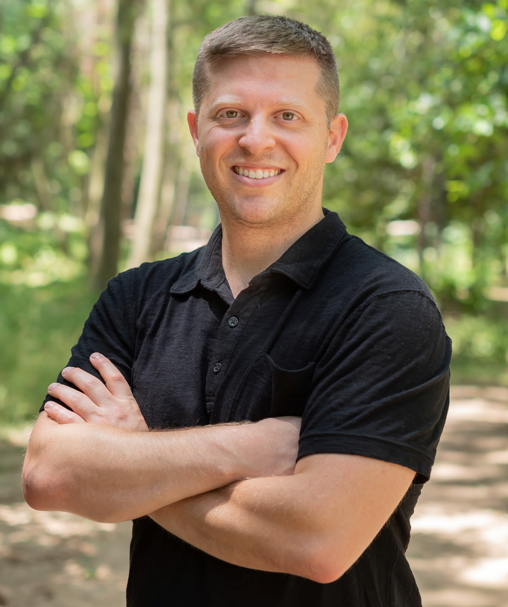

Guest
Davide Cannarozzi
Founder & Partner, RIF Ventures
Davide Cannarozzi is the founder and partner at RIF Ventures. A cleantech veteran who built his network by launching an MBA clean tech club at IESE Business School, Davide believes elite networking requires the same planning and discipline as espionage, using intentional strategy, deep research, and deliberate relationship pruning to build an infrastructure for life.
Chapters


Just raised, acquired, or launched?
Guaranteed CNBC, Bloomberg, and MSN.com coverage from one 30-minute interview,
timed to your milestone while it's still news.
Raises, acquisitions, product launches, and major hires create a narrow window where third-party press stops being optional. We turn that moment into a month of content.

Distribution through a channel with 2M+ real views
Full Transcript
Davide Cannarozzi: Networking is hard work. It's not just casual interactions.
Sean Weisbrot: Why does it suck so much?
Davide Cannarozzi: Proper networking is like being a diplomat or if you want a spy.
Sean Weisbrot: If I had known before that it's not what I wanted, then I would've saved myself years of suffering and, and over half a million of dollars lost,
Davide Cannarozzi: I was lost. I didn't have any mentor, any tutor, anybody that was coaching me, that was asking me the hard questions, like,
Sean Weisbrot: how has networking changed your life?
Davide Cannarozzi: Networking, uh, changed my life and, uh, inside out in the sense that it's, uh, um, moved my perception of, of, uh, networking from, from being a, just a, a tool, uh, to really becoming an infrastructure of my way of living.
Sean Weisbrot: How so?
Davide Cannarozzi: Well, because, um. You know when, when you, when you get, when you, um, start to get exposed to networking events, um, at first when, when you, when you are young and, uh, and, and school, college MBAs, uh, and then at first, uh, working experience, you have this idea that networking is somehow, uh, just about. Going in a specific event with lots of people and uh, and um, having some kind of pitch or some, some, um, some goal that you want to, to achieve. And, um, and then, uh, with. Time you get to discover, uh, that networking is, is something much, much broader that really become an infrastructure of your way of living in the sense that, um, networking is one of, of, uh, uh, the, the most important element of, uh, building our social fabric, our social, um, interactions. And so, um. And, and so networking if done properly is part of something much, much broader and much deeper than just going to a conference and delivering your mechanic, uh, pitch to, to, to a bunch of, or participants to the conference.
Sean Weisbrot: Why does it suck so much then?
Davide Cannarozzi: Well, I'm not saying that sucks for, for, for everybody. For sure. It did for me, you know, and, and, and the way that I, I, uh, didn't feel like a, a natural networker. Uh, actually it was kind of, uh, um, painful, um, in terms of character. Um. Kind of a mix between introvert and extroverts, uh, of, uh, uh, elements of both, both sides. Um, and, and, uh, and so when I'm exposed to these kind of public events, there's one side of me that is excited and, and, and it feels the energy and, and, and it's euphoric about that also about, you know, public speaking and stuff like that. But then there's another part that gets. Drain that gets exhausted. That, that feels sometimes the, the frustration of, of fake interactions or, or just something that feels like boring or not authentic, or not interesting. And, and so when you have the kind of. Classic approach to networking where, where you have this idea, okay, there's a networking event, therefore I must go because, uh, that's part of the goal that I want to reach. Regardless what it is, you know, it can be dating or, or getting new to know new people or finding new clients or do fundraising. But then you have this idea that you have to network because it's important for what you want to do, but you don't understand the, the, the deeper, uh, concept and the deeper implication of, of networking per se.
Sean Weisbrot: Quick break. I put together a free guide called Network Before you need it. It's six lessons I learned that helped me create over a hundred million dollars in value for my network, generate over $15 million in revenue for my businesses and fundraise over $8 million for my businesses and my clients. If you want to build relationships that work for you before you need them, go get this guide right now. The link is in the show notes. Okay, let's get back. So I went to an event yesterday, one of the ones that I actually met your partner Borka at. Uh, they did another one. And I thought I would go and join a bunch of the breakout rooms and I realized I just had so much work to do that I was just gonna listen to some of the speeches. So I like passively listened to some of the panels and some of the speakers and I just completely ignored the entire networking side of it. 'cause I'm like, I just don't have time for this. Like what I'm building is so much more important right now. Um. Where last time I did this a few months ago, I was in a bunch of break rooms talking to a bunch of people, not really paying attention to the speakers in the panel. And I don't know what happened.
Davide Cannarozzi: So I, I feel like what you did and, and, um, and, um, it's completely natural and it's, it's completely legitimate because we, we are, and we leave, uh, we, we are. Dynamic things, and we live in dynamic environments. So this, this idea that, uh, networking as a specific, uh, box, uh, in a specific format is, I think is. Completely wrong. And, uh, and so it's very important, as I said before, to understand that networking is an infrastructure of social li living. And, uh, and in, in that regard, uh, I think it's important to, to be frame. And let me, let me share as you did with me. Um, let me share with you what are the, my vision or my understanding through. At least 30 years of being exposure exposed to different type of networking and different type, uh, type of context that networking can be expressed in different forms and shapes. The ones that I observe by myself are, um, there's, there's a, um, and, and networking that I call random networking so that you go to an event and, uh, and uh, you dunno exactly. Why, or, or, or what you want, but you know it's good for you and, uh, and, and you go there and, and you randomly start to talk with people. Then there is the opposite, uh uh, that is the utilitarian networking, which is. Kind of the, the, the mainstream understanding of networking, which is ongoing to a networking event that is, uh, for example, about deep tech or about dating or, uh, or about a specific market. Because my goal is to achieve a specific. Objective. Uh, for example, I want to raise for my company, or I want to find new clients. That is a very tactical approach and it's goal oriented. And um, and it's probably my understanding is how most networking gets understood. But for me, uh, and having only utilitarian networking, uh, doesn't, uh, it's not really enough. There is a. There's a, a, a, a more strategic, um, higher level of networking that they call inter intentional networking. And intentional networking is where you. Uh, have a vision when you have a larger, long-term, um, mission that you want to achieve, and networking becomes the tool that you develop in a, in an organic way to, uh, achieve that, uh, mission And, uh. I think, uh, it's very important to be able to, to combine, uh, both, uh, utilitarian and intentional networking in order to, uh, to be, uh, at, at your best and, uh, and, and to express yourself at your best. And then last form is sometimes, uh, there's what I call serendipity networking, which is, um, unexpected outcomes that comes from, uh, a networking, um, um, experiences. Um, and that, that can be very, very beautiful. But for that, you, you need the space to, to have that kind of, uh, serendipity. Um, and it happened to me in, in the past.
Sean Weisbrot: I'm glad you mentioned having a bigger vision for the networking. 'cause people often think about when you're running a company, whether you're a founder or an investing, uh, investment firm, you need to know what it is you're working towards. Right. But oftentimes people don't. Think about this on a personal level. And so I've often had conversations with people who are running a business at the earlier stages and they don't know why they're building the company. Like they, they, they're like, oh, you know, it's just something that I think can make money, but it, they're not like emotionally tied to it. They don't think about the why. They don't think about. Their lifestyle, like the future that they wanna have. And so they oftentimes start something that may not actually align with the life they want. For example, I had this consulting business that did really well. There were no investors involved. The team was very lean and did really well. But then I started this tech company that was very heavy on team, required a tremendous amount of money from investors, and it didn't make any money. I was stressed all the time. I was miserable. I had panic attacks and anxiety, and after a few years I was like, screw it. This isn't worth it. This is not the lifestyle that I want. I was so much happier with a smaller team doing something that didn't need investors. And so I've gone back to that and I'm so much happier now, and it, I, I thought I wanted to take the money I had made from that other business to get myself into the next level. But what I realized by doing it was it's not actually what I wanted. And if I had known before that it's not what I wanted, then I would've saved myself years of suffering and, and over half a million of dollars, dollars lost, or that I had invested that, of my own money that, you know, I'll never recover.
Davide Cannarozzi: Yeah, I mean, I, I totally hear you because I, I've been there too. Um, but, but the, there's. Uh, I think, uh, so listening to you, it, it, it brings me to, to considerations. One is, um, lots, lots of, of what is our pattern in life is, uh, trial and error and, uh, and lots of things including education and making business are what they're called the um, um, experience based. Um, goods, if you want to, to call it in, in that way. But, but in, in the sense that, um, it's very difficult to understand if you like or if, if you are, uh, gifted for, uh, I don't know, studying engineering or, or low, if you're never been, uh, exposed to that, if you never really tried. And, um. And, um, and sometimes we have ideas, um, sometimes also romantic ideas about, you know, these, these, uh, images that we all have about what is to be a founder of a tech company and how cool and fun and challenging can be. But then until you don't try, you don't know A and and b, it can also be that. The next time that you try with a different business, the different context and a different moment of your life, uh, you, you would absolutely thrive, uh, uh, into that experience and, and you would enjoy. So, so there's, there's this part which is, uh, we, we got to try by ourselves. And also that drives me to another consideration that is valid for, you know, for, uh, important choices in life like, uh, business or the kind of partner that we want to have or the kind of family that we want to build. It's also valid for networking and, and it is the importance of, uh, of having proper, um, mentoring and proper coaching about what is our, the what, you know. To be aware of what we want from our life. And, um, I, I've been missing this, uh, at least in the first part of my life when I've been, uh, uh, you know, studying engineering and then working in different, uh, industrial companies and manufacturing sectors, et cetera. And I was every week. Uh, every, uh, one or two years I was changing company and business just because I was getting bored and because I couldn't find anything. It was really intellectually stimulating for me, and because basically I was, I was lost. I, I didn't have any mentor, any tutor, any. And any, anybody that was coaching me that was asking me the hard questions like, Hey dude, what do you want from your life? How do you see yourself in five years? Uh, what are the implications of the choices that you make? And, and, and, and if you are not aware of this, then you learn by doing. But sometimes is, is absolutely, uh, um. Uh, painful and yet again the same. Is, is is valid for, for networking. Just being exposed to networking for the sake of networking. Yes, it can bring some benefits and dividend. But, uh, perhaps it can be just that you get 10% or 20% of what you could theoretically get out of networking experience if you're really, uh, mindful about that. If you really have some coaching, if you are self-aware about what you need and then you become aware about the people that you're, uh, start to to network. But that requires a lot of. Work, internal work about what you want, what you're doing in your case, you know, uh, start a new company. So for you and, and, and, and that specific event wasn't that important for you to network, but it was more important to focus on other things. But then that work and preparation that we do about ourselves, it's also work and preparation that is required by networking. So networking is hard work. It's not just casual interactions.
Sean Weisbrot: Yeah, I mean, I use the podcast as my networking. I just find it to be the most natural because when you're do, when you're doing a networking event, you have to see, after you start talking to them, as you're saying, you have to try, you have to talk to someone first and go, oh, okay, yeah, I wanna, I wanna talk to this person, or No, I don't want to talk to this person. When someone emails me with their bio, I know instantly if I'm gonna be interested in this person. And so I get to prescreen the people that I interact with every day. And so the podcast has been an amazing networking. Platform for me and being the person who's created this gives me a lot of value that naturally attracts people to me. And I believe you've had a similar experience. We were talking about that before, where you started something and that, that made you des desirable by people. Is that right?
Davide Cannarozzi: Oh, yeah. Um, it was, um, it was in 2009, 2010. Um, when, uh, back then, uh, I, I, I moved, uh, in, in Barcelona for an MBA at the South Business School. And, um. One of the main, uh, goals that I wanted to achieve, uh, uh, uh, uh, with, with the MBA was the possibility to enter in the, uh, in the clean tech space that then became a climate tech. Uh, um, and, and now it's what we call infra tech. But the point is. Um, I totally leveraged the MBA experience in order to create my, uh, my network of connection in order to enter in the Cleantech space. So what I did is, as a immediate, when I was, when I was, uh, still in the, in the interview process with different business schools, uh, around the world, including the us, I eventually decided to choose, uh, ADE because it was, uh. Particularly good fit with the type of, uh, uh, switch that I wanted to do, which was, uh, I wanted to become a founder entrepreneur in, uh, in this space, in the energy, uh, space. And, uh, they, they were very, uh, diverse international community and they didn't have any clean tech club. So I literally told to the, uh, director of the MBAI, uh, I de now that you know, I've been admitted to this M-B-A-I-I will and, and I would like to choose this one over others. Um, I would like to have the possibility to start a Cleantech club, and they told me, sure, you, you are more than, than welcome. And so that's how, uh, a, uh, the, the, um, Cleantech, MBA club, uh, of other business school was born in 2009. And we start to organize, uh, gatherings, coffees, networking events, and uh, pitching from, uh, startups, uh, and uh, and, and meetings. So, um. Uh, chat, uh, uh, fireside, um, chat with, uh, um, with investors. And, um, and then, uh, uh, by, by the end of the, uh, of the NBAI organized, uh, with my team and, and the club and international conference that was, uh, on basically the, the com, uh, the, the, the convergence of, uh, uh, Cleantech and um. And, and the need for, for more, uh, investors, for more, um, in, in innovations, in, in terms of funding. And it was, uh, quite a resounding success. And that's thanks to the, uh, network that I created for that event. I started to deal with founders and with investors, and that's how I started my first, uh, uh, my first startup. That was, uh, in the, in the space. So, uh, it was a lot of work. Incredible amount of work, extra work, um, on top of, uh, of the MBA while my friends were going, uh, partying. I was, uh, working on, on this conference. Uh, but it was extremely rewarding and it was the way that I set up, uh, uh, my, uh, my network in the space. Very much like you are doing with, uh, um, with your, uh, podcast and, uh, the, the over 300 interviews that you've done so far that requires a tremendous amount of work. But, uh, uh, you are absolutely focused on what I call intentional. Uh, uh, networking. It's, it's, it's not just the short term goals, uh, but, uh, you clearly have a broader, larger strategy, uh, of how to achieve, uh, a long-term vision that you have. And, uh, and, uh, the, the podcast becomes your, uh, your, your platforms that helps you to. Um, not just have access, but to filter that access and then, uh, build a real relationship and real value, which is exactly what intentional networking is, is, has become for, for me. And that's what I mean when I say that networking, if it done in the right way, is an infrastructure. In your case, the infrastructure is what you're doing with the podcast. This, that's absolutely infrastructure. And more, more generally speaking, you're, you're building a community, your community, this, uh, aligning around your interests, what you want to do, your vision. So that's, that's, uh, it's, it's, uh, for me the highest form of, of, uh, um, understanding net networking.
Sean Weisbrot: I have for a long time struggled to figure out what to do with this network because oftentimes people will come, they'll do the interview, and then they disappear. And that's not my goal, right? I'd like to keep in touch with these people. I, I allowed them into my life and put them on the camera because I was interested in them. And I thought about putting them together in a group so that all of the guests would be able to communicate with each other because they're all either, you know, investors with, you know, eight, nine figures a UM, or they're business owners running 7, 8, 9 figure a RR brands. Right. Some are bootstrapped, some are funded, and so they, I think there's a lot that they could learn from each other. I've also thought about having these, you know, asking these people to come back and do like, uh, a speech privately for a paid community or, uh, mentoring sessions with them, uh, things like that. And. I never really pulled the trigger on any of that stuff, and that's something that I'm really working on now because I know that there's a lot of value. And so part of the first step I'm taking with my rebrand is figuring out how can, how I can automate something so that I can more easily keep in touch with those people or, or make it easier for them to keep in touch with me. Some of the people are good about keeping in touch with me. Some of the people really wanna keep in touch with me, and I think some people see this as transactional, um, which is unfortunate, but. You know, I'm gonna treat them the same as I treat everyone else because I, I find value in them and, and I learned a lot from them. Um, and so that's, that's what I'm working on now is how I can get these people back to the table and, and stay relevant, uh, and stay, you know, find a way to help them more so that they wanna stick around and wanna help and, and give back. Uh, so that it's more easy for me to build a community that's of value. Um, 'cause as you were saying, if you don't have that larger strategy. If you don't know where you're going or why you're going there, then it's gonna be hard to be intentional. And so with my rebrand, what I'm focused on is teaching people how to network. But the first step in that is understanding what your own values are and what your goals are. And once you know that, then it's about mapping your intentions so that you can understand other people by being able to relate to them. Um, and so. I'm doing exactly what you're saying, which is building the infrastructure around how to teach people how to get better at these things so that networking sucks less.
Davide Cannarozzi: Mm-hmm.
Sean Weisbrot: People build better relationships and more business actually gets done.
Davide Cannarozzi: Yeah. I mean, uh, I think, uh, I think you are onto something. I think you are on the right direction and, um, you know, um. About about what, what you say. Um, the, the first thing is that you, you mentioned that, um, um, with some of the people that, uh, that participate to, uh, that the podcast then, uh, they, they, they don't stay in touch or they don't stay involved and, uh, it's, it's kind of a pity. Um, so, and, and, and these, um, refers to a larger consideration that I have on. On the impact of, uh, social media or a larger technology ad on, uh, on, on networking, right? Networking started, um, probably, uh, uh, hundreds of thousands of years ago. Uh, but let's say started in tribes, uh, which was gossiping and creating, uh, alliances, trying to understand that you could trust or you should, you couldn't trust. Trust. So, um. So networking back then was often a, a, a strategy to survive because we, human beings don't survive, uh, as a, as a, uh, isolated entities. We, uh, we are social beings and, and that's our what we get, our strength. And so, um, net networking started. Back then at the very beginning of our evolution as, as a human beings. And, uh, and with time, it, it, it evolve, it becomes more sophisticated, more complex, but, uh, but the core of it is absolutely the same. And so the input that technology is having on, on networking is that now through, uh, thanks to platforms like, uh, LinkedIn, just to mention one, uh, we have, uh, um, a potential. The, the capability to create, uh, huge networks, uh, in, um, you know, in my case, uh, not, it's not, not big, but yet even not doing much. I have over 5,000, uh, uh, followers and, and, and LinkedIn. And so these people are, are direct linked to me. And, and so these, the technology really, um, increase the access to networking. But then the, that doesn't necessarily mean that, uh, then we create strong bonds and, uh, we really have a, uh, relevant relationship with thousands and thousands of, of people amongst other things, because probably will be, uh, impossible to us. But for sure, uh, technology. Gave us a great access. And, and, and last researchers from, uh, meta or LinkedIn demonstrated that now what was called the six degrees of separation from any two human beings on planet Earth. In reality, as of today, is being reduced to 3.4, 3.5, uh, degrees of, of separation. So that, that is, that is a great. Thing that social, uh, media gave to us. But, uh, uh, then, uh, it, uh, as, as the, the, the, the mirror of that is that it puts even more importance on than on real interaction. Uh, on, on, on, on, on presence interaction and, and what you say that I observe and I, and I close ear this part. There's, there's a pruning process when we network, you know, we, it's like, it's like the brain, you know? And when, when we are, when we are, um, uh, just born, we have. Hundred billions of neurons and that, that converts into trillions of synopsis and connections between them. But then the more we grow and, and, and the more there's a pruning process because some connections get, uh, reinforced. Uh, and so that, uh, the, uh, the brain can be more efficient and, and, and work faster. But, uh, the, the connections that are not used just with time decay and, and something very similar happens with networking. It's great that we can have five, 10, 100,000 connection on, on social medias, but then most of them, probably over time, uh, goes in kind of an, an oblivion and. Uh, and, but that puts even more importance than being able to select and to work intentionally, as you being mentioned on those connection that are really meaningful, consequential, aligned with who we are, who we want to be, uh, the kind of projects and, and missions and goals that, that, that, that we want to, to achieve.
Sean Weisbrot: Yeah, it's. It's funny you're talking about that. While you're saying that, I was thinking about how if we look at Dunbar's number of one 50 through the podcast, I already know two times more people than the max I'm supposed to know and be able to handle. But then I also have people outside the podcast that also range in the hundreds across the world because of all the countries I've been to and the people that I've met along the the way in those places. And I find it very hard to keep in touch with people in the US when I'm in Portugal, and I find it very hard to keep in touch with people in Portugal when I'm in the US and when I'm in Asia. I find it impossible to keep in touch with the people that are in both of those. Like when I'm in a place, it's easy for me to stay. In contact with the people that are in my space. But when I'm physically removed from that space, I find it difficult to have the energy to think about their time zone and their needs. And, and sometimes I just let those things go for months at a time. And maybe also it's because I've known some of these people for 20, 30 years. It's like, ah, you know, a few months are not talking to them. Like probably nothing's really changed. So like, we don't need to talk every day, do we? Um, so yeah, I've been thinking about that more, how it'd be nice to keep in touch with people more and, and talk to 'em more. But then there's just so much stuff to do. But like, and, and I don't even have a kid yet.
Davide Cannarozzi: Yeah.
Sean Weisbrot: Like, I imagine if you have a kid, it is like you, you barely have time to think about yourself, let alone other people.
Davide Cannarozzi: I have four kids, so, so, so I can tell you that's, that's a, that's another element. I mean, like. The more you grow up and mature, uh, the less, uh, availability you have for spontaneous gathering or for spontaneous networking or for, for all these, um, uh, these, these elements that you have a certain degrees of freedom when you are younger. And so that on, on one side, of course there's, there's a loss. Uh, you know, I, I don't have anymore that, that type of time and opportunity, but on the other side, that forces you to, uh, be, um, more selective, to be, uh, clearer with yourself, really what do I want? And, uh, um, and to work harder on those connections that are meaningful for you. And, uh, also because as I said, I mean some. Just to give you an image. Proper networking is like being a, a diplomat. Uh, or, or if you want a spy, but is, is, uh, it requires planning, it requires knowledge. It require studying what you want to teach and what are your goals, but also. Who are the people that you are going to, to meet and identify the people that are most consequential for you and to study their profiles? I've been talking with a friend that works at, uh, an international agency and, and she told me that when, uh, they have, uh, uh, uh, meetings and gatherings. They have flashcards of every single participant, and we're talking about anything between 150 and 500 participants, and they need to know everything by heart, so, so real networking. It, it is, it, it is lots of planning and lots of work. So of course you cannot do it for, for every, everybody. And, and so it's, it's very important that the more we grow up, the more we we progress, the more we are intentional about, uh, where to put the effort, the energy, and the focus, uh, for, for networking. And going back to, to the point that you made about, you know, three different time zones and all the places in the world that you have been. Also experience demonstrates that, uh, if you had good connections, um, then, then those connections can stay, um, valid. And, and, and, and, and you can, uh, still have a very good relationship with those people even decades after. And even if for entire years you don't, you're not in contact. Uh, but the the real ones, you don't lose it. And, um, and again, um. Uh, tech tools, uh, or like video conference, like Zoom or, uh, or meet or teams and, and social networks helps us to, to reestablish those connections at any, anytime or, or just flying and, and, and being in person. So, um. So it's a, it's a, it's important to, to have a kind of a, I think, a balanced approach about that and, uh, and, and not feel overwhelmed like that. We, we have to, to achieve all these goals.
Sean Weisbrot: Thanks for watching. If you liked this insight, I've handpicked another video for you right here on the screen. For more actionable strategies that get you real results, hit subscribe.
Just raised, acquired, or launched?
Guaranteed CNBC, Bloomberg, and MSN.com coverage from one 30-minute interview,
timed to your milestone while it's still news.
Raises, acquisitions, product launches, and major hires create a narrow window where third-party press stops being optional. We turn that moment into a month of content.
Distribution through a channel with 2M+ real views
