
Your Guests Are Getting Famous From Your Show And You Are Not
Are you getting thousands of views on your YouTube Shorts but struggling to turn them into loyal subscribers or paying clients? Ben Pines, who helped scale Elementor from $0 to $100M ARR, explains exactly why your social media strategy is falling flat and how to fix it. In this live "workshop" style episode, Ben and Sean deconstruct Sean's own content strategy, why AI has killed generic SEO content, why short-form video often leads to "empty views," and the secret to transitioning from a generic content creator to a highly paid trusted advisor.
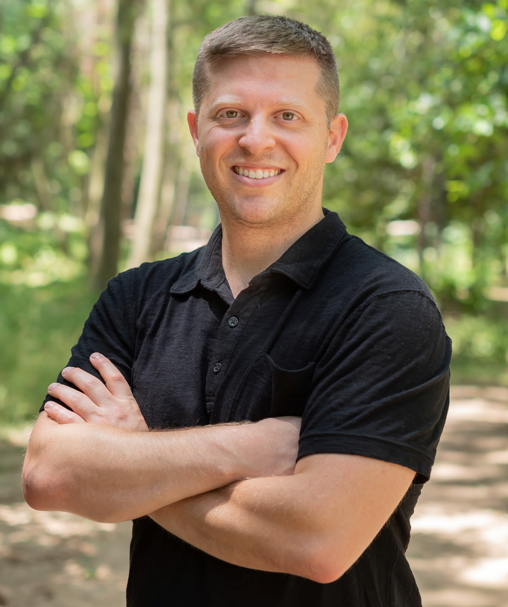

Guest
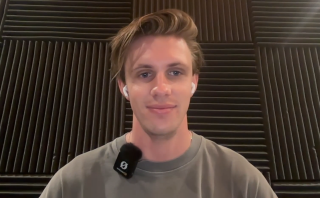
Ben Pines
Content Strategist & Brand Builder, BenPines.com
Ben Pines is a Content Strategist and Brand Builder who helped scale Elementor from $0 to $100M ARR. He explains exactly why your social media strategy is falling flat, why AI has killed generic SEO content, why short-form video often leads to "empty views," and the secret to transitioning from a generic content creator to a highly paid trusted advisor.
Chapters


Just raised, acquired, or launched?
Guaranteed CNBC, Bloomberg, and MSN.com coverage from one 30-minute interview,
timed to your milestone while it's still news.
Raises, acquisitions, product launches, and major hires create a narrow window where third-party press stops being optional. We turn that moment into a month of content.
Distribution through a channel with 2M+ real views
Full Transcript
Sean Weisbrot: So you helped Elementor to grow from $0 to a hundred million a RR, and after working with them, decided to go into helping founders to brand themselves. And I reached out to you because this is a topic that I'm constantly thinking about, whether it's for myself or the companies that I'm working with. And even though I have a background in psychology, it's always great to hear from other people because I don't have all of the answers. And I think that's. One of the great things about being an entrepreneur is that you're constantly trying to identify problems and then solve them. And so in our intro call the other day, you were helping me to think through some of the things that I do and don't do that help me establish a brand. And so today is going deeper into that. And so this is maybe less of an interview and more of a workshop. And so if you're here listening to this, what you're gonna get out of it is hopefully a better understanding of the nuances of building your personal brand so that people will, like what you are talking about, wanna follow you, and when you have something to sell, they want to buy from you. And so what's important for me is the fact that I have been doing this podcast for five and a half years. I have 12 years of experience as an entrepreneur with multiple companies in multiple countries and multiple languages. I've done angel investing. And, and I feel like I have a good grasp on a lot of different things, but something that's always been hard for me is personal branding because when social media was coming out and the idea of personal branding came out, I was living in China behind the great firewall. And so I really struggled being outside of Asia and having to basically start over, over the last few years with social media and trying to brand myself and trying to have a message. And one of the things that was really insightful, you said to me. That no one else has ever said to me. Everyone said, oh, well, you, you need to do this, you need to do that. But it was useless and, and the thing that you said to me was. The thing that you have going for you is your degree in psychology, your experience with emotional intelligence and being an educator. And even though the podcast is good, it's a standard podcast, it's maybe you try to talk about psychology, but you're not really hitting on a message that makes people want to follow you and something that you know can separate you from everyone. And then thought that that was probably the most insightful thing, honestly I've heard in, in years from people trying to give me advice about how to, how to brand myself and how to make the podcast better. So that's kind of the intro for this. Um, so I'd like to go deeper into that and kind of talk with you about how I can imbue that into the content I'm already creating and what other kinds of content I might be able to create. And let's start with that.
Ben Pines: Yeah. Yeah. It's, it's a big topic too, because we're, we're dealing with the fundamentals of the person's expertise. Like what is personal branding? It's not a TikTok or like promoting their, uh, you know, um, cosmetics. It's something deeper, you know? Um, you as a service provider, you have been giving that value, and we've discussed this a bit immediately. I asked you. What is your service? Like? What's your job? What do you do every day? What pays the rent? And I think a few years ago, maybe I wouldn't have asked that. I would've asked, I dunno, what's your, uh, keyword research? I dunno. But, but as of now, trust and authority have become, uh, so important that that's the first thing I want to kind of uncover when, when I meet someone.
Sean Weisbrot: Hey, business leaders and marketers. What if your brand could be featured right here? This ad spot could be yours. This channel is watched by a dedicated audience of ambitious founders, executives, and professionals who are actively looking for tools and services to help their business grow. If you wanna put your brand in front of this highly dedicated audience, that's difficult to reach. I'm currently
Ben Pines: looking for a few strategic partners for the channel. To learn more about sponsorship opportunities, click the link in the description. Let's go together.
Sean Weisbrot: So the thing that we uncovered was the psychology and the emotional intelligence. And when you said that, I started to think about how there's a lot of things I could do either, you know, inside the podcast, outside the podcast. Um, so let's roll fast, kind of. Talk about inside the podcast, what can I do to kind of put that message inside of it so that it's more obvious to people that are coming and more people know that they're coming here for the psychology and, and in that message.
Ben Pines: So for that, we need to kind of figure out why psychology, why do you imbue that? How does this relate to what you do every day? To like, to, uh, fundraising and like, what is the thinking behind it? It gives you some sort of edge, like in, in other words, you believe that if you're, uh, going to talk about, talk with these founders about these matters, it's gonna get you to some sort of value, right? It's gonna give them some value, give the audience some value. So that's kind of what we try to, um, uncover and, and, and, and think about. Like, um, and, and, and really, I, I like the first thing we mentioned was the leaning towards psychology is something that runs through your podcast. But I do think it also, like another important part is to figure out how it connects to your expertise as a professional.
Sean Weisbrot: Right. I mean, I think about it as psychology is the foundation of everything that everyone does from the moment they wake up to the moment they go to sleep. Whether they're in marketing, whether they're in sales, or they're in product, customer service, you know, investing. Whatever they do, they have to use psychology. And so it is the master of everything, but very few people understand it.
Ben Pines: So how does it, like, like walk me through a few, like, I, I've listened to a few of, of your episodes, like, but walk me through, like, you, you've done almost 300 episodes. Like what, how does it look like, like what's your, what's your approach there when you're interviewing someone? And let's take edge cases. So one edge case is like. The person is highly advanced in terms of the, you know, their emotional and inte intelligence, understanding of their own ego, their own psychology. And the other end is someone who has nothing to do with psych. Nothing. I just wanna, I'm an entrepreneur. I mean it for the money. I don't know. I'm trying to explain, give an example of someone, uh, who's like your, your, uh, you know, your villain.
Sean Weisbrot: Well, I wouldn't say anyone's a villain, right? Because I genuinely enjoy every conversation that I have with the people that I'm interviewing. And that's one of the reasons why I do the intro call is to get to know, do I actually like this person? 'cause if I don't like them, I'm not gonna wanna do an interview with them. So I don't look at it in terms of their emotional intelligence when I'm thinking about interviewing them. I am looking at it from the point of view of what kind of business are they doing? Why are they doing it? What have they learned, what have they gone through? What have been the hardships of those things? What are the decisions they've had to make? How has those things shaped them? You know, are they capable of expressing those things to people in a way that they can understand? Right. So it, the interview is a, is it allows me to. You know, use my curiosity. So I, I take a step back and my curiosity runs the interviews. I don't prepare anything other than the intro call, right?
Ben Pines: Mm-hmm.
Sean Weisbrot: Also, I'll do a little bit of research on them before I decide if I wanna do an intro call, but I know there's some people that they'll spend hours doing tons of research just so they could have the perfect question for people. But what I find is that when I just show up and I'm curious about them. Sometimes I'm curious about something that drives them. Like I told you, I had interviewed a guy who runs a chocolate factory and our conversation was about ego. I interviewed another woman who runs a multimillion dollar marketing agency, and her entire team is women and a lot of them are mothers. She has a, a master's in psychology and she uses psychology. Inside the company to help the employees understand each other and to understand the customers, and that's how they're able to go do so well. Um. So I've talked to people about loss, uh, you know, trying to run a company while your wife has cancer or while your parents die, right? Trying to take care of your family members. You know, I've interviewed a guy whose son has autism, so what is it like running a company when you've got a child with autism, something like this? So I've, I've come at these, these interviews from very different angles because it's always been about the person for me. It's always about what's this person's experience, what's their life? What's different for them than other people? The common thread is they're running a business that is doing over a million dollars a year. Because if people want to run a business and have it sustain over a million dollars a year. They're gonna have to learn things. And the more people they get access to that are from different walks of life who have, who are there now, and they can learn how they think and, and why they make these decisions and what they learn from them, et cetera, the higher the chance they have of minimizing their mistakes and, and getting to that place fast, as fast as possible. So that's where the psychology is for me.
Ben Pines: So I, I get that your kind of, your target audience are people that are. At a lower stage in their career. Like, so they're making, uh, you know, they, they, they have, do they have a startup? How would you characterize them?
Sean Weisbrot: So right now, based on my audience study, I, I do polls on YouTube and, uh, I haven't done it in a while, but for about four months I was doing a poll every day and I was getting. You know, like 50 to a hundred, sometimes 200 responses from these polls. And I would say that 50% of them are running SaaS, 50% of them are running e-commerce, and some of them have a goal to be funded. Some of them have a goal to be bootstrapped. So
Ben Pines: running SaaS, running e-commerce. Would you say, because you, you, you, you mentioned that the conversation is, is freewheeling, so you're getting. The person that's, uh, running a successful SaaS, a successful e-commerce, interviewing them in hopes to uncover like challenges that, um, that they faced with the idea that if they face that that's something that your audience can learn about and sort of get value from.
Sean Weisbrot: However, I also have interviews where, let's say someone's running a sale, like they're, they're heavily focused on the sales process for their business, and so that's more about how did you build your sales system? Tell me a step by step, what did you do? What happened? Why did you do that? Right? So it's more process oriented and learning how to build a system. So some of them are marketing systems, some are sales systems, some are product systems, and other times it's about psychology. But even in those systems based interviews, I still try to talk about their psychology as they're talking about why they developed the system this way.
Ben Pines: Uh, have you utilized yourself one of the things that you learned, like have you taken it yourself for like, like what
Sean Weisbrot: Yeah. Absolutely. I mean, I, I've been doing this for five and a half years, and so I've learned a tremendous amount from the people I've interviewed, and I use it as much as I can whenever I can. Whether it's giving advice to other startups or, you know, whether I'm looking to invest in a startup, I, I use it, you know, as much as I can. I don't have a specific example for you. What
Ben Pines: I am trying to get to is, uh, basically if you manage to some, some in, in some way, make the connection between what you do. The content you produce closer, some sort of virtual cycle, I think it'll work much better. Like create that connection where, and uh, that can mean a lot of things. It can mean maybe that the interview is much more targeted. So if you are now dealing in your business with, uh, helping a certain company deal with their sales system, then maybe that's. Interview and that's the hook. And, and maybe that's the whole episode, but sort of, I'm, I'm talking about a much more intentional way of producing the, um, the podcast. I, I, I don't presume to, you know, to, to tell you to change the podcast, but I, I do think that if you are aiming at, uh, something that content needs to make sense in terms of both. Your curiosity. Curiosity, like what you want to research, what you want to, to, um, figure out and think about, and also your business logic. So if you can strengthen that connection with your business, I think it, it'll make much sense, much more sense to you and also to your, to your audience, because it, it'll just be more, uh, focused.
Sean Weisbrot: The thing. Like I don't need to build an audience to get fundraising clients. For investors. Right, so the podcast is something that I did before I started doing the fundraising business. I originally started it when I had my startup many years ago where I, I was actually building the guest list to be a waiting list for this, for the product because they were CEOs of companies that had, you know, dozens or hundreds of comp of, uh, employees each. When that company stopped operating, I continued running the podcast, but then kept doing what I was doing, even though I went into a different business. The, after our last conversation, I was thinking about what kind of content I could create that would actually build a personal brand and, and make it make sense for business logic. And I was thinking of things like, which I, I can't, I, I'm not sure I'm able to really do yet, but that 'cause, because I wanna build the audience. One of them is like. Taking founders where I'm giving advice to them and then recording these sessions and then putting them on the YouTube. And I do this sometimes, but not often enough where it really becomes something large enough that people get to recognize me for like Dave Ramsey, I dunno if you know Dave Ramsey. He does this for finance. Um, I think he does a really good job. Alex Hor does these really beautiful breakdowns with business owners. Um, so I, I like those kinds of things. I think that's a really intentional way to get people to, to come to me, but not for fundraising. 'cause again, I don't, I don't have a problem finding clients or finding investors. You know, the podcast isn't my main thing for that. It's, they're tangential to each other. The, the goal for me with the podcast is to be able to create an additional stream of income because the fundraising is, is success. So if there's a moment where there's no success, then there's no money. And so while the success fees from fundraising can be very nice, they're not consistent enough that. You know, I, I want to have the podcast to make its own thing, and if that also creates an opportunity for advisory in the form of emotional intelligence to leaders or, you know, whatever it is that, you know, we decide is the best thing to do. But I, I think that that kind of content showing the advisory is, is an important piece of content, I think. Having the audience ask me questions that I answer, uh, you know, like, Sam Harris does this and Peter Zion does this for geopolitics. There, there's a lot of people that do these like questions from the audience. I think those are also really good forms of content. Um, and then other content where I'm just talking at the camera myself. Where it's a topic that I've come up with that I've scripted, and I think all of those are really important forms of content that can build up this kind of advisory because with that, there's also an opportunity to have a newsletter, and the newsletter could also have sponsorships. And a discord that's a free and, and, you know, it's freemium. Um, and then the freemium can feed into the advisory and, and and whatnot. And with the fundraising, with these larger CEOs that I'm working with, they might potentially, uh, be interested in investing in some of the startups, you know, that I have. I think there's a, a lot of potential as well, because these companies might need fractional COO or fractional CTO or CMO, or cfo, and I have access to a lot of those kinds of people that I know and I trust. Um, so I think there's a, a massive ecosystem for being able to help startups, whether they're going to be funded or bootstraps. Um, all of these kinds of businesses need support. Fundraising is just one of those services. I think that these other services are far more sustainable and, and scalable. Um, where the fundraising is, you know, a really nice to, to continue with. A really nice to have.
Ben Pines: I don't think you necessarily need to, to have a podcast about fundraising, but I do think like that you need to connect things because I think a podcast like this, you're researching a problem. You're trying to figure out a problem, and I think that's something you probably do with your, your startups as well. You don't just, you know, figure out what, what is their who, who will give them money? You figure out what's their positioning, what's their problem, what's their challenges like, and, and I, I, from my experience, like content has gone through a change now. Where it used to be just, you know, um, something you do like when blogging began, it was just people writing about whatever they liked. Okay. Then as blogging evolved, it became more oriented towards SEO and keyword research, and now what is happening, it's going through another shift where all that keyword research, all that SEO oriented, like. Put content in, get revenue out, it doesn't work anymore. So what does still work is like real expertise, but that's really hard to do. It's, it's hard to do. So the, the, the few people who actually manage to do that, like they have problems in their real business that they're solving. They have, they're, they're trying to figure out these problems through their content. Those are the ones that stand out because they're, they're like, it's a lot more, you're not, like, you can look at it in terms of energy. You're inviting someone to your house to, to an interview, and you're like, okay, sit back. Tell me whatever. You're like a psychologist, like you're, you're like, okay, tell me what, what are your problems? You're like, open-minded. And I think like, and that's fine, but I think if you want resonance right now, you should be much more like a lab researcher. Like, I can't, I, I brought you here to my house to answer this question. I'm just gonna pound you with questions. Like, I don't know if you know, um, EZ Rockline.
Sean Weisbrot: Yes.
Ben Pines: It's a totally different, uh, yeah.
Sean Weisbrot: Very different
Ben Pines: podcast, but I think. I think that's what he does so well. Like he has this issue and then he brings the most knowledgeable person and just hammers hard questions at them. And it's so interesting because like he plays a role. He's not like doing the, the. The, you know, the generic, I would say podcast of like, let's figure out what are you dealing with? And he's like really trying to figure out a problem, answer a problem. There used to be a book, um, I forgot the, the author. Uh, they ask you answer, this was the early days of SEO. Like you had your clients have problems, you answer them, and that's how you get traffic. So. It's not working like that anymore because AI can answer that. You don't need, um, a person, but they ask you answer. It's still relevant. If you think of the, of the question as something, the hard questions like what is going on? Where should I invest? Uh, what's a good marketing strategy? But then I, I think if you have more skin in the game, if you're trying to answer it for your own clients, it just. You feel it in the content itself that this person is trying to, um, answer that and you can position yourself differently there, you can be someone who hasn't figured it out yet. Um, maybe I am, I, I dunno like a good example, uh, for this, but you can put yourself as someone who figured everything out. This would be. Realm of, of Alex or Mosey and, and, and the likes.
Sean Weisbrot: Yeah. And I, I'm not willing to SI I'm not willing to live that. I know that. I know what I know and I know what I don't know. And Alex is the same. I know, I know. He is not gonna pretend to know something that he doesn't. I think that's why people like him is that the vast majority of people pretend to know. I, I will never be someone that pretends to know something. If I don't know the answer, I'll, I'll say, I don't know. But I also put a lot of time and energy into learning every day so that I can try to know as much about as many things as possible. Um, and then of course, that makes me more useful when I'm talking to, you know, investors or startups or, people that I'm advising or wanting, looking to invest in myself, things like that. Um, but. I think what's what's important for me is to figure out what exactly that message you were referring to before should be so that it's easier for me to start to think about what is the next step so that I can build that audience. Because as we said, there's four, four or five kinds of content that I could do, you know. Advising people, like I can go through Growth Mentor, and I've done this before with Growth Mentor or I've asked some of the mentees, Hey, can I record and publish our session? The vast majority of them are really early in their business, so I think they're too early to even like really put them on the, on the YouTube channel as like, because the problems they're having are earlier than the problems. I want to work with, with, with people that can pay, obviously. So,
Ben Pines: yeah, I think in the podcast you did get some, some of the elements, right? So the elements are, you figured out who your target audience is, like these, SaaS and E-commerce, uh, um, um, founders who earn X amount. You figured out who your, interview, it's, it's like borrowed expertise. You're like interviewing. You find a, found a way to outreach the right people who are 10 x the, at least the profit of, of your target audience. So you figure it out a lot. I wouldn't change that, that, that I would keep. What I would change is I would think of formulating, and it's a hard process, but I think it's important formulating your unique perspective and point of view, meaning. I know, like formalizing for Alex, I would say it's something like, um, if you just go through the basic steps of, of, of, uh, of, of the playbook, you'll succeed. I think if you just go through the basic things, most, no, most people don't do the basic things. I, I, I, maybe I'm, I don't know him that well, but from the content I, I viewed. So for you it could be different. It could be like, um. I, I don't want to put words in your mouth, but it should be something like to, to get to it. You, you should look at over the past few years, the startups that I helped, what did I, like, what's my point of view? How did I help them? Why did I hire me? Um, and I could share from myself like, uh, I, I, um. I think I, uh, my, kind of ability and, and uh, approach now is I do think you need to have like a system for doing content, doing marketing, and that's what I bring in my, in, in my content. That's the unique approach that, that I have and a few other things. But when I come to this interview, I'm. I'm using my expertise, not because I'm trying to do a marketing maneuver, but because this is what I decided would be my way to solve problems and my approach to the world. So I don't have, like, this is been for service that I offer and this is been for the content that I create. There's, there's one bin and he's figuring things out.
Sean Weisbrot: Yeah. I know a lot of people don't have a podcast. Instead, they just make content and they're able to grow their audience because they have their content and they're able to focus. But I had the, the podcast before, I had a need to create content to show myself as an expert, and so I never really made that content. I tried to, uh, I, I had moved towards AI based content a year. A half ago maybe, where I was interviewing business owners who were dealing with ai, who were building AI systems, who were investing in ai, who were, you know, et cetera. And I started getting, uh, Chinese AI startups wanting me to make videos about their content. And some of them paid me to actually do that. Um, and I was reviewing some, I was. Recording myself in interviewing Gemini's Vo, uh, voice mode or Claude's voice mode. Not, not Claude. Um, there's like a bunch of AI that have these, these voice modes. So I was interviewing all of them. I was positioning myself as an ai, an entrepreneur who understands ai, entrepreneur, investor, public.
Ben Pines: Okay. Okay.
Sean Weisbrot: And I kind of dropped it because I was like, I don't, I don't know if I wanna be the person that like teaches people how to understand ai, even though it could be very lucrative. I just, it wasn't what I wanted, you know? Um, so I stopped it.
Ben Pines: But it's great that you try like, this is how it should work. You have a hypothesis. I could be the AI guy. Then you do it, it makes you feel something and you're either, you know, exploding and like doing everything to, to, to promote yourself doing that. Or you feel like, yeah, it's not really me. So I think it's good to know what you're like. You tried it, you, you, it, it, it didn't work for you.
Sean Weisbrot: I, I think what might be interesting is in the age of AI where everything is becoming less personalized, emotional intelligence is even more important because people are grasping at straws to be connected to other people, especially among their team members and their business leaders and all that. I, I think what's. What would be really interesting for me is like, as I said, I'm interviewing these people that are running 7, 8, 9 figure brands as well. I would love to be able to have those people be my clients. They come to me like they go to Tony, Rob, you know, some people that are like massively wealthy, like billionaires, go to Tony Robbins for emotional intelligence support or like business change support. I would love to be able to help those people because of course, you know, they can pay a lot of money and they're solving bigger problems. Obviously if, if I build an audience and the audience wants those services, obviously the pricing has to be different to, to match what they can afford, which is also fine. But I also think it'd be really cool because I'm interviewing these people already, and then to have them become clients and then other people come and they're, you know, interviewed and then they become clients. And that's a really easy kind of thing to, to have, I don't wanna say revolving door, that doesn't sound good, but. But I, I, I do think there's tremendous value in this emotional intelligence. But, but as I was telling you before, I also don't wanna be, uh, boxed in so that I'm not able to provide, like, strategy and advice because that's, I, I think I'm really good at that.
Ben Pines: But why isn't that the strategy?
Sean Weisbrot: Why isn't what the
Ben Pines: strategy, why is that not part of the strategy? So someone comes in, tells you, listen, I've been doing, uh, sales. No one is buying my, my product. Uh, everything is working and then you say, um, yeah, let's, let's uncover like what is happening there? Are you too defend defensive? Like you're using, I don't know, like basically if you have, you, you have that idea. It came from somewhere like, and I would phrase it like in the age of ai, like using emotion, like developing your emotional intelligence gives you an edge. And can really bring you even, um, like, um, business success if you take it to the extreme.
Sean Weisbrot: The reason why I haven't done that so far is because generally when I'm interviewing people, they don't, I, I don't specifically under uncover any problems inside the interview. We don't go into those things. Um, because I've, I've pitched it as I'm learning from you, not, let's figure out what your problems are. I, I've never taken the interviews to be that kind of a session for them. Um, and if I'm interviewing someone who's doing $30 million a year, like they don't have a sales problem. They, they may have a problem, I don't know what it is, but like, they're not gonna have a sales problem. Maybe they have a, maybe there's some sort of bottleneck, like they're the bottleneck. They, they need to give up more control. But like, uh, generally by that time, they have all their systems in place. They have the, the people in place. They, they have the product. They know what they're doing. Right.
Ben Pines: The problem, Sean, is if you have a podcast where you're interviewing you, you figure out the target audience. You've outreached the people, then you bring those people to, uh, your platform and you show their expertise. That's not really building your personal brand. Like it's not someone ending that, like, if you're successful, someone will watch the episode and say, wow, this person, the, the, the f this founder, he's great. I need to, or she's great. I need to start following her.
Sean Weisbrot: Yeah.
Ben Pines: They're not gonna say, I need to, to hire Sean. So, it's, it's, it's pretty simple to, to flip that. It's pretty simple. It's not hard. You just need to flip the, the, the script somewhat. You need to find, and the way I do it is, is really super, it's so simple. It's like this. And again, I tie it to the service. You are a service. It's, it's easiest for service providers. It's easier than people who run products. Okay? So the basic concept of any business, any service business you offer, uh, this service for X dollars, right? The client gets two x three x worth of value
Sean Weisbrot: much more,
Ben Pines: and you do that. Much more. You do that repeatedly and that's your bus service business. So there's, that includes some value, like they're paying you to do something. You have some sort of expertise that you have. So if you take that expertise and say, I'm gonna take it, I dunno, maybe ask your, your clients why they pay you or, or you figure it out yourself and then you say, okay, I'm gonna. Share this value share instead of one-to-one with my client. I'm gonna share it one to many in the podcast, but I'm gonna do it in an interesting way. I'm gonna actually interview someone that I, I know they're, they're top, top bar. They're, they're like making over a million dollars a year. But I ha when I figure out every episode, when I plan the episode. I have to take care of it. Not because I'm self-promotional or I'm salesy, but because I wanna share my value to the world. That's why I am, I, I'm not hiding behind it. I'm proud that I'm able to, I'm a great service provider. I offer value. I just want to share it with people who maybe can't afford me. So they end the episode, they say, wow, that was a great interviewee. But that host, he really like. Yeah. I, I, I, there's a thread. He's like the Ezra Klein of, of the business world, you know?
Sean Weisbrot: So you're, are you saying that I should be doing these uncovering sessions with the. Like, I'm, I, yeah, I, I kind of understand what you mean. Um, maybe you can explain it a little bit more clearly in terms of basically the, the person that I'm interviewing, is that the potential client? Am I doing a, an advisory session with them that then appears like it's an interview? I, I don't understand.
Ben Pines: Um, it, it, it doesn't, again, this is something so. You have an approach, you, you have some message to tell the world, okay?
Sean Weisbrot: Mm-hmm.
Ben Pines: The message is basically, um, it's very easy to figure out the message. If you think, uh, in terms of what is your enemy, what are the things that you don't like in the world, what do you think are, are the mistakes? It's very easy to do that. If you look at some of the things, uh, let's say, I don't know. Businesses that are, um, for you, it's probably businesses that are not sensitive to their clients or maybe their, um, so, so, so that's your approach. And then the whole interview will be like an exploration of that approach. So let's say, let's say that your, uh, clients are paying you. Because the value that you bring is the fact that you're able to, to dive into tho their problems and, and kind of figure out, uh, um, like the, the solution that has to do with emotional intelligence. Okay? Now, you, you, you've booked an interview with someone who is running a successful business. So I would say, uh, the episode should be you trying to explore similar challenges and maybe figure out something that relates to that. Does it make sense?
Sean Weisbrot: Okay. So don't inter don't interview the client, interview someone that might be able to help me solve the client's problem.
Ben Pines: Uh, yeah, yeah, exactly. Yeah, that's exactly what, what, uh, I'm saying.
Sean Weisbrot: Okay, because I was gonna say like if you wanted me to probe a seven or eight figure brand, brand owner, I don't know how to get them to come on to, to have me interview them in a way that I'm probing them like that. Like where I'm, I'm trying to uncover their problems. Um, because that's, yeah, I was thinking about that yesterday. But for more like five figure owners or six figure owners, um, where like, I would do it for free, basically it would be like another type of content. Um, where I'm showing my advisory abilities, like live and, uh, but I was like, I don't know. 'cause I, I use helper reporter and I dunno if you've heard of it, but it's a really great way to source guests and I was like, how can I get someone that's running a six figure brand or even a seven figure brand to let me dissect their business live and make that the content? It shows my ability to be a good advisor so people wanna come to me. Um, but I don't know how to get someone to be like, who the hell are you? Why am I gonna let you do this? Right? Because you're not paying me for it, so you don't know who I am. Right? You just see that I have this YouTube channel with a ton to, with a ton of content.
Ben Pines: Isn't it cool? But don't you think it's cool that if you have the same guests, but instead of just having your regular episodes, you're trying to use those guests to solve problems of your clients?
Sean Weisbrot: Sure.
Ben Pines: You share that story, that that would be a really cool show and it it'll help your business
Sean Weisbrot: unless my guests become my clients, which would also be great.
Ben Pines: Uh, well, when, when, when you see, when you both are kind of dissecting the, the, um, the problem of your client, they'll see your, your thinking. So they might very likely that they will,
Sean Weisbrot: hmm.
Ben Pines: Um, so that, you know, it's, it's on a case by case basis, but what I always like to, to find is that sweet spot where you're not investing in content. Okay? I'm now writing my posts or now having my podcast interview. I want it to be something that you do because it helps your business. It helps you thinking about your, the problems of your clients. I find that it's, it's just. It's great. And I have a client who, like, I have clients of, of, of, uh, much varied types. So one of my clients is, uh, she's a face yoga instructor,
Sean Weisbrot: face yoga,
Ben Pines: face yoga, like the exercises.
Sean Weisbrot: Oh, okay.
Ben Pines: But it's the same thing. We're trying to figure out how not to do the generic. Uh, you know, Instagram videos that everyone is doing, but figuring out
Sean Weisbrot: that's easy. You, you have a, a thumbnail that's like,
Ben Pines: uh,
Sean Weisbrot: you know, like, eh, just silly faces. And then the people are like, what the hell is this? And then they wanna watch it.
Ben Pines: Yeah, for sure.
Sean Weisbrot: I dunno, I don't know if that was your advice. What?
Ben Pines: That's a good idea. That's exactly it. Like, yeah, Vering,
Sean Weisbrot: because a lot of people have these, the, these thumbnails on YouTube, they're like, ah, right. These like weird contorted faces where you're like, why is this person making such a face? I need to see what's going on. That's what the, you know, the monkey brain.
Ben Pines: That's true. Yeah. The fact that it's a visual for sure.
Sean Weisbrot: Yeah. Okay. And, and then really the, you know, the other issues I face is like actually building up like what is the service and, you know, how do you create the funnel and the newsletter? Like, there's a lot of things that go into all of this stuff. Um, and that's, that's always been an issue for me is I just wish there'd be an operations person that would go, this is who you are, this is what you're good at. Let me just operationalize it and turn it into a business. And you just make the content because like, that's what I'm, I'm really good at just doing the content, doing the interviews, doing the advisory, and just. Like, I've always just wished I'd had, I could rub a, uh, rub a magic, um, you know, thing, have a genie pop out and they're like, how can I help you? It's like, gimme an operations person that'll turn this into a, you know, its own business.
Ben Pines: Um, yeah. Yeah. The problem is that, uh, it's like, what, what I can say about that is there is a way to do that. There is a way where it's, you're, you're focused on the content and it's, it's a, it's a system. You're kind of, you don't have to like, feel the, the grudgey of, of doing all that. There, there is a way to do that. You just need to, you know, be aware of all the problems that, that prevent you from doing that. That's part of the things that I've been figuring it out.
Sean Weisbrot: Like what?
Ben Pines: Okay. So basically these three major elements, okay. Are. First of all, the, the, the big idea, the big mess, the messaging, I call it the big idea, what we've just discussed. That's the strategy part. That usually changes once every, you know, quarter, six months. You can fine tune and tweak it. The other element is the, the, the content itself. Just, you know, it does, even if you love. Creating and writing and, and doing that. It does take effort to be consistent to um, not be generic, to, to manage to, to like be interesting. The third part is distribution. Like, okay, I'm creating interesting content that, that shows my expertise. How do I get larger and larger, uh, audience to be aware of that?
Sean Weisbrot: Yeah, it's a huge problem. Distribution, I think is the hardest thing of, of all, you know, because like I put out content that I think is good and like with shorts on YouTube, it'll get like sometimes 5,000 or 10,000 views, but on average it's like 500 to 2000 for a short. But then like the three to five minute content is like a hundred, 200 views, maybe 300 views. So the shorts perform much better than the, the middle lever. You know, the, the. Short-ish content, but the shorts don't really turn into subscribers. They don't really turn into anything. They're just kind of scrolling and then going onto the next thing. They don't really, you know, interact. So I stopped doing shorts and I, I decided a long time ago not to have a TikTok, not to have an Instagram. I just didn't think the, the audience I wanted was living on those platforms. I think they live on YouTube and I think they live on LinkedIn.
Ben Pines: I do think that like the problem you, that you mentioned is, is right that like there is a problem where they're not mo, most of the audience won't click and see the whole episode and everything, but there's still value. Okay. They watched a minute and a half of your content, they kind of recognize you and slowly over time, that's, that's basically how you build your, your, your brand and your expertise. And they might know you just from, you know, several. One and a half minute videos that could actually be enough to, for them to kind of go to the next level. Either hire you or become a subscriber at one, one day. You, you do want to have, um, sort of this system in place where you're churning out shorts as well, because it's much easier to get those distributed, you know, and. In front of people, and I find that people recognize you more than you think. They recognize your face. You know, they, even if they haven't watched the video, you'll get, you'll go to an event and they're like, oh, I, I, I, I know you, I, I saw you. Like,
Sean Weisbrot: I think this has happened. Once I was in a, I was at, I was playing at a, a golf range. I was doing, um, uh, what's it called? I, I went back to Vietnam. And I lived there previously for a number of years. I was visiting a friend and we were playing golf at the, one of the driving ranges. And there was this like Vietnamese American girl who was playing golf in the next like space from us. 'cause it's a driving range, so everyone's next to each other. And she, she was like, oh, you know, what do you do? And I said, oh yeah, I do. You know, I have a YouTube channel and talk about entrepreneurship when on. And she's like, oh, what's the name? I was like, oh, we have to build, she's. I think I've seen that before. Like, how the hell would you have seen that? You know, but like, okay, fine. So
Ben Pines: yeah, I think that's cool. You know, I, I think that's really cool. Like even with AI and AI slop and everyone complaining like that. Everything is just, marketing is now full of crap and everyone is just out for likes and, and even in this world, there's still like this whole ecosystem of idea exchange that's kind of working where someone who has committed themselves to thinking out pro thinking problems out in public, they get an audience, they discuss with other influencers. Simon Sinek talks to Brene Brown, and there's sort of something that resembles still a discussion that is happening online. Um, it, this hasn't died, so that fills me with some sort of, uh, you know, hope and and optimism about this whole, whole thing that we're part of.
Sean Weisbrot: What's the most important thing you've learned working with Elementor and how have you applied that to your business now?
Ben Pines: The most important thing? I think, so in my last tenure, I, um, was focused on, um, my, my role was marketing new products that were really highly technical. So the, the, what I found there was, I think the appreciation that I had of a bigger story, that you have to have a bigger story. Um, that applies very much to, to products, to technical products. If you're trying to, to market and get attention, and you have to, to kind of step out of that technical feature realm and sort of fi figure out something broader. Some more interesting question, and it's not easy. Most product owners don't do it. Most business owners don't do it. But I find that this is like super important, like the conversation that we had at the beginning, that's, that's the role. And it doesn't lead you to something like, you know, uh, usually it shouldn't lead you to something that's like saying bullshit. It should lead you to something you actually believe in. And, uh, that, that. That's, that's a win-win for your audience and, and for your product and for yourself.
Sean Weisbrot: Thanks for watching. If you liked this insight, I've handpicked another video for you right here on the screen. For more actionable strategies that get you real results, hit subscribe.
Just raised, acquired, or launched?
Guaranteed CNBC, Bloomberg, and MSN.com coverage from one 30-minute interview,
timed to your milestone while it's still news.
Raises, acquisitions, product launches, and major hires create a narrow window where third-party press stops being optional. We turn that moment into a month of content.
Distribution through a channel with 2M+ real views
