Why Bootstrapping is a Slow Death for Ambitious Founders
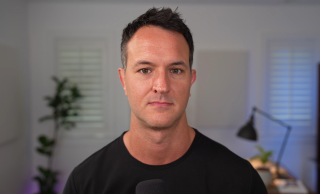
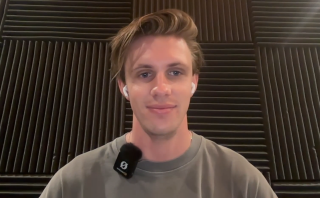
For many ambitious founders, bootstrapping is a slow death. After building a profitable, high seven-figure SaaS company for 10 years, Sameer Narkar realized his self-funded model was no longer enough to win. In this interview, Sameer explains why the AI revolution is forcing successful bootstrapped companies to raise capital, the psychological shift from lifestyle business to growth business, and his strategy for scaling from $10M to $100M ARR.
Guest
Sameer Narkar
Chapters
Full Transcript
Sean Weisbrot: After running a profitable bootstrap business in the high seven figures for many years, you've decided that you wanna raise money from investors.
Sean Weisbrot: What has changed that's made you want to change the way your business runs?
Sameer Narkar: Well, Sean, uh, I mean, as, as you rightly said, we bootstrapped for a long period.
Sameer Narkar: You know, it's been almost 10 years now since we started. Uh, we have customers across 30 countries now.
Sameer Narkar: 300 plus enterprises use our platform. Uh, the reason to. Uh, go for a fundraise is, uh, to move fast.
Sameer Narkar: You know, the world around us is changing now. A lot of, uh, stuff around ai, uh, I think, uh, the SaaS platforms that will win with AI are the ones that have, uh, data across platforms.
Sameer Narkar: You know, uh, data is really the true winner. Uh, and on top of that AI layer gives you a lot, lot of insights.
Sameer Narkar: So the way we look at it with our platform [00:01:00] is.
Sameer Narkar: If, if any, given ai like perplexity or chat, GP is the AI for the world.
Sameer Narkar: Uh, because we serve brands and we have all the data from various data sources, we call it as AI for your world.
Sameer Narkar: Uh, so there are a lot of, uh, new. Innovations that are allowing us to build a lot of features around our platform.
Sameer Narkar: And of course, if you have to move fast, then then funding is the, is the way to go about it.
Sameer Narkar: I'm a big fan of Bootstrap. Uh, we have, we have, uh, bootstrap for all these years, you know, reached to a stage of about 8 billion year.
Sameer Narkar: And so, so, uh, definitely people look up to me as far as the footstep stories go, uh, is concerned.
Sameer Narkar: But yeah, very keen on raising funds now and, you know, moving very fast.
Sean Weisbrot: Hey, business leaders and marketers. What if your brand could be featured right here?
Sean Weisbrot: This ad spot could be yours. This channel is watched by a dedicated audience of ambitious founders, executives, and professionals who are [00:02:00] actively looking for tools and services to help their business grow.
Sean Weisbrot: If you wanna put your brand in front of this highly dedicated audience, that's difficult to reach.
Sean Weisbrot: I'm currently looking for a few strategic partners for the channel.
Sean Weisbrot: To learn more about sponsorship opportunities, click the link in the description. Let's go together.
Sean Weisbrot: So normally when someone looks to raise funds, it's because they believe that the market size is currently much larger than they're able to tap into, and that the funds will help them to either start new business lines or expand into new markets with a goal of exiting the business.
Sean Weisbrot: I, I don't normally see someone raise funds and not have a plan to exit.
Sean Weisbrot: So after running the business for 10 years, is that kind of your goal as well as you're looking for a way to exit?
Sameer Narkar: See with funding, what happens is it allows you to invest into a few things that does not have an, let's say, immediate paycheck.
Sameer Narkar: Right? You know, you can invest in your sales, you can invest in your marketing, uh, and invest for two years from right now, right?
Sameer Narkar: So that's how, uh, we look at [00:03:00] things. Now, exit is something that a lot of people, you know, plan.
Sameer Narkar: But the way I look at it is if, if you start thinking about exit, then somewhere you are not focused on what you really want to build.
Sameer Narkar: If, if there is an opportunity that, that says, okay, fine, you know, sell your business for say, a hundred million dollars, a no brainer.
Sameer Narkar: And, you know, uh, any entrepreneur will, will opt for it and, and figure it out.
Sameer Narkar: But to think of exit while you're executing your plan.
Sameer Narkar: It's just the thought process that takes you in in other direction.
Sameer Narkar: And somewhere the focus on building the product and building the company, uh, and, and a clear focus on the customer's unit know gets diverted a bit.
Sameer Narkar: So it's too early for us now to think about exit.
Sameer Narkar: Let's see where we go from here in next five years, we have a clear projection of where we want to reach.
Sameer Narkar: By 2032, we wanna be around hundred million month. That's the first goal. Let's see what happens on the.[00:04:00]
Sean Weisbrot: I'm torn here because I agree with you and I disagree with you, so I, I agree with you because if you look at some of the most successful business owners, they ran a company for decades, right?
Sean Weisbrot: You look at Oracle, you look at Microsoft, you look at Apple, the, you know, Facebook, et cetera, meta, but then the conventional wisdom.
Sean Weisbrot: In more modern times is that if you start a business and you don't have a plan for exit, it's just a lifestyle business.
Sean Weisbrot: And so for me, I, I see what I'm doing right now is something that I could see myself doing in 30 years.
Sean Weisbrot: Now, is it gonna be a billion, billion dollar company? I don't know. I don't really care.
Sean Weisbrot: It's not my, my focus, my focus is on doing something that I love, which is education.
Sean Weisbrot: And, and so I, I like that you. Are trying to focus on running the [00:05:00] business, but I also feel like you might be shortsighted by not thinking about an exit.
Sean Weisbrot: And I think it's okay to have an exit in mind while planning.
Sean Weisbrot: So like I, I've spoken to people that have sold businesses where they said my goal was never to sell the business, but I, I continued to build the business day after day, year after year.
Sean Weisbrot: With no plan for an exit. And then there were opportunities that came around and I wasn't ready for it.
Sean Weisbrot: And then it took me years longer to sell because it took me time to put together the documents, to have the advisors, to have the lawyers, to have this, to have that, to put everything together.
Sean Weisbrot: So one of the guys I had interviewed a few years ago was doing 25 million a year for his business, and the business was about 25 years old.
Sean Weisbrot: And he said it took about two years to sell the business because he didn't have anything in place in order to make that, you know, happen.
Sean Weisbrot: Um, and so he regretted ignoring all of the signs that the business was something that could be sold, even though he loved what he was doing and he wanted to keep doing it.
Sean Weisbrot: So, uh, maybe I'm, I'm saying something that resonates with you here.
Sameer Narkar: I mean, see if you, if you're funded, then obviously you have all the documents ready.
Sameer Narkar: You know, any, anytime an investor can come in, invest in your company, or if you're ready for exit, you have the documents ready.
Sameer Narkar: If you, if you're purely a bootstrapped company and raising it for the first time, then obviously, you know, you have to prepare those documents and need to have a, you need to have an ib, you know, working on, on your, uh, on, on your numbers.
Sameer Narkar: Or you need to have a lawyer. But if you're at least, uh, serious, a funded, then those things are are much easier.
Sameer Narkar: But different thoughts, you know? I mean, uh, uh, I never gave a thought to exit.
Sameer Narkar: In fact, we got one opportunity two years back from a very large contact center to sell our business.
Sameer Narkar: Uh, we, we didn't proceed that time.
Sameer Narkar: Uh, we didn't even discuss the numbers. They were interested, but we said we are not ready as it, we, we still love what we are building.
Sameer Narkar: Uh, but on the way, you have to be flexible in your enough.
Sameer Narkar: As you said, if the opportunity comes, someone comes with a hundred million exit, you know?
Sameer Narkar: Uh, founders have to be ready.
Sameer Narkar: But, but my way of looking at things is that if, if I give a thought to it, [00:07:00] then probably I'll divert myself from the core stuff that I'm building.
Sameer Narkar: And there's so much to build on the product. There's so much to work on. Uh, AI innovations.
Sameer Narkar: Uh, we serve about 26 different industries, uh, and that way the market is.
Sameer Narkar: Pretty big. Uh, you know, when we look at our market across industries, we have very easily about at least a hundred thousand customers in some major markets to reach out to, uh, even more than that.
Sameer Narkar: But, but the potential is big because every single, you know, BFSI or Aviation Automobiles, FinTech ad tech, qsr, uh, any B2C brand.
Sameer Narkar: Is our potential customer. Uh, so I think that still excites us, uh, that, you know, we can, we can do business, we can build on the product.
Sameer Narkar: So as long as that passion is there, you love what you're doing, uh, then I think, uh, you, you need to keep that thought of exit a little away just to be focused on what you are building and.
Sameer Narkar: Still loving what you're building because at the end of end of the day, you know, I mean, if, if, [00:08:00] if you end up with so much money, you know, then the question is what to do with it right now.
Sameer Narkar: Right now the creation gives you that thrill. Uh, uh, tomorrow when you're old enough, maybe consuming that much money will give you the thrill.
Sameer Narkar: But today, let's say, let's put it this way. You know what, what we're creating, we're enjoying that part.
Sean Weisbrot: Yeah. I was gonna say, if your business is doing 8 million a year, you're.
Sean Weisbrot: You're seeing like 700 ish, $750,000 a month come into the bank account.
Sean Weisbrot: So to go from that to raise 10 to $15 million and now suddenly have this massive chunk of money that your business has never seen before in at one time.
Sean Weisbrot: Yeah. How is that gonna impact the way you run the business? Is that gonna change?
Sean Weisbrot: You know, are you gonna pay yourself more money? Are you going to, you know, how, how, how do you think that's gonna change the daily operations and all that?
Sameer Narkar: I know. I mean, see, the way to look at it is, uh, still the money that comes from the customer is, is recurring money, right?
Sameer Narkar: If, if, uh, so let's [00:09:00] say 800,000 is what we are getting, uh, per month, and, uh, if the investor money, if we divide it into 24 months, then half of that you'll be, you'll be spending it, right?
Sameer Narkar: So it'll, it'll last for 24 months. And again, you are a bootstrapped company, relying on the customer money.
Sameer Narkar: That's how, that's how we look at it.
Sean Weisbrot: So you're basically buying growth. It's, it's like a loan in a way.
Sean Weisbrot: Except you're giving up equity. 'cause let's say for example, if you're, if you have 800 KA month and you're, let's say you're spending 300,000 a month, and now you have an extra 400,000 a month that you can spend, so now you're spending 800, even though you have 1.2 available to you, and you're basically hoping that you're gonna buy that growth so that within those two years, you're now gonna be bringing in at least 1.2 million a month or 1.5 million a month so that you, you don't eat yourself.
Sameer Narkar: If you're, if you're earning, so this is how we look at it.
Sameer Narkar: If you, if you're earning a hundred dollars. Figure out way to spend 110 [00:10:00] because there's no point profiting.
Sameer Narkar: You know, you need to invest in growth, right? So you, you invest in more salespeople, you invest in building more product features.
Sameer Narkar: You add team to your product team or your marketing team.
Sameer Narkar: So growth is constant. You know, maybe when, when we start early and, and a hundred KA month looks big, but as you grow and you start earning.
Sameer Narkar: 700, uh, KA month, you know, for the fact that your expenses are gonna be more than that.
Sameer Narkar: Uh, and you also have to have some cushion for some mistakes that you do because early on when you're a small company with say, uh, 2030 folks, uh, you still, uh, have to take less decisions, which means you.
Sameer Narkar: Make fewer mistakes, but as you grow today, we are about one 40 odd people.
Sameer Narkar: Um, I, I wouldn't say that out of the 10 decisions that I take, if seven work, I'm, I'm great, but I do mistake, do make mistakes, you know, and, and those three mistakes can cost you, you know, so it, it is always the fact that no matter how much money you make.
Sameer Narkar: You are always going to be short of some money.
Sameer Narkar: So if, if we make 700 KA [00:11:00] month right now, let's add 400 k, we have 1.1 to spend going forward.
Sameer Narkar: Um, maybe, maybe 1.2, 1.3. But all that money will go into, uh, into building the team, building the product, and, you know, uh, bringing in more and more sales.
Sameer Narkar: Uh, so that's how you really have to project.
Sean Weisbrot: So you have this money that you can spend for the next two years, how quickly do you think you can see growth return from that?
Sameer Narkar: Yeah, if you look at about, say 70% CHER, I think that's the good metric to have.
Sameer Narkar: Uh, as far as the SaaS company's concerned. Uh, can, can you have a growth of 90% and above is something that you should try?
Sameer Narkar: Uh, and of course when you work on the financials, when you present to the investors, you have a very clear, you know, numbers that you present.
Sameer Narkar: Uh, it's, it's good to be conservative when you, while you are presenting, but be more, much more aggressive when you are actually delivering.
Sameer Narkar: Uh, so obviously you need to have plan A, plan B, plan A to, you know, present it to the investors, and obviously [00:12:00] doing much more than that.
Sameer Narkar: As your, as your real plan. So a SaaS product or a company really grows on, on partnerships, on ISV partnerships.
Sameer Narkar: A lot of integrations you build, you need to have your own salespeople on the ground.
Sameer Narkar: Today we have at least, uh, you know, about a team of 10, which is, uh, you know, outside the headquarters, spread across different regions who, who drive sales at the same time.
Sameer Narkar: Drive partnerships. They go for very big events, you know, bring a lot of meetings. We close the account.
Sameer Narkar: So it's an ongoing process, you know, I mean, if you look at the biggest.
Sameer Narkar: SaaS companies like Salesforce and all who do $37 billion a year, uh, you know, we obviously can learn few things from there and, you know, do maybe 0.1% of what they're doing, getting inspired by that.
Sameer Narkar: So there are ways you execute plans in SaaS that requires money.
Sameer Narkar: It requires people on ground, you know, you have to invest in partnerships, events, marketing.
Sameer Narkar: So all that is a journey that will start. Now, I think raising 8 million is a good mark, but [00:13:00] you know, I still believe it's just a start for us.
Sean Weisbrot: So I, I like what you were saying about salespeople.
Sean Weisbrot: My cousin has this exact kind of job. He works for, uh, a SaaS company and they're in high tech, and they, they do, they're like an integration hub for businesses, and their, their job is to minimize the complexity of your integration, something like this.
Sean Weisbrot: And so. They're constantly sending him around the world to different conferences.
Sean Weisbrot: Specifically for building partnerships? Yeah, referral partnerships, things like that.
Sameer Narkar: That's in fact, in fact, the way we look at conferences and events is it, it is more for partnerships than, than sales.
Sameer Narkar: Uh, because, you know, if it's a large conference, there'll be so many potential customers coming there.
Sameer Narkar: And, and they're visiting every single booth. They'll definitely not remember you.
Sameer Narkar: But conferences are great for partnerships and you know, we have been to, uh, Tex, we have been to leap.
Sameer Narkar: We have been to Salesforce, Dreamforce, and [00:14:00] over the years we have really made good partners because of these conferences.
Sean Weisbrot: Yeah, I, I have another cousin, she's a little bit older and she also does conferences and she, she makes really big deals happen in those things.
Sean Weisbrot: So I, I've only ever been to one conference and I, I was present not really presenting.
Sean Weisbrot: I had a company, so I went there with two of my team members and it was very expensive and nothing happened.
Sean Weisbrot: And because we were a startup looking for funding from investors.
Sean Weisbrot: And it was, it was like $15,000 and we got nothing back from it.
Sameer Narkar: no, that's, it's very tiring. It's very tiring to be, to be at conferences.
Sameer Narkar: Uh, now I have learned that I'm not the best guy to go, so there are folks in our company who go and, and, and they strike partnerships.
Sameer Narkar: But, uh, here is what I've learned in conferences. You might plan to.
Sameer Narkar: Strike some deal or maybe some investments you go with that goal that, you know, if I spend 15,000, I'm gonna make like, at least, you know, [00:15:00] three x outta it.
Sameer Narkar: Uh, that over the years we have learned doesn't happen.
Sameer Narkar: So you have very low, uh, you know, ambitions and go for the conferences, and then you, you just expect some good results.
Sean Weisbrot: Hmm. So what do you think is gonna be the biggest expense from the money coming in for the investment?
Sameer Narkar: Yeah, I mean, uh, couple of things.
Sameer Narkar: One is definitely, uh, we are gonna ramp up our sales team globally.
Sameer Narkar: Uh, quite a few sales folks from our team are, are pretty experienced there, 15 plus years experienced.
Sameer Narkar: There is someone who has 20 years experience. They come from.
Sameer Narkar: Salesforce and, and they come from fresh logs and, you know, those kind of companies, it helps if you hire the right guy, obviously in a six months time they're gonna use their contacts and, you know, do sales for you.
Sameer Narkar: So you definitely need to hire the best of the people, uh, but they don't come, uh, cheap.
Sameer Narkar: So you, a lot of money goes into the salespeople.
Sameer Narkar: Uh, at the same time, uh, apart from hiring sales folks, we are looking at hiring.
Sameer Narkar: Uh, [00:16:00] the, the guys who have done partnerships for big companies, uh, we know whom, whom to hire really.
Sameer Narkar: So a lot of money will go in hiring. And apart from that, we are building something called as a Connect research cloud, which is, uh, an add-on to our AI features.
Sameer Narkar: So a lot of money is going to go on.
Sameer Narkar: The AWS again, you know, which is, uh, anyways, the, um, highest, uh, paying thing for, for any SaaS company.
Sameer Narkar: Uh, so typical, uh, you know, stuff more on salespeople, more on, uh, a WSI know what marketing works and what doesn't work in marketing.
Sameer Narkar: Uh, so we are not very keen on pushing money on ads.
Sameer Narkar: Um, we obviously focus a lot on. EO and go for organic stuff.
Sameer Narkar: And at the same time, uh, content events, uh, conferences, that's where that marketing really works.
Sameer Narkar: And over the years, I know for the fact that many SaaS companies raised money and they just, you know, blindly put it on Google and LinkedIn ads, uh, and nothing really worked [00:17:00] out for, for them.
Sameer Narkar: So definitely not putting a lot of money there.
Sean Weisbrot: When I had a SaaS company that I had funded, I was, I had no idea about ads and marketing.
Sean Weisbrot: I know a lot more now, but I, I remember I was thinking about ads, paid ads on meta and all of that.
Sean Weisbrot: And we had actually done an analysis and saw that the vast majority of the SaaS brands were losing money, um, from doing it.
Sean Weisbrot: And so we're like, okay, well we need a better strategy.
Sean Weisbrot: Unfortunately, we never got to launch and actually do those ads, but, um. It was an interesting exercise nonetheless.
Sean Weisbrot: it's interesting that you had the same experience.
Sameer Narkar: Yeah. I mean, what happens in SaaS is you, you still know what is your audience.
Sameer Narkar: You know, you'll have the list of companies to reach out. Uh, you'll know your ICPs.
Sameer Narkar: So there are better a BM strategies, you know, account based marketing strategies rather than just pushing the ads.
Sameer Narkar: Uh, so if you focus more on a BM with, uh, email, LinkedIn, and targeted ads for those folks on LinkedIn, [00:18:00] I think that really works well compared to just, you know, go for the search ads.
Sean Weisbrot: You were saying that, uh, you make content, what kind of content are you guys making?
Sameer Narkar: Yeah, in fact, uh, a lot of that, uh, we, we focus a lot on videos.
Sameer Narkar: Uh, you know, every, every concept that we have, we try to really make very good videos, whether it is AI or whether it is customer experience management, social listening, uh, and there's also something called as a Connect Insights Academy.
Sameer Narkar: We teach, uh, you know how, how it works. It's there on Udemy. So, so that kind of content.
Sameer Narkar: We write a lot of blogs, white papers, case studies.
Sameer Narkar: So every single brand that we work with, we focus more on case studies.
Sameer Narkar: Now, today, if we talk about automobiles brands, there are about 22 automobile brands that we have.
Sameer Narkar: You know, if we, the easiest way to do sales is to, you know, talk about the success stories of their competitors and, and show it to them.
Sameer Narkar: Uh, I think we focus a lot on case studies.
Sameer Narkar: We focus a lot on, on videos, and we, we really make. Great videos.
Sameer Narkar: You know, in fact, now we have started [00:19:00] making videos with VO three, uh, AI generated content and as simple concepts we are explaining, uh, via videos.
Sameer Narkar: Uh, so definitely my suggestion would be, you know, focus a lot on videos.
Sameer Narkar: It's the best way to explain what you do, uh, and to connect with your audience and obviously work on case studies apart from your blogs, white papers and, and stuff like that.
Sameer Narkar: Focus a lot on case studies that that really helps.
Sean Weisbrot: So case studies are part of your like email campaigns with the people that are in your list.
Sean Weisbrot: They, they're watching these AI created videos. This is all the same audience, or are these different audiences?
Sameer Narkar: No, so, so once you make a case study, you obviously have different functions using it, right?
Sameer Narkar: Sales team can obviously, you know, use it for their sales, uh, uh, process, whereas, uh, A BM can use it for, for their purpose.
Sameer Narkar: Or we also have something called a CX toolkit, which is, uh. Industry wise.
Sameer Narkar: So we work with about 26 industries. We have case [00:20:00] studies for 26 industries.
Sameer Narkar: We have videos for those 26 industries. We have FAQs, we have industry benchmark reports.
Sameer Narkar: It's all consolidated in one page, uh, with one, uh, master link, and it goes onto different links from there on.
Sameer Narkar: Uh, so those can be used. Uh, we, again, it can be used on social media.
Sameer Narkar: You can tag the brands on. Twitter and give a link of, uh, the case study.
Sameer Narkar: Uh, so different ways of marketing. If it is an A BM campaign, obviously a third email will have the link for the CX toolkit.
Sameer Narkar: So you have to work on different strategies.
Sameer Narkar: But as long as you have created something for the industry, which is a case study, or a video, or maybe a benchmark report.
Sameer Narkar: It works well because, uh, if, if I'm the one who is a buyer, I obviously don't wanna know about the product, but I want to know what the industry is doing, what my competitors are doing, what are the right, uh, numbers.
Sameer Narkar: Uh, one of the things that we, because we are into the cxp, right?
Sameer Narkar: Uh, every brand has their own numbers, like. What is my csat, what is my tag?
Sameer Narkar: What is my sentiment [00:21:00] analysis? What different product people talk, but when they present that report to their managers or cmo, obviously they wanna also see what the industry is doing.
Sameer Narkar: Because if my, uh, CSAT shows 3.8, what is the industry benchmark?
Sameer Narkar: Is, is 3.8 a good number or a bad number? Right?
Sameer Narkar: So, uh, creating those industry benchmark reports are, are really helpful. You know, it's all part of your content marketing.
Sameer Narkar: And, uh, first thing is to focus, uh, with a simple idea that if I am the consumer of it, what kind of metrics I would like to, uh, see.
Sameer Narkar: Uh, and, and anything to do with marketing or sales is, is always a buying process.
Sameer Narkar: It is never a sales process. So as long as you understand what the buyers want, you know.
Sameer Narkar: Whatever content comes, or whatever marketing statuses you make, it'll be always in the right direction as well.
Sameer Narkar: As long as you understand it's the buying process.
Sean Weisbrot: Has there been anything that you've done in the last 10 years where you put it in [00:22:00] place and then maybe not instantly?
Sean Weisbrot: 'cause I know sometimes it takes time with business, but something that really just made business blow up in a good way?
Sameer Narkar: Okay. Um, uh. I mean, hard to think in that like, you know, we, we did something and suddenly it gave us a results.
Sameer Narkar: I right. Hardly happens in that fashion and you really have to wait for it.
Sameer Narkar: Um, and, and, and everything contributes to something like, you know, you hire salespeople, you invest in, uh, some tech, uh, you build on a feature.
Sameer Narkar: You make a video of, I, I still not seen that day where I, I thought that this video is going to go viral and everybody's gonna love it.
Sameer Narkar: Uh, it, it, this hasn't happened for us as yet. Uh, but it's always a slow and steady.
Sameer Narkar: Progress that we have seen, not something that has instantly worked for us with, with many videos.
Sameer Narkar: I do think sometimes, you know, this is gonna be a vital kind of thing.
Sameer Narkar: Maybe my Connect Insights Academy, everybody's gonna love it, [00:23:00] but it is always a gradual, it's never been like an instant result.
Sameer Narkar: Uh, I haven't seen that yet.
Sean Weisbrot: Have you ever done anything that's instantly hurt the business?
Sameer Narkar: Many, many, many, many things that, that is straightforward.
Sameer Narkar: Like something, uh, and you make mistakes and you learn through that process.
Sameer Narkar: Whether it has to do with your product or sales or marketing, a lot of things will fail.
Sameer Narkar: Uh, it is only, only then, then, then you'll succeed. If I were, give an example of.
Sameer Narkar: A soccer game, right? You know, how many times do you make efforts to score a goal?
Sameer Narkar: Uh, but then, and, and Brazil looks like 1 0, 2 0, but the shots that you attempted are so many, so you always fail more than you succeed.
Sameer Narkar: Uh, that's how the life will always be.
Sean Weisbrot: What's been the hardest part of your journey over the last 10 years?
Sameer Narkar: Uh, hardest. Um, well, it's always up and down. You know, there are there.
Sameer Narkar: There are days when you are very [00:24:00] happy in a weekend.
Sameer Narkar: There are, there are times when things don't work in, in, in your way.
Sameer Narkar: Uh, as a bootstrap company, you always know right now, I mean, it's first four fires are very tough.
Sameer Narkar: You hardly make any money for yourself or even for your team.
Sameer Narkar: Uh, there are a lot of ideas in your head that you wanna implement, but uh, you cannot because of the shortage of money.
Sameer Narkar: Uh, so our usual Boots stack company will always be, uh, you know, this is what we need to do.
Sameer Narkar: But we cannot execute because we do not have, uh, enough money.
Sameer Narkar: And, and that's been the, uh, thing for last, you know, 10 years.
Sameer Narkar: But it's a good thing and it's a good practice.
Sameer Narkar: As we are funded, we have enough money, uh, we'll obviously value, uh, you know, that time and when we had, when we had enough money.
Sameer Narkar: Uh, and, and either way, the company always runs on. Money, you know, whether you're funded or not.
Sameer Narkar: Funding money will last for some time, then you go for a second round. It's not how the businesses scale.
Sameer Narkar: The businesses scale purely on customers money. Um, and that's a good practice We are into.
Sameer Narkar: [00:25:00] Uh, we know that if you have to run this show, it'll always be on the customer's money so that the, the toughest part of our life is always gonna help us going forward.
Sean Weisbrot: Hmm. Yeah, it's. It's important to have that understanding that the businesses run from the customer's revenue.
Sean Weisbrot: And having that money is something nice that the money that you're grazing now, it's nice to have that money.
Sean Weisbrot: Yeah, because it allows you to do more, but because you have years of discipline, you know you're not gonna waste it.
Sean Weisbrot: I think a lot of startups fail because the founders have never seen more than a few thousand dollars at a time in their personal life, and now they have a check for a million, two, five, 10 million, and they're like, oh, I'm rich.
Sean Weisbrot: Right? They don't understand that this isn't. Your money. And I think one of the problems that I had with my tech, my tech company, was [00:26:00] that I was coming off of a massive win from my previous company and had a lot of money that was liquid.
Sean Weisbrot: And so I thought, I can invest this money into this idea, and I didn't know what I didn't know, and I spent a lot more than I planned on and.
Sean Weisbrot: By the end of it, I was like, I was already starting to raise money from investors and I was feeling the pain from having spent so much of my money on this idea.
Sean Weisbrot: And I think if I didn't have that money, I would've had to learn how to be constrained by money in order to be able to grow like you did.
Sean Weisbrot: But because I had money and it was my money to do what I wanted with.
Sean Weisbrot: I made bad decisions around spending that money, even though, like in my personal life, I was smart with the money, with the business, it was like, whoa, we need this.
Sean Weisbrot: All right, well let's spend it. Oh, we need this. Okay, let's spend it.
Sean Weisbrot: And, and so I spent more money than I should have, faster than I should have.
Sean Weisbrot: [00:27:00] And once it's out of your hands, it's gone.
Sean Weisbrot: Because that was a pre-launch, pre-revenue business, so there was no money to replace that money.
Sean Weisbrot: So I think that was one of the biggest mistakes that I made in doing that.
Sean Weisbrot: Okay.
Sameer Narkar: Yeah,
Sean Weisbrot: so I, I think it's better to be in your situation where you've bootstrapped, you've built discipline, you have cash flow, and now you can go and actually raise.
Sameer Narkar: Yeah, let's see. Let's see how things pan out.
Sameer Narkar: And obviously a lot depends on the market as well.
Sameer Narkar: You know, I mean, you need to be relevant in the market.
Sameer Narkar: You can have the best product, the best teams and you know, uh, the best ideas how to execute it.
Sameer Narkar: But you al always have to be two steps ahead of how things are changing and things are very changing very fast these days.
Sameer Narkar: So, you know, that's another challenge. Uh, you know, how to be not only be relevant, but also uh, be unbeatable.
Sean Weisbrot: For sure. What's the, what's the most important thing you've learned in your life so far?
Sameer Narkar: Well, uh, of course we, we go [00:28:00] through a lot of pressure building the company.
Sameer Narkar: What I've learned is, uh, at the end of the day, you should enjoy what you're doing.
Sameer Narkar: Uh, and, and you can only do so much in a day, you know, so don't stress out, uh.
Sameer Narkar: Have a good sleep, uh, come back and, you know, again, do your best in a day.
Sameer Narkar: So, so at the end of the day, it is a yearly plan that comes down to quarters to months.
Sameer Narkar: Two weeks, and finally, it's a day that you have in your head.
Sameer Narkar: So, uh, don't stress out too much, but do your best, uh, in, in that day.
Sameer Narkar: I think keeping things simple, enjoying your life, and it's not just the work that matters.
Sameer Narkar: You have your own personal life. Spend time with your friends, families, children, uh, these, these days are not gonna come back.
Sameer Narkar: So don't give your, uh, you know, best part of your life just for, for, uh, the passion that you have.
Sameer Narkar: Apart from that, live your usual life as well.
Sean Weisbrot: Thanks for watching. If you liked this insight, I've handpicked another video for you right here on the [00:29:00] screen.
Sean Weisbrot: For more actionable strategies that get you real results, hit subscribe.