Is Your Startup Fundraising Illegal? (A Lawyer Explains)
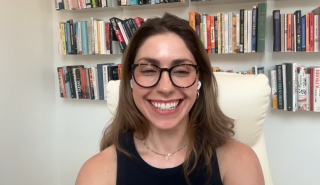
Are you unknowingly breaking the law by paying a commission to someone helping you raise capital? Wendy Culbertson, a securities lawyer, warns that many startup founders are violating SEC rules by paying "finders" who are not registered broker-dealers. In this interview, she explains the severe consequences of these illegal payouts, including civil and criminal liability. Wendy breaks down the complex world of SEC regulations, explaining the critical differences between Regulation D (506b vs 506c), Regulation A (Mini-IPO), and Crowdfunding (Reg CF). She also reveals the "safe harbor" strategies for hiring internal investor relations staff without triggering regulatory action and why founders should think twice before handling filings themselves.
Guest
Wendy Culbertson
Securities Attorney, Securities Lawyer
Chapters
Full Transcript
Sean Weisbrot: How many startup founders raising money in the US are breaking the law?
Wendy Culbertson: Probably a lot. Um, it's a very, when it comes to securities and capital raising, um, or raising capital in relation to securities, it's a very easy, um, rule to violate.
Sean Weisbrot: Why is that?
Wendy Culbertson: I think it's because, um, a lot, there are a lot, a lot of players who would reach out to the issuers the moment that they know that let's say you are a company or a C-level, um, and you are raising capital.
Wendy Culbertson: A lot of people are soliciting these, um, C-level companies.
Wendy Culbertson: Um, hey, I can introduce you to a set of investors and, um.
Wendy Culbertson: Majority of these issuers don't even know that. Yep. You can pay them.
Wendy Culbertson: But there is a certain extent to that under the Securities Exchange Act.
Wendy Culbertson: Um, and even FINRA rules, um, and a lot of these issuers raising capital, all they hear is like, oh, they're gonna help us raise that capital.
Wendy Culbertson: Um. Faster and finish our round really fast so they just like go with it.
Wendy Culbertson: Um, without really looking into, um, what is, what can they pay and what are the thresholds under the securities law.
Sean Weisbrot: Hey, business leaders and marketers. What if your brand could be featured right here?
Sean Weisbrot: This ad spot could be yours.
Sean Weisbrot: This channel is watched by a dedicated audience of ambitious founders, executives, and professionals who are actively looking for tools and services to help their business grow.
Sean Weisbrot: If you wanna put your brand in front of this highly dedicated audience, that's difficult to reach.
Sean Weisbrot: I'm currently looking for a few strategic partners for the channel.
Sean Weisbrot: To learn more about sponsorship opportunities, click the link in the description. Let's go together.
Sean Weisbrot: So I think something that a lot of startups aren't aware of is the no success fee versus like consulting fee type.
Sean Weisbrot: And when I was raising money many years ago for my startup, I found someone who was what's known as an FA, a financial advisor, or at least that's what he called himself.
Sean Weisbrot: And he said, you know, pay me for my travel expenses and what whatnot.
Sean Weisbrot: I'll provide you all the receipts and you know, I'll be going to investors, meeting them in person and, and I'll pitch you.
Sean Weisbrot: And I was like, okay, fine. $40,000 later, I had $0 in my bank account through his efforts.
Sean Weisbrot: So I know why a lot of startups don't wanna work with someone like that because there's no guarantee of success.
Sean Weisbrot: But then the problem with a lot of the people that solicit these startups you are saying was if they aren't licensed, they're breaking the law and they're causing the founder to break the law by paying them a success fee.
Wendy Culbertson: Correct. That is a really good point.
Wendy Culbertson: You know, um, actually, let's step back a little bit, right?
Wendy Culbertson: Um, because, um, when a company or an issuer raise capital, right?
Wendy Culbertson: Um, are, are they raising securities or is that a securities transaction?
Wendy Culbertson: Some of the companies are raising capital in a way of notes, um, like a. Just a purely promissory note.
Wendy Culbertson: Um, again, it, it really depends on the substance. Um, double check with your secur, uh, your corporate or securities attorney.
Wendy Culbertson: Um, but so long as the transaction has a securities or a share involved, more likely it is a security.
Wendy Culbertson: Um, and like. Um, investors, or I'm sorry, uh, issuers companies are trying to raise capital and then they're solicited.
Wendy Culbertson: Like, it, it really becomes more, um, enticing because like, oh, I only pay them if they give me a result.
Wendy Culbertson: So it's, it's a result based transaction, right? And a lot of us make sense.
Wendy Culbertson: I mean, I think that the generation is gearing towards that results based, um, transaction or compensation and, but unfortunately, um.
Wendy Culbertson: Securities Exchange Act has not really caught up to that.
Wendy Culbertson: There was a proposal in 2020 to loosen up the finder's fee or a finder's exemption.
Wendy Culbertson: It wasn't really finalized, and I think about Q3. Q3 of this year, 2025, the SEC is starting to, um, revisit that proposal.
Wendy Culbertson: Um, so I don't know if that gets passed then maybe it's a lot better.
Wendy Culbertson: But so far as now the, the rule stands is that under section 15 a, one of the 34 Act, um, you cannot pay someone, um, that.
Wendy Culbertson: Is not a broker dealer. Sorry. You cannot pay someone, um, who is, uh, you.
Wendy Culbertson: Sorry, you can, you cannot compensate them for a certain fee that should have been paid to a broker dealer or if it is, uh, an illegal, um, under the, the rule.
Wendy Culbertson: And going back to that, what is the definition of a broker?
Wendy Culbertson: A broker, um, and then it, it was defined as any other person who was affecting a securities transaction that is not for their, um, individual purpose.
Wendy Culbertson: So most likely, if someone is. Asking you like, Hey, I'm gonna help you raise capital.
Wendy Culbertson: Um, and it's not for yourself, then you are violating and, and, and, and if you are not registered, you are violating that rule.
Wendy Culbertson: Um, on the other hand, there are a lot of exemption just in, in that statement or in that rule.
Wendy Culbertson: One is if you are an employee of the.
Wendy Culbertson: Companies raising capital, and so long as there's also another, you know, sub layer of exemptions there.
Wendy Culbertson: Um, if you are not being paid an exempt, uh, sorry, a commission or meaning per percentage base out of the capra, uh, capital raised, then you can be, um, that's, that's one of the exemption.
Wendy Culbertson: Um, and then so long as, um, you are not doing it for another person, so if you are doing it for yourself.
Wendy Culbertson: More likely it's not a violation. Um, so those, those are like the top two.
Wendy Culbertson: Um, classic example of a safe harbor or an exemption under that broker definition or broker com commission, uh, compensation.
Wendy Culbertson: Um, but yeah, going back to what you said, um.
Wendy Culbertson: There's a lot of people soliciting issuers and like, Hey, I'm gonna help you raise capital.
Wendy Culbertson: Actually, around, um, COVID season 20 20, 20 21, there's a huge action that the SEC have.
Wendy Culbertson: Sued and filed other people, I mean, sued people because of, um, failure to reg.
Wendy Culbertson: They are acting as a broker dealer and they failed to register as a broker dealer.
Wendy Culbertson: Some of those litigation right now are either dismissed or they've settled.
Wendy Culbertson: Um, so there's like a good precedent cases to understand how to not violate that rule and how you can violate that rule.
Sean Weisbrot: You had mentioned something really interesting, which was if you're an employee of the company, you can raise, and so what if someone who's not licensed.
Sean Weisbrot: Says, Hey, why don't you sign an employment agreement with me?
Sean Weisbrot: Make your, make me your employee, but you don't pay me anything.
Sean Weisbrot: Or like, you, you hold off my payment because I'm like an intern with you for the first few months.
Sean Weisbrot: And, you know, uh, I'll only if you confirm my employment, then I start getting paid, you know, within air quotes.
Wendy Culbertson: Yes, I think that's a really good structure, right?
Wendy Culbertson: Um, you can hire someone like, Hey, help me raise capital.
Wendy Culbertson: That's gonna be your solely, um, sole responsibility and more, more.
Wendy Culbertson: So these are, um, in my head, uh, closely the, the investor relations, um, employee of the company, um, trying to raise capital if you hire them, um, and promise them a certain salary, like because this is your job or something like that.
Wendy Culbertson: Um, that's one of the safe harbors that's being provided under the Securities Exchange Act.
Wendy Culbertson: Um, although that's the, the only, the key and the, the, the pillar that not to of, not to the pillar to avoid really is that, um, do not pay them based off personage of the capital being raised.
Wendy Culbertson: Um, if there is like a bonus structure, like let's say, hey, if we hit.
Wendy Culbertson: Uh, let's say the company's trying to raise a million dollar, that's the maximum and the minimum, let's say $500,000.
Wendy Culbertson: You can tell your employee, Hey, if we met meet, um, $500,000, the minimum capital being raised, then I'll give you a certain percentage of, uh, you know, of that bonus or something like that.
Wendy Culbertson: Then that's your, you're closely triggering that. Um, is it a commission based? Right? Um, but if you just say.
Wendy Culbertson: Like, I'm gonna give you a flat fee of a bonus if we hit that 50,000 mark and or a certain mark like milestones that the company is being raised.
Wendy Culbertson: Um, that could not be, although that's just one of the many factors to look at.
Wendy Culbertson: So I'll always recommend to, um. Not only look at that, but also look at the other circumstances around it to make sure that you are really not, um, crossing that line and you are within the purview and within the box of not violating the law.
Sean Weisbrot: What if instead of them paying you a salary while you're doing your investor relations work, but haven't raised anything, they pay you in share.
Wendy Culbertson: Okay. Um, they can, and companies do that all the time. They pay people in shares. Right.
Wendy Culbertson: Um, and my, um, to, I always go back to that key rule is this, uh, is the calculation of the shares or how did the company determine, um, how much shares they're going to issue or award their, this employee?
Wendy Culbertson: Is it based off of, um, their performance then good.
Wendy Culbertson: But if it's always, and if, if it. Ultimately ties into, um, how much capital is raised.
Wendy Culbertson: Then there's like a question and, and have a, we need to have a thorough look into, okay, um, is this really a violation or not?
Wendy Culbertson: Or is this, does this meet the safe harbor exemption?
Sean Weisbrot: So you, you had just mentioned when you're looking at three to 5 million or higher, you're probably, uh, going to trigger Reg D.
Sean Weisbrot: I don't know anything about it. I've heard it a number of times, but I've never looked into the law.
Sean Weisbrot: So what is the point at which a startup has to file that for a fundraise?
Sean Weisbrot: 'cause I was under the impression that it was even like at a prese when when you start to talk to VCs, when you start to, to move away from angel investors, you have to file, or maybe even for angels, you have to file.
Sean Weisbrot: So that would be great to clarify.
Wendy Culbertson: Yes. Um, so we mentioned earlier, right?
Wendy Culbertson: Um, we have to first identify what is, um, the capital raising event. What, what is the structure?
Wendy Culbertson: What is the structure that the issuer is trying to, to do here?
Wendy Culbertson: Um, and let's say they're purely just, Hey, I am going to lend money from you right now, and I'm going to promise to pay you later.
Wendy Culbertson: So that's a purely promissory note. Um, it's not a securities related, right?
Wendy Culbertson: Um, but sometimes even though they do that, um, companies are tedious enough to provide like, you know, a good pitch deck, a good, um, business plan basically to their investors or potential lenders.
Wendy Culbertson: Um, but the moment that you are having a securities transaction.
Wendy Culbertson: Basically the bar gets heightened. Um, and, uh, you have to disclose a lot more to your potential investors or investors.
Wendy Culbertson: Um, I would first look at how much the company is trying to raise and based off of that, okay, you're just trying to raise, let's say $3 million, might maybe just consider regulation crowdfunding.
Wendy Culbertson: Um. And you this a, a classic example of that, uh, are your Kickstarter, right?
Wendy Culbertson: Um, and that's like a, a crowdfunding. Um, just, just do that.
Wendy Culbertson: But let's say they go up to, oh, we wanna raise like five to $10 million. Okay.
Wendy Culbertson: We might look into regulation D. Um. And mind that the regulation and crowdfunding it, it became, um, very famous.
Wendy Culbertson: The crowding and crowdfunding, that terminology became really famous. But when you go to Regulation D, um.
Wendy Culbertson: There's a lot more capital raising terminology that they use. Is it a seed funding? Is it a series A?
Wendy Culbertson: Um, series B and so on. Um, a lot of times it becomes a label, like a fancy label or an interesting label.
Wendy Culbertson: It's, it's good because it signals to your investors, like, oh, if you say Series C, oh, they're probably on their third, fourth, depending if they skip the family.
Wendy Culbertson: Friends race, uh, around, right? Um, so it, it quickly signals that you are on the third or fourth round of your capital race for the company.
Wendy Culbertson: Um, it could signal stability.
Wendy Culbertson: It could signal like you're really growing and so now you need to step up to the next, um.
Wendy Culbertson: Um, stage of your business, something like that. But in the back end, from a regulatory perspective, are we still doing that as a regulation, cf, or are we doing as a regulation D?
Wendy Culbertson: Um, and then if we determine those two, or it could be a regulation, A two, um, regulation and crowdfunding, they have a certain minimum.
Wendy Culbertson: And then all, you have to file that with the SEC. First.
Wendy Culbertson: You have to file a form C first with the SEC.
Wendy Culbertson: After you file that, then you can start raising capital. Um.
Wendy Culbertson: Then regulation D, you can start drafting your pitch deck, offering memorandum, get that out to your investor.
Wendy Culbertson: You don't have to file anything with the SCC until, um, 15 days from the first day, from the fir, from the first investment that you receive from your investor.
Wendy Culbertson: Let's say you're trying to raise $10 million and you receive, um, $10,000 from your investor. Um.
Wendy Culbertson: That's the, that's the countdown. That's when the countdown starts.
Wendy Culbertson: Um, then you have to file a Form D with the SCC.
Wendy Culbertson: It's just a quick form, like hand rising capital, da, da da. And this is the amount I've received.
Wendy Culbertson: And then you can update that later. Um, so that's form D. And then the Form D has different tiers.
Wendy Culbertson: Um, there is a 5 0 6 C, 5 0 6 B, and a 5 0 6 C, which basically determines that.
Wendy Culbertson: Are you targeting up. Uh, non-accredited as well, or are you just targeting all accredited investors?
Wendy Culbertson: Then you're on the 5 0 6 C. Um, and depending on that as well, um, the 5 0 6 B, which you are targeting a certain number, 35 non-accredited investors, um, the level of disclosure is higher.
Wendy Culbertson: Like there's a higher bar to that. Um, and versus, um, the 5 0 6 c.
Wendy Culbertson: Which the level of disclosures could be a little bit lesser heightened because these are sophisticated and, um, accredited investors basically in the knowledge of, in the mind of the SEC.
Wendy Culbertson: They know what they're doing. Also, you have to, um, uh, consider the, um.
Wendy Culbertson: Do you want to advertise this on social media or not?
Wendy Culbertson: Um, the 5 0 6 C um, allows you to have that advertisement, but still be ra.
Wendy Culbertson: Be very careful on what you advertise out there and how. Um, so those are the.
Wendy Culbertson: The differences between on high level the crowdfunding, the Reg D, and then the Reg A is pretty much, we call it, sometimes we call it the mini IPO.
Wendy Culbertson: There's a tier one and a tier two, more likely a tier one.
Wendy Culbertson: You're targeting a certain states, you're only raising in a certain states, and then tier two you are, um.
Wendy Culbertson: Most likely offering this to the entire states of the United States. You can include the territories as well.
Wendy Culbertson: Um, they're also, they also varied on the maximum amount that you're trying to raise.
Wendy Culbertson: And regulation A requires that you file, um, something with the SEC first, that they have to approve it and qualify.
Wendy Culbertson: Um, then after the qualification, then you can start raising capital with, uh, or you can send the, the.
Wendy Culbertson: Offering memorandum and perspectives to your, um, investors or potential investors?
Wendy Culbertson: Similar with, um, IPO. The only difference between a Reg A and an IPO or Form S one is that the IPO does not have a limit of how much you want to raise.
Wendy Culbertson: You can raise a hundred million dollars or a billion dollars, that's not a problem as long as you do the, um, form S one or we call IPO.
Sean Weisbrot: That is a lot of information to digest.
Sean Weisbrot: I'm surprised that they call an equity fund an an equity fundraising event, reg D, but they call a crowdfunding event, reg cf.
Sean Weisbrot: So they got that one right. But why didn't they call it Reg E and then instead of Reg A, reg I for IPO,
Wendy Culbertson: right. I think it's just, um. Actually Reg Regulation D was created first, or was finalized first, and then the regulation crowdfunding was created together with a jobs act.
Wendy Culbertson: Um, so it was a little bit more later and newer, um, maybe big.
Wendy Culbertson: There is no regulation C at that time, so they just inserted in there. Um, but good call.
Wendy Culbertson: I. I have, I don't know the lo logic behind the SEC creating that.
Wendy Culbertson: Um, but the first rule, the, the ultimate and first rule is the IPO.
Wendy Culbertson: That's when you file the Form S one and, and any.
Wendy Culbertson: All of the umbrella rule, um, for securities, uh, exchange Act is if you are raising capital, it has to be registered with the SEC.
Wendy Culbertson: That's like the, um, umbrella and golden rule. That's the first rule that you follow. Then, um, the SEC started.
Wendy Culbertson: Loosening up that rule that they said, oh, you don't have to file a Form S one if you meet these exemptions.
Wendy Culbertson: And those are some of the exemptions. Um, but not all, because there are also specific exemptions for sophisticated, um, investors.
Sean Weisbrot: I'm surprised that you, for the, I'm surprised that for startup founders.
Sean Weisbrot: They don't have to submit the form until after they receive their first money.
Sean Weisbrot: I feel like that's something that should be more highly regulated in that you file the form to tell the SEC, even though I'm a private company, this is my plan because I'm targeting accredited or non-accredited investors.
Sean Weisbrot: And then they go, yeah, you're good. And then go.
Sean Weisbrot: Maybe it's because they don't wanna prevent them from being able to get started.
Wendy Culbertson: Um, that is actually a really good question, and thank you for asking that.
Wendy Culbertson: Um, so the regulation, the, the initial thought is like, that's the other term for regulation.
Wendy Culbertson: These PPM private placement memorandum, which is private and confidential.
Wendy Culbertson: Technically, if a, uh, an issuer. Shared the PPM or they're offering memorandum with an investor.
Wendy Culbertson: Um, the common consensus is that that's purely confidential. You cannot release that to anyone else unless the issuer agrees or they, you know, are, are the ones who are sharing that, um, information with you.
Wendy Culbertson: Um.
Wendy Culbertson: And so the, the thought is like, okay, this is purely private. You don't have to disclose anything.
Wendy Culbertson: Something like that with the SEC. Um, so that's the federal level. You also have to look at state level.
Wendy Culbertson: Each state requires, lemme rephrase that. Each state have their own different rule when it comes to regulation D or private placements.
Wendy Culbertson: Um, which, uh, the other term for state law is blue sky. Um.
Wendy Culbertson: Um, California will have, California state will have a different blue sky law when it comes to private placement management or capital racing versus Florida.
Wendy Culbertson: Um, maybe Texas, I'm, I'm just making this up, maybe Texas Blue Sky Law says like, okay, we don't have any rule for you, but just follow the federal rule and we're okay with that.
Wendy Culbertson: Um. California says like, okay, the moment that you raise a capital, you receive a, an investment from an investor who lives in California for more than $250,000, then that's when you have to file something with us.
Wendy Culbertson: Um, it's usually the California Securities, um, commission, something like that.
Wendy Culbertson: Um, in some states it's, um, under the Secretary of State office.
Wendy Culbertson: Um, so it just depends on each state. Um, then you would just have to look at that.
Wendy Culbertson: Um, so I think the, and this is also almost always, um, forgotten, and there's always a debate to it because if you think about it, there is a rule that the federal law preempts state law, um, but.
Wendy Culbertson: Sometimes push comes to sho shove.
Wendy Culbertson: If, if litigation happens, um, the state will enforce their, um, blue sky law when it comes to protecting the interest of the investor.
Wendy Culbertson: So, in short, what I'm trying to say here and your question is, is really smart that, um, okay, I'm, let's say I'm the company trying to raise capital.
Wendy Culbertson: I don't have any, uh, I, I don't have to.
Wendy Culbertson: Disclose anything to the SEC. So who even knows what I have disclosed to my investor is.
Wendy Culbertson: Neutral or following the regulation sx. Basically there's a guideline on how to draft it and basically the high level is that it should be easier to understand.
Wendy Culbertson: Um, there is no hidden agenda in your disclosures and you should be as transparent as you can be, stuff like that.
Wendy Culbertson: Um, because it didn't go through the ice of the SEC.
Wendy Culbertson: Who knows if your PPM really meets that, you know, transparency and stuff like that. Um, so.
Wendy Culbertson: One of the ways that this really bubbles up is when your investors are not happy.
Wendy Culbertson: They invested the money on you, and now they're not happy with how the company's being run, that the company is not making money, and so on.
Wendy Culbertson: And that's when all this could surface up. And. Um, yeah, the state level securities office or commissioner agency, um, could be involved and or the SEC could start looking into it as well.
Wendy Culbertson: Hmm.
Sean Weisbrot: Is this filing something that a founder can do on their own, or do they really need a lawyer's help to do?
Wendy Culbertson: Um, I've definitely seen founders who, um, have done on their own, and these are the founders that have experience.
Wendy Culbertson: Let's say maybe they worked in a bigger company and they have seen the ways, how it's done, and they can do that themselves.
Wendy Culbertson: Um. But my strong opinion is that if you are just so focused, capital raising activity is so tedious, as you know, right?
Wendy Culbertson: There's a lot. And then there's a lot of stress because, um, for a company, man, I'm really shooting to, to receive that 250 grand by this month, um, because I want, or I promised my suppliers or something like that, that I'm gonna buy their goods and stuff like that.
Wendy Culbertson: So, um. A lot of times when a, you know, when the officers of the company, they're just so bogged down and so stressed out with just running the business themselves.
Wendy Culbertson: My strong opinion is to always just hire someone to worry that for you.
Wendy Culbertson: Because if you have so many things on your plate, it becomes unmanageable.
Wendy Culbertson: Now it's a different story if the startup is, um, at, um, ideation stage or idea stage that, um, they needed.
Wendy Culbertson: Money first before they can do anything else. Um, then it could be a different story, right?
Wendy Culbertson: That they, they really have in the right mind to handle everything.
Wendy Culbertson: Um, and so as long as they know how to do it properly and correctly, then they've done their research and um, they've consulted with other people and there's so many startup, um, support out there.
Wendy Culbertson: Um, who guides in, um, officers how to do it then? Sure. Definitely. You can do it yourself.
Sean Weisbrot: Is there anything I haven't asked you that you feel we would be missing out on if you didn't share?
Wendy Culbertson: If, let's say an issuer, um, gets solicited by a, an unregistered broker dealer and they paid them in commission per the rules, but they are, this person is not registered broker dealer, um, it could result to regulatory action, civil and potentially criminal action of aiding and abetting.
Wendy Culbertson: Um, so just be mindful of, um. Who is reaching out and what qualifications do they have?
Wendy Culbertson: Um, and always double check.
Sean Weisbrot: Thanks for watching. If you liked this insight, I've handpicked another video for you right here on the screen.
Sean Weisbrot: For more actionable strategies that get you real results, hit subscribe.