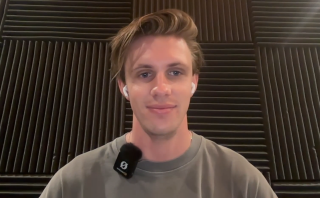
The Secret to Fundraising: Only Ask for Money When You Don't Need It
It's the central paradox every founder needs to understand. This video reveals The Secret to Fundraising: Only Ask for Money When You Don't Need It. Nick Spiller, a Venture Principal at Capital Factory, pulls back the curtain on the world of venture capital, explaining why investors are most attracted to startups that don't actually need their money.
Guest
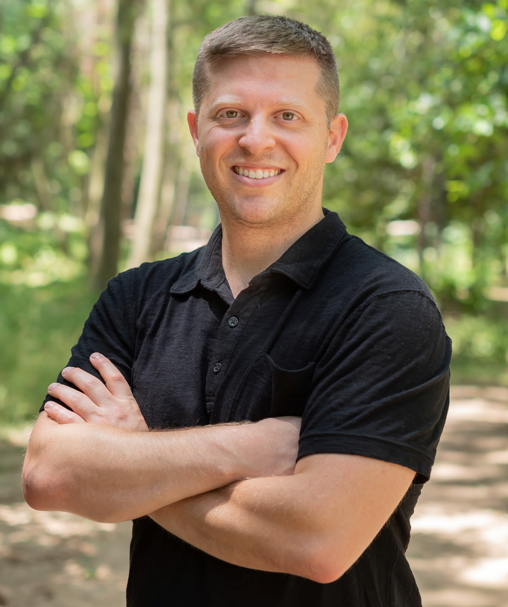
Nick Spiller
Venture Principal, Capital Factory
Chapters
Full Transcript
Sean Weisbrot: Welcome back to another episode of the We Live To Build podcast. This is 135 with Nick Jordan. He is the founder and CEO of narrative.io, which helps companies acquire and monetize data efficiently. I was interested in having a conversation with him because he has a lot of experience as a CEO, and in this year I'm trying to go a little bit more in depth in the psychology side of entrepreneurship, and so I wanted to talk with him about the nuances of being a CEO, the pros and the cons and everything else in between. So thank you for taking the time to talk with me. Why don't you tell everyone a little bit more about narrative and. We will go from there.
Nick Spiller: Narratives a software company, so you know, tech technology driven, the real focus is making that easier for companies to buy, sell, and share data with each other. You know, if, if data is the new oil, which is a, an analogy that I loathe, but I will repeat, uh, because everyone's heard it, uh, you know, there needs to be markets around that oil. That oil needs to be. Shared, uh, uh, amongst different companies that can refine it in different ways historically, that that sharing of data has been labor intensive or, uh, incredibly friction. And so we build software and give it to, to companies to, to make that whole process easier.
Sean Weisbrot: And what made you interested in being a part of this kind of a. Company.
Nick Spiller: Yeah. In my previous company I ran product management and we were both a big acquirer as well as a, a company that sold data. Uh, and both sides of that equation were broken. And you know, I looked around and said, well, data's, data's not going away. You know, the world is becoming more data dependent and certainly, you know, sharing data across companies is gonna become more prevalent. And if it's this broken for me when I'm having this problem today, certainly others are having this problem. I actually. Maybe naively assumed that someone had solved the problem, and I just needed to look harder to find the solution. And the more I looked to the less solution I found, and at the end of the day I said, you know, I, I think there are ways that this problem can be solved. I spent some time, you know, building, building out those sort of on paper. And then once I was convinced there was a solution there, went on to build it. So I, I like to say that it would've been my own first customer. Uh, because, you know, I, I solved a, a problem that, that I, I lived through.
Sean Weisbrot: And so how long have you been running this company?
Nick Spiller: So if the company was founded in 2016, I think, although I'll say, you know, there was probably a year period where it was just me and, you know, some notebooks and, you know, it was, you know, it didn't look or act or feel like a company, although we were incorporated in Delaware. Probably 2017 when we hired our, our first employees. And it was probably some time in 2018, late 2018, early 2019 when we were actually in market selling a product.
Sean Weisbrot: And what has been one of the hardest decisions you've had to make while running this business?
Nick Spiller: There were two points that I had the, the most agony in the business. I think the first was the first outside money that we raised. You know, suddenly when I wasn't just. You know, just wasting my own time and money and potentially, you know, someone else's money was, was, uh, involved. That was very scary. And then again, when we, when we hired our first employee, suddenly, you know, I was taking, you know, someone that was very skilled and very good and having them come work at a, at a company and, and, you know, early stages of a company, you still don't know if they're gonna succeed. And, and by all rights, most startups, you know, shouldn't succeed or won't succeed. So that was certainly scary. And then, you know, along the ways we, uh, we've done, uh, you know, a couple of layoffs, you know, around COVID and around some economic turmoil. And, and those decisions are, are always hard because it's not, you know, it's not a spreadsheet. Certainly you can use spreadsheets to help you make the decisions, but at the end of the day, you're, you're impacting people's lives and, you know, that's, uh, those are always really hard things to do as a, as a founder, as an operator.
Sean Weisbrot: Beyond that, what are some other things that you didn't know? Being a CEO would be like, like, um, I guess what, what was the romanticization versus the reality?
Nick Spiller: I don't know that it was ever that romantic for me, if I'm being honest. Like I, I never wanted to be an entrepreneur. Like that wasn't my goal. I know there's a lot of folks out there that I. Want to be a CEO, wanna be an entrepreneur, wanna start a company, and, and they, they kind of start with that, and then they go search for an idea where I very much was on the other side where I never really wanted to do that, but I had an idea that I thought needed to, to be worked on. And so that's how I became an entrepreneur. I'll say the one thing that I certainly wasn't prepared for, um, and in retrospect, this should be obvious or maybe it is obvious to people, it just wasn't obvious to me. But you know. Making a, a company successful requires sort of all the different teams, all of the different functional areas within the company to be successful, to do well, and to work with each other. Having come from a product management background, I thought product management was the center of the world. I thought if you build a great product, you know the rest is sort of ancillary. Uh, because you know, especially in technology companies, it's all about product, product, product. But in reality, you could have the best product in the world and no one knows about it and you're not gonna have successful company. Or you could have the best marketing in the world and everyone company, but you got nothing that anyone wants to buy. And. You could have, you know, great marketing and a, and a, a great product, but your sales team, you know, doesn't know how to go out there and get people to, to use the product or buy the product, and then it doesn't matter. So, you know, I, I think to the extent that you can think of a company as a symphony, you can't just have the string section or the woodwinds, or the percussion yet. They all have to play together to really work. And I, I didn't fully appreciate that until I started the company.
Sean Weisbrot: You didn't set out to be a, an entrepreneur, and it was a lot more difficult than you expected. What made you keep going? In those early days,
Nick Spiller: maybe I didn't know that there was an option to not keep going. And, and, uh, honestly, I still don't know that there's an option to not keep going. Uh, I was just listening to, to a, um, a podcast with Annie Duke who just wrote a book about quitting. And, you know, the broad thesis is people should quit more often. Right. You know, there, there's a, some costy if things aren't gonna work out. You know, perseverance doesn't win you anything. If, if the end result is, is, um, preordained. On the other side of the equation, there's books about grit and how gritty people succeed and how you really need to, you know, double down on things. And, and, you know, I, I think my personality certainly is, is in the former meaning that, you know, I, when I set out to do something, I, I tend to do it no matter how hard or how many setbacks there might be. I, I say it jokingly that I didn't know that I could quit. And I, I do think there is a little reality there, especially, you know, when you've raised money and you've hired people sort of walking away from that doesn't seem like a, like a really, uh, great option. And at the end of the day, people, you know, people say to me all the time, like, oh, you must, are you having fun? You know, are you having fun? You're running your own company and it's not fun. It's a job. Uh, and they call it a job for a reason. It may be. You know, the, the ideal for me for a job, you know, I'd rather be doing this job than almost any other job I've. That doesn't make it easy, that doesn't make it fun. That doesn't make it not a job, but it, you know, it, it makes it, you know, something that I'm passionate about doing and, and you know, something I'm glad is in my career now,
Sean Weisbrot: to be fair, I have spoken to other founders who love their, their daily existence. They love what they do. I.
Nick Spiller: I'm kind of a salty human being anyway. It's like if, like, if anyone, if I told them that I loved my existence in any form, would sort of look at me and ask me if I had a stroke. So I, you know, I, I think part of my personality is to be a little salty about things.
Sean Weisbrot: I've interviewed people that are like, you know, they're bootstrapped to profit 10 20 mil a year. 40 something, 50 something years old, having a blast. And then, you know, I've met some of the younger guys and women that are raising from investors and they're grinding for years before really seeing a result. And I think, I think it's that, that kind of drives us to think about quitting. I, I, I, I dunno, maybe it's investors. Maybe it's just the, the presence of investors in our lives and the fact that we're pushed to grow as fast as possible and strive for the biggest thing in the biggest piece of the market we possibly can. I think that is what maybe makes us salty people. I think it creates that, that mentality. 'cause the people I talk to that are boots up to profit, they're enjoying the shit outta themselves.
Nick Spiller: And I've had very successful runs at, at, at other companies where I wasn't the founder and you know, I wasn't necessarily all. You know, rainbows and puppy dogs there either. And so I, I do think it is at least partially my, my personality. Um, you know, I also like to think, you know, narrative by all, you know, uh, measures is, is doing, you know, much better than, you know, what I'll call a medium startup. And so it's not, it's not like, you know, we've, we've crashed and burned and I'm sitting there saying, I'm not gonna give up. I'm not gonna give up. Like, you know, I, I think there was no positive outcome. In the future, you know, I do think you have to find a way to, to cut and run and, you know, it actually probably benefits, you know, the investors and the employees and a bunch of people, you know, to do that early instead of dragging it out too long. Anyways, I just, I don't think we're there. I also don't think we're in the top one, one percentile of all companies either. You know, you know, there was a time before, you know, companies like Uber sort of came, came back down to Earth where they were having the time of their lives. You know, I don't know that a lot of great decisions were made, you know, at, at those points and those inflections at those companies either. So, you know, I, I've been told that I'm, I'm a better wartime CEO than a peacetime CEO. You know, when COVID hit. It felt like, you know, a reason to, you know, make the, you know, find a way to make the company more efficient and more effective. Um, you know, with the more recent sort of uncertainty around the economy, we have found ways to, again, sort of re-envision how the product might work to make us more efficient or to, to make, you know, sales a little bit easier for us. And so I like a challenge more than I, I think I like the, the easygoing, uh, and I, I don't know. I don't know that I would stick around frankly, if. You know, it, it, it became a business that was just sort of running itself and being massively successful. I, I, I like the pain.
Sean Weisbrot: I've been in the pain for years and I can say I do not like the pain. I'm tired of the pain because I ran a service business before. That was just pleasure. It was just so much fun and so much money. And then I jumped into a B2B SaaS and it's just been. Pain after pain for years.
Nick Spiller: There are mornings that if you were to talk to me, I, I'd probably be right, right there with you and actually. I, I lie, usually the mornings are pretty, uh, you know, I'm pretty optimistic in the morning and by the, you know, by the evening is when the, the pain really sets in and I'm much less optimistic about the world. Um, but, you know, I also, I live in, I live in the Northeast, uh, I live in a place that the, the weather is disgusting. Almost year round, you know, you get, you know, really cold weather in the winter. You get weather that's way too hot in the summer and you get like three weeks of good weather in the spring and fall. I like tell people, you know, I wouldn't appreciate the, the spring and the fall if I, you know, if I had great weather year round. Like, I, I think the pain helps you appreciate the, the pleasure if and when you can find it.
Sean Weisbrot: I've always tried to avoid the cold. Like I've, I was raised in Miami. I was in South Florida, north Florida for the first 18, 22 years. And then I was in Central China where it was freaking hot, like it was much hotter than South Florida. Um, but then the winters were below zero and snowing, which was hilarious. 'cause it's like a seven, or was it, I guess in, on Fahrenheit. There's like a 50, 60, 70 degree difference between the summer and the winter. Um, but I, I, I've tried to just stay in summertime, like areas.
Nick Spiller: I was born in December, uh, outside of Buffalo, New York. So I, I like to say that I was born in a blizzard and I'll probably die in one. So I, I used to love the cold weather. The older I get, I think the thinner my blood is, and I, I don't nearly enjoy it as, as much. But, um, I, I do, I'll take the cold any day over the hot, like you can only take off so many clothes. You can always layer, you can always layer more on.
Sean Weisbrot: I would rather sweat. Because you know that you're hot, you know that you're becoming dehy, dehydrated. You know you have to just drink water and there's a chance for shade. There's a chance for going inside. But if it's cold, you're freaking cold. And even if you put more layers on and. If that cold is the cold I'm used to, it gets in your bones and it doesn't matter what you're wearing, it's you're still gonna be cold in your bones and you just can't get rid of that cold. And that to me is misery. The people
Nick Spiller: in San Diego are listening to this saying, you know, you, you can have it both. You don't, you don't have to have the cold or the warm. You can just be in San Diego and it'll be 68 degrees, year round,
Sean Weisbrot: 60
Nick Spiller: eight's not too bad, but
Sean Weisbrot: I'm, I'm happier in 75
Nick Spiller: to 80 in the seventies is where I start to break down as a, as a human. I, I run a lot. And like running in the seventies is, is not for me.
Sean Weisbrot: What is your biggest fear?
Nick Spiller: Dying. Okay. Not, not metaphorically, physically dying. I'm, I'm a, I'm an atheist and so I, you know, I think my biggest fear is ceasing to exist and, and I not a, not a big believer that there's something that happens after the, the, the heart and the brain stop, and so I'm trying to prevent that at all costs.
Sean Weisbrot: I agree with you. I mean, I, I feel the same way about. That I also am a, a scientist in a way where I love astronomy, quantum physics. I try my best to keep up with what's going on and to research in, there's like a pretty high chance that we're living in a simulation, which means if we are living in a simulation, when we die, did it even really matter? Is there another instance that we are not aware of where we're simultaneously existing in that other instance of this simulation? You know, maybe that's an afterlife is Oh, the, this instance is done. It's run its course. Let's do it. Let's try it again and see if something's different this time.
Nick Spiller: I stopped playing the sims 15 years ago and I never turned it back on. So if, if those sims were simulations and, and sentient beings, they're, they're, they're long since gone and in a landfill, unfortunately for them. Well,
Sean Weisbrot: I mean, yeah, you probably shouldn't think about it like that.
Nick Spiller: I mean, I, I kind of agree with the point, like matter I matters. Whether we're a simulation or if this isn't a simulation. And, and I also agree with you, there's, you know, there's a whole bunch of things that we don't understand about the multiverse and, and, you know, consciousness generally. And, and, and, and I was agnostic because I would say I, you know, I don't know any more than anyone else knows, so I'll sort of leave my options open to, to everything. And I'm still, you know, I'm hopeful that there's, you know, uh, in existence in, in some form or another that. That is out there. Although I don't know that I'm particularly, you know, I, I, I wouldn't call myself a believer. And as a non-believer, it always leaves that fear of death. Uh, in the back of my mind,
Sean Weisbrot: if we are in a simulation and we do die, you know, our, our next life could be a, a next run of the simulation.
Nick Spiller: It's almost a Buddhist philosophy a little bit, you know, between reincarnation and, you know, the soul and there's, there are, there are, there are
Sean Weisbrot: parallels to that. If our existence is, are is a bunch of lines of code then is there really something such as a soul? Yeah, well I've written
Nick Spiller: a lot of code and I'd say some of it's pretty soulful. So maybe
Sean Weisbrot: I'm not a coder, so
Nick Spiller: most of my code has it barely compiled. Much less could be considered to have a sole.
Sean Weisbrot: What's been one of the more expensive mistakes that you've made
Nick Spiller: early on in a, in a company, you're always looking for, you know, the famous product market fit. Um. I'm still not fully sure that I, I could, I could define what that is, you know, but you're basically saying that, you know, your sales motion, your go to market, your growth, you know, can be templatized in some ways. Right? Where you know, there, there, there's a need. You've got a product, you've got process, and you can, it's all repeatable. I think there's a, there's an urge, especially for venture-backed companies to say that you have product market fit, because that makes it easier to fundraise. And one of the things that you do when you have product market fit is you go, you know, you go invest in the company because you think if everything's repeatable, if you can put in a dollar and get out $2 and you go put in a million dollars, you get out $2 million. And you know, if it works like that, you know, every, everything would be great. Unfortunately, if you don't have that product market fit, if things aren't repeatable and you start investing in the company too soon, or before you have that, you put in a dollar and you get out 20 cents. Uh, and certainly the more dollars you put in, the more money you lose. And it's not one of those things that you can make up at, you know, with just, just by scaling the amount of money that you lose. Um, and, and, you know, we've done that. Not, you know, to our death. But we've done that a couple of times where we've, you know, effectively invested before we probably should have invested in, in, in some areas. Um, so that's one thing. We, our entire product lives in the cloud. We use a WF. There have been a number of of times where, you know, we've. Not made, you know, any single moment of, of mistake where our AWS bill has gone up significantly. But, you know, basically where we, you know, we stopped optimizing for costs on the technology side, and, and our costs got away from us a, a little bit. And it tends to be, you know, one month, you know, you, you're, you look at what you're, you're, you're being charged and you realize it's, you know, 30% more than it was the previous month. And, and you kind of have to eat that cost, but then you have to go back and figure out how to, how to, you know, bring those costs back down, which means you're not investing in, you know, new functionality or new capabilities. And so that's happened a couple of times. Again, nothing, nothing, um, to the point where it, it, it put the company in jeopardy, but certainly. You know, just either being too optimistic about our growth and investing into it, or not being as diligent as we needed to be. On, on the cost side.
Sean Weisbrot: What has been the most expensive AWS bill? We got
Nick Spiller: 95 grand one month, I think is probably the peak of our, of our AWS bill. Um, the good news is I think we have the AWS bill has gone down every month for the last six months. Last month, uh, being December of 2022, we were under $50,000, so, you know, nearly 50% off our. Our high watermark. Um, and in the amount of time that we brought it down from the a hundred K to 50 K, we've probably doubled revenue. So we've halved, uh, AWS costs while doubling revenue. Uh, and, and, and, you know, obviously gross margin, you know, becomes much better when you do that. And we think there's still a lot of, um. Uh, a lot of optimizations to, to be made and, and we think we can continue to grow revenue this year, 2023, you know, the plan has us growing by almost doubling revenue. We think AWS costs year over year are gonna be roughly flat. So we're, we're, we're, we've not only learned our lesson, we've, we've gotten really good at, at, you know, the dark arc of, of squeezing the most out of AWS Why is it so expensive? There's a massive amount of data. I mean, we are storing, you know, somewhere between five and and 10 petabytes of data on the platform. Much of that data is processed, not just, you know, once but many times on behalf of our customers. And so, you know, we we're a technology company and we're a technology company that is very focused on data and, and data at real scale. Um, we actually, you know, in, in the grand scheme of things, if you look at all the things we do, we're actually, we're, we're, we're, we're pretty efficient with it, but we're not, you know, I always, it's not that I laugh, I always somewhere between roll my eyes and feel sorry for people that talk about their AWS bills that are. $5,000 a month when they're, you know, they have a, a SaaS platform that, let's say, has nothing to do with data at all. It's not that $5,000 is a trivial amount of money, but it's, you know, I think at that level you're, you're able to be a little bit more inefficient because, you know, the difference between $5,000 and $6,000 is probably not a huge difference to the business. I think, you know, when you get to our scale, and I'm sure there's people that. Large companies that are spending, you know, $5 million a month with AWS that are laughing at me. But it, you know, it, it starts to get real, especially for a, a venture backed company that, you know, doesn't have a, a massive war chest in the bank.
Sean Weisbrot: I want to talk about ad spend real fast. I know companies like, uh, e-commerce brands, agencies, uh, they often are probably one of the largest spenders. Um, although click clickup, I've seen like. Uh, ads for them on billboards, like on the highway, which I think is incredible. Um, since it's like, you know, a tech company, what, if any, do you guys spend on ads to try to get people coming in?
Nick Spiller: My guess is our, our monthly spend is probably less than a thousand dollars on, on Google. So it's not nothing, but in the grand scheme of things, it's basically nothing.
Sean Weisbrot: I've talked to some brands that are spending like 50,000 a day, a hundred thousand a day. So that's why I'm just curious. I, I've never really talked to SaaS brands about their spend, but I always imagine that they're not really spending like that.
Nick Spiller: I think you have to buy sort of your, your, your, your, your brand keywords. I think you have to buy sort of like the core components of what you do. Um, you know, even if you're a, the biggest of, of SaaS companies, like a, like a, you know, a HubSpot or a Salesforce. Just not as many people are searching for CRM as they're searching for a lot of the consumer keywords, and so it's really hard to drive, you know, those numbers too high. Um, but certainly, you know, those companies do a very good job, not just on the pay side, but on, on, on organic search. I mean, you, I'm a hard, as a, as a SaaS, CEOI am hard pressed to search for anything about building a SaaS business and not end up on a, on a blog post on the HubSpot website. So whoever's doing their, their organic strategy is, is doing an amazing job, I will say. We do get a lot of ROI from Google. Even, even with our middle spend, the people that come in from Google, you know, tend to be looking for something very specific and to the extent that we buy a limited number of keywords, you know, they, they match up the, you know, intent with, with the, the brand very well, which is why that is one of the channels that, that we do spend on.
Sean Weisbrot: How do you spend your days mostly now?
Nick Spiller: Well, I've read this article. Three years ago about how Jack Dorsey spends his days and I think this was before he was a dual CEO, and maybe before he went a little bit off the deep end with some of the things he went off the deep end with and you know, he was like, I have a day of the week where I spend it on marketing. I have a day of the week that I spend it on sales and I have a day of the week I spend on product and engineering. And you know, he kind of had broken his week up into the major functional areas and I'm like, that sounds like a great idea. I should do that. Uh, that didn't work at all. So that's not how I spend my day, is to have one day for each of those, those various areas. You know, what I've started doing is, is basically laying out goals for every week, the things that I, that I want to get done, uh, and depending on what those goals are. So we're, we're starting to do a fundraise right now, and so it's reaching back out to, to investors that I've talked to historically and getting time on their calendar. So the goal for this week is to set up 25 of those emails and, and get those, get those meetings scheduled. So I'm spending a lot of time. Sort of, you know, sending out those emails, but also preparing all the materials for those meetings when, when they get started. Um, you know, next week it may be actually doing those meetings. The week after that it may be, it may be something else. And then, you know, around that there's the smattering of everything else. And so I have a product management background and I'm still pretty involved on sort of the product and product strategy side. So making sure that I. We're pointed in the right direction to, to go fulfill what the, the long-term vision is for the company. Um, you know, I'm often brought into customer and sales meetings to the extent that I can, you know, I can be beneficial there. So I'll spend some time doing that. You know, I work closely with our, our COO and, and make sure that we're, you know, doing things to keep, you know, the team members happy and motivated and, and build a film culture. It's, you know. Part of me loves it. You know, a again, it goes back to the point that I made about, you know, to, to build a successful company. All of the different areas have to be done well. I kind of like working in all the different areas, like, you know, every, every day is a, is a new adventure. And I, you know, it's never boring because it's not like I work on the same thing every day after day after day. Um, the downside is, is, you know, you feel like, uh, you know, jack of all trades, master of none. You know, I, you know, I, I, I'm, I'm pretty good at a whole bunch of these things. I don't know that I'm great at any of them. And so I think, you know, the, another lesson that I've learned is to make sure to, to really hire great people in each of those areas and, and, you know, I can help guide in terms of vision and, and fit, you know, helping them see how all the parks fit together. But, you know, I want to be basically the least useful person in any room that I'm in internally, because, you know, the people that are running those teams and operating those teams have much more skill experience, uh, than I do.
Sean Weisbrot: What. Is it that you would like to be doing in a, in a year from now inside of the company? Or selling the company and saying,
Nick Spiller: screw it. I mean, I'm still a product guy at heart, so I'm very excited about the things that we're building from a product perspective. I, I don't know that I'm at a point where I want to spend all of my time doing that, but I, I really enjoy sort of having a big vision and seeing that vision get executed on. Um, maybe the only thing that I prefer not to be doing a year from now is the fundraising part of, of, uh, you know, my CEO job, like investor relations is, is maybe my, my least favorite, uh, part of the job. I mean, a, a asking people for money is just not fun, no matter what context you're, you're doing it in. Um, you know, people like to keep their money. They don't like to give it away. And, you know, the, the fundraising is often, uh, uh, an exercise in hearing rejections over and over again and. I, I'm not particularly, uh, you know, I have an ego, uh, and it's one that's not particularly bruised by hearing nose, but at some point hearing nose kind of sucks. Uh, and so, so I don't love that I. But you know, every other part of the, every other part of the job, I, I, you know, enjoy. And until I don't enjoy it. And, and like I said before, you know, I think I'd rather be doing this than, than almost anything else. You know, I guess when we go out and do this fundraise, I, I hope someone just writes us a absurdly large check so we can not have to do any more fundraising for two or three years. Have you ever thought of stopping this business? Or walking away. Never considered walking away. I mean, maybe in like, you know, in a non-serious way. Like in the same way that I, you know, considered going to the moon. Uh, you know, there have been a couple of times that there has been inbound interest from companies around acquisition. Um. I had investors, I had board members ask, you know, if the company were to be acquired, you know, would you want to stay on board? Actually, we had to, you know, potential acquirers ask that question. And, and I would like, again, you know, the goal was never to be an entrepreneur. You know, while it's, you know, there are certain nice things about being the CEO, like being, you know, in, in many ways the final decision maker around the things. That's not really why I started the company. I started the company to solve the problem. So if there wasn't acquirer, I think I'd wanna stick around and, and help solve that, that problem if, if they would have me. Um, you know, I'd also like to go on a real vacation at some point, you know, a two or three week vacation. And so, you know, maybe the real dream is to get to the point where the, you know, I feel like I can entirely unplug for three weeks or, or a month, uh, and, and, you know, un unwind a little bit and then come back and, and, you know, get, get, get back at it.
Sean Weisbrot: Where is your dream destination then?
Nick Spiller: For
Sean Weisbrot: those
Nick Spiller: two to three weeks. Yeah. I don't know. See, I'm not a beach person. I'm, I don't like warm weather as we've, we've already established. So that rules out, you know, a big portion of, of the world. I've, I've been fortunate enough and I have enough privilege where I've been to a lot of the places I want to go. You know, I've, I've been to Japan. I would love to go back and spend more time there. I've been to Australia. Uh, I would love to go back there. You know, most of, of Western Europe I've, I've spent a good amount of time in. I haven't spent, um, a lot of time in, in Eastern Europe. I've been on safari and been to Africa, and that's been fun. I've been to the Middle East, you know, I'd like to do it all over again. I guess, you know, the, the, the next place on the to-do list is Patagonia, uh, maybe Argentina, maybe the, the Brazilian rainforest. Um, you know, generally speaking, I'm a, I'm a, I'm a city vacationer. I like to go to a city and experience the culture and just people watch and be around people. Um, but you know, in three weeks you can do, you know, a little bit of everything.
Sean Weisbrot: So we're recording this in the beginning of January. It'll probably go live sometime in March. So when it airs, I'll have already left Guatemala, but I'm actually gonna Guatemala next week. And I have for the last few years been doing these kind of city based, um, you know, start in a city and go from there. Guatemala for me is like. Nature, just a natural, adventurous kind of opportunity because I've been craving the ability to just like walk away from, from civilization for a few weeks.
Nick Spiller: Will you be like hiking and camping or is it, is it just rural or You're gonna be, you're gonna be out there.
Sean Weisbrot: There's like lakes and volcanoes and Mayan ruins and nature. Na, national parks. So. Uh, camping. I don't know about camping, but I plan to be as much in nature as I can, as much off of tech as I can. 'cause I, I mean, I don't know how many years it's been for you, but it's been about probably five or six years since I had like. Four days without tech. I can't
Nick Spiller: remember the last time I, I went four days without technology. I, I, I, I, I mentioned before we jumped on that, I have all the notifications turn off on all my devices. Like that's as close as I've gotten to Not having tech is, at least I don't get beeps and, and, and buzzes every two minutes, but. Uh, you know, my, my phone is never more than six feet away from me, and, you know, other than sleeping, I probably don't go more than 30 minutes without, without checking. Uh, you know, some, some form of email or, or, or text message.
Sean Weisbrot: Yeah. It's really unhealthy and that's why I'm like, just. It's desperate to be in a situation where the internet is so bad that just you can't get ahold of me. It's
Nick Spiller: actually the, maybe the thing I miss the most about traveling for work is, you know, those long flights where, you know, you were kind of out of reach of everyone. I mean, you were in a, you were in a plane going to a place to do work. But I, you know, there, I, there's something that I really enjoy about, uh, New York to Los Angeles or New York to San Francisco flight in the middle of the week
Sean Weisbrot: in some of the more international flights I've done. They've got wifi for free on the plane. So there's like no excuse. Oh, don't get me wrong. I've got a subscription
Nick Spiller: to Gogo and, but in theory I can tell people that I, that I'm, that I'm traveling, uh, you know, I, it, it's may be more romantic in my mind than it is in the reality. Um, but I, I'll, I'll, I'll take it.
Sean Weisbrot: What is something that you've had to change about yourself? Through this process,
Nick Spiller: I'd like
Sean Weisbrot: to think that I haven't
Nick Spiller: changed myself at all. Um, I said, you know, something I'm really bad at that I'm trying to get better at is I don't like to ask for help. Uh, like it just, it's, you know, I, I'm sure it's psychological and has something to do with my childhood, but. It is not comfortable for me to ask someone for help in any form, right? Whether it's to do something simple like make an introduction that someone knows or do something harder, like, you know, literally anything. Um, and so, you know, I have realized that I can't do everything on my own. And, you know, I have a, a great network of friends and colleagues and investors and board members that are more than happy to help. I just need to ask them for. And so I've tried to get better at, at, at doing that. It's still a very uncomfortable thing for me. Again, not because my network doesn't wanna help me and they wouldn't be more than happy to, it's just, it's not a natural thing for me to do.
Sean Weisbrot: What's something that, you know, you need to change but you've been reluctant to do or just said? No.
Nick Spiller: If you know me and you've spent time with me, you know that I've got a very dry sense of humor. And so when I, you know, when I'm dry, you get that it, I'm not serious about it. When I've first met you, uh, or I'm in a context that, you know, it's our first meeting or, you know, the, the, the context of the meeting is serious. I can still have a dry sense of humor, uh, and that doesn't always play very well, and it can sort of be seen like I'm flippant or that I don't care. In fact, I care very much. I just don't take myself very seriously. Not in a bad way. I, it's not that I think, you know, very little of myself, it's just, you know, I, I, I think highly enough of myself that I don't need to project that. I think, you know, that I'm, you know, this, you know, this important CEO with all of this important work to do. I think at times it, it, you know, people cannot take me as seriously as I would like them to take me, or not even me, but the business. Because of my, my casualness or because of the dry sense of humor.
Sean Weisbrot: I've had issues with sarcasm in the past. Well, not, not issues, sarcasm and I are good friends. Um, but that's ha that has caused problems for me in the past.
Nick Spiller: Yeah, I should have started the company in the uk. I would be, I'm very well understood when I go to London, you know, in, in, in the UK it plays really well. New York, it plays fine. I think the mar the farther west you move in, in the US at least, the less. Um, appreciated sarcasm is, I, I lived in the Bay Area for a number of years and. I think there were a bunch of things about me, you know, sort of being a high strung New Yorker being very, you know, dry witted and very sarcastic. That did not play as well in the Bay Area as it, as it does on the East Coast.
Sean Weisbrot: What advice do you have for other people that are running companies right now?
Nick Spiller: I do get asked for advice all the time, not usually, not from people that are running companies, but from, you know, people that are considering it or, you know, uh, I, I speak to students often. And what I usually tell them is like, don't listen to anyone's advice, whether it's mine or, or anyone else's. It's not that you can't learn things by, by listening to the experiences of, of me and people that, that, that you think highly of. But you know, all of the decisions I've made, all of the decisions everyone has had, has made whether when you're good or bad, or all in the context of, you know, the moment in time and the place where they made that decision. There is no formula, there is no, if, you know, if you just do X, Y, and Z, you know you're gonna be successful a hundred percent of the time. So I think it's usually, you know, operators, founders, CEOs, I think tend to have a very good gut for what they're working on, or they wouldn't have started the company. So I think there's sort of, you know, trust your gut. Um, and it, and it can be, you know, look at what other people are doing, listen to other pieces of the advice, but contextualize it based on what your goals are and what you're doing and what your gut is telling you. You know, I think everyone's looking for an answer and no one's got an answer for you. Uh, and so, you know, almost the idea of asking me for advice is, is a little bit silly to me. 'cause if, you know, I don't, you know, I don't walk in your shoes and therefore any advice I give you, you know, that's specific to your problem is kind of gonna be shit advice. You know, I can tell you what I did and what I would change and, and what I did that, you know, was successful. You have to take that and you have to figure out what to do with it and not just sort of, you know, parrot it back in, into your own situation because that's not gonna work. How can people follow up? The company's website is narrative.io. Uh, you go there and it'll point to all the socials and all the emails, and I'm sure there's a profile of me. I, I used to be on Twitter. I'm, I'm currently boy boycotting it because of the state of Twitter. Um, my old tweets are all there, Nick Jordan. There's nothing useful there for, for anyone. Uh, and then, um, my email is just NI k@narrative.io. Shoot me an email. Happy to talk to people. Uh, happy to, happy to dive deeper about the company or give them advice that they should ignore.
Sean Weisbrot: Thank you very much, Nick. I appreciate your time and your energy. Don't forget that entrepreneurship is a marathon, not a sprint. So take care of yourself every day.