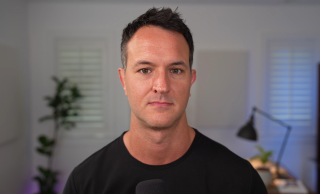
Why AI Makes Your Website MORE Important, Not Less
While AI agents seem to be replacing everything, your website is the one place you control your message and the primary "repository of information" that large language models use to learn about your business. In this interview, domain broker Alan Dunn explains why AI makes your website MORE important, not less, and shares insights from his experience selling domains for millions of dollars.
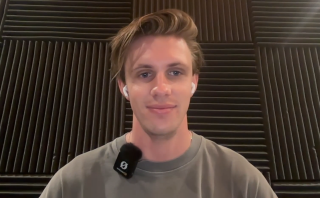
Guest
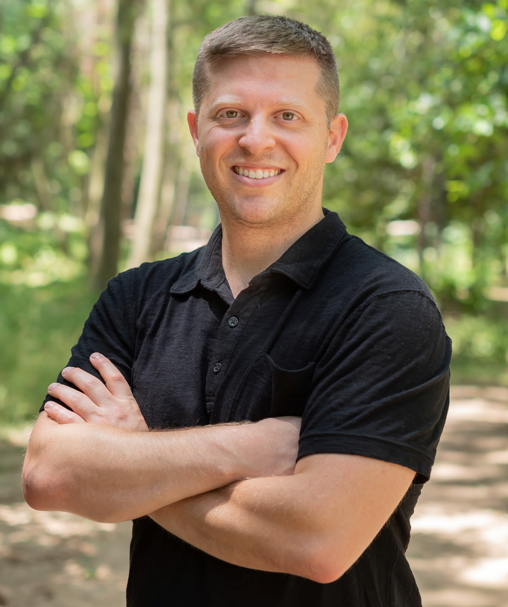
Jeffrey Gabriel
Domain Broker, Saw
Chapters
Full Transcript
Sean Weisbrot: What's the importance of having a website in a time when AI and agents are making them look like they're maybe not necessary anymore? And if I'm wrong, please let me know.
Jeffrey Gabriel: That's a good question. One to start off with. So. Um, being a domain broker and working with entrepreneurs and people who build businesses, I believe a website of any substance, even if it's just a very thin site or you're gonna go and write articles and articles and articles, you need a home base and having a home base, um, you have control over the message of your business, what your accomplishments are, what they're gonna be, what you're trying to do. And then also it's a repository of information about your business, where a large language model will be feeding from to figure out how to put you in it. If you have no information about yourself or know where really where it's being stored, it's not very easy for those models to find who you are. And then also I would say prioritize you over competitors or similar services or understand what differentiates you. 'cause you can't really easily do that on. Say like an Instagram page or TikTok with shorts all the time, not all the large language models have access to those. So again, having a repository where they can read it, they're not, they're not magicians. It's actually very basic, um, where it is well regarded, well-written information that it can understand and apply to your audience. You need to have that a hundred percent, and I can't see a way out of that in the future.
Sean Weisbrot: Hey, business leaders and marketers. What if your brand could be featured right here? This ad spot could be yours. This channel is watched by a dedicated audience of ambitious founders, executives, and professionals who are actively looking for tools and services to help their business grow. If you wanna put your brand in front of this highly dedicated audience, that's difficult to reach. I'm currently looking for a few strategic partners for the channel. To learn more about sponsorship opportunities, click the link in the description. Let's go together. Why have people made a career out of buying domains and then just holding them until someone offers them a, a good price?
Jeffrey Gabriel: Well, I'd say there's a long version and a short version of that. I, the thing is with domains is the best analogy I can make is it's property. So a hundred years ago in the United States, there were people who bought giant swaths of land. Like Ted Turner is, I think the biggest landowner in the United States who was buying acres of land for a buck, two bucks, five bucks a piece all across and the most, and people thought he was crazy 'cause who the hell wants to build there? It's a very similar thing. I know people that are some of the original domain investors and they thought they were neat and unique and they just. Kind of collectors, like people collect baseball cards when they weren't worth anything. And then it just kind of grew and then all of a sudden this collection, somebody wanted their domain and they're like, wait a minute, these are worth something. Um, but it's not like this blind thing where they're where like a domain investor's sitting here and saying, how can I fuck over this company and register this and hold it and they're gonna need it for me? I mean, they're obviously nefarious people, but. When you go to the conferences and you talk to an investor and they talk to you about X domain they just bought, or YA lot of them are entrepreneurs like us and a lot of 'em talk to you with this excitement about what it could become or in a lot of cases, what they're planning to do with it. So a lot of these guys on a lot of names, like empty lots and their developer, and then you talk to 'em and it's like a CD changing. I'm, I'm dating myself, but like you're hitting next and hearing the next song, the next song, like just keep naming names and they've been up all night dreaming of these things and they'll talk to you about, oh, what kind of brand it could be, what it's gonna do, and da, da da. And so that's really it. And that's what these people become. Um, there was a period of time it's going away. We are buying particular domains, would make a lot of advertising revenue. And there was a side of the business that was quite strong. It's still there, but it's not what it used to be. But that was another reason why. A lot of people bought domains for a period of time, but what's happening today is more what I'm explaining. Um, and then on the side of the business, um, so people can understand a little better when you get into three lettered, two letter and numbered domains, um, those are kind of called chips. And in the Chinese, um, markets or the Asian markets, they trade 'em almost like cryptocurrency. And the values of them go up and down on a regular basis. Um. They kind of go with trends. Um, and you being in Vietnam, I'm guessing the Vietnamese language uses a lot of numbers, and then with the numbers it's phonetic, it's a phonetical thing where like if it's 2, 3, 4, that could mean like love you. Or 1, 4, 3 could mean I love you. Well, that means something in Mandarin makes
Sean Weisbrot: that's common in Chinese culture, that that's very common in Chinese culture. I, I don't know enough Vietnamese to be able to discern whether that also happens here.
Jeffrey Gabriel: I made a broad generalization of, of Asians, it's probably bad me to do that, but you know, there's multiple sides of the domain business which causes these investors to do these things. Um, and again, what I think a lot of people don't realize are some of the biggest domain investors in the world are domain investors that didn't want to be them. So, for example, Microsoft owns about 60,000 domain names that they've acquired over the years for different projects, uh, buying different companies that own domains. Um, I know the person that manages their whole portfolio, he is a great guy. Um, and he's like, sometimes we get these names and we sit here and we say, we don't know what to do with 'em, but we can't sell them because it would be too dangerous to our brand to do that, even if they don't resolve. Um, or it could be used for a project 20 years from now. So they, they'd rather hold them, you know? Or unless someone makes an obscene offer, then they'll sell them. So, um, you know, there's a lot of different ways.
Sean Weisbrot: I, I've seen people reporting on news where, for example, apple will register a new domain, or Sony will register a new domain and they speculate about what it could mean for a future product line or these kinds of things.
Jeffrey Gabriel: Yeah, I mean, the thing is, is there's, when you deal with a company the size of Apple or, or Sony or whatever it is, um. Usually a person like me or a company like that would call me and say, Hey, we, we want this domain name. They're not gonna tell me all the time what it is, but we'll go out there and say, oh, cool. Sony just hired me. We're gonna go get this. And then you get it. Um, and it never becomes anything. It just sits there dead, check it five years from now, it's dead, or it can become, you know, a pretty big product or, um, it turns into a really small, uh, side thing. Um, uh, so I mean, uh. You can't speculate so much, um, when they do these things because there's just so many small teams and, and different, you know, things going on in these companies. It's not usually always this paramount thing that's going on, you know?
Sean Weisbrot: Hmm. What's the largest amount of money you've seen Change hands for a domain? Uh, an a sale that I've personally part of or in our industry, uh, that you've been a part of. And then the largest in the industry.
Jeffrey Gabriel: Um, well the, the most, the largest public one I was part of was, was sex.com for 13 million. I've been part of a larger one, but I can't really talk about it, but it was a little bit higher than that. Um, the biggest one that's reported publicly, I believe was voice uh.com, and I think that was either 20 or 25 million a couple of years ago. Um, but I also know of some other domains that. Sold for more than that. Um, but those were, uh, private when very large brands wanted something specific and the person who owned it wouldn't move. Um, and that surpassed, uh, the voice.com sale. So they do, they do sell for a lot of money from time to time.
Sean Weisbrot: What's the most difficult thing about being in the industry that you're in, that you have to face all the time?
Jeffrey Gabriel: I, I think, I think the thing is in the domain business in general, um, what I love about it and what I hate about it is that you get to work with a lot of new business people every day, and that you get to hear about new things that are happening and hearing that excitement about people's products and services and goals and, and hearing some of the, you know, if you get to know them, you hear about some of the challenges they're having. And that's a really exciting thing in the, in the business. Um, on the flip side, even working with very high-end executives or that same, um, budding entrepreneur is sometimes having a client that their attitude is that the person who owns the domain is immediately a squatter and they get aggressive about it. And, and you try to explain to them that that's not really the case and they're. Unwilling to hear about that and they made their mind up that that's the case. And, and I really wanna find this resource where a lot of people call someone a squatter because someone owns that domain. And it's funny because that product or service wasn't an idea or even a glimmer of an idea six months ago. And when you say, this guy's owned this domain for 15 years, they call them a squatter. And it's like, did this guy. Look into the future and know you wanted to name this business this. Like he didn't intentionally get this domain for that. And you know, I think that people need to understand that sometimes again, it's a Microsoft situation or a person that invested a lot of money to build something. Maybe it's about to launch, maybe they went in another direction. Um, but sometimes people are unwilling and, and unreasonable about that. And I think that, that, that can be frustrating for me at times.
Sean Weisbrot: Have you ever had to just tell clients like, I don't wanna work with you anymore because of it, or something else?
Jeffrey Gabriel: Um, not because of it. Um, I fired customers before and I think one of the things is when I was in my, in my twenties before I got into the domain business, I sold loans and I sold an HR product similar to like a monster.com. And then I got into the domain business and throughout my younger years, um. I was always so worried about the customer, making them happy, um, pandering to them even if it was a bad deal, even if it was business I didn't want. And I think now, um, with a lot of customers, if I'm gonna give my time, one of the things I really want most of the time is a phone call, um, if they're unwilling to talk to me. Um, I don't need a long time, but it's just really to have a discussion to say, this is how I work. This is what I'm seeing. This is what we should expect. At least just like that eight or 10 minutes. Um, you know, and, and usually the transactions I'm involved in on the very low end are a few thousand dollars going up to a lot of money. If they won't give me that, then they're probably not gonna pay the bill if it ever came or when the work comes. And then it's time, like, it's time to make that decision. They're not serious. Um, so I'll just say, you know, maybe I'm not the right person for you. Um, I've had customers, um, I had one, I was working on selling one of his names. He called me and I, I didn't answer. I was talking to somebody else and doing some things and he sent me a text saying, whenever a contractor works for me, when I call you answer. And I just said, you know, maybe I'm not the right guy for you. You know, I think 20 years before I've been like, yes sir, I will. But now at the point I'm at, I've just, just say, yeah, that, that I'm not a fit. You know? And I think it's. Mentally, health wise, it's, it's good for you to be, uh, to say no rather than have that demon, uh, in your life. 'cause it's just not worth the money, um, or the headache because tomorrow someone else will come that you, you can work with that you enjoy working with.
Sean Weisbrot: There was a guy I interviewed in the recent past who had some of his team basically be harassed by their clients in a similar manner, like not cheating them, well, expecting more from them than they could fairly, uh, expect. And this was really hurting the culture of the company. And that was because when he had first started the company, he had this idea of pleasing the customer and doing everything for the customer. And so the team was trained to have the same mentality. And when he started seeing how his employees were basically ready to quit because of how like messed up. They were from the experience and how it hurt them so much and how it was hurting the business, he realized that he had to protect his employees, even if it meant firing his, uh, customers. And so he had to have a meeting with the whole team and go, Hey, look, I'm sorry that this has happened. It's my fault because this was my personality and this was my belief, and I've been wrong. I need to put you first. And so if. Someone is treating you in a way that you don't feel you know is fair, you don't appreciate that, then you know, if you don't feel comfortable handling that situation, come to me and I'll deal with the, the, you know, the customer and don't ever be afraid to tell me if someone's taking advantage of your time, your energy, or. Or harassing you or whatever. And when he started to do that, the team became really happy and motivated and their revenue started to skyrocket because they were not afraid of the customers anymore.
Jeffrey Gabriel: Yeah, I mean, I, I think, I think the thing is, is that you gotta, you gotta defend your, your employees, um, and you gotta show loyalty to them. Um, I think it, I think when they're wrong and they make mistakes, you need to admit what the mistakes are. Um, and call the customer and, and take it, you know, head on. But like I said before, if one of the people that works with me calls me and says, this customer is harassing me, he won't leave me alone. I, you gotta call them and you're gonna create what the company's gonna do and what it isn't gonna do. And if today it's, if this whole time with a customer for the last year was a certain way and it's not working for the business, things change. I think if you communicate that to a customer and say, look, we, we can't provide this, this, and this anymore, but we can, we still can provide these things and that's it. And if they don't like it, you're gonna, you unfortunately maybe take the hit and they leave. Um, but a lot of the times those customers like, you know, like an asshole at a restaurant, you know, they know if there, these people are, they come in and they're an asshole at every restaurant, they're probably gonna get what they want. And they know a special way to get it, you know? And they're probably like that at most places. But if you just say, look, this is it. We're not giving you anything else, he'll, he'll probably make a big stink, but he'll probably be back a week later. 'cause he likes eating there, you know? And that's, and it's just the way it is. And they're just gonna keep pushing. And sometimes you gotta push back in, in the nicest of way or just say, look, we're not doing that. Or Do you want to pay us more? It's like that's, that's it. And that, and that's how it works with me and in our business as well. We'll have someone come with a thousand domains and he wants me to put a price on each of them. And I say, okay, so you want me to spend the, like the next two days working on pricing? Your names okay, I charge $450 an hour for that, then oh no, I don't want that. Well, so there you go. You know? And um, and that's okay.
Sean Weisbrot: So. The dream business is one that has sustainable revenue that occurs once a month, something like this. I have never been able to build a business like that personally. I've tried to, it's been very hard. The business that I found the most success in was the client typically did paid me one time, and maybe I saw them again like another year later, or they may recommend one of their friends that also has a business to me, but I've never had something that's sustainable. And I've, I've, uh, tried something that was a bit more seasonal. I've tried different kinds of things and, and I've struggled in, in different ways for each of them. What does your business look like in terms of that? Is there a season to this? Is there a cycle to this? Is it something that's more consistent? So,
Jeffrey Gabriel: two years ago we, we pretty much were on track to sell a domain every single day of the year. Last year, um, the year before. We were right before, um, right over like 400. This year we're right targeting about the same number, but our, our amount of sales, like our, our sales volume is, is higher. So we've been growing and I think the thing is, um. The, the thing is, is is that in our business, usually the summertime slows a bit. Um, the fourth quarter, um, in a lot of ways people, um, have budget left, um, or want to buy it to start the year and plan on that. And then January and February and March usually are pretty good months. Um, February is usually relatively slow 'cause people go on vacation and people get their tax bill. Kind of focused on that, but it's not a bad month, it's just 'cause it's short. Um, but you know, I will say that the domain business has always been pretty robust when, um, the, since I've been in the business since 2010, I mean, we've seen some ups and downs and when it, it's gone down and the economy and things go down, it's gone down with it. But it's one of the first to pop back up, fortunately.
Sean Weisbrot: How long does it take on average to take a deal from start to finish? Because you're saying that you're on track to do at least one sale a day. That sounds like a tremendous amount of stress to like be selling every day. It's like, what's the, what's the process, what's the timeframe to you able to sell something?
Jeffrey Gabriel: Okay. Yeah. So there's two sides of the business really. Um, so we have domain owners that own, uh, anywhere between a hundred or thousands of domains that we work with. Um, and if you were to go to like party.com, you'll see our for sale lander sitting there. It's like a for sale page. Um, and so we sell names for them and that's where a buyer would come to us and like a house for sale. And we're also calling and emailing companies to help sell their domains. Um, and then the flip side of it is, is a company comes to us and says, we'd like to buy this specific domain, or they say to us. We are starting a business, this is what it's gonna do. And we need a domain that kind of fits this idea of a brand. And this is a, a ballpark budget of what we're going to do. I would probably say, um, the selling for our client side is probably 60% of the number of sales, and then the buying side is about 40. Um, to keep that volume going, I have five other salespeople that work for us. I have. Five other people doing lead generation and other support people. Two or three other support people as well. Um, and then again, like any salesperson would know, having a very robust, uh, CRM that is extremely organized with a process and you are kind of like the Spartans and the fall inks with the shields and the swords and you're going together and you're, you're going through it. Step by step by step and having everybody know what they're supposed to do when talking about it. Fixing problems, you know, adjusting and, and then moving on. So, um, some of the sales, um, like typically when somebody inquires to buy a domain name with one of our sellers, the average, um, sale time is about 86 days from the start. On the buying side, I would say it's a little shorter. Um, whether they end up buying or it's, you know, it's not, it's not gonna happen. You find out usually a lot faster than that. So I would say that's around like, uh, like 30 or 45 days. The reason why on the other side, the time is much greater is a lot of the times. Um, an entrepreneur or someone on the business unit that wants the domain name inquires, and they're not, they're not there yet to be able to pay 15, 20, or 30,000 or 10,000 or even $5,000, but they know now and they disappear for X amount of time and they go get the money or they get their funding and then they come back and then they'll get it. So that's where it kind of stretches it out on the, on the flip side, person's like, I really want this name. You get the price and you usually, a lot of the times they figure out very quickly, like, I have really good taste in domains, even though people don't realize it. But then they find out that domain's a million bucks, right? And then they're like, holy fuck, I never realized domains could sell for that much money. And you're like, yeah. But I usually will tell them in the beginning. If you told me a domain, I'm gonna say, okay, I have probably, if this person is reasonable and understands the market, the price most likely will be X. Are you prepared, you know, to spend that? And then if people say, no, I was thinking like one or 2000, then I'd say, okay, well these are the kinds of domains. That you would probably be able to get, and it's like, I can help you do that. Or, you know, we can look at some other places and you can, you can find them on your own and, and then you know that one's done, and then you move on to the next. So some of 'em are very quick in that way, but other acquisitions, for example, uh, companies want the name. You get it, you know, you're negotiating. They take a step back and it can take years, and then they end up with it. So you just, you just never know.
Sean Weisbrot: I got stuck into this idea when you, you were talking about how sometimes the, the sale takes longer because the buyer needs to find the cash. Have you considered creating a business where you loan them the money to buy the website so that you, or like a mortgage or like you own the website until they pay you off plus interest so that you can shorten that timeframe?
Jeffrey Gabriel: We offer at our company, um, up to five years, um, for people to make payments. Um, there's also a company called Domain Capital that does finance. Domain names. Um, on the, on the payments that we take, it would be like a lease to own, and then they add like a little bit of interest to it, um, to keep it basic. Um, and some buyers are open to that, other people aren't really willing to even think about that. Um, on the domain financing side, the problem with domains in general, unless they're like a one word.com or one word DOIs or very specific types of names. If, if you had a name like ultra think.com, which we recently, uh, sold to or helped acquire a company, uh, to buy it for like 30, $3,800. I dunno, it was ultra think.ai for $3,800. Um, he got a good price on the name, but if you finance that for him, even if he put down 50% and then he doesn't sell it. It's, you can't just liquidate that name to get your money back. And we have absolutely no plans of, of using it and getting, and, and, and selling that in a reasonable amount of time to another person who might want it for another project is not something that's gonna happen. And so if you multiply that times 50 or 60 throughout a year, 'cause a lot of these, a lot of these, even when we do the payment plans, they default, um. Wouldn't work, right? But if it was, if it was like intelligence.ai or intel.ai or data ai, and, and you could lend, you know, at a good, a good rip, like with data.ai, that's over a million dollar domain and you could, you could sell that to a domain investor this minute for $200,000 this minute. So I would lend. A hundred on that, no problem. Right? But most of the time the economics don't make out work on those. So that's when you would be like, okay, data AI seller, why doesn't this person put 20% down? They can use the domain and then make monthly payments or quarterly payments or whatever it is. And what ends up happening a lot of the times is they make, they try, these people try to make a very small, upfront down payment. They put the domain on their deck, they go and try to get funding. They go and act like they have the domain. They don't get the funding they needed, or the investors they wanted or whatever doesn't pan out. And then they just stop paying, which isn't a bad thing because that's what's kind of pitched to them, that they're able to get it together without a large, um, you know, by taking a large risk. And that to me, if I, it was me, I would, I would do the same thing. If your business isn't there yet. And that, that, that's a good option.
Sean Weisbrot: Are you using any sort of automations or AI in your operations?
Jeffrey Gabriel: Um, we do. Um, I do it to enrich a lot of data that we have. Um, we go out and we comb and look for buyers. Um, we look for companies that. Are getting funding, got funding, looking like they have good growth, trying to match them with domains that our company, companies clients have to potentially pitch them. We also look at them to pitch our services to, and we use AI to to do that. Um, when it comes to like selling and other automation, I haven't done that. I'd rather use the people I have because I feel in our business it takes more. Of a intimate connection and like more empathetic approach by talking to and kind of creating that connection. So I don't think AI can do that the way that I want the salespeople I have to do it yet. Um, and then on the development side, I know all of our developers and our project managers are using AI considerably on a daily basis.
Sean Weisbrot: What's the most important thing you've learned in your life so far?
Jeffrey Gabriel: I think being honest is, is really important, even if honesty hurts. Um, and I think being loyal, which kind of goes hand in hand to those around you and, um, again, even if it's not the easiest decision. Um, and I think that those two rules in my life have really have really, um, in an unselfish or a, I don't wanna sound insincere with it, but it has really paid off in my life because I have friends from like. I like from when I was like five years old and I, and I have friends from college and I have business people that call me and ask advice. Even competitors call and ask me for advice and or ask me what I'm doing. And I tell 'em, and we share information and we work together. And I think, um, you know, that loyalty of mine has also burned me a few times. But all in all. Um, and same with being honest. That's why I'm not really great at working in big companies as I just kind of say it like it is, and sometimes people don't like that.
Sean Weisbrot: Thanks for watching. If you liked this insight, I've handpicked another video for you right here on the screen. For more actionable strategies that get you real results, hit subscribe.