
He Said 'What to Sell' Is Not Even the Right Question
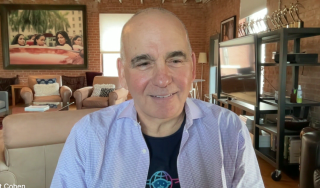
For the 300th episode, the podcast officially rebrands to focus on business networking. Sean brings on his very first mentor, Meir Simhi. Years ago in China, Meir helped Sean realize his true value in networking, which eventually led to generating $15 million in crypto fundraising sales. In this episode, Meir breaks down his new "Product Theory" and why asking "what to sell" is the wrong question. They deconstruct a new business idea and explore the true definition of a market.


Guest
Meir Simhi
E-Commerce Entrepreneur & Product Theorist, Brand Masters
Meir Simhi is an E-Commerce Entrepreneur and Product Theorist at Brand Masters. In the 300th episode, Sean brings on his very first mentor who helped him realize his true value in networking years ago in China, which eventually led to generating $15 million in crypto fundraising sales. Meir breaks down his new "Product Theory" and why asking "what to sell" is the wrong question.
Chapters


Just raised, acquired, or launched?
Guaranteed CNBC, Bloomberg, and MSN.com coverage from one 30-minute interview,
timed to your milestone while it's still news.
Raises, acquisitions, product launches, and major hires create a narrow window where third-party press stops being optional. We turn that moment into a month of content.
Distribution through a channel with 2M+ real views
Full Transcript
Sean Weisbrot: [00:00:00] Ended up generating $15 million in sales, you know, just the right place at the right time.
Meir Simhi: If you chase respect, it run away from you. But if you run away from the respect, it will chase you.
Sean Weisbrot: I came up with an idea to basically feed your frustrations to your dog. It's a dog treat that's human safe.
Meir Simhi: I realized that what to sell is not even the right question.
Sean Weisbrot: This is episode 300 of the "We Live to Build" podcast. I never imagined I would be saying those words because a long time ago, I actually put down the podcast, and I decided to pick it up again about eight months later, and it's been a year and a half since I made that decision, and I'm really glad that I did. Today, I'm talking with Meir, who was one of the first people to come to the events that I created in China many years ago, and that was really my first company. And even though it failed financially, it was a social smashing success. And because of the passion I put into that, [00:01:00] Meir decided to teach me how to better understand my value and what my abilities were, which were in connecting and networking. And so this is really special for me because I actually wanted him to be the first guest that I ever had, and he wasn't ready at the time. And I said, "That's fine. No worries." So now, almost six years later, we're finally gonna have that conversation. And it's also the great... a great time to announce that I'm rebranding the podcast, where in the past it was always the psychology of entrepreneurship, but now I want it to be more about business networking in line with what my talent is, that he helped me to realize so many years ago that I kind of lost sight of. And it's great because I've noticed a lot of people say, you know, "You're so good. Like, if you have an idea, two days later, you've got five calls booked with the people that are gonna tell you whether this idea is good or not," or if, you know, "If I need help with something, you always got someone that, that, you know, you [00:02:00] can connect me to." And so I realized that this is a great opportunity to start to teach business owners how they could get better at networking, uh, so that they can build sustainable relationships that help everybody. And so you'll see a lot more of that moving forward. And so in this conversation, I wanna talk a little bit more about our history and what he's working on, and, uh, we'll go from there. So Meir, thank you for taking the time to talk with me today. I really appreciate it. And, uh, I guess let's go swing hard out of the gate. What's been the hardest part about being an entrepreneur for you?
Meir Simhi: Sure. Uh, first of all, thank you for, thank you for the invitation. Um, uh, it's my pleasure to be here, and, uh, it's with a big late, you know, uh, three... uh, chapter 300, but it's also a, a good, uh, round number, so Uh, I'm fortunate to be here. Uh, regarding your question, um, I think, [00:03:00] uh, the biggest challenge in being entrepreneur is, um, um, the-- your surrounding, your social surrounding. Uh, to be lonely. Most of the time you are alone in this, uh, journey, so it's, it's very challenging.
Sean Weisbrot: So how do you handle that on your lowest ti- points?
Meir Simhi: Uh, it's a lot of, uh, work on yourself, on your mindset. Uh, and then of course, you have to develop skills. You have to develop the ability to create, uh, relationships and maintain relationships and, uh, bring in partners to the journey to be able to influence people, to inspire people so they will join you or at least, you know, uh, believe in your vision, even if from the outside, uh, and support you. So yeah, it's all about the work and, uh, [00:04:00] the effort that you put in, in it, but this is the best way to deal with it.
Sean Weisbrot: And how do you find those people?
Meir Simhi: Oh, it's, uh, all over. I mean, the most basic is like, uh, going to events and, uh, just creating a relationship with people, get to know people. But also in, uh, like, um, Facebook groups with, uh, peer... with people that, uh, have the same, uh, people in your niche, people with the same, um, uh, you know, uh, field of interests that, uh, you, you, you find, uh, common ground with them to, to speak about your journey, to share things.
Sean Weisbrot: How do you get them to like you and wanna care about your story?[00:05:00]
Meir Simhi: Um, so the first thing is you never try to make them to like you. There is a saying in Hebrew that, uh, uh, if you chase, uh, chase, uh, respect, it, it's run away from you. But if you run away from the respect, it will chase you. So basically, you just need to be who you are, and you need to be valuable, because at the end of the day, people can like you, but they will stick around only if they will see value in you. So there is a big difference between liking someone and sticking around, supporting, picking up the phone when you need them, uh, the most. So when they perceive you as someone that they Might get even a future value from, they will stay there. It sounds a little bit like, uh, a little bit selfish [00:06:00] or self-centered, but this is how the world works, especially in business. In, in, in business, pe- people are ve- uh, people tend to be more utilitaristic, you know? Uh, so they, they look at the, um, uh, utility side of things and not just, uh... It's not like family that support you and loves you in any, in any way. Uh, so in business, people look at you and say, "Okay, how valuable this person is?" And it's not, it, it's not even the real value, but it's the perceived value. It's like the... I call it, um, the envisioned state of value.
Sean Weisbrot: So when we first met, I, I wasn't looking for a mentor. I didn't come to you and say, "Please mentor me," right? You were an audience member. So you came to me and you said, "Hey," like, "I wanna mentor you." [00:07:00] And I'm like, "Who is this guy? What's going on?" Like, "Why is this happening?" Not like bad things. What was it that made you want to expend energy on me when there was no reason to? You didn't-- You weren't gonna get anything out of it, as far as I saw.
Meir Simhi: Yeah. It wasn't exactly like that. But I remember that, um, the first thing that, uh, I thought about you when I, I saw you is, uh, your ability to really, uh, facilitate these events and create this, um, huge network basically in China, which was, um, you know, a foreign place for both of us. Mm-hmm. I think in China you have this, you have this thing where you see a foreigner, you, you, you get connected to him immediately, at least at that time, like 15 years ago. It was something like this. You, you, you, you saw a foreigner and you would say immediately hello, or [00:08:00] even in the street. It's, it's something that, uh, because it's a s- such a foreign, um, place, uh, it makes, uh, people that are foreign to that place get connected very fast and, uh, easy. So, um, and you had this ability to create those events and to know so many people. So I saw a lot of, uh, potential in what you're doing and also connecting this to what I was doing at that time, which was, um, helping entrepreneurs, uh, building, uh, e-commerce businesses and, uh, getting into Amazon and selling on Amazon. And I looked at it as a platform to get to know more people and also to build my authority. Um- And I also saw a lot of like, uh, un-unutilized potential in you, because very fast I, I realized that you are not actually [00:09:00] monetizing, uh, your, your value and the network that you built, uh, in a way that you could. You, you, you're not really, you know, extracting all the juice from this lemon. Mm. So I thought that it-- And it was also something w-w-- I thought we, at that time, we, we started to become actually more than just like, uh, peers. We, we became like friends. So I think we, we had these deep conversations, and it started to develop, and I shared with you about my businesses, and you also asked me questions about how I do things. And then it started to evolve, and then I said, "Okay, let's meet regularly, and let's start to look at some business opportunity and see what we can actually do to leverage your network and put you on the right track."
Sean Weisbrot: Yeah. I, I'm glad you remember those details [00:10:00] because it's a bit more fuzzy for me. Uh, unfortunately, at the time I was smoking weed. I don't anymore. But, uh, yeah, I probably forgot some of the nuances at the time. And believe it or not, I, you know, I know a lot of people worry... Like I was with my cousin last night, he's 16, and he's trying to do several e-commerce brands, and he's lost, and he wa- you know, he's seen these guys on YouTube going, you know, "You should get rich quick." And he's-- I was like: "What do you want?" And he's like, "I want to get rich quick." I'm like, "That's just not reality. You have to put the effort in." I go, "What you're doing is, is, you know, fine, but like it's not unique, it's not special. You have to find a way to stand out from everyone. You know, you have to learn certain things." I go, "You're 16. Like I'm almost 40, and I'm still figuring my shit out. You're only 16. Like stop worrying so much." And, and when we met, I was only 27, you know. It was the first time I stepped out of a business and said, "I'm gonna do something myself." And I was just trying to hold it together. You know, I was [00:11:00] managing the relationship with the media and the government officials that were allowing us to exist and, you know, managing finding the guests and training them and putting them on the stage and making sure that the, you know, their speeches weren't gonna be something the government would have a problem with, because that is a real thing in China. Um, I was lucky that they allowed us to exist, to be fair. So I was so busy managing all of those things that like I, I just didn't have much time to do much else, because I was also managing a team of like 30 rotating volunteers, 'cause we just didn't have any money to give people a salary. Um, we barely had enough money to pay ourselves. So, uh, when I say ourselves, I'm, I mean myself and, and Lisa, my partner, for the people who, who aren't aware. So, uh, having you come along was really great for me because I grew up watching my dad be an entrepreneur, but he was a dentist. He wasn't a businessman. He was a dentist with his own practice, but he was a dentist, not a businessman. And I, I suffered because [00:12:00] he didn't n- have the skills to teach me how to be an entrepreneur. And my brother got a degree in finance, and he was entrepreneurial as a teenager, but his first job was, like, in high school, and then after college he h- had a job. So he always had jobs. So even though he tried to be an entrepreneur when he was younger, he kind of gave that up to just work in, in corporate. And so I didn't really have anyone around me who was entrepreneurial. Um, so you were really the first person that I met that I had access to who was doing their own thing, who had businesses that made money and, you know, I mean, m- much more significantly than what that business made. So like Idea Exchange did make money, but it was only like at most $4,000 or $5,000 a month. Like it wasn't much. I mean, for China it was good, but, you know, that's... Most people don't go into business going, "I wanna make a few thousand dollars a month." Um, some people do, but, but yeah- Yeah ... I had this larger, larger vision. I just didn't understand it, and I was so young and didn't have experience and [00:13:00] didnt have anyone to kind of help me focus. Um, and someone with ADHD, I struggled to focus. So the fact that I was able to do the Idea Exchange for two years straight was huge. It was a lot of, of work, um, a lot of effort and a lot of focus. But so, um, what was the easiest thing about helping me? And, and the reason why I'm asking this is from the point of some-- uh, point of view of someone younger who maybe wants to find a mentor or maybe if they're lucky enough like me to have someone say, "Hey, look, I'm gonna put this energy into you." Uh, you wanna be coachable. You want to be easy to help, otherwise they're gonna go, "Well, screw you," right? What was the easiest thing about, like, coaching me, and what was the hardest thing about coaching me, you think?
Meir Simhi: Uh, actually it wasn't hard at all. Uh, it was, uh, you know, a breeze of fresh air because you came with a lot of will. You had a lot of ambition and will. You really wanted to, uh, succeed and, [00:14:00] and do something, uh, meaningful and significant, and you showed it. And you had, you had commitment. Uh, you were, uh, uh, willing to, to listen. Uh, you weren't, uh, difficult to influence or to convince with new ideas. You were, you were open to, to ideas, to business opportunities and stuff. You were, uh, curious. So actually, it was quite a good experience for me also. And it wasn't something paid It w-, because my, uh, mentees, my students usually paid to join my, uh, my programs or my consulting sessions. But like I said, we do it, it was, it was a friendly process, but then, uh, there was a commitment, and there was like regular meetings.[00:15:00] Um, and I, I remember we used to meet sometimes in lobbies of like huge, uh, office buildings. Mm-hmm. In China, you have these offices, these office buildings with huge lobbies with, uh, sofas and these nice, uh, s-salons where we, we could like sit there and, and speak for hours. And, um, yeah, it, it... I think it went pretty straightforward and, and easy until we had our first, um, opportunity where we actually started with, um, with this idea to, uh, create a digital course for how to sell on WeChat. Mm-hmm. Because back then, WeChat was a thing, and people started to look at China as a potential, uh, market to get into, and WeChat was- But WeChat
Sean Weisbrot: was in Chinese, which no one [00:16:00] could
Meir Simhi: access. Yeah. Yeah, and it was a significant, uh, channel. So we thought about why not, uh, teaching people how to use WeChat and how to monetize it, because it's, it's a social network at the end of the day with, uh, like one billion users. I don't know. It's, it was huge. And then, uh, we sat down, we, we created a business plan, uh, a working plan, like how are we going to produce the content? And I remember you took you went to Thailand to record the whole course.
Sean Weisbrot: I did everything in about six weeks. It was so much work.
Meir Simhi: Yeah. And back then there were not too many tools like today with AI and all these editing tools.
Sean Weisbrot: I had to write everything. I had to record everything. I had to lay it into- Yeah ... the editing software with the, the image. I had to take images. I had to [00:17:00] translate every- everything by s- by hand from Chinese myself.
Meir Simhi: Yeah. Yeah, but I think this whole experience of like taking an idea and manifest it, like make it a reality, was a good experience for you because it helps you to, um, kind of materialize a vision and also see like how things can actually unfold. And then it was easier for you to take, to, uh, create other visions and productize them. You know, and, and, and start to offer other services and stuff. So I think it had, it had a, a very good impact on you, this experience.
Sean Weisbrot: I definitely find service to be much easier than product. I know you've always preferred products because products can scale, especially when it's digital. Um, as you said, at the time, it was difficult to do something with WeChat because people didn't... It was [00:18:00] too early. People didn't understand China yet. Um, so basically it broke even. I spent about $1,500 in Thailand, uh, to like for living costs to, and, and production costs, and over the last 12 years, the thing's only made like 1,500 bucks. So it's basically broke even. But it was a good experience because now if I wanna make a- another course for something, and I seriously wanna put marketing into it, 'cause I didn't put any marketing into it. It was literally... Udemy did all of the marketing for me. But like Udemy was only charging... Like I wanted to charge 200 or 300, and Udemy was cutting it down to like $9. 'Cause- Yeah ... so I, I, I learned from that, never trust the platforms.
Meir Simhi: Yeah.
Sean Weisbrot: If you have your own audience, then you can control, you know, how it gets advertised and, and what the costs are. Um, so if I ever did a course, it would... But I think for me, the real value was in understanding how to create value among people, which I k- I was like starting to have the ability to do, but not [00:19:00] really understanding how to ascribe value and therefore a cost to that. And it was only when I realized that, and then blockchain became a thing-
Meir Simhi: Exactly ...
Sean Weisbrot: that another one of our friends, uh, Yuri. Yuri was like, at the end, near the end of 2015, "Bro, Bitcoin is a thing. Stop ignoring it." 'Cause I heard about it in 2011, 2012, 2013, 2014, and I kept ignoring it 'cause I'm like, "I don't know what this thing is. Just whatever." And, uh, and finally, Yuri told me a few times, and at the end of 2015, he's like, "Bro, you just..." Like it was like September 2015. He's like, "You have... Just look at it. Just please, like, look at it." And I'm like, "Okay, fine." He's also in China.
Meir Simhi: Yeah.
Sean Weisbrot: I ended up spending months teaching myself about blockchain, and I did it in English and Chinese at the same time. And then he got me an opportunity to give a speech in, in Macau about a company that was raising money for their project, and that was, you know, all expenses paid, [00:20:00] five-star hotel. Like it was a c- it was like, whoa, like I can monetize my knowledge. Like what? This is interesting. And from there, then a friend was like, "Hey, I heard you're doing Bitcoin." He's also a friend in, in China, um, another foreigner. And he was like, "Yeah, uh, I've got a friend that wants to raise money, um, but he doesn't speak Chinese. He's in China. Can you help?" And like, I'm like, "I've never successfully fundraised for anyone, but like I'll try." And, and after two months of doing that, I was able to raise money for the guy and Then he, uh, wanted me to advise him, and then other people wanted me to fundraise, and then other people wanted me to advise, and then this whole thing kind of spiraled into a, a crazy thing and ended up generating $15 million in sales. Y- you know, just... It was the right, the right place at the right time, but it took years of self-practice and study. But it was only because you helped me understand the value I could bring that I was able to understand what I should be charging people for what I was doing. [00:21:00]
Meir Simhi: Exactly. At that time, and also today, I think that it was the best example for, you know, there is a saying that luck is when opportunity meets readiness, you know? So basically, there was this trend, this opportunity with the, with the ICOs, and then... Because B- Bitcoin was a thing even before that time, but the ICO became a thing. And then you were ready because you were just, you know, had this, uh, process and a shift in mindset, but you also did not have any, uh, real commitment to any business yet. So you, you, you had in a very good position to jump on the wagon at that time, which, for example, me, I did not have because I was fully occupied with my business. [00:22:00] And even though I realized the opportunity at the right time, but it, it, it's something that you don't do in business. You don't jump from one business to another in the middle. You don't drop something that is successful. You know, I, I was, like, making money. I had a successful business at that time. So you don't say, "Okay, oh, there is a..." You know, you know the, the shiny object syndrome. Right. So- Yeah. I love
Sean Weisbrot: it ...
Meir Simhi: you just don't do that. Uh, so you need to be, you need to be mature enough, but you also need to have a good business that you don't want to give up on it so easily to not to jump on another opportunity. And for you, it was the opposite. It's like you were, uh, uh, the, at the midst of, like, this process and m- mindset shifting and, and, and, uh, maturing, and then this opportunity came just at the right time at the right place, because also ch- it was a big thing [00:23:00] in China. It was a very big thing in China. So, so yeah, it's, it's, it's, it's, it's a very good example for that, uh, for, for the definition of luck, you know, in a, from a entrepreneurial perspective. Hmm.
Sean Weisbrot: And still, all these years later, so this was 2015, 2016. Uh, we, we met in 2014 So, you know, it was a period of like a year or two of ongoing changes for me, and then that kind of presented itself and it, it started with, uh, you know, the speaking opportunity and then the friend asking for help with the, the friend, that those things start- started to happen for me. And this entire time, you've continued to remain focused on e-commerce. Do you think that was the right decision to have continued on this path?
Meir Simhi: Definitely. Because this, this field is just growing and it's like, it's evergreen. And you, you can see [00:24:00] that at the end of the day, one of the biggest companies in the world is Amazon. And even Apple, which is innovation company, but it's still e-commerce company, and most of their sales are coming from their e-commerce, from their website and from their e-commerce activities. So, um, and I, I still think e-commerce is still at the beginning. It's not even in, in, in the... Because if you, if you look at the adoption, uh, percentage in the market, it will still projected to grow and grow every year. It's still not like, uh... I mean, the corona, uh, crisis accelerated somehow this process. Uh, it was unexpected, but it did, uh, accelerate it 10 times the speed of the adoption because people stayed at home and started [00:25:00] to not only buy more online, but people looked for, uh, alternative ways to make money. So more people started to look at, you know, e-commerce and how can I make money from, from the computer, from the internet, so e-commerce was a very good, uh, opportunity for that. But today, I, I don't call it e-commerce anymore. It just commerce. And if you, if you will look at like all the big [00:26:00] players, uh, in this, uh, field, they... You will see that in their websites, they change the jargon and now it's called commerce and not e-commerce anymore. So, so it's, it's everything basically. It's-
Sean Weisbrot: So with e-commerce continuing to grow at the pace it is, how do people know what to sell? so that they could stand out from everyone else.
Meir Simhi: Okay. Th-this is a great topic because it's just touching my, uh, you know, my life projects and, uh, the product theory. I haven't presented it, uh, yet, but, uh, yeah. So what to sell is a, is a big question that I asked myself, I started to ask myself, um, four, almost four years ago after I sold, uh, Blue Pond, uh, one, one of my brands. [00:27:00] Uh, you know Blue Pond is, uh, uh, you were involved also in this, uh, as, as an investor, uh, if it's okay to say that. If it's okay to- Sure. No, I've,
Sean Weisbrot: I've mentioned it.
Meir Simhi: Oh, okay. To share. Okay, great. So after we exited this brand, uh, I thought, "Okay, I'm going to, to do ano- another cycle. I'm going, I'm going back to the game as soon as possible, and I'm going to build a new brand and sell it too, because, uh, it's a great way to make money. This is what I do, this is what I love, this is where my passion is, and, uh, I'm good at it. So le- let's, and I'll start a new brand." But then the question, okay, what to sell? What, uh, which niche? What industry? Like, okay, how you choose the right category and stuff. So, so I thought myself, okay, when [00:28:00] I started Blue Pond, it was, uh, 2015. It was about seven or eight years before I sold it. So I wanted to see what is new, you know, in, in the market, what works right now, you know? Because I haven't played that game for a very long time, the play of looking at new products or n- new niches, because I already had an established brand. So I started to ask this question and I started to research, and I, I told myself, "Go, uh..." It's called tabula rasa. Like, it's like, uh, clean. You know, it's, uh, without any, uh, uh, paradigms or any, uh, methods. Yeah, I have my experience and the knowledge that I [00:29:00] acquired, uh, along the way, but I wanted to come fresh and new to... So to be open to new methods. And the more I researched, the, the more, the, the more books I read or, uh, uh, vi- uh, YouTube videos I watched, I realized that there is no one coherent Way, uh, to, uh, approach this. The, the, the, the approach this, uh, question of what to sell, and I, I will give you an example. What I found that there are like many dilemmas that, um, entrepreneurs like me will face at this stage, which, um, provide like two different directions that are totally opposite, like one hundred and eighty percent, [00:30:00] uh, degrees opposite, and I will give you an example. So some people will tell you, um, "Look at data. You know, look at data, look what is already selling, and then make your decision because you have data, and you see that there is a market for that product already." So it's a, it's safe way to choose your product. But there are other approaches that will tell you, "No, look for something new. Invent something. Look for blue oceans and try to innovate." You know? Um, or there is another example. Some people will tell you, "Don't get attached to the product. You should not have any attachment with the [00:31:00] product. You also need to, to ch- to choose it by data or by other factors," or, uh, what's it called today? The test methods. So you test a lot of products, and you double down on those that really sell. So you don't really have any attachment. You, you just see what works and what's, what doesn't, and, and then you choose those, uh, products. But then there will be people that will tell you, "No, you should be passionate about what you're selling," right? "You should love what you're doing because then it w-- you will, you will have advantage. You will be able to bring much more value when you focus on a niche, when you focus on a product, and you become authority selling this product. So you need to love it. You need to have attachment to this product. You need to feel like it's your baby and keep growing in that field." So you see [00:32:00] there is a lot of like different approaches. It's, it's not only different, it's totally opposite. And there are a lot of use cases that proves that both methods, both like all of these, uh, con- contradictions work. So how it can be, what is the right answer? So then I realized that This subject is very big subject to approach, and you need something that is very comprehensive, and you need set of rules that will not tell you what is right or what is wrong, but when it's the right, uh, let's say, situation or condition to choose one approach or the other. So it's like set of rules, conditions, factors that if you put them together in the right way, [00:33:00] you will be able to easily answer this question. So it's like multifaceted, multidimensional, uh, subject because it includes like a lot of psychology, consumer psychology, and, uh, you need to understand what motivates people, and you need to understand, um... So basically, what I realized, first of all, that the question, what to sell, is not even the right question. What I was looking for is not what to sell, is basically an opportunity to create value. Because what I found that even though there are so many contradictions, there is one thing that is valid in every case, and is to, um, consistently be able to create value. So if you want to create [00:34:00] a successful business, you have to find a way to consistently create value. So this is like ironclad rule that will never break. And now you can start build your whole theory. So what is value? How you measure value? So I had to dig deep in all of these questions to understand. So I had to read what other philosophers and other, uh, let's say, uh, big marketers like, like Seth Godin or, um, or some other very, uh, you know, uh, uh, Levitt, or all these guys that handle this kind of questions, how they approach that, what definition they gave to, to, to value. And then, you know, it's, it, [00:35:00] it includes a lot of, uh, fields, and I'm still like only eighty percent, I think, uh, of the way to really, uh, finish this whole, uh, theory, which I call the product theory. Which explains all of these things, like the gaps, gaps theory, and, uh, the consumer value definition, how to define markets. How to def-- how you define markets? Let's, let's, let's hear you, Sean. How you define a market?
Sean Weisbrot: Do you have a specific example? Like, uh, something more concrete?
Meir Simhi: In the context of, of, of business, uh, or entrepreneur- entrepreneurship or something like that, you know.
Sean Weisbrot: How do I define a market? I mean, that's such a broad question. I don't even know where to begin to answer that question.
Meir Simhi: But yeah, but when you think about like you're going to, uh, approach a market or sell your product to a [00:36:00] market, right? So how you will define this market? How you define a market, basically?
Sean Weisbrot: So I guess I'll mention the e-commerce brand that I'm thinking about right now.
Meir Simhi: Yeah. This is where I was leading to.
Sean Weisbrot: Because I, I came up with an idea to basically feed your frustrations to your dog. Essentially, it's a dog treat that's human safe, but meant for dogs, that has images printed on it of different character types, like a billionaire, a landlord, a Wall Street banker, people that you might generally be frustrated by, and a, and a V- you know, VC investor. But then also make it so that you can upload a picture of someone that you're mad at, and our, our AI will turn it into something of a similar design style, is what we're offering on the website, so that you could feed it to your dog, and the dog loves it and, and you're happy because, you know. So how do I define the market for [00:37:00] that specific thing? Well, they have to have a dog. That's... You know, if they don't have a dog, they're probably not gonna buy it. Even if I market it as human safe, even if I market it as a human product that like, "Oh, you can also give your dog," uh, I don't think people that are-- that don't have dogs will buy it. But I've already spoken to a number of people about it that are service providers in the e-commerce space, uh, you know, people that are doing co-packing, manufacturing, packaging, uh, shipping, payment processing, et cetera. Because when you wanna build one of these businesses, you have to build the relationships with these kinds of providers in order to have a business. Um, and so I was talking to them, trying to build relationships and, and saying, "Hey, by the way, what do you think of this?" And every single one of them said it was hilarious and that they would buy it. Some of them don't even have dogs. They're like, "If I had a dog, I would buy this, absolutely." So for me, it's a gimmick and-- but it's also a way to help people with their fear and their anxiety and their frustration, because the world is really strange and, you know, from the la-- from COVID till now. Like, the world just feels like we've [00:38:00] entered in a parallel universe, and we are just, you know, barreling towards chaos at, at, at all, you know, times of the day. Um, and so You know, if you can help people to channel their frustration into this thing, into this image of a person that they don't know or that they do know, that and their dog eating it helps them with that stress, then that's a coping mechanism, and that could be a really powerful, positive support mechanism for people. So people who own animals that are struggling with anxiety or struggling with frustration or, um, think it's cute and funny. You know, there, there's different types of, of avatars within this. And so the, the market for me is Americans... And, and the reason why I'm, I made it a pet consumable is because I knew from talking to other e-commerce brand owners and from talking to you over the years that if you buy something for your pet, and you're American at least, you're gonna buy it much more for your dog than you will for yourself as a human. And as a consumable, you, you eat it over and over again if it tastes good or [00:39:00] if, if it, you know, accomplishes its goal. So a pet consumable is going to be the s- most scalable kind of business, even though it's harder to make because you have food safety regulations and, and ingredients. You know, it's not just like making a hoodie where you've got like a t- a piece of fabric. Like it's much more complicated to put this together, which means there's also a higher barrier to competitors coming into the market to compete with
Meir Simhi: you. Yeah.
Sean Weisbrot: Pet consumables have the, the largest, you know, place in a market because there's a lot of pets. Humans spend a lot of money. It's over $100 billion a year that Americans al- alone spend on their pets every year. So the market for me is very, very specific. You know, it's gonna be Gen Z and millennials, maybe Gen X, probably not boomers, um, that have dogs, and they're frustrated.
Meir Simhi: This what I would say is like the avatar, but let me, let me challenge you here because here is what you're saying. [00:40:00] You're saying basically your product is a vehicle to, uh, re- re- rechannel or channel frustration. So basically the gap or the pain point that you're solving is fr- frustration. That's basically what you're solving. The, the, the, the, the, the, the product itself is just a vehicle or just like a tool to achieve that. And then I'm asking you again, what, what, what is your market? But before that is what is your product? If you agree it-- which is, uh, like that is your product or your product is the biscuit itself. And the reason I'm asking you that is because my next question will be like, what will be your next product? So you launch, uh, a product that solve this kind of problem, what will [00:41:00] be your next product? Because your next product could be another accessory for dog owners, right? That solve another problem So where is your expertise? Is your expertise around solving problems for dog owners, which can be frustration, but can be like many other different things, or solving problems of millennials like frustrations and stuff, and it, it can be the first product can be a product that help them channel their frustration through this, um, treat to their dog. But then it can be another frustration and another tool to solve frustration because it will change the nature of the brand and your authority and even your content strategy. Because if you, i- if you talk about frustration and how you solve [00:42:00] frustration from psychology point of view, it can be right for very narrow connection with the, the dog owners, but then it will be not relevant if you want to sell other dog tre- uh, products or pet products.
Sean Weisbrot: Yeah. I wasn't thinking about s- about other pet products. I, I think it's self-contained in the, the treat, uh, the, the standard treat and the custom treat. I think that, I think that's potentially 50/50% of the revenue, a breakdown between people that will have a custom image that they want and someone that wants to buy the standard. I haven't really thought about outside of that, but I don't have a desire to make more products for dog owners to help with the frustration around their dog. That's not my interest.
Meir Simhi: So what, what, what would be a possible, uh, a next product?
Sean Weisbrot: I don't know. I, I'm trying to see if... [00:43:00] I'm trying to make ads right now to see if this is even viable, like if, if there's a demand to sign up for a waiting list, because the process of getting it ready for the market to actually produce, it could take several months of like, uh, formulation and talking with everyone to like make it happen. So, uh, I haven't put any effort into that. I've just been finishing the website and trying to make it work and, and trying to get into the ads. And so yeah, that's like something I wasn't gonna think about just so yet. 'Cause I think that in itself, just this one offer I think could be a seven or eight figure brand.
Meir Simhi: Of course. Yeah. There are many one product brands that are seven and a even like eight figure brands.
Sean Weisbrot: Yeah. 'Cause I, I think there's, there's opportunity in subscription, right? So set it and forget it. We'll keep, we'll just keep mailing you treats.
Meir Simhi: True.
Sean Weisbrot: And And there's seasonal, you know. Like for example, Valentine's Day, you don't, you don't have a partner, [00:44:00] so maybe like a Cupid, right? So feed Cupid to your dog. Or, uh, Christmas, right? You don't have anyone for Christmas, you're alone, so you can maybe eat Santa, or you can eat, you know, the Christmas past or future, whatever. You know, there's like-- I think there's something that you can do, um, for different holidays and different things just around people's frustrations. So I think you can capture that, um, with a cyclical or a seasonal, uh, addition to the business.
Meir Simhi: But it, it's still like, uh, like a treat for, for the dog.
Sean Weisbrot: It's a treat for the dog. My, my thinking is if I have it be, uh, produced with human... Like if it's produced for human consumption, but it's also safe for dogs to consume, then there's also an angle of like, "Hey, you can bond with your dog by, you know, consuming it together." Um, be- but then you have to make it something that the human wants to eat, 'cause I've, I've tried dog treats that are human... They don't say they're human [00:45:00] safe, but the ingredients are purely natural. Like there's nothing, no acids or any like weird processing inside of the product. So humans, you know, they're just natural ingredients, so humans can eat them safely. So I've tried them, but like they're so bland that, uh, they're just not t- not nice to eat. Um, 'cause like of course you wanna know what your dog is eating, right? Like some things are really just disgusting, um, and some things taste good. So, uh, in the process of doing this, I've tested some of the other brands that... Like there isn't really a competitor for this, but there's like other dog treat brands are competitors, but they're indirectly competitors 'cause no one's going after a gimmick like this. Um, but in, in testing their products, I get a chance to see what flavor combinations should I be looking at. You know, what color packaging should I be looking at? What's gonna resonate with the dog? Like if I get bags on a shelf in a store, right, what, what's a, a color that a dog's gonna look at and go, "Oh, that's a cool color. Let me go up to it," right? Um, or like how do you package with like a [00:46:00] scent that the dog's curious about the scent, so it naturally goes over to the bag, and then the human's like, "Oh, you like that one, huh? Okay." So there's ways to like use psychology to, to get people to do what you want. But that's more retail strategy.
Meir Simhi: Yeah. So i- in any way, if we're going back to the original question is it's, it's very important to define your, uh, market correctly. And, um, uh, according to the product theory and the methodology that I'm using, you always have four markets. So a market is the, uh, the trade or the, uh, economic activity around one of the four axes in the four axis model. So the four axis model, uh, me- uh, means that, uh, in order to find an opportunity to create value, you need to define Four axes. Um, the first one is a target group. The second [00:47:00] one is the, um, the topic. So it can be like subject matter or activity or something like that. The third one is the problem, and the fourth is the solution. So you always can start your business from any of those, uh, axes. So s-some people start from the product. So they have a product, and then they think, "Okay, who can I sell this to?" Okay? I-- They, they have a... Let's say they have a solution, not even a product. Actually the, the, the, the fourth one is a solution because product by definition, by the product theory definition, is a solution with a, uh, with a value proposition. So [00:48:00] if, if you think about it, uh, a rock that you find in the street is just a rock. But if you add a value proposition and you make it a door stopper or, uh, you know, paperweight, it's becoming a product already. So you just need to add a value proposition and present how it can create value. So now the rock is not just a rock you found in the street, it's something that actually solve a problem and create value, and now it's a product. Now you can price it and sell it. So that's, that's the essence. So you have these four, you know, axes, and then a market is the, the business activity, the trade activity around any of these axes. So you can have business activity around the target group, you can have, uh, business activity around the [00:49:00] topic. So for example, the difference between topic and target group. So a target group could be hunters, okay? Hunters are a target group, but hunting is a topic. So it's two different things because when you approach, let's say, your target group is hunters. You have a huge community of hunters. You have a huge, uh, Facebook group of hunters that you want to monetize. But then you can offer them a solution to a problem that it's not unique for hunting. And it's actually, it could be like, um, a problem that hunters face when they travel. So it's something that can help them Carry their equipment on airplane or something like this, a special carry bag or [00:50:00] whatever. But y- your, your main focus is the hunters. So you have these four axes, and this is basically how you can define your market in a more efficient way to actually define your opportunity to create value. Because at the end of the day, this is what you have to do in order to make money. You need to generate or convert, uh, value to, to monetize, to make money.
Sean Weisbrot: So when you first started talking about this a little bit ago, you said that you, you're working on finalizing your theory. You haven't presented it yet.
Meir Simhi: Oh, no, actually I did. I presented it. I, I, I, um, I published, uh, the initial, uh, white paper a year ago, and I got really good feedback from, from [00:51:00] people who read it and, uh, actually started using it. But like I said, it's, it's a never-ending journey because, uh, it covers like every aspect in our life. So the more I dig, it's like a rabbit hole, you know? It's the more you- Yes ... dig, the, you find more and more stuff. So now what I'm working on is more on the side of how to sell, because it's, it's interconnected because it's, um, the way you present your product, the way you design your offer also define the product itself, like I... like the, the example with the stone. So the solution is the same solution. It's the same, same material, but like you said, you can have different angles to sell it, and this [00:52:00] is what define, defines the product at the end of the day, so the way you, you, uh, create the offer. So marketing is, is an integral part of, uh, product development, basically.
Sean Weisbrot: It sounds like a trilogy of books, "What to Sell," "When to Sell," "How to Sell."
Meir Simhi: Yeah. Yeah.
Sean Weisbrot: Cool. Thank you very much for your time and your energy today. I appreciate it. I would love to go longer. Normally, we only record for 30 minutes. It's been fif- over 50 minutes. Um- Oh,
Meir Simhi: wow.
Sean Weisbrot: This is also a special, you know, interview for me and, and a special number. Um, and, and kind of just to end that, uh You said that it was something that as you learn, you have to keep going. And so when I was thinking of this rebrand and I was thinking of the networking, you know, it's very easy to say, "Oh, you [00:53:00] can master something." But the reality is, as you get closer to mastering something, you realize that you don't know as much as you thought you did. And so the best thing is to turn everything into a flywheel so that you have to go back to the beginning in order to continue the journey in, in this loop of constant progress. And so the-- what I've done is created this five-stage flywheel so that when people get to what they consider the end of stage five, there's another section, and that section says there... You know, I, I call it networking mastery, but at the end it says, "There is no such thing as mastery. Go back to stage one and keep going."
Meir Simhi: Yeah. It's, it's, it's a good concept. I like it.
Sean Weisbrot: Okay. Uh, so if there's anything that is-- has been life-changing for you that you wanna share with the audience before we go, what would that be?
Meir Simhi: I think my journey to China, the decision to leave [00:54:00] everything behind, uh, buy a one-way ticket and, uh, go to China. It was pre-Olympics, so it was before 2008, and it was very... It was amazing experience. It was amazing experience for me. It was a life-changing experience.
Sean Weisbrot: And so why should people go to China?
Meir Simhi: Now, um, it's, it's a, it's a different, uh, it's a different world, you know? But still, I think China is, is amazing, especially Shenzhen. It's the most modern city in the world. Um, it's leading the world with, uh, leading the world with, uh, innovation in the fields of like robotics and AI. So I think if people want to have like a glance about the future, how the future is going to look like, they should visit Shenzhen, definitely.
Sean Weisbrot: I lived in Shenzhen. We, we, we lived in Shenzhen. That's how we met each other. Yeah. And I left Shenzhen in [00:55:00] 2017, so it's been nine years since I've been there, and my heart still aches for Shenzhen. No... Like, people find it strange, but I miss China a lot. It's, it's hard even now being away for so many years.
Meir Simhi: Definitely. Yeah.
Sean Weisbrot: All right. Thank you, Meir.
Meir Simhi: Okay, great. Thank you for having me.
Sean Weisbrot: Thanks for watching. If you liked this insight, I've handpicked another video for you right here on the screen. For more actionable strategies that get you real results, hit Subscribe.
Just raised, acquired, or launched?
Guaranteed CNBC, Bloomberg, and MSN.com coverage from one 30-minute interview,
timed to your milestone while it's still news.
Raises, acquisitions, product launches, and major hires create a narrow window where third-party press stops being optional. We turn that moment into a month of content.
Distribution through a channel with 2M+ real views
