I Sold My Agency. Here Are The 5 Things I'd Do Differently.
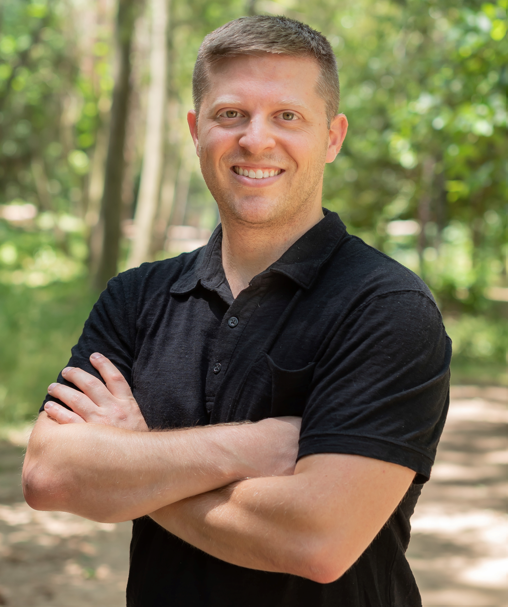
Jeff Archibald is one of the lucky few who was able to sell his agency, and now he advises other agency owners. In this interview, he reveals what he would do differently if he had to start his agency all over again. We break down the critical mistakes most founders make, starting with the failure to set revenue goals and reverse-engineer a plan to meet them.
Guest
Jeff Archibald
Agency Owner & Advisor, Archibald Agency
Chapters
Full Transcript
Sean Weisbrot: You ran an agency for a number of years and you're one of the lucky few who was able to sell it, and now you're advising other agency owners. If you were compelled to start your own agency again, what would you do differently that you didn't know the first time around?
Jeff Archibald: I mean, there's a lot. Do you just want me to rattle it off and you can kind of dig in wherever you feel interested or what?
Jeff Archibald: Sure. Um, I think there, there's a lot of stuff that we did. Well, uh, that was basically all unintentional 'cause it was a very unintentional start for us. But, you know, kind of like starting at the front, I think the first thing we'd really do is actually like, set some revenue goals and then reverse engineer how to actually meet them.
Jeff Archibald: You know, like we generally wanted to. Replace our salaries and that kind of stuff, but we didn't actually have any idea how to do that. We picked an hourly rate, we quoted out some stuff and we kind of crossed our fingers and hoped that we would have the right amount of revenue at the end of the day. So like, you know, working backwards to like, how many projects might we have to do, how many pitches might we have to do to land those projects, and how many leads or prospects might we actually need to talk to to have those pitches in front of 'em kind of thing.
Jeff Archibald: Um, you know, just kind of reverse engineering, which is something we did later on, but at the start, we really didn't do that at all.
Sean Weisbrot: Hey, business leaders and marketers, what if your brand could be featured right here? This ad spot could be yours. This channel is watched by a dedicated audience. Of ambitious founders, executives, and professionals who are actively looking for tools and services to help their business grow.
Sean Weisbrot: If you wanna put your brand in front of this highly dedicated audience, that's difficult to reach. I'm currently looking for a few strategic partners for the channel. To learn more about sponsorship opportunities, click the link in the description. Let's go together. I think that's really, really, really important.
Sean Weisbrot: I, I talk to so many people that are trying to start a business or are, have actively started a business. Even some of them are doing 20, 30, $50,000 a month. Some of them are even at a hundred thousand a month that are young. It's their first business. They don't, still don't really know what they're doing.
Sean Weisbrot: And when I talked to 'em about their goals, they've never even thought about them. Yeah. They have no idea why they're doing the business. They have no idea where they're taking it. They just know I'm making money and I wanna make more. And when I, when I go, why are you doing this? They're like, I don't know.
Sean Weisbrot: It makes money.
Jeff Archibald: Yeah. Yeah, exactly. And that's all well and good until you hit a downsell, right? Because that's, that's hard to get through if you don't have a bigger answer to the why question. You know, the motivation and desire and the, the why that underlies it isn't just money is the thing that kind of like gets you through the tough times.
Jeff Archibald: And I, I also found too that like it's all well and good when the projects are just rolling in referrals and stuff like that. Um, but. You know, everyone's gonna hit those bumps in the roads where it slows down. You need to understand how to kind of manufacture some of those sales and some of those, um, leads when they're not just kind of showing up.
Jeff Archibald: You know what I mean? So that's, that's another kind of thing that we never thought about until we had actual bills to pay.
Sean Weisbrot: And that's something that happened to me in a, a business. So a, after I stopped my startup three years ago, I started thinking about what I could do. And there was nothing in particular that ever really drove me as much as that the idea of the startup drove me, uh, which I lived and breathed it for four and a half years.
Sean Weisbrot: And I was really passionate about it. And I'm still passionate about the idea. And I still talk to people that think it's great, but unfortunately we just weren't there. We were too early and, and all that. And ran outta money, unfortunately, right. So since then I've tried multiple different things and what I found was referrals are really great either when I have something that people are referring to me or if I'm referring people to somebody else.
Sean Weisbrot: Because having my own business just isn't, it doesn't work for me very well. Um, it, it's just not the kind of thing that I like to do. I think it's much better to find people that need something and connect them to the people that can provide that service, because let them do all of the work and I get the money.
Jeff Archibald: Right. Right, right. Fair enough.
Sean Weisbrot: So there was this business I was working on, well, there was a friend's business I was referring clients to, and it's around meta agency ad accounts. So like for helping for the people who don't know, it's a special kind of account that's created by the representative of Facebook.
Sean Weisbrot: Who makes the account stronger than if you just make your own account and you can have lines of credit and you can scale. It's like most people, they start off with, uh, a hundred dollars, $200 a day that they can spend, and then you have to grow over time. Where with these accounts, you could literally spend a million dollars on day one if you wanted to.
Sean Weisbrot: So. Obviously I haven't seen anyone do that. And so what I was doing was bringing Black Hat clients because those black hat clients are used to getting their accounts banned and we were providing them a service that they couldn't really find elsewhere. We were charging a monthly fee, we were charging a setup fee.
Sean Weisbrot: We were charging, you know, a few percent of their spend. And so all I had to do was bring him the client, he sold them, and every month that they were there, I got, you know, some of the monthly and when they spent, I got some of the referral. So it was, it was a great business for me. He was doing all of the work and I got 50% of the revenue.
Sean Weisbrot: It was, it was an amazing deal and within like the first three or four months, I scaled it to, it was like five, $6,000 a month in passive commission for me. It was working really well. Then like August came, this is a two, about two years ago. Then August came and all of a sudden they all started canceling.
Sean Weisbrot: And I didn't know what happened. I couldn't figure it out. I was trying really hard to cross that 10,000 mark. It would be, you know, who doesn't want $10,000 a month in passive income? Right? That's like everyone's dream. And it just started to die. And I lost my motivation and I said, screw it. I, I, 'cause, because a lot of the people I was talking to were quite young and quite degenerate to be fair.
Sean Weisbrot: And they, they were first time business owners. They didn't, weren't even business owners. They were just like selling these sweepstakes and, uh, some things that were not terribly above board. Some, a lot of them were doing penis pills and, uh. You know, just things that, you know, do I really wanna spend my days helping people sell these things to other people?
Sean Weisbrot: Not really. Even though the commissions were great, so I didn't have this thing that like, drove me beyond the money. So when it started to die, I kind of lost my passion for it. And I just said, look, I'm, I'm out.
Sean Weisbrot: This, it doesn't make sense. But while, while it was running, it was running great, it ran for like seven or eight months and then it just died.
Sean Weisbrot: And I was like, I'm not gonna figure this out. It doesn't make sense.
Jeff Archibald: Yeah, it's kinda, it's kind of how it goes, right? Like, whereas if it was something that really had a deep, deeper purpose for you, that you could have found the motivation to, to continue to stoke the fire and kind of get through that dry spill.
Jeff Archibald: So yeah, it's critical to have that.
Sean Weisbrot: Yeah. I, I just wanted to make money. Yeah,
Jeff Archibald: fair enough. I mean, at the end of the day, we all need to, right? And that's gotta be a big part of it. 'cause the, the flip side of that coin is like. You can do the thing you love as much as you want, but if it's not gonna pay the bills and you're doing it 10, 12 hours a day, like that doesn't work either.
Jeff Archibald: So, you know, the ideal is the overlap of that Venn diagram and stuff. You love to do that. You can get lost in deep work for a long time and it pays well. It's kind of the magic middle.
Sean Weisbrot: Sure. So one, so how soon would you make those goals and, and set them and focus on working backwards? Because I think it's, it's, people don't really think about it.
Sean Weisbrot: So.
Jeff Archibald: I think like, I think it can't hurt to just do it right out of the gate. Right. And just like kinda do it lean, do like an MVP version because you're gonna be guessing, right? You don't really know what you're gonna be selling things for. This kind of factors into another point I wish I would've done back when I started.
Jeff Archibald: Um. But you don't only know what you're gonna be selling things for. You don't know what your close rates are gonna be. You don't know anything like that, but take a stab at it, like make a hypothesis out of the gate. Do it for a month, two months, a quarter. And then at that point you'll have a little bit of data and then you can actually like figure out what the numbers are and then you can go chase down what you need to do.
Jeff Archibald: You know what I mean? And then that kind of like. Leads into one of the other. The kind of following points for me that we didn't do, that I wish we would've done was just kind of reinvesting into promotion. You know, like we, we did it. We paid ourselves the meager amounts of money that we made for the first few years, and we just tried to do like everything ourselves.
Jeff Archibald: You know, we didn't spend anything on a marketing strategy. We didn't spend anything on SEO or PPC or anything like that. It was like bare bones, free tools, super cheap shit, whatever we could do to save a buck. And like, I think that in retrospect, that really is a super risk averse approach, probably too far on that side that hindered our growth.
Jeff Archibald: So. Now, if I were looking back on it, I would've earmarked the portion of that revenue that we were bringing in for promotion, and it doesn't need to be like. Something crazy expensive either, you know, we, there are newer firms that start up at the same time as us, do like a work swap with them. You know what I mean?
Jeff Archibald: If you, if you can, uh, get buddy, buddy with an SEO firm or you know, something like that, and you can do a bit of work for them. If you have a complimentary service, they can do a bit of work for you. I think that would've made a big difference for us in the start two,
Sean Weisbrot: which would you invest in? First? Paid ads or organic growth?
Sean Weisbrot: Now. If you were to start an agency today, right? Which, which channel would you go after first?
Jeff Archibald: I think it would probably, if I had, if I had a bit of cash, I'd probably do paid ads. Um, organic growth is pretty slow. Um, paid ads, kind of rubber hits the road a little bit faster. Of course, everything, you know, the whole chain of, of, uh, lead gen needs to be in place, probably do it that way, but.
Jeff Archibald: The other side of it too, and this isn't really like paid marketing or visibility, but like the strategic partnerships angle is probably one I would chase down in Tandem.
Sean Weisbrot: Can explain more that more in depth.
Jeff Archibald: Yeah. The, we kind of stumbled into a strategic partnership with a Ruby on Rails dev shop that had no designers, so we did all their UX UI interface design and it was just because we kind of met each other.
Jeff Archibald: And kind of worked out. It wasn't intentional, but it ended up being this really kinda fruitful partnership because we would refer them projects that we didn't have the desktops to build. We would do it together. They would do the same thing when they needed to do XUI design. And so it was just this whole other source of continuous projects and leads for us.
Jeff Archibald: Um. You know, so chasing down a few more of those like, you know, small business consultants, um, even like, yeah, we ended up working a little bit with search engine firms 'cause we, we were a web shop but we weren't hardcore, SEO, anything like that. So I probably invest in some of those alongside, um, you know, the paid ads side of things as well.
Sean Weisbrot: So that's something that I'm working on right now. We spoke to, we spoke about it. You had met Mark, the owner of the agency. So I am. And so for those who aren't aware, I've invested in an automation agency and what I'm doing for the business as their investor. Is, I'm not involved operationally, but I'm building the referral network.
Sean Weisbrot: And actually I spoke with Jeff, uh, about this because I believe that some of his clients could potentially be clients for the agency. And so that's my focus, you know, because the founder doesn't have time to build that referral network. And I just happen to come across, through doing these interviews, a number of people that either are a potential client or serve our potential clients.
Sean Weisbrot: This is something that I found is really valuable, and that's how I built my eight figure agency, was because I had built a network of people who were bringing me clients, and I was rewarding them handsomely because I could afford to. Um, I've mentioned this before, some of the commissions were 15, $20,000 because we were doing six, seven figure work and.
Sean Weisbrot: It was really, really valuable for them, and so when they saw those commissions hit, they were really excited to come and bring more clients as fast as possible, so. I do believe that there's a huge strength in that because, for example, uh, the, the pitch that I make to some of the other people that I talk to besides yourself is, look, you've got a strategy.
Sean Weisbrot: You're, you're coaching them. You're telling them what they should be doing, but you don't have the, the ability to do a technological implementation within their business to make those things stick. So you can have your strategy and we can help you implement it in that business. And so that's really been resonating.
Sean Weisbrot: So like, you know, this may not work specifically, uh, based on the agency that a company, you know, that, that someone is running. But, you know, obviously think about what your agency does and then look for people that could benefit, uh. Like I was going to PR firms and because I noticed that a lot of PR firms were bringing me their clients to be interviewed, and so I started building relationships with the PR firms.
Sean Weisbrot: 'cause they're used to just passing off the client to have an intro call where I actually was saying to them, Hey, I wanna talk to you too. Let's do a call before I talk to your client. Because if they pitch me one of their clients. Fine. But if I have a 20 minute call with them, they might have 10 clients that they need to, that, you know, they realize would benefit from being, you know, interviewed by me.
Sean Weisbrot: And so now I don't have to go and find nine, nine other people to interview. I can just have those people come to me so I do less work and I can tell them the kind of people that I want that are gonna benefit the automation agency or the other people that I'm referring to services to. So these strategic partnerships can help you save a lot of time and energy and build your business much faster.
Jeff Archibald: You're, you're a hundred percent right. Like, and I think the part that people miss a lot is it needs to be mutually beneficial. You know, people think about strategic partnerships or they go look, they talk about partnerships, but they kind of go into it with a take, uh, attitude. You know what I mean? Like, what can I get from this person?
Jeff Archibald: Um, you know, and. I found it works a lot better if you, if you just go into give and you go into help out first, and then like, uh, the people who in turn give back to you. Those are the ones that you double down on. Um, but if you go into these kinds of relationships just looking to take, or the other person's looking to take, it doesn't work.
Jeff Archibald: It needs to be mutually beneficial, then it can turn into this kind of flywheel relationship where it's just one, one firm feeding the other. Everybody's winning, everybody's getting paid, everyone's clients are happy.
Jeff Archibald: Um, that's, that's like really. Where it becomes, uh, like a monumental thing.
Sean Weisbrot: So I wanted to ask about.
Sean Weisbrot: Like first clients, um, and a lot of people are starting an agency and they don't know how to get their first client, and you were saying if you had cash, you would then go into the ads. Something that I was thinking about was, you know, if I were to do a service business again. I'm, I'm looking for things where they're paying five, six figures because, you know, two, uh, three, four figures, it sucks.
Sean Weisbrot: It's a lot of work and you're serving people that generally they care so much about that little amount of money they're giving you that they're gonna be difficult to manage. So how do you, how do you craft an offer that can then get those clients that are paying four figures or five figures even?
Sean Weisbrot: 'cause you know, that's.
Jeff Archibald: The val, the value needs to be there. You know what I mean? And that's a kind of a like, very consultanty answer, but like, you know, if, if you're a graphic designer and you're doing logos and business cards and stuff like that, like, and that's where I started, that's where my heart lies.
Jeff Archibald: So no dissing graphic design firms, um, but like that's hard, right? That's a competitive feel and it's been kind of commoditized. And you can't be a single freelancer just getting out of the gates, charging people. $50,000 for that kind of work, or a hundred thousand dollars for that kind of work, it's just not gonna fly.
Jeff Archibald: Um, where, where you have to position your sort of offer and you need to have the experience and expertise to be able to do it, is to say, have the conversation with the prospect. Figure out what the true value of this thing is going to be. So for example, if I'm consulting with an agency who has zero sales process, they've kind of stumbled upon a million dollars of referral work a year or something like that, or a small firm, if I come in and say, I can install a sales process, that's gonna net you guys another 500 K to a million dollars a year.
Jeff Archibald: That's huge value. And so they're gonna easily pay me a hundred K to do that, even if it's gonna take me two months. You know what I mean? So that's a good example of the value of the work is so high that you can charge a premium for it, but you also have to have the proof and the experience that you can do that kind of work.
Jeff Archibald: Um, or else, I don't know why people would actually buy into it, you know what I mean?
Sean Weisbrot: Yeah. I, I love that you said that because I think a lot of people don't understand the value that they provide, uh, because I think a lot of services are commoditized. Unfortunately, when I first started doing, uh, that business many years ago, I was focused on fundraising, which is very commoditized.
Sean Weisbrot: Like, just gimme 5% and, and that's it. Um, but then I came across people, oh, gimme an upfront fee as well. And you're like, oh, interesting. Okay. Because like there's a million companies that want to get funded. But there's not a million companies that are gonna get funded. Maybe 10,000 of them may get funded, and you may end up spending a year serving 30 of them and getting zero because you picked the wrong companies to get funded and they paid you nothing upfront and you couldn't get them any money on the back.
Sean Weisbrot: So you, you work really hard for them and get nothing. And so when I saw, okay, these people are charging up front, then that's interesting because now you can feed yourself and it gives you the space to market. It gives you the space to go out and build that network to go and actually work for them and to try to help them to raise money.
Sean Weisbrot: I didn't do that myself, but, but it, it taught me something. Um, and. I had also learned when I was advising, and then they wanted me to do other services as well, how to add people to, to like at, uh, as I needed to bring them in to provide the extra value. Because if they come to you and they need something, when you talk to them, you realize they actually need a lot more.
Sean Weisbrot: But they don't realize that they need that. And so when you get to know them and they trust you, and you say, I, I think you would also benefit from this. And they say, well, I'm already working with you. I trust you. Sounds good. Let you know who is that? Is this your team? Is this an external person? And you go, well, it's an, it's, it's an external person.
Sean Weisbrot: Let me introduce you to them. They're more likely to work with that person. That person's gonna provide additional value to them, and you're gonna get a commission for bringing the that person work, and you're making the company even happier and they trust you even more and they wanna stick with you for longer because they're also hoping that as they grow and their pains grow, that you can help them to solve additional problems that may not be your core strength.
Sean Weisbrot: That, you know, someone that can do it. So that's, that's a one strong way to provide value. Another strong way you're talking about is based on, uh, what is your gain? And that was something that, uh, I learned from my mentor a long time ago, that, as you said, if, if I'm gonna consult you and I'm gonna, I'm gonna bring you revenue, that's another million or 2 million, then you should be paying me a hundred K, not, you know, a thousand, 2000, 3000, because the value is just not to measure it with what you're paying.
Jeff Archibald: Yeah, for sure. And I think like a lot of, a lot of folks early on in their agency or consultancies service sort of business are, can be scared to put those numbers in front of clients, right? They're worried about overpricing the client right outta the gate and losing the work, right. That maybe they desperately need.
Jeff Archibald: And one of the things I wish I had known back when I started my firm and would've done and had I known that we adopted much later, was the kind of three options approach. I dunno if you've heard about this. I've learned about it from Blair Ends, which is a one without pitching. Um, basically what it is, is you don't just give the client one quote for one piece of work.
Jeff Archibald: To your point earlier, you figure out what their problem is, usually with a wedge offer, like a diagnostic or something like that, and then you come back to them. Three different ways you could solve the problem. And those should be widely ranging in cost. And I found when we started to adopt that kind of three options model, that my fear of overpricing a client and losing them went out the window because there's always gonna be two versions that would, were in their budget.
Jeff Archibald: So if a client said, I have 150 grand to build this thing, I would say, okay, cool. We'd give them. You know, $150,000 quote, here's what you get. We would give them maybe $125,000 quote, here's what you get. But then we would give them the $400,000 quote and say, here's what this is gonna do. All the things you haven't thought of, all the problems that you, you haven't really dug into.
Jeff Archibald: We would give them this on a one one pager and we would walk 'em through it on the phone, and it's surprising. A, how it removed the fear of us swinging from the fence. B, how our close rates run up and our average, uh, sale value went up. So like that whole option of having three options in the proposal to any client right outta the gate.
Jeff Archibald: Something I wish I would've done earlier too.
Sean Weisbrot: Do you present the highest option first or do you present it last
Jeff Archibald: first? Um, uh, the way that I was taught was. You come in with a high option and you say Option one, it has a name whenever it is like valued partnership is $500,000. And you just go right to the number and it's like a bomb goes off and you let it sit there for a minute and then you say, here's what you get.
Jeff Archibald: Here's what you don't get. Here's the reason you picked this one. And then you go to the next one, and what that does is anchor the client super high. That way the middle option seems a lot more reasonable. Also, when you go to the next option, the middle option, you're removing stuff and that's now you're playing into loss aversion, right?
Jeff Archibald: You're not upselling them. They're now, they're not getting things and they're kind of the tendency for us as people, the psychological side of it is to be like, oh, but I want that thing. I was gonna have it. Now it's getting removed. You know what I mean? It's a bit of price bracketing and price anchoring, and also a little bit playing in the loss of burden.
Sean Weisbrot: So based on that pricing strategy, you're, you are playing to get the middle tier.
Jeff Archibald: Know, I'm kind of planning to get both, but yeah, like you're aiming for the middle-ish. Most people pick the middle, right? 'cause the, the big one's big and usually way above their state of budget. And also I would position the cheap one as the cheap one.
Jeff Archibald: And people don't wanna be cheap, right? They, they're looking at these options and they're like, ah, I don't wanna be the cheap guy. This middle one seems all right. You know? And this is like, you've seen it on a million SaaS pricing pages, right? It's this exact same psychological effect.
Sean Weisbrot: Well on, on SaaS pricing.
Sean Weisbrot: Normally that scary one is usually enterprise. Please contact us for pricing. Yeah, totally. So you don't actually get exposed to it.
Jeff Archibald: Yeah. Which is interesting, right? Like and I think that's probably just 'cause it's really difficult, like they. It's difficult to have a SaaS pricing page that any web visitor in the world can see and have a price that would work.
Jeff Archibald: They wanna actually get the enterprise client on the call to figure out the scope so they can price it properly. Whereas like if you're a consultant, you've already had this style of conversation, so you can go wait and come back with a customized kind of three option sheet.
Sean Weisbrot: What else have we not mentioned that you think is really valuable to mention about something you've learned?
Jeff Archibald: I think probably the last one would be planning for growth. Um, we were very reactive, you know, we get too busy and then I go, oh shit, I need a backend developer. We get too busy and now I need a project manager. And it was totally reactive hiring. And then eventually we sort of figured out what the company looked like.
Jeff Archibald: And the analogy that's kind of in my brain is like, you know, when you start building a deck or something like that. You don't just start hammering boards together, right? You at least like sketch it out on an napkin. You have a general idea of what you're gonna do and then you go start building it to plan.
Jeff Archibald: But we don't, agencies often just start hammering boards together when they're building their company, and so. What we did that worked really well for us is we would like literally map out our version one, you know, the kind of scrappy startup sort of thing, and then we'd map out our version 1.5 and our version two, our version 2.5, our version three, and scaling up.
Jeff Archibald: But not just like, not only the, um, roles and accountabilities for the firm, but also the financial side of it. So how many. Um, people in this development role, what's their available time target? What's your true salary? All that kind of stuff. What's our real shop rate? So you can figure out what the, the revenue and profitability potential of the company in each of those versions would kind of be.
Jeff Archibald: And then you can start to actually like, work towards a vision of a company that is 5 million instead of two. And it's, you know, you're following a plan as opposed to just randomly doing it.
Sean Weisbrot: When, when Mark and I were doing our last tech company together, he was my COO and he did all of that stuff. He was like, oh, we need an org chart.
Sean Weisbrot: We need this and that. And I was like, all right, go for it. 'cause he, he understood how to tie financials to the planning. Because the investors, for people that wanna raise money from investors, even when you're really early, the investor's like, okay, how much are you raising? And where is it going? And you have to be able to show this like five year plan, like, I'm gonna hire this person, then this person, then this person, then this person.
Sean Weisbrot: It's like, this month we're gonna have 20 people. Next month we're gonna have 22 people. Next we're gonna have 25 people. What are their salaries? How does this impact the organization? How does the chart evolve?
Sean Weisbrot: Because you know, when you're, you're, you're looking at raising millions of dollars where you're gonna be hiring dozens or hundreds of more people with that money.
Sean Weisbrot: So, uh, you know, the vast majority of the money you're hiring is going towards being able to create more value for the company in that early stage. It's not about revenue and how does revenue allow growth, but rather we're borrowing this money in order to create this growth that, you know. Isn't gonna create revenue so fast.
Sean Weisbrot: So it's a very different mindset. Um, but, but yeah, if you ask me to do all of that at the scale that he was doing it, I can't do that. But it was, it was something that he did.
Jeff Archibald: Yeah, for sure. But it's helpful to, to make sure, make sure you're kinda, the ship is pointed in the right direction, you know what I mean?
Jeff Archibald: I don't think you need to do it necessarily, like immediately out of the gate, but at a certain point you do.
Sean Weisbrot: Right. So on the VC side, you have to do it. So you know, oh, in the case that we only raised a million in the case that we raised 3 million in the case that we raised 5 million, right? So you have to do multiple cases over multiple years. You have to create multiple models along with p and l models.
Sean Weisbrot: You have to create p and l models based on, you have to create P, p, and L and and org chart models based on that one, that three, that five. And it's a three or a five. 'cause some, some investors want three of us. So it's like a lot of work. And he got very frustrated fairly because we kept changing those targets and changing those models and changing the raise amounts.
Sean Weisbrot: So he is like, when are we just gonna have the money and be done with it?
Jeff Archibald: I get you, man. It'd be much easier that way.
Sean Weisbrot: Yeah. So we, we both much prefer service-based businesses because you don't have to think about a lot of that stuff.
Jeff Archibald: Yeah, it's totally fair and it's nice when, you know, if you're like able to just like reinvest in the company, then you know you're the boss. You get to call the shots.
Jeff Archibald: You know, everything has its pros and cons, but I found that really, um, uh, I enjoy that freedom, I guess.
Sean Weisbrot: Yeah, I do too. What is the most important thing you've learned in your life so far? Most
Jeff Archibald: important thing I've learned. I don't know. It's probably that we are more than just one thing. And what I mean by that is that I think when, when we are involved in, um, building our businesses, we identify as entrepreneurs and that gives us value.
Jeff Archibald: And I think that's really important. But I think it's important to understand that we're more than that. Um, you can, that entrepreneurship, that side can go away at any point. And if that's what your entire identity is wrapped up in, then. All of a sudden you have no identity. You know what I mean? And you know what it's like, businesses are hard.
Jeff Archibald: Sometimes they fail and it's, you know, nothing on you. It's not, not anything you particularly did. So I think for me, especially as I was stirring down, um, after my sale, stirring down my exit, I really had like come to terms with the fact that like, I wasn't going to be an entrepreneur, or at least I wasn't gonna be Jeff who ran paper leaf anymore.
Jeff Archibald: You know what I mean? So I needed to figure out more about who I was and identify as, you know. A back country skier and a mountain biker and all these things I enjoyed to do, but kinda, uh, had put on the back burner.
Sean Weisbrot: And this was two and a half years ago that you sold the company?
Jeff Archibald: Yeah, I sold it in 2020. 2020 I think. And then I was around for three years for a transition period, and then I left at the end of 2023.
Sean Weisbrot: And what. What have you learned from that? You said you, you put, you had things on the back burner, you started to, I guess do the, those activities that you loved again. So what, what, what have you learned since you left the business?
Jeff Archibald: I learned that I was burned out and that's why I left. I wasn't loving the business anymore. Um, but when I had, you know, I took basically the last year and a bit. Totally off. And I was just skiing. I moved to a mountain town, um, built a house there, skiing, riding my bike, doing all that kind of fun stuff.
Jeff Archibald: And it's a great lifestyle. Um, but I missed the business side and I missed using my brain for that kind of work. And so I ended up coming back into the agency consulting side. Um, truly because like I enjoy helping.
Jeff Archibald: Businesses run a little bit better. And I learned that because I got fired up when I'd hear people talk about working for shittily run places and it would drive me nuts.
Jeff Archibald: And so that kind of clued me into the fact that, um, I love business and I don't wanna leave it entirely behind, but I do wanna have a better balance than I had before, uh, which was just kind of, it took up too much of my life back then.
Sean Weisbrot: Thanks for watching. If you liked this insight, I've handpicked another video for you right here on the screen.
Sean Weisbrot: For more actionable strategies that get you real results, hit subscribe.