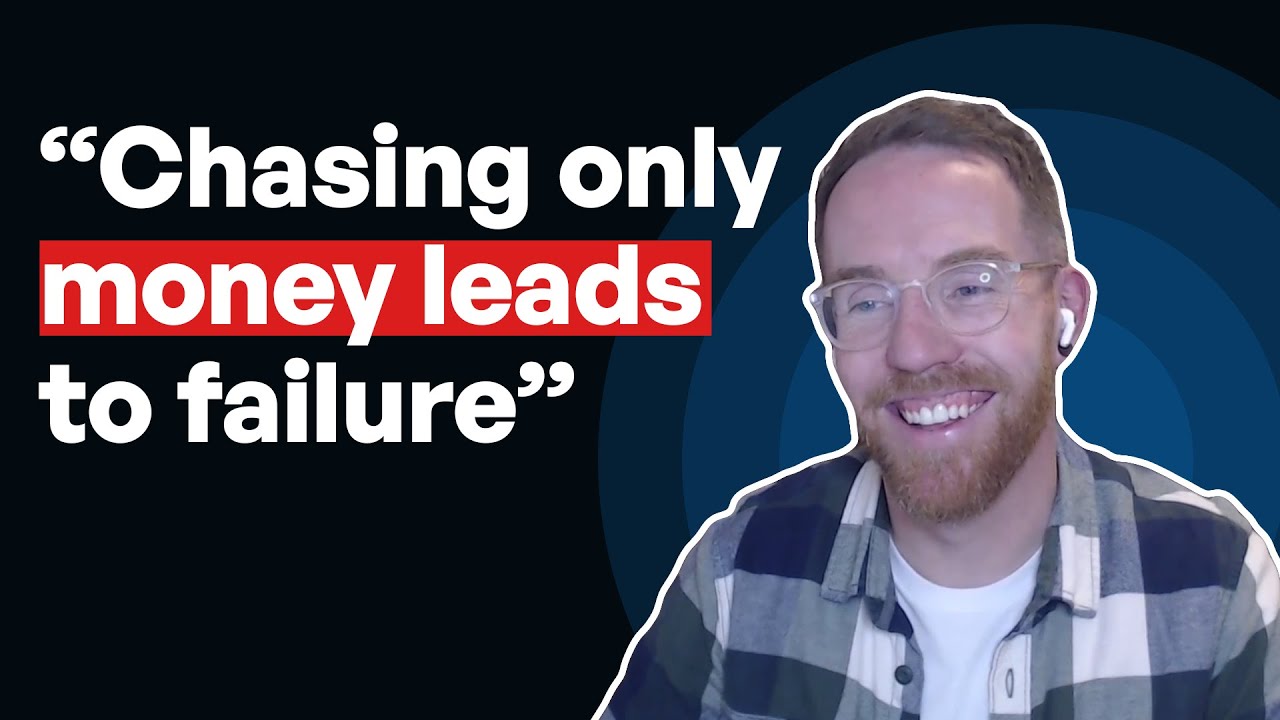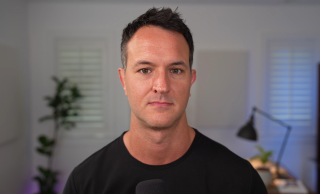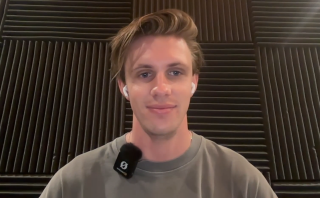
Founder vs. Investor: Which Role is Actually Harder? (Mike Lazerow)
Which is harder: being a founder or being an investor? Mike Lazerow has done both, building and selling companies for nearly $1 billion and now running a $400M VC fund and a PE firm. His answer might surprise you. In this interview, Mike unpacks the "existential dread" of entrepreneurship versus the challenges of deploying capital. He shares why he's most excited about AI transforming "boring" businesses, the reality of feeling lost and purposeless after a massive exit, and the single most important lesson he's learned: your network is your net worth.
Guest
Mike Lazerow
Founder & Investor, Velvet Sea Ventures
Chapters
Full Transcript
Sean Weisbrot: Which is harder being a founder or being an investor.
Mike Lazerow: Being a founder is so much harder. Investors have their own worries. We've done both.
Mike Lazerow: You gotta raise money. You gotta create a product that invest that entrepreneurs like.
Mike Lazerow: But the existential dread of being an entrepreneur, of waking up and not knowing where your next client is, who's gonna quit?
Mike Lazerow: How you're gonna fill this hole in your team. That is just such a different experience and having lived both.
Mike Lazerow: There's no doubt that entrepreneurs have a much harder job than investors.
Sean Weisbrot: Hey, business leaders and marketers. What if your brand could be featured right here?
Sean Weisbrot: This ad spot could be yours. This channel is watched by a dedicated audience of ambitious founders, executives, and professionals who are actively looking for tools and services to help their business grow.
Sean Weisbrot: If you wanna put your brand in front of this highly dedicated audience, that's difficult to reach.
Sean Weisbrot: I'm currently looking for a few strategic partners for the channel.
Sean Weisbrot: To learn more about sponsorship opportunities, click the link in the description. Let's go together.
Sean Weisbrot: So I actually interviewed a guy a long time ago who was a vc, quit to become an entrepreneur and then quit to go back to being a VC because he said the same thing.
Mike Lazerow: So I'd love both. However, you're not an investor unless you have money, and so once you have the money, it's about making the right decisions and supporting the entrepreneurs, and the rest is really out of your hands.
Mike Lazerow: When you're the entrepreneur, you are responsible for, whether it's five people at your company or 5,000, you're responsible for those people.
Mike Lazerow: You're responsible for kind of getting to the future faster, and there's pressure. Is different.
Mike Lazerow: Having said that, I'd love to get an entrepreneur more.
Mike Lazerow: I love suffering more than sitting around and just deploying capital.
Mike Lazerow: And the suffering of an entrepreneur is where you find your purpose and your passion in life
Mike Lazerow: if you're an entrepreneur.
Sean Weisbrot: But aren't you currently focused as a vc?
Mike Lazerow: We do both. We have a VC business, which you have about 400 million assets under management, velvet Sea Ventures.
Mike Lazerow: We also have our own private equity business where we're buying cashflow businesses, so we own businesses, and so we're running those businesses.
Mike Lazerow: And you know the book process, which we kind of wrote a book, and then it became a New York Times bestseller that felt like a company.
Mike Lazerow: And so we're basically scratching both itches. I will tell you that our suffering and our concerns come more from owning the businesses than just the investment side.
Sean Weisbrot: Yeah, I've spoken recently to several PE firms and they are thinking about buying companies and having to raise money from other people 'cause they're not independently wealthy, so they've gotta raise money from people to go buy those businesses and to prove that they can run those businesses.
Sean Weisbrot: And so they, their concerns were similar where they're like, yeah.
Sean Weisbrot: You know, they, they didn't have bo both of the, the founders hadn't previously opened a business.
Sean Weisbrot: And I, I said, you know, how do you, you know, justify buying a business when you don't really have experience running a business?
Sean Weisbrot: He's like, but my, my PE firm is a business. I'm running a business.
Mike Lazerow: It is a business, so our venture capital firm is a business.
Mike Lazerow: You know, we had to go out and raise capital.
Mike Lazerow: We then had to like deploy it into entrepreneurs who we really believed in. It's just a different type of business.
Mike Lazerow: If you are fortunate enough to be a venture capitalist, it's the best business model ever.
Mike Lazerow: You get paid a to manage the money, and you get a piece of the upside, typically 20% after you return your capital.
Mike Lazerow: Our buying businesses, that's all our capital. It is. We're responsible for the teams.
Mike Lazerow: We feel like we're part of the team. So it's just a different type of business.
Mike Lazerow: But if you look at people who've built great venture businesses or PE businesses, they're entrepreneurs.
Mike Lazerow: So you can't say that, whether it's Devon Perak at I at Insight, or you know, Josh Kushner at Thrive.
Mike Lazerow: Built businesses as an entrepreneur, but they're very unique in their space.
Sean Weisbrot: Are you taking the profit from the VC firm to fund the PE firm?
Mike Lazerow: I mean, it's all in one bucket. So Cass and I have worked together for 30 years.
Mike Lazerow: We have, you know, done eight businesses and so, you know, I wouldn't say we're taking one to fund the other.
Mike Lazerow: I would say that our success as an entrepreneur, where we made, you know, boatloads of cash, that has powered our ability to then go find deals and buy companies.
Mike Lazerow: Whereas the venture capital business even know a big. Big portion of the money is our money.
Mike Lazerow: We also have outside investors. So you know, success breeds success.
Mike Lazerow: But what we like about is on one side it's all about innovation and the future and deep tech and software and AI and you know, and Liquid Death and some other brands that we love.
Mike Lazerow: And then on the other side we're talking about. Boring businesses.
Mike Lazerow: So an executive search business that's been around for 25 years with 2200, you know, clients and 6,500 successful placements, you know, that's a business that generates cash, that if you just serve the customer well do what you say.
Mike Lazerow: And in that case, higher a-list talent, you'll continue to grow it, which is why we love it.
Mike Lazerow: So it's this barbell approach that as investors and entrepreneurs we love.
Sean Weisbrot: What's been the thing that you've enjoyed the most? Working on which brand?
Mike Lazerow: Man? Oh man. I mean, we have a hundred deals on the venture side, both personally and through the fund, and I think the most enjoyable part of that is working with entrepreneurs and seeing them succeed.
Mike Lazerow: There's nothing better than seeing an entrepreneur grind it out, suffer, get to the other side and reach their dreams.
Mike Lazerow: Whether it's being a public company, which we've, you know, done or, you know, big exit, like the $5 billion exit.
Mike Lazerow: Um, that's scopely one of our seed investments had to. Savvy games.
Mike Lazerow: You know, liquid Death is a really great example of, here's a creative director, Mike Cesario, who comes up with an idea to market a wellness product water in a very novel, innovative way across social media.
Mike Lazerow: Did we think it was gonna be a billion dollar plus company?
Mike Lazerow: We thought it could be a big company, but seeing him succeed.
Mike Lazerow: Has given us a lot of just personal enjoyment since we were there from pre-launch in the beginning.
Mike Lazerow: And then on the owning business side, it's really seeing people reach their full potential.
Mike Lazerow: So it's all about people. It's all about, you know, where are you today, where do you wanna be?
Mike Lazerow: And we've just worked with great people like Dina Berg, who's a COO of that business who came from tech and wanted to run her own business.
Mike Lazerow: And you know, she's just done a phenomenal job. So it's.
Mike Lazerow: You know, it's just seeing people succeed and we love that.
Sean Weisbrot: What are you most excited about for the future?
Mike Lazerow: The number one thing I'm excited about is boring businesses that use AI to streamline processes, to find new customers, to communicate in a better way.
Mike Lazerow: And we just think that although all of this. Discussion about AI has been focused on open AI and these multi-billion dollar platforms.
Mike Lazerow: It's the plumbers, it's the painters, it's executive search firms, it's the accountants, it's the small law firms that are gonna use the this technology.
Mike Lazerow: And if you are owning a business today, even if you have three employees, how do you use this technology to automate a lot of the stuff that frankly you hate doing?
Mike Lazerow: Like stuff that you don't love doing, whether it's cold outreach, whether it's kind of. Inventory. Right.
Mike Lazerow: So I was just talking to a small business owner who, you know, has a retail store in New York City and they're automating all of their rebuying of inventory.
Mike Lazerow: So it used to be you'd spend hours like walking through the store and this company has like thousands of SKUs.
Mike Lazerow: So I'm not gonna talk about what it is, but it, you know, it's in kind of like the crafting space and has a lot of stuff.
Mike Lazerow: And so now he gets four hours a week back because he's able to say, oh, we're low on this.
Mike Lazerow: We should order this. And then using the technology to understand like. What's selling fast?
Mike Lazerow: What should they ramp up? What areas in the store should they re, you know, repurpose for other things?
Mike Lazerow: And so this technology, like we both were probably on AI right before this interview. Right? I know I was.
Mike Lazerow: And whether you're building apps, whether I was just building a dashboard on lovable, um, use the technology.
Mike Lazerow: If you aren't doing it today, your competition will, they'll get to the future faster and they'll just have a better business.
Sean Weisbrot: I've been saying this for at least a year, maybe a year and a half.
Sean Weisbrot: I've been screaming at everyone I can. He runs SEO Agency.
Sean Weisbrot: I think it's an eight figure agency, and he's using AI in everything that he possibly can for that agency, serving customers, processes, et cetera.
Sean Weisbrot: He has another business that buys boring businesses that AI is not gonna disrupt.
Sean Weisbrot: And I think you two have a very similar philosophy.
Sean Weisbrot: He, he goes straight out there and says, I use ai.
Sean Weisbrot: You need to use ai, but I'm only going to buy businesses that AI's not going to destroy.
Sean Weisbrot: And he says, plumber businesses, uh, you know, h HVAC businesses.
Sean Weisbrot: You know, you can use AI to make those businesses more efficient.
Sean Weisbrot: And so he's probably looking to buy from guys that are in their sixties and seventies, and the kids don't want anything to do with it.
Sean Weisbrot: And so someone younger can come in and make things automated, make them more efficient, make them more profitable, possibly, you know, add revenue to, even if you don't, it's still cashflow.
Sean Weisbrot: If it's a, you know, 2 million, 5 million a year, it's still gonna be profit.
Mike Lazerow: Yeah.
Sean Weisbrot: I think you have a very similar philosophy as him,
Mike Lazerow: and it's not, other technology was not accessible to people who weren't technologists, right?
Mike Lazerow: Like, you're not gonna build an iPhone app. This is the best technology for whoever you are.
Mike Lazerow: If you're an 80-year-old running a business, whether it's a law firm, accounting firm.
Mike Lazerow: If you have a beginner's mind, which I know a lot of you have, you can use this technology like Alan Patov, who you know was one of the buddy media investors He invented, you know, venture capital, you know, or helped invent venture venture capital with Apex Partners.
Mike Lazerow: He has a new fund focused on the Aging of America primetime partners, and they're using AI across everything because you don't need to be it.
Mike Lazerow: A programmer, you need to be able to talk to the system.
Mike Lazerow: And how you do that is you just do it. You start communicating with these machines, Hey.
Mike Lazerow: I'm looking for a way to store investment pitches that are coming my way.
Mike Lazerow: What's the best way to do it? Well, here's some ideas.
Mike Lazerow: If I were to use that, what's the scale from one to five I should be focused on, right?
Mike Lazerow: It's like this co-pilot thing that you're just talking, and don't be scared.
Mike Lazerow: There's no reason to be scared to start using it, and the more you use it, the more excited you get.
Mike Lazerow: I've seen it hundreds of times now.
Sean Weisbrot: I'm gonna throw you a curve ball. You may have been asked this question before, maybe not.
Sean Weisbrot: It's something that I have felt and struggled with and I, I think you might have experienced it as well, which is why I wanna ask.
Sean Weisbrot: When I had a consulting business that did eight figures, I obviously walked away with a lot of money from that, enough that I felt like I was lost.
Sean Weisbrot: Like I, and I lost my sense of purpose in a way like. I don't need to work anymore.
Sean Weisbrot: Should I, uh, what should I do? How should I feel? Like, what should I do about this?
Sean Weisbrot: And you know, I, I know that you had really large exits, so I was wondering if after one of those exits you kind of felt lost, you felt disconnected, or you felt numb, or, you know.
Mike Lazerow: So yes, I mean all the above.
Mike Lazerow: And I've spent a lot of time with founders and their organizations like Chapter X that actually are focused on like Founders post exit.
Mike Lazerow: I was at one of their events in LA earlier this year, and a very big founder sold the business for, you know, over a billion dollars and made hundreds of millions.
Mike Lazerow: You, he said flat out, I'd give the money back in a second just to.
Mike Lazerow: Get my company back and find my purpose again. I said, would you really? Let's be serious about this.
Mike Lazerow: And what happens is, you know, and you hear about this, but when you experience it, it really hits hard.
Mike Lazerow: The money doesn't change you. For the most part.
Mike Lazerow: You realize that life is not about the money. It's about.
Mike Lazerow: The passion, the purpose, the waking up in the morning and having a place to go.
Mike Lazerow: And we all feel lost. I did, so I haven't talked about this, but after I left Salesforce, we sold to Salesforce close to a billion dollars.
Mike Lazerow: I spent close to four years there.
Mike Lazerow: Loved it, still loved the company. And then I'm, I was burned out and I went to Mark Benioff.
Mike Lazerow: I said, you know, I'm gonna take some time off. And I got a painting studio.
Mike Lazerow: In New York City, Cass, my wife actually got it and I was just miserable 'cause I was bad at painting.
Mike Lazerow: I wasn't doing what I was put on this earth to do.
Mike Lazerow: I didn't have any sort of purpose, even though I was working on a series of paintings based on my entrepreneurial experience.
Mike Lazerow: And it was a good like three years that I was looking for my way, which is why I jumped back into being a founder.
Mike Lazerow: Started a company that ended up not working out and launching the venture fund and getting to the point where I was like, I work for a living.
Mike Lazerow: It's what I do. It's who I am, it's why I'm here.
Mike Lazerow: And the other thing that happens when you make money is other people start treating you very differently.
Mike Lazerow: I don't know if this was your experience. They think you're smarter.
Mike Lazerow: They think you somehow have changed their expectations, good or bad.
Mike Lazerow: You know, we always pick up the bill and we always, even when we didn't have money, we just think it's a, like, we love taking people out to dinner and like treating when we can.
Mike Lazerow: I mean, now it's like for some friends they like fight over the bill, whatever.
Mike Lazerow: But there are expectations from some about how you spend your money. Um.
Mike Lazerow: A lot of inbound asks a lot of inbound investment opportunities. Saying no is hard.
Mike Lazerow: We made a lot of bad investments 'cause we weren't strong enough to say no to certain people who maybe have supported us in the past.
Mike Lazerow: And so it just took a little kind of getting back on our feet.
Mike Lazerow: However, it's like these are first world problems, right? Like these are, you have all the issues in the world.
Mike Lazerow: They're awesome issues. We're talking about like identity. We're not talking about how do I feed a family.
Mike Lazerow: We're talking about what do I do with my day verse, how do I get outta bed because you know, I'm paralyzed, I have health issues, right?
Mike Lazerow: So we're constantly reminding ourselves that we're the luckiest people in the world.
Mike Lazerow: We have our health, we have great relationships, including, you know, our marriage. Cass and I worked together.
Mike Lazerow: And no matter how down we get, and we got down just yesterday, we're like, man, we're doing so much shit that we hate, like literally like stuff that we're doing with our businesses that we're like, how are we in this position that we're spending our time doing stuff that we really don't love?
Mike Lazerow: And then we come back and we just say, 'cause we're entrepreneurs. We show up, we shovel ship.
Mike Lazerow: Like there is no, like, just do the thing you love.
Mike Lazerow: You also have to tend to the store and tend to people and be present.
Mike Lazerow: And a lot of rich people when they retire, they say they, you have one friend who just sold a, you know, a bunch of medical practices and he sold it thb.
Mike Lazerow: Below the market price to his partners incidentally, and said, listen, I'm gonna sell this to you for a steal.
Mike Lazerow: It was a lot of money, but still like not top dollar, our deals.
Mike Lazerow: You never call me, don't call me for anything. I don't want to be involved.
Mike Lazerow: And what he realized is that his day was just like you had 40 of these medical practices.
Mike Lazerow: It was just doing. The shoveling of shit, the grunt work, which is had got him down after 60 years.
Mike Lazerow: He's an older gentleman. Um, you know, and having said that, like if your, if your biggest issues are like finding your purpose game on, because there are plenty of ways you can find your purpose, whether it's through philanthropy, new businesses, investing, giving back teaching, um, you know, we've looked at all of those.
Sean Weisbrot: So I didn't have the same kind of experience you did in terms of, uh, people changing how they treat me, because I didn't have, I didn't like when, when you sold your company, I'm sure there was press coverage, right?
Sean Weisbrot: Because it was a large enough amount of money that people hear about
Mike Lazerow: it. Yeah. The largest exit in New York City in 10 years when we sold.
Sean Weisbrot: Right. I made money very quietly. There was no press about it.
Sean Weisbrot: And so nobody knew that anything had changed unless I told them.
Sean Weisbrot: And the few people that I told were like my parents, my brother, my, my wife, we were dating at the time.
Sean Weisbrot: So she, she was with me when that business started to blow up.
Sean Weisbrot: And I was like, oh, she's a good luck charm.
Sean Weisbrot: I should keep her around.
Mike Lazerow: Smart man.
Sean Weisbrot: And that's how we're married now. Of the few people, like there's some friends that like, they know that I've made money, but they have no idea what the details are.
Sean Weisbrot: But these are people I've known for like 20, 30 years. You know?
Sean Weisbrot: And the people that know me that, that are, I've only known for a few years, like from Vietnam or from Portugal, they don't know anything.
Sean Weisbrot: They know I run a podcast. If any of them listen to the podcast, they'll hear me talk about it.
Sean Weisbrot: But if they don't listen, which a lot of them didn't even know I had a podcast, which is fine.
Sean Weisbrot: But basically I just don't tell people and I dress like I, I, I live in a, you know, I don't live in a fancy place.
Sean Weisbrot: I don't have a car.
Sean Weisbrot: I don't. Buy fancy things. So I, I dress like a middle class and I act like a middle class.
Sean Weisbrot: I mean, you know, they see, like, I go and I spend a few months in the us.
Sean Weisbrot: I spend a few months in Portugal. I go to Japan, like they can see that I am able to spend money, but nobody treats me any different.
Sean Weisbrot: And I, I like it because I have a lot of friends that work for other people and I like them and I like spending time with them.
Sean Weisbrot: But I also have friends that run their own businesses. Some of them make millions of dollars a year.
Sean Weisbrot: And, and others, you know, they make less. But, uh, my goal has been I wanna keep my anonymity to the best that I can.
Sean Weisbrot: Again, you know, being on YouTube, how anonymous are you?
Sean Weisbrot: But I can travel around and nobody knows who I am.
Sean Weisbrot: I can make friends and nobody knows who I am.
Sean Weisbrot: No. So I can kind of keep those things for myself.
Mike Lazerow: Yeah. You're only 300 episodes in. Let's give it two years.
Mike Lazerow: And people will recognize you everywhere on this globe. I've seen it before. You have it, whatever it is.
Sean Weisbrot: Hmm. And in terms of purpose, so like, what was really funny was I was on the Nile River cruise from, you know, from, uh, Southern Egypt up to Northern Egypt.
Sean Weisbrot: It was like a four, four day cruise, and I woke up one day on the cruise.
Sean Weisbrot: I was getting dressed to go outside of my room.
Sean Weisbrot: I'm, I'm looking at myself in the mirror and I go, you're making so much money you don't know how to spend it all.
Sean Weisbrot: You're traveling the world. You're literally living the life that you want.
Sean Weisbrot: Why do you feel empty? And I realized it was because the business that I had didn't make me feel good.
Sean Weisbrot: I did it because I could. I did it because the money was there and I did it because there was a demand, and people kept coming to me and asking me for me to do it, but I didn't care about it.
Sean Weisbrot: And that's when I lost my sense of purpose.
Sean Weisbrot: And, and then like two months later, the industry changed. It was in the blockchain space.
Sean Weisbrot: The industry changed, and I lost all my revenue. I, I lost my ability to generate revenue with that business because everybody like lost their ability to spend just cash.
Sean Weisbrot: Right. And then I had to change into something else.
Sean Weisbrot: And so now I was relieved of this fear of doing something that I didn't really care about, but then the ability to keep making that money stopped where I had been making that kind of money for two years, and I was like, oh, so I don't have to have this problem of, I don't like what I do, but now I have this problem of I'm not making any money anymore.
Sean Weisbrot: Now my expenses didn't really change. I, I wasn't suddenly spending, you know, $20,000 a month or 5,000 thousand a you know, like even today, you know, this, this happened eight, nine years ago.
Sean Weisbrot: I'm still only spending like three or $4,000 a month. Like my life hasn't changed.
Sean Weisbrot: Now, I, I did do like a zero gravity flight, which is like 15 grand.
Sean Weisbrot: Like I've, you know, I've done a few things that are nice. I did laser eye surgery for six grand.
Sean Weisbrot: Um. But like, my life hasn't changed except I can continue to have the freedom to be where I wanna be and do what I wanna be.
Sean Weisbrot: And I don't have to work if I don't want to, but, but I do.
Sean Weisbrot: And so I'm, I've kind of gotten past it where I had this sense of like, I don't really wanna work, but now being married and we wanna have a kid, I'm like, okay, I need to make money because my wife won't be happy if I don't.
Sean Weisbrot: And my kid won't have the life that I want them to have if, you know, because inflation is going crazy and all, you know, money is like, you know, money is, uh, losing purchasing power very quickly.
Sean Weisbrot: So you, in order to protect your, your net worth, like you have to keep working.
Sean Weisbrot: You just have to create, keep creating value and, and earning money, which sucks.
Sean Weisbrot: It's like a hamster wheel, but, um, it's a different kind of hamster wheel.
Mike Lazerow: Well, there are two, I mean, there are two ways to be rich.
Mike Lazerow: You make a boatload of money more than you could ever spend, or you don't spend a lot of money and I think you've lived both.
Mike Lazerow: Yeah, right. Like you are rich because you're able to not spend a lot of money and you made some money, so you have some freedom there.
Mike Lazerow: I think money at the end of the day is great. It buys security, it buys health.
Mike Lazerow: At least in the us, healthcare is now a luxury product and it buys freedom.
Mike Lazerow: It buys you the freedom to do what you want. It buys you the ability to get your time back.
Mike Lazerow: You literally could buy back your time, right? Like by hiring people instead of doing your own booking, you can have an assistant, you can.
Mike Lazerow: You know, we have very small family office, but you know, we don't do everything.
Mike Lazerow: We have a great team, and at the end of the day, the only thing that matters is what type of life.
Mike Lazerow: Do you want? What's on your plate? What's not on your plate?
Mike Lazerow: We always wanted kids, so we had kids early when we had no money, we always wanted to give back.
Mike Lazerow: We started doing Cycle for Survival with raising money for cancer research.
Mike Lazerow: Close to 20 years ago, before we had any money.
Mike Lazerow: Now we've helped raise 400 million and have donated millions ourselves, right?
Mike Lazerow: And so you have to have a purpose no matter what. That purpose has to be greater than yourself.
Mike Lazerow: If the purpose is I just wanna make money to spend more or to go on more expensive trips, you will be empty.
Mike Lazerow: We've seen it, we've felt it in many ways where we didn't.
Mike Lazerow: We felt like we didn't have like our full purpose. We've never been without complete purpose, but.
Mike Lazerow: We didn't feel like we were maximizing our potential. And so now people are who know us are like, why are you working so hard?
Mike Lazerow: You're this VC company of P firm.
Mike Lazerow: You wrote a book, you're doing podcasts, you're creating content.
Mike Lazerow: You're, you know, you own a pickleball team, you own a golf team. You are doing more deals, right?
Mike Lazerow: You're announcing stuff and we're doing it because we've made a decision to do it.
Mike Lazerow: We don't do anything without saying, does this push us forward?
Mike Lazerow: And B, it's just what we do. It's our purpose.
Mike Lazerow: Like, why did I get up at eight o'clock in the morning in Chicago to do this?
Mike Lazerow: Because I love it, right? Like we, this is what we do.
Mike Lazerow: I feel like I'm now communicating to people who I don't know and who hopefully will at some point meet.
Mike Lazerow: And I think what you felt was that lack of like, you know, purpose bigger than me.
Mike Lazerow: Because me gets old no matter who you are. Like, it just gets old thinking about yourself.
Mike Lazerow: And for me at least, the more I think about myself, the darker the thoughts get. Hmm. Right?
Mike Lazerow: Like if I'm not working, I'm like, oh, I've gained weight, I got dues, or I've, you know, should I really be spending money on this?
Mike Lazerow: Or, um, you know, why didn't this friend call me back? Right.
Mike Lazerow: It's like, but when I'm like working hard and I'm at my best.
Mike Lazerow: I'm looking at the best in others and I'm really not worried about myself.
Mike Lazerow: It's really worried about like these projects and other people and our brains have a way of going at least a lot of us dark when it sits idle, right?
Mike Lazerow: When your brain is just sitting there thinking it doesn't think of like great things, a lot of time it thinks about, man, I want a cheeseburger like.
Mike Lazerow: It's like, I wanna do shit that's not good for me.
Mike Lazerow: And like the harder we work, the less money we spend.
Mike Lazerow: Which is kind of the, the great thing when we weren't working, we were like, like, it was like, I don't know, let's go to like expensive lunches.
Mike Lazerow: Let's, like, we just, were spending more money and uh, you know, so it all starts with like, find your purpose and your passion.
Mike Lazerow: That's really what that book was about. Shoveling shit. A love story. It's like it's miserable being an entrepreneur.
Mike Lazerow: And it's where you find the most rewarding things in your life, that purpose, passion, social connections.
Sean Weisbrot: What was funny was I haven't taken, like I've traveled, like last year I went to five different countries, right?
Sean Weisbrot: I spent like almost a month in east country, so I, I travel a lot, but I bring my laptop and.
Sean Weisbrot: I do. I work as I go through these countries, so I'm traveling, I'm seeing things, I'm meeting people, but I'm still working.
Sean Weisbrot: And my trip to Japan with my brother was the first time in probably five or six years that I legitimately took a holiday because the time zone difference was so great that I just couldn't take calls.
Sean Weisbrot: It's like 16 hours with to Ellie. 14, 15, 16 hours to the US just couldn't take calls and I was walking six to seven hours a day.
Sean Weisbrot: No joke. I like 25, 30,000 steps on average in Japan and through all of it, I found that after like four or five days of like not working, I had so much time to think in Japan.
Sean Weisbrot: That I started working from my phone because I, I, I brought my laptop, but I didn't work from the laptop.
Sean Weisbrot: I brought it because we had to do some planning for like the next steps of the trip and things like that.
Sean Weisbrot: And doing it from a phone is really difficult to do.
Sean Weisbrot: Um, plus, like, I would feel super naked and lost if I didn't have my laptop near me, even if it wasn't on.
Sean Weisbrot: I was using my phone like I was using Gemini, I was using voice mode and I was having conversations with Gemini because I got an idea for like several different businesses that I saw were, were thriving in Japan, but didn't exist in the US And so I was having Gemini interview me and talk about I plans, and my brother was like, can you just be in the, like, we're in this beautiful ass forest in the middle of Japan.
Sean Weisbrot: The trees are like, you know, 500 feet tall. Can you just. Be in the moment.
Sean Weisbrot: And I'm like, I'm trying, but like this, I, he's like, will it kill you to put the phone down for five minutes?
Sean Weisbrot: I go, yes, it, I have to get this out my head. And like, I was struggling with it.
Mike Lazerow: But that's how you're hardwired like Yeah, I'm laughing 'cause that's like me, like that's all entrepreneurs.
Mike Lazerow: You know? I think back to, there's this guy who was a.
Mike Lazerow: Junior marketing manager at a company that sold coffee beans and he says there's a conference in Venice or Italy that I want to go to.
Mike Lazerow: I think it was Florence or Rome. And he goes over and he sees this like espresso culture and he comes back and he goes, yeah, we should just sell beans.
Mike Lazerow: We should like open up like cafes and actually make coffee and create a place for people to,
Sean Weisbrot: yeah, Starbucks convene.
Mike Lazerow: And the company's like, you're crazy. And it was Howard Schultz and he said, fine, I'm going to do it myself.
Mike Lazerow: And he like, literally, he, he pitched Starbucks to his company that he was like a junior marketing person and it was, I mean, the company was named Starbucks and he launched it, did a few cafes, ended up buying this bean company, buying Starbucks and building it.
Mike Lazerow: The power of getting out of your own routine and seeing how other people live, spend money spend their time, has led to trillions of dollars of value creation and more importantly, passion.
Mike Lazerow: Howard didn't just wanna sell coffee. He wanted to launch this kind of really exciting cafe business, right?
Mike Lazerow: My friend Mark Glassman, who's, you know, spent a lot of time in Hill Country, Texas, brought Hill Country barbecue to New York.
Mike Lazerow: You know the name of it of his concept is Hill Country Barbecue.
Mike Lazerow: Incredible barbecue, Texas Barbecue in the middle of New York City and DC and some other places, right?
Mike Lazerow: And so what you're experiencing is if you're an entrepreneur, there's no other way.
Mike Lazerow: Like it goes back to that movie, the Crying Game of why did the Scorpion.
Mike Lazerow: Sting the frog on the way across the river, right? Because if he stings the frog, they both die.
Mike Lazerow: It's in his nature. He can't stop himself the scorpion, so they both die.
Mike Lazerow: It's in your nature to think like that, which really resonates to me, and I know to hundreds of entrepreneur friends of ours.
Sean Weisbrot: Yeah. So the, the funny thing is what, what happened was, I, so I'm vegetarian.
Sean Weisbrot: And it's really hard in Japan as a vegetarian to eat because they make everything with fish or meat inside of it.
Sean Weisbrot: And so I found myself eating at a lot of the convenience stores, and seven 11 in particular had this Lotus Root snack.
Sean Weisbrot: It's a, a plant from Asia, generally it's a Chinese plant, but they're, it's all over Southeast Asia, and they had these dried.
Sean Weisbrot: Uh, you know, salted, you know, the seasoned lotus in, in a, a cup that was vacuum sealed.
Sean Weisbrot: And I found myself eating one or two of them a day because they're so delicious.
Sean Weisbrot: And like, you know, having lived in Asia for half my life, I've eaten lotus root before.
Sean Weisbrot: So I knew what it was and I was like, yeah, this is healthy, this is good, et cetera.
Sean Weisbrot: And so after a few days of this, I'm like, you know, this doesn't exist in the us.
Sean Weisbrot: It's such a healthy, nutritious, and delicious plant, or it's like a tuber, I guess this is something that could be a healthy snack in the us.
Mike Lazerow: It's high fiber. It tastes good. Yeah,
Sean Weisbrot: right. So what I did was I asked Gemini, I said, tell me about the difference between the nutrition facts between potatoes.
Sean Weisbrot: And Lotus Roots. I wanna see if this, there's something marketable here, and it said high fiber and I didn't think about it in the moment.
Sean Weisbrot: But then also in Japan, I, so I, I pay for YouTube premium so I can download, uh, I can download videos locally to my phone.
Sean Weisbrot: So I would like watch videos on the train or stuff like that when we didn't have access to internet.
Sean Weisbrot: And there was an interview from the, my first Million podcast, I don't know if you've heard of it.
Sean Weisbrot: My, I listen to them sometimes and they were doing an interview with this guy who has launched several hundred million dollar plus brands or billion dollar brands and or has invested in, in these when they were really early and helped them to scale.
Sean Weisbrot: And he had this playbook. And at the same time, they had a challenge where the hosts and him, uh, off air before they recorded, decided to come up with a few random ideas for things that could be disruptive in the e-commerce space.
Sean Weisbrot: And they mentioned high fiber. As being like Metamucil could be disrupted because it's meant for old people.
Sean Weisbrot: And like, you know, the, the guy was talking about how his mom was visiting and she needed her Metamucil and he went to go buy it and he saw how horrible the packaging is and how it's geared towards older people, but younger people like, like us, you know, like I'm 39, you know, my parents think Metamucil, were thinking about our health now.
Sean Weisbrot: Right. I'm getting ready, you know, hopefully we'll have a kid next year, so we'll be thinking about our health much more.
Sean Weisbrot: And, and that clicked with me because the other guys agreed with him that fiber was something that could be disruptive.
Sean Weisbrot: And I went back to my Gemini chat and I realized that the same weight of a lotus root compared to a potato has like four times more fiber.
Sean Weisbrot: And so I realized if I were to create a chip form of the lotus route like I had from seven 11, put it in a bag, sold in the us.
Sean Weisbrot: A hundred grams of this would give you like six grams of fiber, which is considered, you could call it high fiber and it could be this, you know, specific classification.
Sean Weisbrot: And so I've been thinking about this for the last few days.
Sean Weisbrot: The biggest problem is like co-packing, manufacturing, tariffs. You know, like if I did it, I'd wanna do it completely in the us.
Sean Weisbrot: I don't wanna deal with tariffs. 'cause there's uncertainty of that.
Sean Weisbrot: It could destroy your business if you have to deal with it.
Sean Weisbrot: And so I'm like, okay, can I find a manufacturer that has it all?
Sean Weisbrot: Or do I have to find a manufacturer that deals with other vegetables and I have to find the supply chain and plug it into them and have them, you know, create the different flavorings and seasoning.
Sean Weisbrot: So like this has been in my head and I've left it alone for the last few days because I've been really busy with other things.
Sean Weisbrot: But it's like in my head, and that's what I was thinking about in Japan.
Mike Lazerow: I love it. And when you said Lotus Root, I immediately went to Fiber.
Mike Lazerow: We had an office in Singapore and I used to eat a lot of it.
Mike Lazerow: And so, and it's not here. I mean, you get it kind of in like Chinese food restaurants.
Mike Lazerow: It, it'll be like in a preserved, you know, way.
Mike Lazerow: Nothing that's kind of like, probably as fresh as you'd have it.
Mike Lazerow: I mean, the convenience stores in Japan, Singapore, throughout Asia. Are great.
Mike Lazerow: They're so much, I mean, there's so much bad They're not seven elevens like we, they don't have hot dogs and Slurpees.
Mike Lazerow: It's like, you know, people actually eat there.
Mike Lazerow: And so listen, I think all everyone has to eat. I don't invest in the food space often.
Mike Lazerow: You know, liquid death is the only CPG company, but I love this space.
Mike Lazerow: I just don't specialize in and so do it, you know, like. If you're pa what, how I handle businesses.
Mike Lazerow: I let them sit as Kas would tell you, I have a hundred business ideas a day and I get very excited.
Mike Lazerow: We gotta do this. I've launched some of them, um, not to like create success.
Mike Lazerow: I let them sit, let them marinate. If you're excited about it in two weeks after you've really thought about it and done a little research, then.
Mike Lazerow: Sit with it for another two weeks, talk to some people, and then if you come outta that process that you're still really fired up, do it.
Sean Weisbrot: Yeah. Luckily for me, I've got a few weeks where I've got a bunch of things going on for my, my wedding ceremony and all that, so I have to let it sit, unfortunately.
Mike Lazerow: Yeah. So
Sean Weisbrot: what's the most important thing that you've learned in your life so far?
Sean Weisbrot: And we'll, we'll, we'll use that to end the conversation.
Mike Lazerow: I mean the most important thing across everything, so I'm not talking about like business cheat codes and just life, is that your network is your net worth.
Mike Lazerow: Treat people how you wanna be treated. Sounds very biblical, but like it's true. Give, give, give.
Mike Lazerow: The more you give, trust me, the more you will get back.
Mike Lazerow: As I have kids starting out in the world, I just keep saying, you know, my son Miles, who has an AI company in New York City, you know, go to events.
Mike Lazerow: Go to two a night, see how you can help.
Mike Lazerow: Go with a mentality of how can I help you in every conversation.
Mike Lazerow: That will build a network which will translate into your net worth.
Mike Lazerow: It's what I did when I, you know, Gary Vaynerchuk showed up at my office.
Mike Lazerow: He just left his father's company and his dad didn't give him equity.
Mike Lazerow: I know his dad very well and his first generation, you know, Russian immigrant and I have an idea to like.
Mike Lazerow: Sell social media services like I've done with Wine Library tv. I have no money.
Mike Lazerow: I've never made over a hundred grand. I can't even afford an office.
Mike Lazerow: Can I use your only conference room as my office?
Mike Lazerow: We had 900 square feet in New York City spending 12 grand a month. Think about that.
Mike Lazerow: 12 grand a month. And Gary's asking for our only conference room.
Mike Lazerow: And somehow Cass and I said yes. Right, because we wanted to help this entrepreneur who we kind of got a kick out of.
Mike Lazerow: We thought he was funny. We thought he was just like he had it.
Mike Lazerow: Whatever it is right now, it made no sense. We should have never given it to him.
Mike Lazerow: But he has been such an important friend, confidant, you know, I mentor him, he mentors me.
Mike Lazerow: We're kind of constantly bouncing off each other, treat every schmuck who shows up.
Mike Lazerow: With that same respect, and you will have a really fruitful life because you may have businesses that come and go, but those people who are connected to you will always be connected to you if you treat them well.
Mike Lazerow: And that's been a consistent, not only in business, but personally I the same friends from high school.
Mike Lazerow: I have the same friends from college or 12 of us who play fantasy football, get together once a year.
Mike Lazerow: Seth Myers, who has his own TV shows up, he's a commissioner.
Mike Lazerow: I think he spends more time on the league than he does on his TV Show
Sean Weisbrot: you you went to college with him?
Mike Lazerow: Yeah. We're friends from freshman year and like we just were two dorks at Northwestern University and just treat people well.
Mike Lazerow: And that's life. Like literally, that's all life is.
Sean Weisbrot: Thanks for watching. If you liked this insight, I've handpicked another video for you right here on the screen.
Sean Weisbrot: For more actionable strategies that get you real results, hit subscribe.