Why VCs Really Reject Your Startup (The "No Conviction" Truth)
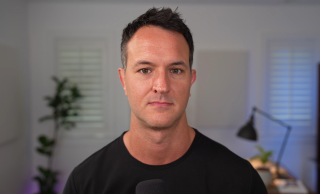
What does it actually mean when a venture capitalist says they "don't have conviction" in your startup? Vaughn Crowe, an investor at nvp Capital, explains why VCs struggle to give founders honest feedback and what that dreaded rejection phrase really translates to. In this interview, Vaughn reveals how he sniffs out scammers versus real entrepreneurs by evaluating their true desire to build a big business. We discuss why having a massive advisory board at the pre-seed stage can be a major red flag, and whether founders should take a salary from their funding or bootstrap completely. Plus, he explains why leading your first VC meeting with a pitch deck is a fatal flaw and what you should do instead.
Guest
Vaughn Crowe
Investor, nvp Capital
Chapters
Full Transcript
Sean Weisbrot: How do you tell whether or not someone is a real business person or a scammer?
Sean Weisbrot: That's just really good at selling,
Vaughn Crowe: Sean. Good. Thanks for having me. Um, that's a really good question.
Vaughn Crowe: Um, one I, I haven't thought of, but I, it's, but it's something that we have to.
Vaughn Crowe: The process of diligence for a founder. So when I just reduced that question down to how do we do things at nvp Capital, um, you've, you may have heard me say this before, but we are all about the founder.
Vaughn Crowe: His or her experiences in their past life is where we spend a lot of time trying to underwrite essentially the answer to your question, it's not just, is this person a real business person?
Vaughn Crowe: Does, but does he or she or this team have a desire to go and build a big business, which is similar to your question of like distinguishing between a scammer and a business person.
Vaughn Crowe: It's more for us trying to understand what are the values, what are the interests? What is that person's why?
Vaughn Crowe: To go down this path of an entrepreneur to want to build a big business.
Vaughn Crowe: I think in the, in the discovery phase, and I will call that phase one of getting to know a founder and or a company, you can fairly quickly sniff out what that person is trying to achieve very early on.
Vaughn Crowe: And we have to use our best judgment, which is often infused by past experiences of having dealt with scammers, um, and past experiences of having dealt with.
Vaughn Crowe: Very successful business people to further help us understand if we're dealing with the real thing or not.
Vaughn Crowe: Does that make sense?
Sean Weisbrot: Yeah. Do you have any specific examples of someone that you, you realized was a scammer before you were like, I want to give this person a check, and then you're like, no, there is scammer you like figured it out.
Vaughn Crowe: Uh, you know, honestly, I would probably have to think a little longer than the time we have allotted here.
Vaughn Crowe: Um, but I haven't, I fortunately haven't come across a scamper where I've, I've had a burning desire to want to invest.
Vaughn Crowe: It's usually been, ah, this doesn't feel right. These data points don't match.
Vaughn Crowe: Um, whether it was in my prior life or in at NVP, uh, where I don't write the check or I don't make the investment, but I've yet to have made an investment and have realized that this person was a scammer.
Vaughn Crowe: You. I think we also owe it to ourselves to draw a clear distinction between a scammer and a founder who's building a business and it did not go well or did not go according to plan.
Vaughn Crowe: Those failures will happen. I wouldn't have classified any of the investments I've made, uh, or thought about making to have a desire of backing a scammer.
Sean Weisbrot: Hey, business leaders and marketers. What if your brand could be featured right here?
Sean Weisbrot: This ad spot could be yours. This channel is watched by a dedicated audience of ambitious founders, executives, and professionals who are actively looking for tools and services to help their business grow.
Sean Weisbrot: If you wanna put your brand in front of this highly dedicated audience, that's difficult to reach.
Sean Weisbrot: I'm currently looking for a few strategic partners for the channel.
Sean Weisbrot: To learn more about sponsorship opportunities, click the link in the description. Let's go together.
Sean Weisbrot: How do you feel when someone isn't willing to disclose to you the other investors they're actively talking to?
Sean Weisbrot: And I have a follow up for that question after.
Vaughn Crowe: I don't necessarily have an opinion, um, except for if they're, you know, we, we, we tend to be a lead or a co-lead, um, in our process of investing.
Vaughn Crowe: And so I don't necessarily desire for them to. Disclose upfront because we're often competing.
Vaughn Crowe: If there is a term sheet that's on the table, we're, we're competing.
Vaughn Crowe: And I wouldn't expect for that founder to disclose upfront, you know, who they're talking to because they're trying as well.
Vaughn Crowe: Um, and being a good business person, they desire to get the best price for their business.
Vaughn Crowe: And so I, I don't wanna have a strong opinion.
Vaughn Crowe: I, I often want to know, um, as most investors would want to know.
Vaughn Crowe: Um, but you know, like, listen, I'll ask the question. Hey, you know, I'll give you a scenario.
Vaughn Crowe: Vaughn, like nvp, we have a lead term sheet. And then the questions are like, Hey, are you open to a co-lead?
Vaughn Crowe: And then are you open to sharing who that lead term sheet is?
Vaughn Crowe: One could suggest that if they do not share, maybe they don't have one on the other side.
Vaughn Crowe: But we've gotta treat every communication. You know, we're going into these investments, we're going into these meetings with founders.
Vaughn Crowe: The best interest and intentions in mind, and that there's gonna be trust on both sides.
Vaughn Crowe: And so, you know, I don't have an, you know, a strong opinion.
Vaughn Crowe: Um, I do des I wouldn't mind knowing, but I don't, I don't cast judgment on a founder who doesn't wanna share because they're performing like business people.
Sean Weisbrot: So the reason why I was curious about your opinion on this is because I'd heard that if, you know, not you specifically, but if an investor hears of another investor that's, that you know the startup is talking to, they may go and talk to them and try to arrange to offer the same deal so that.
Sean Weisbrot: You know, the founder ends up not really having much choice or talking to them and, and sharing their thoughts on this founder.
Sean Weisbrot: And, and that could potentially negatively impact the founder being able to invest from the other investors that they're talking to because you may have a negative opinion of them or you're unconvinced where the other one is more convinced.
Sean Weisbrot: Um, and so that basically by not disclosing the investors, they're protecting themselves from any of the investors bleeding into the conversations with the other investors, whether that's negative or positive.
Vaughn Crowe: Like, like here, here's the reality. Um, for, for, for us, we, we are collaborative the environment oftentimes at the pre-seed and seed stage, which is where we are investing. It's a collaborative environment.
Vaughn Crowe: The onus is on me, the investor, the, the potential or the prospective lead investor to due diligence and understand customers, uh, co-investors.
Vaughn Crowe: Understand as much as I possibly can about this founder or this founding team. The business.
Vaughn Crowe: And that includes a discovery on who could be potentially interested or if there is an existing term sheet who is potentially leading, you know, currently, you know, leading the round.
Vaughn Crowe: And so in that scenario, on my own, if I learn of a, another firm involved in the deal, then yeah, I would probably, especially if it's a friendly.
Vaughn Crowe: Or someone we've done business with or someone we desire to do business with.
Vaughn Crowe: You know, I have to make a call to not jeopardize the interest that I may have in the deal.
Vaughn Crowe: I have to make that judgment to then go and call that investor and further explore who that investor is, if they're really interested, if there's truly a term sheet, there's some risk there because the founder may not like the fact that I'm talking.
Vaughn Crowe: To their potential lead investor or prospective investor. And so in that scenario, it's a judgment and a feel that you have to get comfortable with.
Vaughn Crowe: But I wouldn't in that scenario, look to ask the founder, um, because there's smart enough to realize that there's some risk and, um, in a party deal that the terms are set and he doesn't get a better price, you know, he or she is gonna desire for.
Vaughn Crowe: Independent firms to do their work and come to the table with a term sheet that represents the value that they're willing to pay for this founding team, their idea and the prospect of this being a bigger company.
Vaughn Crowe: And so as a former athlete, I, I, I'm never afraid of a little competition.
Vaughn Crowe: And so whether it's known or unknown, um, I think it's it's fair game to do the work, understand who's involved or not.
Vaughn Crowe: But at the core of what we're trying to do is make our own decisions based on having high conviction or not, um, which would lead to us making a decision to offer an opportunity to invest and partner with that founder, um, or make the decision to walk away.
Sean Weisbrot: I think founders are unfortunately. Not as aware about that as you may think in terms of the term sheets and communication, because I, I think they look at it as, if I tell you that I've got this investor I'm talking to, generally it's because it's real.
Sean Weisbrot: Like they're not gonna screw you around, but that they may not understand that another investor would go and actually reach out.
Sean Weisbrot: I, I think they, they aren't aware of the potential negative ramifications of the action of, of telling you, and that's one of the reasons why I'm asking this question.
Sean Weisbrot: Putting it out there for people, you know, to, to understand in order to potentially protect themselves, um, or, or to build a better relationship with you.
Sean Weisbrot: Another thing I had heard recently was that if, let's say I, I have five advisors on my deck and four team members, right?
Sean Weisbrot: Are you going to reach out to them or, or do you know of investors reaching out to these people to see if you are actually an advisor for them?
Sean Weisbrot: Are you actually an employee of this company?
Sean Weisbrot: Do you know these people? Or are they just throwing your names?
Sean Weisbrot: For example, because I used to work in the blockchain industry 10 years ago, and there were people, AI didn't exist yet, so you couldn't fake images of people.
Sean Weisbrot: You would just steal the images from stock, you know, like if it, like Chinese, for example, Chinese companies, right?
Sean Weisbrot: I was living in China and I was working with blockchain companies and.
Sean Weisbrot: I'd catch them like going on LinkedIn and downloading images of, of a, an old white man just to make themselves look credible.
Sean Weisbrot: But the white man didn't know who they were. You know, this American guy, this European guy, they had no idea, right?
Sean Weisbrot: And, and so they were trying to make themselves look better in order to, um, to raise money from investors or, you know, to sell to potential customers.
Sean Weisbrot: So, yeah, I guess is that part of your d diligence? Diligence is reaching out to these people that are on your deck?
Vaughn Crowe: Yeah, so I'll, I'll come to that in one moment.
Vaughn Crowe: I do wanna add one point of, um, not necessarily clarification.
Vaughn Crowe: There are oftentimes when we are at risk of, and we, we, we pride ourselves on trying to get the work done as quickly as possible in making a, a, a decision, a well-informed, data-driven decision as soon as possible, which oftentimes.
Vaughn Crowe: Hopefully lead to us being one of the first term sheets to be offered to a founder where we have high conviction.
Vaughn Crowe: We also recognize that there's a risk in doing so because if that founder decides to share that it's nvp capital as the lead, uh, perhaps who he shares it with is a friendly and they say, as we'd hope, those guys are fricking awesome.
Vaughn Crowe: Um, they're so founder first. They know vertical ai, you should go with them.
Vaughn Crowe: But we also recognize that, you know, we don't have friends throughout the entire ecosystem, or we don't have, you know, relationships with everyone.
Vaughn Crowe: Or someone could say, this New York City based firm, we've never heard of them.
Vaughn Crowe: You know, they're on their second fund. Why would you go with, you know, a smaller fund?
Vaughn Crowe: So there, there, it cuts both ways. When we are often, first we know that there's risk.
Vaughn Crowe: And someone saying something about us if that founder decides to share.
Vaughn Crowe: Um, and then on the flip side, if they share with us who their term sheet is issued from, we are, we are gonna have an opinion.
Vaughn Crowe: And that sometimes, sometimes can influence our decisioning.
Vaughn Crowe: Now to pivot to your second question, which is actually a really good one, right?
Vaughn Crowe: So for us, when we see an investor deck, and by the way we spend.
Vaughn Crowe: Sometime on the deck we spend most of the time on trying to understand the founder, the founding team, their journey.
Vaughn Crowe: And so the deck is just like one piece of the information that comes across the trends that helps us understand like whether this is a good investment for us to make or not.
Vaughn Crowe: But in the sense of like in, in the case of like having advisors, the first question is like, why, you know, we are investing at the pre-seed and seed stage.
Vaughn Crowe: Is there something like, and we're, we're not doing things like life sciences, we're not doing biotech, we're doing software.
Vaughn Crowe: So at that stage, the first question we have is like, like why, um, are you using, are they truly value?
Vaughn Crowe: Add that early on in the journey, or are you using it to your point of like trying to get attention because you have the former director of the CIA as you're building from a cybersecurity firm, right?
Vaughn Crowe: So that, that does matter. Like, sure if, if, if it's an easy thing for, you know, Dan Skyler or myself to do in the process, which is like, Hey, you know, I know that guy.
Vaughn Crowe: Um, or I know that that person, um, let me reach out and see if they're really involved or if it's, or, or if it's nonsense.
Vaughn Crowe: The worst thing for a founder to do, and I, and I hope that a lot of these founders are aware of it, is to put non-relevant professionals in their materials.
Vaughn Crowe: That are actually not accurate because that will get sniffed out.
Vaughn Crowe: And whether it's your pre-seed or seed investor doing the work or not, uh, at some point that you'll get called to the mat on falsifying relationships.
Vaughn Crowe: Um, and I would just encourage founders to not do that.
Vaughn Crowe: And then I would also ask founders at the prese and seat stage, uh, why is there a need to have an advisory board so early on in the journey and.
Vaughn Crowe: There could be a valid reason, which we're totally open to, but we just don't see it as often.
Vaughn Crowe: Um, if you're backing just a good founding team, 'cause you're backing the horses, not the advisory board who you know, you may have access to.
Sean Weisbrot: I've heard that boards of advisors are important because even if they don't invest, they may have access to investors.
Sean Weisbrot: They may have access to potential clients and or they may have access to potential executives that you could hire when you've raised more money, things like that.
Sean Weisbrot: At what point of the journey do you think advisors become justifiable? If at not the pre, the pre-seed or seed stage?
Vaughn Crowe: To be clear, I think they have a role.
Vaughn Crowe: It goes back to that earlier question of like just, just what is it, right?
Vaughn Crowe: So, you know, when I think about what we've done as a firm, we've incorporated, as I've shared, and you may have read this, this galaxy of CEOs of corporations, the corporations themselves, leaders in private equity, et cetera, to try and be value add to our founders when needed.
Vaughn Crowe: You know, as early as possible. And so that's a form of an indirect access.
Vaughn Crowe: Indirect access to an advisory board where you may be looking to solve a particular pain point.
Vaughn Crowe: It could be hiring, it could be product, it could be, um, downstream financing.
Vaughn Crowe: It could also be introductions to customers. Oftentimes founders should be picking their partners, their investors, um, to be on this journey with them.
Vaughn Crowe: Who can be a little more than just capital when needed.
Vaughn Crowe: And at the same time, they should be picking partners, investors, who they like, who they want to be in the foxhole with for the next 10 or 15 years.
Vaughn Crowe: The advisory board role, I mean, do they need to be like a formal advisor to what you are doing? I, I don't know the answer to that question.
Vaughn Crowe: I'm okay not knowing the answer to that question because every founder is going to, you know, most founders are gonna build their businesses in their own unique way, and some of them are gonna want, you know, five go to market advisory board members because they recognize that their investors that they're bringing on, that's not their strength.
Vaughn Crowe: This is a gap on the team and it's needed from day one. That's totally fine.
Vaughn Crowe: What I would be concerned with is just like the arbitrary, like members of my network as a founder.
Vaughn Crowe: They're all, they're in my materials to help me raise capital or to help me get a customer also very valid.
Vaughn Crowe: But for me, the investor, I would want to just like dig deeper on the depths of those relationships.
Vaughn Crowe: And to be also very candid, I don't think I've made an investment.
Vaughn Crowe: Um, and I don't think anyone on our team. Has made an investment where the strength of that advisory board was like the driver.
Vaughn Crowe: In our decisioning, it might be a data point, but the driver in our decisioning is, is this founder or is this founding team?
Vaughn Crowe: Are they bad asses and do they have a right to win?
Vaughn Crowe: And are they gonna wake up every day going to do it?
Vaughn Crowe: If they're gonna wake up and go hang out with their advisory board, we are hard pass.
Vaughn Crowe: Um, but they do have a role. Um, and it could be early or it could be late.
Vaughn Crowe: It's just a matter of like, what are you using this advisory board for and can you defend it?
Vaughn Crowe: That's how I would be thinking about it.
Sean Weisbrot: What do you think about a founder salaries?
Vaughn Crowe: Hmm.
Sean Weisbrot: I hear so many opinions.
Sean Weisbrot: I see investors getting really excited about how their founders don't take any money, and I see other investors saying they should.
Sean Weisbrot: Get paid X amount and, and other investors say, I don't care what they get paid as long as they do the job.
Sean Weisbrot: Where do you sit in that?
Vaughn Crowe: It's a great question and I've struggled with that question because, you know, the origins and the stories we do hear about are like the glorified stories of, you know, I paid myself nothing.
Vaughn Crowe: You know, we bootstrapped it and we were on the balls of our ass with like no money.
Vaughn Crowe: And all of a sudden we had, we onboarded these five customers and boom, and then I was able to pay myself something.
Vaughn Crowe: Love those stories, but that's just not the reality for all founders. Some founders are wildly brilliant.
Vaughn Crowe: They have a great idea. They've proven themselves in various parts of their lives, but they can't afford to go without a salary.
Vaughn Crowe: Now, do I think you should be paying yourself? You know what a senior VP at, you know, Goldman Sachs should be making on a $5 million seed round pro. Probably not, but I do think that there are some really talented founders who are oftentimes held, I think they're talented individuals who are oftentimes held back from fulfilling their desires to be an entrepreneur.
Vaughn Crowe: Because we've heard these stories of like not paying yourself. I think it's, if you can do it, great.
Vaughn Crowe: And I think for the investor, it does show yourself as like a scrappy, gritty founder, but some founders can't do that, and that's okay.
Vaughn Crowe: So I think somewhere between the hero story of I'm not paying myself, I want all the capital to go into the business, to brilliant idea.
Vaughn Crowe: I've got this team, but we've got families, we've got rent.
Vaughn Crowe: I was, you know, I've been, I was in the military and I, I went to business school and this is my, you know, I need a job, right? In addition to me having a brilliant idea, we have a little bit of that across our portfolio founders who've had mult meaningful exits who are paying themselves a di minis amount of capital, and have gone the route of building out the team and the infrastructure, and they're doing well.
Vaughn Crowe: We also had founders who literally went from the military to business school to building a company, and I would be hard pressed to be critical of that founder who served our country, who went and got, you know, a higher education and decided to go and build a company and be an entrepreneur to not pay him or herself something meaningful.
Vaughn Crowe: I would be hard pressed to not be supportive. So we're all over the map inside of our portfolio, and I might be all over the map with my views around how founders should compensate themselves.
Vaughn Crowe: I don't think there's a a one form answer for that question.
Sean Weisbrot: Right. So it sounds like you're supportive of them.
Sean Weisbrot: It depends on their situation. You let them decide. As long as it's not ridiculous, you're cool with it.
Vaughn Crowe: The situation, the business, the budget. The growth goals.
Vaughn Crowe: So it's circumstantial around the overall, that's one component. Team compensation is one component of the overall business, and so it just has to be analyzed to make sure that the alignment between the investors and the management team, the founding team, they're aligned.
Vaughn Crowe: And so that's how I, how I think about it.
Sean Weisbrot: So you invest in AI companies. And AI tools are making it so that founders don't need investors anymore.
Sean Weisbrot: They can just bootstrap their business to profit. Why do people keep coming to you for money when they don't need you?
Vaughn Crowe: I, I, I, I talked to a group of students the other day at, at Rutgers University, which by the way, I think is a sleeper and hotbed of talent.
Vaughn Crowe: That will kinda circulate the ecosystem. But I did say to them like, not every great idea needs to be venture backed.
Vaughn Crowe: You know, if you have the ability and you have the desire to not want to raise capital from venture capitalists like myself and others, that's totally okay.
Vaughn Crowe: And, and I think we, we, we often don't think about my business as a vc, like we are too running a business.
Vaughn Crowe: So therefore, even in the world of building an AI and using AI tools and the truth of it, allowing for founders and companies to be more efficient, um, getting to scale much faster on less cash.
Vaughn Crowe: Those things are all true, but we, we also bring more to the table for founders, first time founders, second time founders.
Vaughn Crowe: We bring more to the table than just capital. There's also resources.
Vaughn Crowe: There are also networks that folks have, so I think founders have to think about every now and then.
Vaughn Crowe: Is my business or is my idea before it even becomes a business, is that likely to be aligned with the venture capital model?
Vaughn Crowe: And do I want it to be, if the answer to those questions, and that means like scale, faster, efficient, big markets, big exits, speed.
Vaughn Crowe: Those are some of the attributes that come with being in our business.
Vaughn Crowe: And if you're a founder and you don't wanna do that, that's okay.
Vaughn Crowe: I do think that we play a very meaningful role in bet backing founders with great ideas who will build generational companies over time, and they should get all the credit because they're the daring entrepreneur doing it.
Vaughn Crowe: So I think there's a world where, you know, good ideas don't need venture capital or founders don't want it, and that's okay.
Vaughn Crowe: Um, there's a, there's a place in the ecosystem for a lot of good ideas.
Sean Weisbrot: Why do venture capital investors struggle to tell founders the truth when they don't wanna invest in them
Vaughn Crowe: Because we're human.
Vaughn Crowe: You know, like, like, like, let's just be honest. Like, would you, you know, how often do you tell your wife you don't like the outfit that she's wearing?
Vaughn Crowe: Or you do it in a way that is more palatable? Or like,
Sean Weisbrot: I don't have this, uh, I, I don't have this filter.
Sean Weisbrot: I tell people what I, what I mean and what I say, and people either really hate it or they really like it.
Vaughn Crowe: I, I think that, I think that's good, right?
Vaughn Crowe: But I also think that we as humans, struggle every now and then by saying like, look, man, I think this idea is a good idea.
Vaughn Crowe: Um, but I don't like you or I like you, but I think this is a terrible idea.
Vaughn Crowe: The other part of that is there's a reason that power law exists in our business.
Vaughn Crowe: We are going to be more wrong than we are, right?
Vaughn Crowe: And so I think the honest truth is this is not a fit for us.
Vaughn Crowe: Now, every now and then a founder wants to know why. I don't like it doesn't fit.
Vaughn Crowe: If you wanna know why. Oh, it doesn't fit because we're not interested in the space.
Vaughn Crowe: But I think a lot of times if you're passing at the pre-seed or seed, it's either the idea you are a specialist vc.
Vaughn Crowe: So if you're only doing healthcare and the founder's pitching you a FinTech business, then that's an easy one.
Sean Weisbrot: Sure.
Vaughn Crowe: Or it's just like you don't, I don't vibe with the founder on that initial call.
Vaughn Crowe: It's a harder one to say. Like, yeah man, I, I don't like you, or I just think your pitch was weak.
Vaughn Crowe: What, what's the upside in that?
Vaughn Crowe: I also think that there is a place to be empathetic with founders who are doing the hard stuff.
Vaughn Crowe: They, these guys are, they are, they are sacrificing themselves to go and try and build a company that is hard and I don't wanna be the guy poo-pooing your idea because maybe I had a bad day.
Vaughn Crowe: Maybe I'm not seeing it clearly, so like I'm not interested, you know, I, I, this idea doesn't resonate with me.
Vaughn Crowe: Um, I only do, you know, two person teams. You're a solo founder.
Vaughn Crowe: I think that there's a way in which you can say no without being, and I think there's a way you can say no and be direct.
Vaughn Crowe: And doing it with a level of empathy and not being a jerk. So that's all.
Vaughn Crowe: I don't, so I don't think you and I disagree.
Vaughn Crowe: I just think that the delivery for founders who are doing something wildly courageous should be handled with some, some empathy.
Sean Weisbrot: I think they deserve the truth, even if it hurts because if,
Vaughn Crowe: but that's my truth, Sean.
Sean Weisbrot: What do you mean?
Vaughn Crowe: That's, that, that's me. That's, that, that's if, if, if I think your idea is like, not gonna work.
Vaughn Crowe: That's just my opinion.
Sean Weisbrot: I want to hear it. If, if you think it's not gonna work, I wanna hear it.
Sean Weisbrot: For example, I, I have an idea.
Sean Weisbrot: It's not, it, it doesn't need to be venture backed.
Sean Weisbrot: I'm testing the waters right now and I went to a few of my friends that are in the e-commerce space.
Sean Weisbrot: It's not an e-commerce idea, it's a business that would serve e-commerce brands.
Sean Weisbrot: I know a few people that serve e-commerce brands in various capacities.
Sean Weisbrot: And so I went to them 'cause I had, I trust their advice about this and two of them were like, yeah, this is actually a really big problem that these companies have.
Sean Weisbrot: This would be really important. And one of them who I value the his opinion the most said, I don't think this is new.
Sean Weisbrot: I don't think this is unique.
Sean Weisbrot: I don't see it being scalable. And I disagree with him actually.
Sean Weisbrot: I think he's seeing it from a different point of view, which is fine. I value his opinion.
Sean Weisbrot: But I got it validated by two by three different providers actually, and a lawyer who said it was legal to provide the service.
Sean Weisbrot: I'm gonna keep pressing on with it 'cause I think it's a viable business, you know, even though I trust his opinion, but the fact that he told me it's important because I appreciate that.
Sean Weisbrot: It gives me a thing to think about, right? The problem with AI is that if you don't.
Sean Weisbrot: Preface your prompt to the ai to be bluntly honest with you, the AI is gonna agree with you every single time you say, Hey, what do you about this, what about this, what about this?
Sean Weisbrot: And when you try to have a conversation, it's giving you information that's not really helping you.
Sean Weisbrot: It thinks its goal is to be helpful. And so it won't tell you to your face unless you demand it to do so.
Vaughn Crowe: so, so Sean, the, the, the only, the only, the only pushback there and if you allow for me to
Sean Weisbrot: sure
Vaughn Crowe: to do that is. We don't have a lot of time.
Vaughn Crowe: Also, like I, I see hundreds of deals a month, right?
Vaughn Crowe: Like, like, and so to, to, to use my constraints or, or my assets that I have is that it's my emotional energy and my time.
Vaughn Crowe: And so if, if I regularly am giving like deep feedback.
Vaughn Crowe: On every single deal of like, yeah, I just don't think it's gonna work.
Vaughn Crowe: That's gonna prompt the founder to say, well, tell me why, and I'm gonna go down that rabbit hole of like having a lot of discussion with hundreds of founders, which I don't have the time for.
Vaughn Crowe: Sure. The other, the other part is our track record as VCs.
Vaughn Crowe: Again, we have a higher loss rate than most businesses, and so again.
Vaughn Crowe: For me to tell you, I don't like your idea. I don't like your idea.
Vaughn Crowe: For me, it doesn't mean that you shouldn't stay on the hunt and find somebody who you can grab their attention, their time and their money, where your idea would resonate with them.
Vaughn Crowe: So it doesn't work for me, and I'm often wrong. I'm almost, I'm not paid to be wrong.
Vaughn Crowe: I'm paid to use my budget, doesn't it? To be right and generate like alpha and to generate like massive returns for the constituents I serve, which are foundations, they're university endowments, et cetera.
Vaughn Crowe: Um, they're, it's my team who all have carry in our funds, right?
Vaughn Crowe: But the reality is I don't have time to get off a call and give you like a deep dive.
Vaughn Crowe: I'll give you a deep dive if I've gone deeper.
Vaughn Crowe: And then I ultimately didn't get conviction, but like the cursory. Commentary of like, it's not gonna work.
Vaughn Crowe: Uh, I, I just don't have time to do it.
Sean Weisbrot: I mean, I, I definitely understand that and I, I agree.
Sean Weisbrot: It's not fair for an investor to go deep into something like that with someone.
Sean Weisbrot: Um, I guess what I was getting towards was like, I've heard investors say, I don't have conviction, and founders are naturally curious people.
Vaughn Crowe: Yeah. And
Sean Weisbrot: so what, what does that mean? What, what is, what don't you have conviction about?
Sean Weisbrot: For example, I have someone who has an uh, 1 million a RR business, and they have a bunch of people that are in their sales pipeline.
Sean Weisbrot: They have a team that's growing. The business looks really great and a lead investor didn't have conviction, but wouldn't tell us what that meant.
Sean Weisbrot: So how, you know as a person who's working with this founder, and for the founder who's every day trying to build a business that will attract investors, how am I supposed to advise him and how is he supposed to be a better founder if we don't understand why the person with money doesn't wanna give us money when the I don't have conviction doesn't mean anything.
Sean Weisbrot: That's all.
Vaughn Crowe: I would say that, that not having conviction at the pre-seed or seed stage, which is where we invest, is oftentimes code for I I, you know, not liking a person is subjective, but not having belief in that person's ability to build a big business is often what that is code for.
Vaughn Crowe: And, but, but be clear, it's for that person at that time, in that moment.
Vaughn Crowe: So founders should just understand at the preceding seed, it's often finding you gotta kiss a lot of frogs, but finding the right person, and you get lucky at the right moment.
Vaughn Crowe: Who woke up thinking about commerce enablement for some odd reason, and you're, and you're building in the space.
Vaughn Crowe: And then Nirvana hits you, you, you, you've gotten to that investor.
Vaughn Crowe: That investor has gotten to you. You aligned in that moment.
Vaughn Crowe: But if Vonne is like you're, you're building robotics and something on that call just, yeah, you know what? In that moment I didn't like you, like meaning I didn't have conviction that you are the right person or the right team to go and build a business.
Vaughn Crowe: Founders. I do it as a gp. I talk to LPs. You, the things you hear. My pipeline is full.
Vaughn Crowe: I have other priorities. Well, also that means you're, you're, I'm not a priority and that's okay.
Vaughn Crowe: So it just means that at that moment, I'm not a fit. I won't go away.
Vaughn Crowe: So I think that's it's okay to, just as a founder, as a GP, to understand that as much as we talk about ai, we, we are still the humans in the loop.
Vaughn Crowe: We're making judgements on other humans, and that's just the reality of our respective businesses until something changes we're humans are highly unpredictable, and that's just the unfortunate reality.
Sean Weisbrot: Last question I have for you. How many investors actually want to see the pitch deck on the first call versus want to have an actual conversation and get to know you as a person?
Vaughn Crowe: I can't speak for all investors, but I think leading with an investor deck I think is a flaw.
Vaughn Crowe: I think the founders should first spend the time, 30 minutes, 45 minutes if that's what's booked.
Vaughn Crowe: I think the time spent is explaining your story. You are building in the trucking vertical.
Vaughn Crowe: You're managing accounts receivable, who are you?
Vaughn Crowe: What's your authentic story? Why are you the right person to build this business? Why?
Vaughn Crowe: How did you find your co-founder? What is the story there? Are you, do you have a technical bracket background?
Vaughn Crowe: Are you more business development focused? I start 98% of my founder meetings with Who are you?
Vaughn Crowe: So even before the pitch deck, founders are often, because it is a small amount of time that you have to, the pressure bills for you to go and tell the VC or the investor why you are so great and why this business is gonna be, I, I don't think I'm different here, but I start my meetings with, who are you?
Vaughn Crowe: Because this is a 10, 15 year journey and before I get to the market, the market size, the product.
Vaughn Crowe: I've gotta get comfortable with and get conviction, as you said earlier, with the human who's building the business.
Vaughn Crowe: So I think before you get to the deck, the perfection around your story, your why, um, is more important.
Vaughn Crowe: I think, um, as you're talking to myself and, and my peers in, in the, in the, in the business.
Sean Weisbrot: Thanks for watching. If you liked this insight, I've handpicked another video for you right here on the screen.
Sean Weisbrot: For more actionable strategies that get you real results, hit subscribe.