The Secret to Networking: Stop Chasing, Start Attracting
Does networking feel like a constant, exhausting chase? This interview with FEW founder Anna Wong reveals The Secret to Networking: Stop Chasing, Start Attracting. Learn why the most powerful connections are made not by asking, but by building a personal brand and a business so valuable that the right people naturally want to connect with you.
Guest
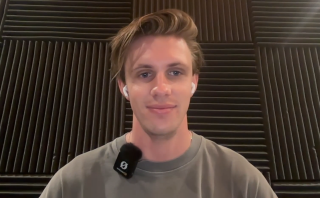
Anna Wong
Founder & Networking Expert, FEW
Chapters
Full Transcript
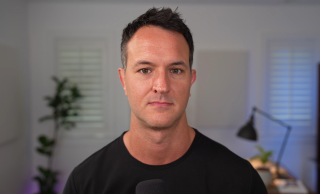
Sean Weisbrot: Anna Long is co-founder and CEO of Female Entrepreneurs Worldwide. Based out of Hong Kong, Asia's largest business platform for female entrepreneurs, founders, business executives who want to learn and network. FEW runs an accelerator that offers mature startups, a range of services from cash investment, mentorship, media coverage, and valuable access to your exclusive investor network.
Sean Weisbrot: You're specifically responsible for strategic development, branding, fundraising, market entry, and business growth. When you're not doing all of these incredible things, I don't know how the hell you have time for. You're also a speaker at regional conferences, universities, publications, and TEDx. Prior to starting your own ventures with FEW, you worked for a PR team at Hong Kong's business magnet.
Sean Weisbrot: Louis Che, well, I'm sure I said that wrong. And, later you worked with, leading communications agencies, o and m and Edelman. One of the reasons that I wanted to bring you on is because networking is an extremely important part. For any business owner, I couldn't think of anyone better to talk about because every time I talk to you, you're like, I'm gonna meet this billionaire tomorrow.
Sean Weisbrot: Or you know, this is my uncle. You know, some guy, like my family, he has known for decades. And it's like someone that, someone like me who's not from Hong Kong would be like, it would be impossible to ever possibly reach someone like that. So. What I wanna go through in this episode with you is how to network, but also how to network in a focused way, but also how to network up a level.
Sean Weisbrot: Meaning if you're just starting a company and you know, maybe you haven't made a million dollars yet, how can you get multimillionaires to give you their attention? Or, you know, people doing a hundred million or billions, things like that. So, why don't we, why don't you tell us a little bit about kind of, where FEW is right now?
Sean Weisbrot: And we'll go from there.
Anna Wong: Okay. Sounds good. Thank you. So, we have been, yeah, we have known the other for almost. Yeah, 10 years a decade. When I first met you, I was still running another company and then, I had the opportunity to run at PW because I had, You know, I met Iners and then we have the similar belief that it's quite important to support female founders and especially, in recent years, we see more and more female founders.
Anna Wong: they have incredible ideas, but at the same time they are lacking, capital resources or network to scale up their business. So this is why we start in that space and gather all the leaders, investors, and industrial experts to support the female funders. So now the business has been in the market for seven and six months now, seven years in six.
Anna Wong: Month. We are expanding in the region. We started here in Hong Kong and then we expanded to Shanghai, Shezhen, Singapore, Malaysia, Vik Vietnam, Thailand, focusing on Southeast Asia and before the COVID. We are supposed to be New York and Europe, but now we are kind of like, refining, astrology. Hopefully things will be back to normal soon.
Anna Wong: Yeah.
Sean Weisbrot: Good. Thanks for that. And I remember when you were working on three companies at the same time and FEW was like a very, very small thing. It was like something you really wanted to do and you're like, Sean, I don't know what to do. I have all this opportunity. And I was like, what do you love the most?
Sean Weisbrot: And you're like, I love helping women. I was like, fine, forget the other two and just focus on FEW and, and you, you did it and you know where you are now is huge. so. Now. Okay. Let's be fair. Your family is privileged. You, I believe your family owns factories in the mainland. Is that right?
Anna Wong: But yeah, I don't want to emphasize like, you know, privilege or, yeah.
Sean Weisbrot: Well, the reason I say it is because surely starting a business is hard. Yeah. And I'm wondering, did youuse it? Your family's relationships are named to start FEW?
Anna Wong: no, honestly, because, you know, up to now my parents still are not that clear about what I'm doing on FEW. now, like because they were in the business, which are more, Istic, what to say, you know, is they, have a view like, like a, basically like a view of business manufacturing. They have product production, they have a supply chain. They sell the product, a physical product, to the end consumer.
Anna Wong: They have retail. So Pretty conceptual to them in the early beginning. but now they get to know more about what I'm doing over the years. So, it's getting better. Especially, you know, I come from a traditional Chinese family, so this is why they sometimes think what they think.
Anna Wong: Chinese parents always think it's important to spend your effort on something that is more scalable. Profitable in their eyes. But, you know, FEW I'm, I'm quite excited today, I'm. Proving, you know, we already have certain milestone achievements. so, and, and promoting the public, private sectors or government bodies is really important to empower women.
Anna Wong: when we first launched a BW in Hong Kong, not to mention my parents even like to. Lots of Hong Kong local people, they would assume we are a charity or a chamber or an association. They thought we are nonprofit making and until, you know, we get bigger and bigger, they start to know, okay, we are, you know, offering something substantial to female funders.
Anna Wong: So this is why I'm quite excited. Now we have. Certain incubators after joining an incubator have mixed certain achievements and that shows our value delivered to, to, to their, you know, ecosystem.
Sean Weisbrot: So I remember when I started Idea Exchange, it got pegged as a charity as well. Yeah. And that was really difficult, especially because we were working with the government. So I remember, I think it was like I. Working with you on the party with startups, I think was like one of the only opportunities that we were able to actually get money for doing the event.
Sean Weisbrot: so that was, that was, an interesting thing. I won't go into the details here because that was like, that was like nine years ago. I don't want to think about things that were sold, that that happened so long ago. So, so. Is networking something that you specifically teach your Inc. QBs, or how do you think about helping them in that regard?
Anna Wong: So I think networking is a basic skill every entrepreneur or individual should have, right? And sometimes people say, oh, you know, I'm an introvert. I might not, it's not necessary for me to go out to meet people. But I think sometimes, like if you open up yourself and you get to know people, and it also makes you happier personally, right?
Anna Wong: It is not necessary for. Business purpose. So like, for example, we have known each other for nine years. but I think it's quite important to keep the friendship that just, you know, naturally makes a person happier. So that is also a certain skill, networking skill I think an individual should have.
Anna Wong: Yeah.
Sean Weisbrot: So there's like so many different ways to go into this. It's kind of difficult. I'm trying to think about it on the fly here. so if somebody wants to improve this skill of networking Yeah. What should they do to kind of get started?
Anna Wong: Hmm. Okay. I think first of all, it could, there's so many ways, right?
Anna Wong: first it's like from, you know, outside, like in from, you know, how. Your first impression of people, like how you could, you know, get people to know more about you. And I think your presentation and your event, you know, how you dress, how you present yourself, introduce yourself as a real pattern, and I would suggest, you know, from.
Anna Wong: Basically craft a message about who you are, what you do, and, introduce yourself, certain keywords to introduce yourself. And second is, I still believe that just to impress is quite important. especially, it comes to business, right? Like some would say, Hey, you know, Steve Job or Martin Z Grouper, just wear casually, but.
Anna Wong: They, they already make their, their, you know, they're successful. This is why they have the right to dress casually or t-shirt. But if you are not there, yeah, I think it's quite important for you to dress, press for the occasion. And, and, and I think like in terms of. The outfit is quite important.
Anna Wong: And for example, like what we do in A-P-I because we want to present our brand as a premium platform for female founders and sophisticated modern. So this is why even me and my co-founder try to, you know, choose a certain high quality outfit. And this is something, I think, one of the tactics or strategies we are applying.
Anna Wong: And what else? Like a skillset, let's say. You know, there are a lot of things you could do when it comes to networking. you could, you, I think in terms of personality, you have to be really genuine, authentic, and no one likes fake people. And so that's why, being. Genuineness is really important. I think, you know, especially to certain successful people we were talking to, they try to keep their circle of friends private and they don't want to expose themself in the public or, you know, having someone to.
Anna Wong: Try to pitch them or you know, get something out of them. So I think, you know, they have been meeting a lot of people. It's quite important to be authentic and genuine in front of this group of people. But at the same time, you have to show your competence com competence, right? Because you know, people come to you for certain reasons.
Anna Wong: People associate with you for certain reasons. So I think it's quite important to show others that you have potential and you are capable.
Anna Wong: Yeah, I'll answer your question.
Sean Weisbrot: You did well. Don't worry about it. so I spent my entire twenties in China. So for me, I learned how to network in China and Chinese people are 24 7 with business cards in their hands. They're like ready to network with anybody that they come across.
Sean Weisbrot: Mm-hmm. While it may be a little daunting for Westerners, it was also really good practice.
Sean Weisbrot: And, there's a word in Chinese bong, it means to like a package and, and in this specific context, it's like you can like. You can package a person or like you, you create a story that you tell. And I thought it was a really interesting concept because it's not something I had heard in the West.
Sean Weisbrot: Now, you know, a lot of people talk about like, you need to have a story, but the Chinese do a really freaking good job of it. Like they're extremely convincing. And I thought that was a really great lesson for me. So if you wanna get some good lessons, you should hang out with Chinese people. It's about Chinese business people because they will blow your mind.
Sean Weisbrot: I learned from being around Chinese people that if you just shove your business card in the person's face and then like, put it in your pocket, or they put it in their pocket, they kindof don't really care. So something for me was like, if you're gonna show someone a business card, only show it after you.
Sean Weisbrot: Like ask them, you know who they are, what they're doing. Kind of show interest. And once you feel like there's a reason to give your card, then you give your card. But don't put your card, don't put the other person's card in your pocket. Hold it in your hands. Look at it for a second. Make them feel like you actually care and you're thinking about it, not just like, oh, okay, just another business card.
Sean Weisbrot: You know? So there's ways to show being genuine about that. so I thought that was really interesting because, you know, and, and I love the giving of the card with both hands. You like, have the card spread across both hands. You give it to them like that. It's kind of like this polite, kind of humble, even though, let's be honest, most people are not humble.
Sean Weisbrot: To be fair, I'm not humble either. I'm, I try, but I'm, I'm not very good at humility. So, what are some other kinds of basic things that you could share on, like, let's say a first time meeting, somebody that would make them want to continue a conversation with you, whether it's to not immediately walk away or to, you know, arrange to have a second conversation.
Sean Weisbrot: You know, how do you get that second conversation to happen?
Anna Wong: Okay. Interesting. There are many ways, right? Like I want to reply to your question about things like Chinese or is it Chinese or better packaging or, you know, they're so good with networking, but honestly I was not that impressed by the Chinese when it comes to networking.
Anna Wong: I mean, the way they network is slightly different, like, From what I have learned in the rest, I think when it comes to packaging, there are terms in the rest. It's called, Personal brand, right, or personal branding. And this is something I was more inspired by, but Chinese is more like they, you know, one seed, the term we, we, we learn one seed, they get together and they build their own circle.
Anna Wong: And so they can start talking about business opportunities in that circle, but they are not really related. To, you know, focus on, you know, who they are, what they're good at, even when it comes to the company brand. So I don't see Chinese companies care much about their personal brand or company branding.
Anna Wong: but they really get the business opportunity from building the personal touch with that, you know, decision maker. This is what I found the difference between Chinese and resting companies. So, your question about how to get people interested in the first meeting. So I would say in general what we do is to really focus on the person we talk to.
Anna Wong: We try not to talk too much about ourselves. The beginning, because sometimes, you know, you wanna get to know that person so you can sell them something, right? If you keep talking about yourself, you might not have enough information from them to see what they need and, and what they want. And so our strategy is usually after, a quick introduction, a short introduction of self, and we want to actively listen to the person what they do.
Anna Wong: what problems they're facing in the company or even their personal needs, right? And so this is the way for you to further introduce yourself.
Anna Wong: Your company solution to the person. And second is if you want to have a second meeting, the way we usually do is introduce someone to them first, let's say, hey, if you need that, I wouldn't, I, I would say, Hey, I know somebody who is really good at that.
Anna Wong: We could make an introduction to you and this is really useful for you to get connected to them. Again, try not to ask what you want in the beginning. Let's say if you want something out of them, you try to offer something first. Let's say if I want to get a contact from them, if you introduce the contact to.
Anna Wong: To the person first, and you will stop building, you know, a network of common friends and they will start to trust you. And sometimes psychologically people want to pay back, right? So they will further introduce their friend to you. So I think, the first, the, the, the, the easiest way is actually to be generous.
Anna Wong: First, introduce your contact to the person and that will help you to set up the second meeting.
Sean Weisbrot: That's fantastic and that's something that I learned to do many years ago when I was doing the idea exchange. I had a guy who was attending my events. You may have met him, or you may have heard me talk about him.
Sean Weisbrot: Meir, an Israeli guy, and he loved what I was doing so much. He decided to mentor me for free, even though he would charge people tens of thousands of dollars for that advice. And one of the things that he helped me realize was I had built this massive following of over 10,000 people along with Lisa and he said every single one of these people needs something.
Sean Weisbrot: And if you can figure out what they need, surely there's somebody else in that huge network of yours that can provide it. Yeah. And since you are the founder of something, they all wanna know you. So surely it's really easy if you go, Hey, I can help you with this.
Sean Weisbrot: Hey other person, this person needs help. So it's really easy actually when you're the founder of something to network because everybody actually secretly wants to know you. So I think there's some power in being the founder of some sort of a platform. I. but, but even if you're not, you know, surely you have people in your network that can help other people.
Sean Weisbrot: And I started my real career, you know, ID exchange wasn't my career. I. Idea Exchange launched the thing that came after it, which was being a connector.
Anna Wong: Sure.
Sean Weisbrot: And by learning from him how to understand what other people wanted and then how to figure out who in my network could provide that thing, then I could determine whether or not it was something I wanted to get in the middle of and make money from.
Sean Weisbrot: Or whether it was just something I wanted to toss to somebody to help them. And you know, so as you were mentioning before, introducing the people in your network to those people, To be a giver is great. And, there's science behind people wanting to help other givers. if you wanna know more about it, there's a book I read, called Take, Give and Take by Adam Grant, PhD.
Sean Weisbrot: Fantastic book. Really, really cool. He talks about givers, takers, and matchers. and people are really intuitive. They can actually tell when you're giving because you actually want something or when you're giving because you just wanna help. And I think when you have that genuine desire to help, people will pay that back.
Sean Weisbrot: Even if you have no expectations, it'll happen. So, so yeah. At that point, you also have to decide, am I doing this? Because I know I can make money with them. And if you can, there's nothing wrong with that, you know? Yeah. As long as you're clear, there's nothing wrong with that, but, but you know, sometimes you wanna take money, sometimes you don't, and you have to make the decision about is the relationship with that person more important than the money?
Sean Weisbrot: Or is the money so big that it's worth going for the money. And even then, if you provide a good introduction and you help to close that deal, that person would still wanna be friends with you even if you made money because you helped them to make money.
Anna Wong: Mm-hmm. Absolutely.
Sean Weisbrot: Fantastic tip there. What else is there that we're, we may not be thinking about?
Anna Wong: cool. I, I think sometimes, you know, when it comes to business it is fair enough to, you know, talk about return. but you just need to put it back and write, you know, when, if you expect a certain reward from what you're doing.
Sean Weisbrot: Okay, so let's say I'm just starting out in business.
Anna Wong: I don't have
Sean Weisbrot: a network, let's say, so I have recently met many Gen Z entrepreneurs. Some of them are 17, 18 years old. They're still in high school, they're in college. They're just starting out. They have knowledge. They may be starting a business, but they don't have a network.
Sean Weisbrot: Or even if they're 25 or 30 and they're just starting out and they don't have a network, how can they convince successful people to give them their time and energy?
Anna Wong: Really good question. I really like it. so, you know, when you say successful people, right, they're usually busy, but at the same time, they also want to give back to society by having their next generation,
Anna Wong: But when they're busy, they only can put time or spend time on people who have really high potential. So I think it's quite important for you or the person to really show the successful people, they, he or she have potential. And sometimes like I found, Alot of Gen Z or young people don't really feel comfortable talking to successful people.
Anna Wong: And let's say if they're a guest speaker, come to the college and they might not feel competent to talk to them after the session. Right. So I would highly encourage you, maybe you should really take the chance to introduce yourself to that person. you could invite them for. a copy or send them with a follow up email, you know, telling what you have learned from them in, in, in the session.
Anna Wong: So because you have to say something in a concrete way like, like, you know, we have been receiving a lot of email all the time, and you, you need something to make them feel connected. So this is why when you craft the message, it has to be really personalized.
Anna Wong: So, And, and second is you could, you know, you, you could continue to learn, but I think another way is to invite people.
Anna Wong: You like to be your mentor. I think mentorship could be really helpful for you to expand your network because, you know, your mentor might take you to. Their network. This is why we have the mentorship program. So we keep inviting leaders to become a mentor of our members so that not just a w will introduce our member to our own network, but at the same time, the mentors will, you know, be a source of network.
Anna Wong: To those members. So I think that is quite important. And that is one of the, one of the, my ways to, to, to expand my network because, you know, when I was young, I do have, you know, someone senior to be my mentor in college and afterwards I, you know, when I start working for others, I always keep a really good relationship with my.
Anna Wong: Manager and boss. Even today, I'm still in a really good relationship with my professor and bosses, you know, my, my, my, my employer of the past company, because I think it's quite important to. be in good relationships with people in the industry. And at the end of day, it is all about credibility, right?
Anna Wong: When it comes to business. And so this is why, I think especially for young people right now, and you are still young, so you could start reaching out to more leaders to learn from them, but you know, at our age, because you already have certain experience and so. Even difficult for us to get people to mentor you because, you know, people thought, like, people were thinking, okay, you, have certain,
Anna Wong: Network or achievement, they might start to calculate the return. You, you, the word you mentioned. Let's say if I wanna introduce someone to you and they will start to think about the value or, or, or things you can, you know, we, you know, return to their contribution, right? So this is why, if you are already 30 something or.
Anna Wong: You know, more senior. I think the most important thing is to really show the others that you, your business have potential. And, and I think it is, it's quite important to, you have a really clear deal. With that person. If you contribute this and in return, we'll offer that. So I think it's quite important.
Anna Wong: Sometimes I even say mentorship, but at the same time, I think it is quite important to structure, package that you could offer to that person in return for their support.
Anna Wong: Right. And people, some of, some people would, ask for. Money. some would want a title, you know, a title of like advisor or mentor, and some would want recognition.
Anna Wong: So depending on what the person's looking for. And I think it's quite important for us to strategize something to get that person to, to, to support you. And support could be, you know, introducing more contacts, putting more resources for you or the business.
Sean Weisbrot: Those are all really great pieces of advice.
Sean Weisbrot: And as you were saying those, I was thinking of things that I've learned, in relation to that. One of the things I wanted to point out was you were saying if there's a speaker or someone that you come across, just in general when you, like, let's say someone writes something on Twitter or on LinkedIn or they, you know, give an interview somewhere or they're giving a speech somewhere.
Sean Weisbrot: Or even if you're just doing cold outreach, to some sort of potential business partner, saying what you learned from them is fantastic because the first thing they're saying is, Hey, you noticed me? Like,
Sean Weisbrot: You know, thank you for telling me that something I've done has been valuable for you because like, oh my God, that makes me feel good about myself and you're making me feel good about myself, so I wanna know more.
Sean Weisbrot: What else do you have to say? And then you go, well, you know. This is how I'm applying it to what I'm learning and I would love to talk with you more because I think so. So yeah, this, flattery, I mean it's, it's flattery in a sense, but it's also real because it's, you know, it's based on your emotions.
Sean Weisbrot: You feel this way and well, if you don't actually feel that way, you probably shouldn't be contacting them 'cause that's just malicious. But
Anna Wong: Yeah.
Sean Weisbrot: But generally if you have that feeling, reach out to them and it's a good opportunity to get them to want to talk to you. And, I think for that kind of second meeting you can kind of set something like, you know, look, I, I think you're great.
Sean Weisbrot: I think what I'm, what I can learn from you is fantastic and this is how I wanna apply that information. And, you know, I, I would love to work with you more, like, how is it, you know, is that possible? Et cetera, et cetera. So there's, there's ways to handle that. The, another thing you had talked about was, it kind almost sounded like bartering services in a way.
Sean Weisbrot: Like, oh, I'll be your advisor, but gimme the title so I can put it on my LinkedIn profile. I'm your advisor.
Sean Weisbrot: Yeah. There's something that I've been doing recently, which is I, I paid to join an entrepreneur community. Yeah. I paid a lot of money. I'm not gonna say how much. A lot of money. A lot of money.
Sean Weisbrot: And a lot of the people there are multimillionaires. You know, some, some do seven figures a year, some do eight figures a year, some do six, you know, fair enough. but they all have different experiences than I do.
Sean Weisbrot: Some are funnel specialists, some are paid ad specialists, some are, you know. Great at building sales teams.
Sean Weisbrot: There's a lot of skills that I don't have. And so, they all have their own issues in their own other ways. And so I've been doing calls with them where basically they'll help me learn something that they know and I'll help them, you know, do strategy for how they can improve their business some.
Sean Weisbrot: And that's been a lot of fun because I get great testimonials. That I can put online. Mm-hmm. Mm-hmm. And I get to learn a skill that I can use, but then I also get to help someone at the same time. And so I, I love this, but obviously you, you have to be, you may, you maybe don't have to be at the same level as someone to be able to do that, but like, you have to have a skillset that they don't have that normally, like they would pay tens of thousands of dollars to learn that from somebody.
Sean Weisbrot: They get to learn it for you, from you for free, but they're also giving you tens of thousands or hundreds of thousands of dollars worth of value. Yeah. and so that's really a great way, you know, to kind of side network, to lateral networking. In terms of upskilling, you were talking about, you know, mentorship and potentially paying for things as well, I think at a certain level.
Sean Weisbrot: You should be thinking about a mastermind. So for example, from this community, I found a guy who has started multiple companies that each do seven figures a year. Mm-hmm. At the same time, like they coexist, they exist at the same time. I also met a guy who started a seven figure business and eight figure business and a nine figure business.
Sean Weisbrot: So I'm starting a mastermind with these two guys, and actually later this evening, I'm having my first call with them. Now I'm not at their level. Because I haven't done multiple businesses of that size, but there are skills that I have that they don't have, and they're skills that they have that I don't.
Sean Weisbrot: And so I know that even though I'm not as big as them, I can still help them. For example, one of the guys is American. All of his businesses have been done in the US, but he wants to do better tax planning. Well, for me, as someone who's lived outside of America for all these years, I've learned strategies for as an American, how to do tax planning.
Sean Weisbrot: That's really efficient. So. I can help him save, you know, months and months of research and potentially hundreds of thousands of dollars talking to lawyers and, and attorneys for how to do better tax planning for the next business he's getting ready to create. And we're also getting into something similar, we're also starting new businesses that are similar to each other, but just different enough that we can help each other.
Sean Weisbrot: With strategy, with planning, with, you know, messaging, with funnels, with all sorts of things that he has experienced in some way. And I don't. So, I think masterminds are great. And even if you're not a multimillionaire, right? Even if you're just starting out, you know, even if you're just making 50,000, a hundred thousand dollars a whatever, I think masterminds are great.
Sean Weisbrot: Because you can meet other people and you can learn from them and there is accountability rather than just some random person you met who likes you, you may have to trust that they're gonna care about you. So masterminds are a great way to network. And get mentorship and things like that. So let's say I want to be really ambitious.
Sean Weisbrot: You know, let's say, let's say I have a job. I'm doing a hundred thousand dollars a year. Life is good, but I wanna become an entrepreneur. And I know that like there's this guy that, like somebody I know knows, let's say for example, okay, so there's this guy you just told me about, I'm not gonna say his name.
Sean Weisbrot: To protect, you know, to protect your, your network and all that. You told me about him, he's apparently a billionaire. How can I get this stranger right? So how, how can I, because I know you get you to want to introduce me to this guy, right? I know, I don't because I, I don't know him and I don't know if there's any value that he and I could exchange.
Sean Weisbrot: But if I wanted to leverage your network to help me, how can I convince you to do that? Or, or if you know, this guy's adjacent to me, he's close to me. How can I be convinced? Him to give me his time.
Sean Weisbrot: Someone that's leagues above me, you know?
Anna Wong: Interesting. I like that you're using that example. you know what, I think, I think it's quite important to know what you can bring to the table if you want to get to know somebody because, you know, for the introducer, they.
Anna Wong: Would have concern about the reputation of themself if they are introducing the random people to, the, the really important person, right? So I think it's quite important to work on yourself. Like it, it definitely takes time for us to have certain achievements, especially for young people. But, first of all, I think it's important for you to.
Anna Wong: no matter yourself, or your company, you should have something, promising to bring to the table, let's say half a project that's a unique investment and that project of theirs to achieve a certain milestone and is a project that will bring high returns. And, you know, there is high growth in, in the company and as an introducer.
Anna Wong: When I look at that, I would think, okay, this is relevant. sorry, when I say relevant, it definitely has to be really relevant to the person you want to get connected to. You don't want to meet somebody without, you know, you, because let's say if you are in tech and the person is in RA estate, and it means like your business, both of your business have no synergy and there's no point for the introducer to make the connections.
Anna Wong: And so this is why you have to study the profile of that. person, let's say, understand what the investment strategy is? Are they really keen on looking into your company? If yes, and make sure that you have a really good, good traction to, attract the person to look into, to deposit you're with.
Anna Wong: And second is, I would say, you. Don't, don't always come out. you know, the introducer because it's quite important for you to line up other people's endorsement, let's say. You could talk to the introducer, Hey, not just, we already secure other, big names to endorse the product or the project, and that would give the competence to the introducer and definitely the name of that, the big name should be really, impressive and able to.
Anna Wong: Have the introducer make the connection, right? Because, you know, when the introducer is thinking, oh, should I make the, take the brief to, to, to make the introduction, they also want some reference. So it's quite important you, on your end, you need to facilitate the, introduce her to start the conversation.
Anna Wong: So we always have to think how I can help the introducer to, to, to secure. The introduction, right? So what I usually do is first I would, have something, promising and, and even I would craft a message saying, okay, this is something you can help me to forward to that person. And second is, hey, this is.
Anna Wong: This is something, you know, other leaders already join in and that would increase the chance to get the person to support you. And first is, you know, for, okay, I was mentioning to you, I'm going to make that person for lunch tomorrow. The reason for that is, you know, introduction. certain contact with my friend and my friend wants to pay back.
Anna Wong: So this is why my friend introduced me to that billionaire, like if you wanna call them billionaire. So I think it's quite important for you in the beginning, to, Like what we talked about earlier, you know, one of the tactics is like, you have to make the introduction first. You have to be generous first to share your contact when you have students come in contact and people will feel that you have a group of like supporters.
Anna Wong: Right. And then, second is I. I met that friend. We have some common friends and he's a good friend of one of my mentors. So you can see sometimes it's like a small circle, friends, and you, you need more people to come into that circle. To strengthen the relationship because when it comes to business, right, you can't just say, Hey, two of us stop doing the business. And so, you need a more powerful network to do the business together. I think this is kind of like a really Chinese mindset. This is why we usually do business within a small circle. but I think that is quite important. You know, if you are new to somebody, try to bring that new contact. To your own circle first and then, second you could, start, you know, asking for an introduction.
Anna Wong: I think that could work. one more thing, I, one more tip maybe I wanna share is quite interesting. Sometimes when you want somebody to introduce, make an introduction, make sure that the introducer has a good reputation as well. You know, sometimes, you know, if that introducer. we're not well respected in the community and that will create another problem because, you know, the person might associate you with the introducer, so you have to make sure the introducer is well respected in, in, in the community.
Anna Wong: Yeah.
Sean Weisbrot: So if we can, I'd like to try to go a little bit deeper so that people have an understanding of, of like, what's happening here. So you've introduced this person to somebody. They've paid you back by introducing you to this guy. Do you have a strategy for why you wanna meet this guy? Did you ask her to introduce you?
Sean Weisbrot: Did she think that this would be someone interesting and decided, Hey, I wanna introduce you and, when you meet with him. Do you have an ask or are you just gonna get to know him and see how you can help him? First?
Anna Wong: Honestly, because, you know, the meeting comes too quickly. I didn't really, you know, prepare.
Anna Wong: I. You know what? We are going to talk tomorrow for the meeting. I think that, I think sometimes, you know, people, when people see you have certain achievements or you are getting there and they wanna come in, have a role in your journey, I'm not sure you, if you, you get what I mean? You know, sometimes in.
Anna Wong: It Sure. Sometimes this is why I talk to people, when you have a certain inference or power or wealth and people will just, you will naturally attract people. you don't really need to knock on the door. So that's why I think, at the end of the day, is to work on yourself first. So let's say if Sean, today you are already like.
Anna Wong: multimillionaire or billionaire, I'm sure everybody will wanna get to know you if your podcasts have millions of followers and people will just wanna get on your podcast. So sometimes I, I realize is, you know, the, the hash truth, right? Really harsh reality is like people come to you because they see something in you that they could associate with or take advantage of.
Anna Wong: Of that. So I think this is quite important. You know, being realistic is to work on yourself and you don't need to knock on others' doors. it could when, when it comes to working, I mean like working on yourself, it could be building your personal brand, personal influence, or making your business, uh. Successful and that all this would get people to come to you. I think one of the key reason on this, you know, because the persons, the, the introducer would see, you know, epi W is fast growing and he want to share that part of their success, and, and I think that may be one of the j he has in, in his mind.
Sean Weisbrot: Yeah, I definitely know when I was running an idea exchange, people tried to take advantage for sure, and I had to just tell everyone, go away because I could. I could tell even at my young age and my lack of, with the lack of experience, that those opportunities were not good. I only accepted one opportunity and that was working with the Chinese government, and I felt like I didn't have a choice.
Sean Weisbrot: Because it's the freakin government, you know, but, they were, they were very supportive. So I couldn't say no to the offer. It was too good to pass up, and it wasn't financial, but just the media support and the venue support, and especially not needing to apply. For a license every time we wanted to freaking have the event was like, incredible.
Sean Weisbrot: So, so yeah, in some instances you have no choice. But when you're running something, when you have a platform as you do, then you can be, you can be picky with who you let in. Yeah. And I think that's the other side of it. You know, when, when you wanna network. You sometimes can't be picky, but when someone wants to know you, you can be very picky.
Sean Weisbrot: And I think that's really good to be able to build a moat around yourself by having a personal brand, by building a platform. You, as you said earlier, you can be the person that people want to know rather than you being the person who wants to know other people. So if people want to know you.
Sean Weisbrot: Then it's easier if, 'cause then you can find the people that you wanna know very easily.
Anna Wong: Yeah.
Sean Weisbrot: So the secret here is to be the founder of something. Be on some sort of platform, have some sort of social proof and, and, influence. And people will be knocking your door down. Maybe not billionaires, but. But one day
Anna Wong: when you have impact or making impact, and I think, you know, money will come naturally.
Sean Weisbrot: Yeah. So random side note, you were talking earlier about having these mentors part be, have people from your network coming in and mentoring, you know, the members of FEW. I'm surprised I'm putting you on the spot and I'm not ashamed to do it.
Sean Weisbrot: I'm surprised you haven't asked me to mentor your members. You know how much I support women. I've, I've had multiple mentees and they have all been women and I've, I've helped them a lot and you know, so don't be ashamed or afraid to ask me because I have experience and especially outside of Hong Kong, you know, it could be valuable to those women.
Anna Wong: Yeah, I think, I'm sure like your experience of building community, starting up and that will be really relevant, useful to our members. I will have my team to reach out to you soon.
Sean Weisbrot: That is such a pr answer.
Anna Wong: no, I'm sure you know, I, I honestly like sometimes, especially when you have the back window to play, understanding psychology, I mean, talking to you is kind, lasting, rewarding.
Sean Weisbrot: Thank you, I'll take it. I appreciate it. So is there anything that we haven't talked about about networking laterally or upward, that you can think of?
Anna Wong: I think one thing I usually do is, hosting people because. Earlier we kept talking about, you know, how we could tap into others' networks and how we could, you know, expand our network by joining associations.
Anna Wong: And, and I think, you know, it's, it's, it's also important as you could be the host, like inviting some key influencer to join your dinner or, or like basically you, what you used to do, right. And I think what we used to do was, you know, having conference, events, but that was more on the topic level.
Anna Wong: And, and something I learned in recent years is, hosting friends in, private sector is actually more useful to build, strengthen relationships. Because you know when you are in a more intimate setting and you feel less and it's easier for you to explore business opportunities because you know, you could share what you have in mind, personally or professionally.
Anna Wong: And I found many leaders or famous leaders. They actually hosting, private events in their own place or in the clubs. because sometimes they don't want to expose themselves in the public area or they want some privacy or they want to have private conversations with other leaders. So I think that is something we could do.
Anna Wong: Like if you want to engage certain stakeholders, let's say. Yeah.