
The Job Title "Hack" You Need to Know Before Entering Asia
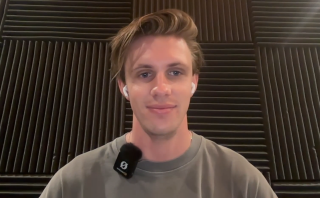
Are you a Western founder expanding into Asia? Your job title might be more important than your product. This video reveals The Job Title "Hack" You Need to Know Before Entering Asia. Ex-Googler and Tablevibe co-founder Mathieu Sneep shares his on-the-ground experience navigating the region's largest markets and explains why the way you present yourself can make or break your business in Asia.
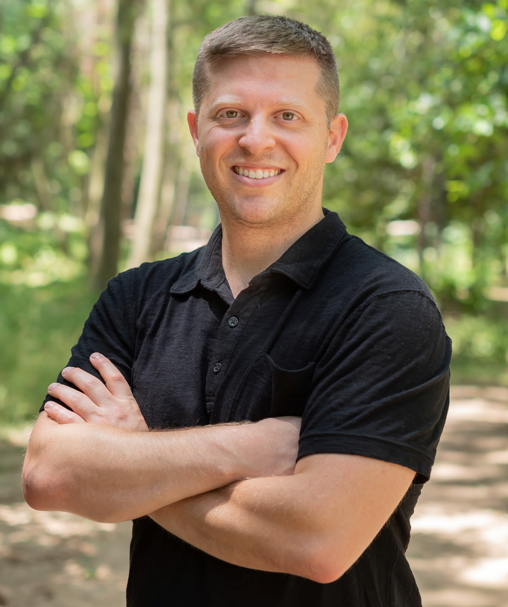

Guest
Mathieu Sneep
Co-Founder, Tablevibe
Mathieu Sneep is the Co-Founder and Chief Business Officer of Tablevibe, a commission-free online ordering platform for restaurants headquartered in Singapore that has raised over $1.5 million. A former Google executive, he moved to Asia to help restaurants own their customer relationships and avoid high third-party delivery fees.
Chapters


Build Executive Visibility
Press placements on CNBC, Bloomberg, and MSN.com,
guaranteed, from one 30-minute interview.
Extracted into a month of content: press, LinkedIn posts, and video, so investors and buyers find real credibility before the first conversation.
Distribution through a channel with 2M+ real views
Full Transcript
Sean Weisbrot: Matthew Snip. Matthew is the co-founder and chief business officer of Table Vibe, a platform which helps restaurants sell directly to online customers and deliver food instantly. While saving a lot of money and retaining customer data, they're headquartered in Singapore and have so far raised over $1.5 million. Thank you for taking the time to talk with me, Matthew. I appreciate it. Why don't you tell everyone a little bit more about table vibe. And, uh, how you came to be living in and starting a company in Singapore.
Mathieu Sneep: Table vibe, essentially, we, um, as you said, we are a, we are a commission free, uh, online ordering platform for restaurants that saves them a ton of money and helps them to really own and grow, uh, their customer relat relationship with their online customers. Um, so I moved to Singapore about, uh, four years or so, uh, ago in December, 2018. And I really saw that, uh, you know, while working at Google, uh, we saw that, uh, you know, all decisions that we were making at the company were all based on data. And when we looked at the restaurant industry, we saw that, uh, a lot of, uh, restaurants were very much relying on third parties, um, to do business. So that could be, you know, loyalty apps, uh, delivery apps, um, uh, booking applications. And all of these applications are typically owning that customer relationship and they charge pretty high fees in order to, uh, drive business for restaurants. So with that in mind, we thought, well, it would be great for restaurants to, uh, owning to own their own customer relationships and own their customer data so they can actually understand their customer base and make better decisions on the back of that. And on the other hand, um, also we can help restaurants to reduce fees. By, you know, creating software that can, um, um, that can, um, uh, help them to sell directly to their online customers. So that's essentially how, uh, how the table vibe, idea was, uh, was born. Um, and well, my co-founder and I, we were both working at, uh, the same company, the same team, and we were both based here in Singapore. So that's the primary reason why we started here.
Sean Weisbrot: So why don't you start by explaining the difference between you and someone like a Zuma or a GrubHub or whatever, DoorDash. These kinds of companies,
Mathieu Sneep: these type of apps, typically charge, uh, like a 25 to 30% commission. So that means from every dollar you spend on those apps, about 25 to 30 cents goes to the delivery platform. Um, we don't charge any commission, um, but we do charge a two to 5% service fee to the end customer. So. Um, and we also partner with, uh, delivery companies to actually deliver food to the customers at a low flat fee. So what that means is that all in all, uh, restaurants save anywhere between 50 and 80% in costs by processing orders with table vibe versus a Zoma or a DoorDash. And, um, they also have the opportunity to pass on part of those cost savings to consumers. So it's really a win-win, uh, both for consumers and restaurants to, uh, process orders on table five.
Sean Weisbrot: Now you guys are incorporated in Singapore, right?
Mathieu Sneep: That's right, yep.
Sean Weisbrot: And I. You're, you have an office in Singapore. Your employees are Singaporean, your investors are Singaporean like that or? Well,
Mathieu Sneep: we are a remote first company, so we do have a few employees here in Singapore. Uh, but we also have folks who work for us in, uh, the Philippines, uh, Australia, uh, the Netherlands and Italy. So we are remote first business. Um, we, we, you know, we have comp, we have employees across the globe. Uh, most of our, uh, restaurant partners are in Singapore, the Philippines, uh, and Australia. We also have a few partners in, uh, the Netherlands, but we don't really actively do sales there. Um, it's mostly just, you know, some inbound leads that came to us after we got some press.
Sean Weisbrot: So I have a friend that worked for Zada for many years, and in sales she worked for them in the Philippines, Malaysia, and New Zealand. Part of their business model was they would actively go out into the streets and find businesses and just approach them door to door pretty much, and say, Hey, you know, can we help you do this? And she's from mainland China. And so they would specifically task her with going to the Chinese zoned businesses in those various countries because she could speak to them in Mandarin and she could make them feel comfortable and, and all of that. Um. How do you handle this process of, uh, of dealing with leads?
Mathieu Sneep: Um, well, I've tried pretty much everything. Uh, going door to door, uh, calling restaurants, uh, you know, using LinkedIn, uh, sending cold emails. Uh, I mean, it's, it's, um, I think what I found out is that, uh, thing like different approaches work well for different types of restaurants. Um, there's definitely a bit of, like, it's definitely less, definitely harder for me to sell to like a traditional Chinese hawker stall here in Singapore, right? Um, I don't think that's, I don't think that will be very successful if I would, uh, fully focus on that. Um, but generally speaking, I'd say that, you know, door to door tends to work pretty well for, um, uh, like smaller, uh, restaurants. So maybe restaurants with like anywhere between like one and three locations. Um, for larger restaurant groups, I found it most successful to, uh, you know, try and get in touch with someone who makes a, who can make, who's like a decision maker on a, uh, group level. Um, so I think for those type of leads, um, emails, uh, events, um, uh, cold calls tend to, uh, tend to work best. I think one of the mistakes I made in the beginning is that, you know. Uh, uh, power distances here in Asia are, um, uh, are, are, are pretty large, right? So it typically means that decisions are made top down. Whereas, uh, in Europe, most of that tends to be a bit more, uh, democratic. So, um, actually you have decision makers that are, uh, maybe, you know, marketing managers or like, somewhat like lower in the hierarchy of the organization. Um, so yeah, one thing I definitely learned is to, as to, you know, start at the top rather than start at um, uh, like, um, levels in your organization that are a little bit lower in hierarchy.
Sean Weisbrot: Yeah. I remember in Asia when I was, you know, going out to business, networking, carrying my cards and, and giving them to people and all that. Whenever my card said that I was like the founder of something, it was always more like, wow. Then, you know, oh, you're the business manager. Right. So, uh, so I'll give you an example. Um, when I was first in Wuhan in Central China, I was an English teacher. And when I would tell people I was an English teacher, they'd be like, wow, that's so great. You know, that's like a really important thing. But when I was traveling to like Shanghai and Shenzhen. In Guang Jo, and I would tell people, like when I was living in Wuhan and I would travel to those places, I would say I was an English teacher. They would go, oh, you're an English teacher. Right? So there, there's a geographical, uh, difference in opinions, at least in China. Um, and so when I was finally in southern China and I was the HR manager of a company. It's like, oh, you're an HR manager. Like, that was, you know, special. But then when you're like, I'm the founder of something, I've created this platform, this thing, and they're like, oh wow. You're like, you know, hot stuff basically. Um, without you needing to have that kind of vibe of like co concealment. Um, so yeah. And, and it, it. Permeates through Hong Kong, Taiwan, Singapore, Malaysia, a lot of Southeast Asian cultures, especially, um, Philippines as well. Uh, so yeah, that definitely helps. You should probably, whoever your salespeople are that are going out and dealing with people, they should all be the owner. Just have them all be the owner. They're, they're all the chief business development officer or something.
Mathieu Sneep: Yes, that will be, uh, exactly. That'll be, that'll be a good idea. Yeah, exactly. All of them are country leads, uh, like general managers for their countries. Yeah, yeah, yeah. We could, you could actually try that, right? Um, I think to some extent, um, yeah, people do definitely look more at your job title and, yeah. Um, yeah. I mean, we haven't really tried so far, but yeah. Maybe we can use this to our advantage. Yeah, you're right.
Sean Weisbrot: Even I look at people's job titles. Mostly because I try to only talk to like a founder or an investor, right? For the podcast, for example, um, you call yourself a chief business officer or chief. Maybe I'm just a,
Mathieu Sneep: maybe I'm just a sales manager. John,
Sean Weisbrot: you might just be a sales manager, but you have the term that you have the term co-founder in front of your name. So I don't care if you call yourself the chief, you know, I'm gonna take this company to the moon officer. If you're a co-founder, you're still. You know, you're still a co-founder. Um, but yeah, especially in Asia, these titles are really important. Um, so what are some of the most important things you've learned besides that so far from the, I guess the external point of view, dealing with customers and, and what they like and what they don't like and, and what services you need to provide.
Mathieu Sneep: It's really important for us to, um, uh, to keep a very close like relationship with restaurateurs. I think, you know, the world where I'm from, uh, at, at like dealing with larger corporations, which are, uh, focusing on, uh, growing the ROI, they're advertising, it's a very. Um, uh, it's a very numbers driven, uh, um, type of relationship, which, you know, of course it's important to have good sales skills, but ultimately, uh, you know, those, like you are dealing with sometimes a large team of professionals that are crunching data on a day-to-day basis and that are, uh, fully focused on squeezing or, or like maximizing their return on investment and squeezing every large, every last penny out of their advertising budget. Right? Um, whereas, uh, restaurants definitely also are data driven, but it's, um, it's more of a relationship where, um, uh, also having a good personal collection is a market is very important. So people have to, I think also like you, uh, and have to, you know, like what you're doing and have a good feeling about what you're doing in order for them to, uh, to adopt your solutions. So I think that's, that's one. You know, a large difference I think between, uh, the type of sales role I have right now versus the type of sales role I had at Google. Um, the other thing is, um, um, you know, I. Working at Google, like everyone picks up the phone, right? You know, you're, you are, well, you're working with Google, so people, people are always interested in talking to you, whereas with, you know, table vibe, we don't, uh, yet, uh, have that type of, uh, recognition. So, um, yeah, I mean it's, it's certainly a lot. Uh, a lot more challenging to, uh, to get people to, to, to talk to you. Um, even though we do see a good amount of like inbound interest and like a good amount of, you know, uh, interest from restaurants generally in our products, um, I think not having that name recognition is all, is definitely also changing, uh, and, and affecting, um, uh, the effectiveness of our sales process, right? So. Yeah, I don't know if that's what you were a, that's what you were asking for, but yeah, those are like the first two things that come to mind.
Sean Weisbrot: Do you think having the experience working for Google has helped to open doors with customers or investors?
Mathieu Sneep: Yeah, I think so. I mean, you know, when we started Table Vibe, um, we, um, uh, did a pitch for Y Combinator. Um, and yeah, I think having. Uh, you know, working at a well-recognized American company definitely helped us. Uh, at least it didn't work against us. Um, and yeah, when we, and then, you know, if you look at it, uh, if you zoom out a little bit, when we, then we joined by Combinator. Once we joined by Combinator, we were, uh, you know, we, we were in the, um, spotlight of the, uh, y VC community and that really helped us to accelerate our business, right? So. Um, yeah, definitely. I think it has helped us a lot. Yeah.
Sean Weisbrot: What are the difficulties of trying to run a business like this where you're simultaneously opening multiple markets, but you're, you are not physically there.
Mathieu Sneep: It is harder to, uh, uh, to do sales if you're not physically in that market. Right. So, um, what we're trying to do is hire really good people locally. So we recently hired a, uh, a sales director in Australia. Uh, we hired a country lead for, uh, the Philippines. And so I think that is really helpful In order to scale our business, um, I don't think we can, uh, we can, you know, become the next, uh, unicorn in the restaurant tech space if we don't have boots on the ground or if we don't have people locally who are representing table vibe to restaurants. Um, so the approach I typically take is that I try to, uh, um, do some sales from Singapore and create a few, you know, relationships with restaurants while working here. Uh, and if we see, uh, that those restaurants find success with table vibe and they love what we're doing at that point, I am, uh, trying to recruit someone locally and to then really, you know, scale that business in, uh, in that market. And I think now we're at a stage where we can safely say that we have found product market fit in most of the markets we operate in, uh, specifically, uh, uh, Singapore, the Philippines, and Australia. So that's a really, you know, great, um, thing to have under our belts. And 2023 will be all about scaling our business and with scaling our business, I also mean scaling of our local teams in those markets. Um. Yeah, so that's how, that's how I'm trying to approach it.
Sean Weisbrot: I find it interesting that one of the markets you didn't mention you have product market fit in is your home market.
Mathieu Sneep: You mean the Netherlands?
Sean Weisbrot: Well. Yeah. Why do you think that is?
Mathieu Sneep: For a, a couple reasons. I mean, we do have a few restaurant partners there who, who love what we're doing. But, uh, in order for our online ordering system to, uh, in order for restaurants to really reap all the benefits of our online ordering system, it's really important for us to have that, uh, local, uh, delivery partnership. So, so far, you know, we've integrated with, uh, and we partner with DoorDash, Uber, uh, grab, uh, food Al Lala move, but there's no, uh, similar company yet in the Netherlands that is, um, uh, that is offering those services to third parties like ourselves. Um, and so, uh, Uber is active in the Netherlands, but they're not offering Uber direct there yet. Um, and so yeah, that's, that's our main reason for not really focusing on the Netherlands right now because we feel that there's just, there's simply more value that our product is offering to, uh, to restaurants in, uh, in the three markets here in Asia.
Sean Weisbrot: Well, it's very interesting insight. Um, I've used Uber in some countries grab in countries like Malaysia, um, as well as Vietnam, uh, Didi Dacha in China. Um, bolt in Portugal. I mean, like everywhere you go there's these different local brands. Um, it seems like the Netherlands doesn't have its own local transportation service, but maybe that's also because the Netherlands is so, um, so in tune with walking and. Uh, riding bikes, do you think that might, might have a thing, might be a reason why there's an issue there?
Mathieu Sneep: These services are definitely out there in the Netherlands, right? You've got Uber, you've got, uh, divers Resort or, or takeaway.com, uh, getti, uh, gorillas for like, like 10 minute grocery deliveries. So, so these companies are out there. Um, I think the difference is that, um, most of these businesses are. So far, all of these businesses don't open up their delivery network to third parties like Table five. So that's the reason why, um, uh, you know, we can roll out our online ordering system for pickup, but not for deliveries in the Netherlands just yet. Um, but you're definitely right. I mean, the Netherlands is far more, uh, uh, connected and you know. I was, I was looking at this interesting, uh, YouTube clip from, uh, not just bikes, I'm not sure if you know this YouTube channel, but they essentially compare, uh, infrastructure in America versus the Netherlands. And in America they have this concept of, uh, TROs. So it's essentially a roads which also has a lot of, uh, retail shops, uh, uh, on it. But it's not really a pedestrian area, right? Like it's more like a sort of like a six lane road. And, um, what they, so what they, the point they're essentially making is that, uh, if you want to go anywhere in the US maybe except for when you're living in like Manhattan in New York, you, you need a car and all the infrastructure is, uh, is focused on, um, making it easy for people to transport themselves in cars. And the Netherlands is, is radically different, right? If you live in most cities, uh, they're all very well connected by public and sports. And anywhere you go, any road you on, uh, is, um, uh, accessible for bikes. And so, yeah, that definitely does change, uh, people's behavior. And um, you know, it's not uncommon for someone in the Netherlands to go grocery shopping every second day or every day. Whereas I think in the US uh, you typically go grocery shopping maybe like once a week or so. Um, so. Yeah, that that does change things and it does change how people do, how people interact with businesses. Yeah, absolutely.
Sean Weisbrot: You're completely correct. I think it has to do with the fact that. Uh, a lot of countries in Europe have cities that are much older than cities in America, and so the infrastructure was designed at a time when automobiles didn't exist and there was no concept for them. And so the, the roads were much more narrow and, and therefore it l lend itself to walking or, you know, riding a horse. Um, and so, and, and now bicycles and all that. Um, and so that's why, what. And, and that's why that behavior is different now, about the difference between why Europeans go to the store every day or every other day versus Americans once a week. That I don't know why, but I remember when I was younger and I went to go study in, um, Austria, the family had a much smaller fridge. And I think that might have been one of the reasons why they went to the store quite often. But also I think it's because people aren't really buying processed food the way Americans are. They have a lot less options and therefore they tend to go for things that are fresh that'll go bad, really off, uh, really fast. And so they're looking to buy something fresh and they're gonna cook it that day, um, or maybe the next day, and then they go to the store to get the next thing. Um, whereas Americans typically buy processed foods or prepackaged frozen foods and things that they can just kind of heat up, um, you know, in a few days or a week or whatever. Plus they're also used to going to restaurants and there's takeaway and, uh, there's, you know, there's delivery and all of that. So I, there is a, a cultural difference behind it all and that I think that might be one of the reasons why, uh, things like Uber Eats and DoorDash and GrubHub are so successful in America specifically. Um, compared to other countries, just because of this, uh, lack of a desire to prepare fresh food, it's a lot faster to not do anything but press the button on your phone. Um, yeah, so I. What have you learned recently from doing this business that's different from what we've already kind of come across?
Mathieu Sneep: One of the key lessons that we've learned is, um, you know, it's really important for us to make sure that you kind of like look at, uh, businesses as, uh, solving a series of mini games, right? So right now, you know, we, uh, for example, when it comes to, uh, uh, finding product market fit, like a lot of your friends are always asking you. Okay. You know, how many employees do you have, right? And, uh, and, uh, uh, as if that's an indicator of, uh, how well your business is doing. Whereas I think it's really important as an entrepreneur to not focus, to not scale too fast until you have, uh, that certainty that you actually have product market fit. Um, and it can be that, that can be quite. Um, uh, stressful, right? And, and very difficult because, you know, you are, uh, we raised, uh, we raised capital. Uh, we had a product that worked, but we felt that, you know, the first product we launched, which were, uh, QR code based feedback surveys. Uh, they were very valuable to restaurants, but not a, uh, absolute business essential. And so we wanted to create something that's really at the heart of a restaurant's business operations. And so that's why we introduced this online ordering system, uh, where we now clearly have product market fit and, uh, now we're ready to scale the business. But, um, yeah, so I think one of the things I learned is to try and, um, and, and that, that's why I refer to this as mini games is to try and. Uh, solve problems one, one at a time. I think there's a big risk that, uh, if you, um, uh, go large too fast, um, it may, um, uh, you can actually like blow up your business, uh, in a negative sense. In other words, you can, you know, grow so fast that you are, uh, uh, creating unsustained growth. So it's finding a balance right between, on the one hand, making sure that you, that you grow fast and that, but also try and do that in a sustainable way, and that's a constant balance you're trying to get right. Um, that's one of the things I think that I, that I really learned from, um, uh, starting a business. Um, the other thing is, um. I, I, I just think I have a, like, new appreciation for, uh, how different countries can be. Um, I think, you know, Singapore is a place which is, uh, English speaking, uh, super business friendly, uh, where people are generally like, uh, very happy to like, adopt new solution and new solutions and try out and try out new things. Um, but then, you know, uh, there's, you know, Indonesia like, can be more different, right? So. Indonesia Batam is about, uh, 10 to 15 kilometer, like boat ride from Singapore. But when you are, uh, when you're taking that boat ride and get off in Batam, it's a completely different universe, right? Like different language, different people, uh, very different mindset. Um, and so what's super important to scale a business here in Asia is to really, uh, think local first and think about, okay. You know, how do people do business in the Philippines? What's the best way to enter that market? Um, um, uh, should we maybe change our communication or should we maybe change our value proposition for, to, to make sure that table vibe is appealing to businesses, in those markets. Um, yeah, those are some of the things I think that I, that I, um, that I think of when I, when it comes to learnings. Yeah, it's a very, it's a very, um. Um, it's a very, very diverse region, um, and probably in many ways more diverse than than Western and Northern Europe.
Sean Weisbrot: What I've found interesting in dealing with startups around Asia is that a lot of them are really only focused on their local economy, and the reason being is they don't have the energy or the money to understand other countries, and they think their market is big enough for them to try to dominate their own market. Yeah. And maybe they'll come and try to get the next country over in a few years. Right. They really, they don't really think global unless they're kind of forced to. There's also a, a
Mathieu Sneep: huge amount of red tape, right. Operating in, like, going from one market to the other. Um, I think, you know, in the US you have one currency, one language, um, um, Europe, uh, nowadays, you know, you have different languages, but you have a, you know, fairly homogeneous regulatory environment. Uh, one currency. And so it just also makes it a lot easier to scale to other markets and to, um, and to be active there. Um, which, you know, I think in, in Asia, um, you have, you have, uh, so it, it is getting easier, I think to cross borders, but it's still, uh, I think a lot harder than in, uh, in Europe or America. Yeah. North America in particular.
Sean Weisbrot: What are some things you've learned about yourself since starting this business?
Mathieu Sneep: It is hard for me to, uh, always think 80 20. I think I'm, uh, a little bit of a, a little bit of a perfectionist. Uh, so, uh, I dunno. Sometimes that results in interesting conversations between my co-founder and myself. I. Um, uh, you know, it's just, if you start your own business, it's like, it is like your baby, right? Like you love for everything to be, to be, to be, to be right. And, uh, so, um, yeah, I think I, uh, I think I needed to learn and I'm still learning, uh, that, uh, uh, taking an 80 20 approach is often most effective to, uh, to grow the business. Um, um, it is, um. You know, starting when I started the business, I think it's, uh, uh, easy to um, uh, you know, you need to do everything yourself, right? And so, um, now I think we're at a stage where I'm trying to. Uh, um, work a lot more with about, on like empowering our team, giving 'em the skills and knowledge to grow our business. And so I think what I learned, so I, right now I'm thinking, I'm learning how, uh, to, um, uh, within my own business to be a good leader and to, um, empower my team to, uh, to drive the business forward. Um hmm. I think, um, yeah. One, one of the other things I'm, I'm trying to get better at is, is how to, how to structure your day. You know, oftentimes when I wake up, um, there's, you know, another like 50 emails, another. Uh, 10 WhatsApp messages. People here in Asia also like to love to do business on WhatsApp, Viber, which makes it a lot more intrusive, right? Like email, you can sort of like park it in your inbox and like get to it when you feel the time, when the time is right for you, whereas, uh, at least in my case right now, you know, my WhatsApp environ messages are. For, from my cup, from my restaurant. Uh, partners are sort of, and also from my team are sort of, uh, uh, mixed with like private messages. So it makes it a lot harder to detach from work. And so I think what I need to get better at is, um, making sure I have like a very clear distinction between my work and my private life. 'cause if you don't, you just end up. Working 24 7 and I don't think it's very sustainable. Well,
Sean Weisbrot: that's why Asians have, who have two phones, one for business and one for their personal life.
Mathieu Sneep: Yeah, I should probably get that. Uh, I don't at the moment, so, uh, yeah, or I don't know, maybe opening like a WhatsApp like business account so you can separate the two, but I think it's still tied to the same phone number. Right. So, yeah. Maybe I should just get a second phone.
Sean Weisbrot: I've never used WhatsApp business as a, an owner, only as like a customer, so I don't know how it works, but, um, yeah, I think in Asia it's best to just have a second phone. I mean, I, I have one phone for work and. And all of that, but it doesn't bother me because it's not like I'm an employee of somebody else's company. It's like a lot of the people I talk to are like friends, but they're also business associates. So I see them all as the same thing. It's al it's always pleasure. It.
Mathieu Sneep: Yeah, exactly. Uh, yeah. Yeah. That's how I used to view it as well. Yeah.
Sean Weisbrot: But maybe I've just convinced myself to work 24 7 and, and not think about it like that.
Mathieu Sneep: That could also be, that could also be a reason.
Sean Weisbrot: Yeah. It's like I was on the treadmill at the gym earlier today. I was on the treadmill for an hour and I, while I was on the treadmill, I was like checking to see if there was any messages and I actually hopped onto a voice chat in, uh, discord on an entrepreneur community and I was chatting with some of them. Um, so is that healthy? I don't know. Hmm. Probably not.
Mathieu Sneep: Hmm. Well, it, it, it can also help to, uh, to open doors that would otherwise remain closed. Right. Uh, it is sometimes also super easy as a business owner to just like WhatsApp your customer and get a response within five seconds. Uh, that is like something that you will probably never or very rarely get on email. So. Yeah, there's also advantages, but Yeah. Um, um, yeah, I, I think it's all about having those expectations, right? Um, you know, people here in Singapore work incredibly long hours, and that's how. I mean, that's how they, that's how they build up this country, which is amazing. You know, 50 years ago, uh, when Leco Leko U came into power, uh, Singapore wasn't particularly, uh, uh, uh, wealthy or well developed. And they've Yeah, absolutely. And through hard work and dedication, uh, they've managed to develop the country to what it is today, which is. Which is very admirable. Um, but it also means that people do have an, you know, super strong work ethic and work really long hours. And, um, um, yeah, I think it's, I think a lot of it is about managing expectations that maybe, you know, at like 11 at night, uh, uh, you are not gonna answer a message and it's gonna, and, and you will answer it the next day. Um. Yeah, that's, that's definitely, that's definitely important, um, in order to, you know, um, make sure that, uh, that you, uh, maintain some level of sanity, I'd say. Yeah.
Sean Weisbrot: What's been your most expensive mistake with the company? And if you have an actual financial amount tied to it, that would be awesome to know.
Mathieu Sneep: We've been pretty careful with like how we, uh, uh, how we've been allocating, uh, investment so far. Um, yeah. One thing that comes to mind is that at some point, and it's not like huge, I think it was around 10,000 USD, uh, but one thing we did was, uh, creating an explainer video for, uh, a solution. You know, having an explainer video as an early stage startup, um. I, unless you have like the tools to like easily change the message, I mean, your, your product is developing super fast, right? So before you know it, that, uh, explainer video will be outdated again. And so that's what kind of happened to us. Uh, so I think we spent about 10 grand on a video that we actually never, uh, published on our website.
Sean Weisbrot: I had another person I interviewed recently who said that his most expensive mistake was a million dollars, um, for his own business. So it cost his business a million dollars in revenue. Um, I, I won't go into those details, but yeah. Very, uh, very interesting mistake. And I, I've also made mistakes I won't mention here 'cause we don't have time, but, uh, maybe in a future episode. So how can people follow up with you?
Mathieu Sneep: Uh, you know, chat to me on, on, on Twitter, on LinkedIn. Um, they can also email me, uh, my first name so much at Table five Co. And, uh, yeah, if people are interested in connecting, I'd be, I'd be more than happy to do so. I appreciate it. Matthew.
Sean Weisbrot: Uh, don't forget that entrepreneurship is a marathon, not a sprint. So take care of yourself every day.
Build Executive Visibility
Press placements on CNBC, Bloomberg, and MSN.com,
guaranteed, from one 30-minute interview.
Extracted into a month of content: press, LinkedIn posts, and video, so investors and buyers find real credibility before the first conversation.
Distribution through a channel with 2M+ real views
